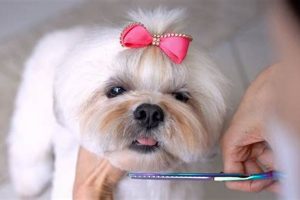
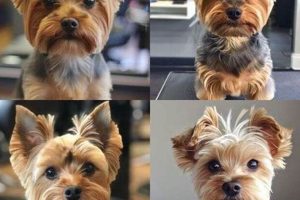
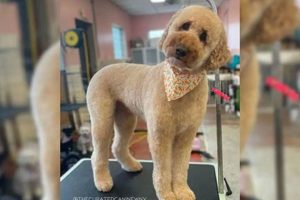
This style of grooming for Lhasa Apsos involves trimming the coat to a uniform length, resembling a teddy bear’s soft fur. The result is a rounded appearance, with the fur often kept shorter around the face and feet for practical reasons, while the body maintains a plush, cuddly look. An example might be a Lhasa Apso with fur trimmed to approximately two inches in length all over, giving the dog a soft, rounded silhouette.
This grooming choice offers several advantages. It simplifies coat maintenance, reducing the time required for brushing and minimizing matting, which is especially important for this breed’s long, dense fur. It can also provide relief from heat during warmer months. While the traditional long coat showcases the breed’s history as Tibetan temple guardians, the shorter cut offers a practical and increasingly popular alternative in modern pet care.
The following sections delve further into achieving and maintaining this style. Topics include specific clipping techniques, recommended tools, bathing routines, and potential challenges. Additional guidance addresses adapting the cut for different ages and lifestyles, ensuring the dog’s comfort and well-being.
Tips for Maintaining a Teddy Cut
Maintaining this popular Lhasa Apso style requires regular attention and proper technique. The following tips offer guidance for achieving optimal results.
Tip 1: Regular Brushing: Even with a shorter cut, regular brushing remains crucial. This prevents matting and distributes natural oils, promoting a healthy, shiny coat. A slicker brush is recommended for this purpose.
Tip 2: Professional Grooming: While some owners may choose to trim at home, professional groomers possess the expertise and tools to achieve a precise, even cut. Regular appointments, every 6-8 weeks, are generally recommended.
Tip 3: Bathing Routine: Bathing should be performed as needed, typically every 4-6 weeks or when the coat becomes dirty. Use a high-quality dog shampoo and conditioner formulated for sensitive skin.
Tip 4: Face and Feet Trimming: Pay particular attention to the fur around the face and feet, which tends to grow more quickly. Careful trimming around the eyes prevents irritation and maintains a neat appearance.
Tip 5: Tool Selection: Invest in high-quality clippers and scissors specifically designed for dog grooming. Sharp blades ensure a clean cut and minimize discomfort.
Tip 6: Gradual Introduction: If transitioning a Lhasa Apso from a longer coat, introduce the teddy cut gradually to allow the dog to adjust to the new sensation.
Tip 7: Consider the Climate: While a shorter cut offers relief in warmer weather, consider the dog’s comfort during colder months. Adjust the length accordingly to provide adequate insulation.
Adhering to these tips ensures a well-maintained teddy cut, promoting both the dog’s comfort and an aesthetically pleasing appearance. A well-groomed coat contributes significantly to a Lhasa Apso’s overall health and happiness.
This information provides a comprehensive guide to the Lhasa Apso teddy cut. By following these guidelines, owners can ensure their dogs look and feel their best.
1. Coat Maintenance

Coat maintenance forms a cornerstone of the Lhasa Apso teddy cut. This style, while offering a manageable length, still requires consistent care to prevent matting and maintain its distinctive appearance. The breed’s dense, double coat is prone to tangling, particularly if neglected. Regular brushing, even with the shorter length of the teddy cut, remains essential. Without adequate brushing, the coat can quickly become matted, leading to discomfort and skin irritation. A matted coat also detracts from the desired teddy bear aesthetic, resulting in an unkempt appearance.
Consider a Lhasa Apso with a teddy cut who receives weekly brushing. This regular attention prevents mat formation, allowing the coat to remain soft and plush. Conversely, a Lhasa Apso with the same cut, but brushed only infrequently, might develop mats, particularly behind the ears and under the legs. These mats not only diminish the teddy bear look but can also pull on the skin, causing discomfort and potentially leading to skin infections. This contrast highlights the direct impact of coat maintenance on the success and health implications of the teddy cut.
In summary, the teddy cut simplifies, but does not eliminate, the need for diligent coat maintenance. Regular brushing, professional grooming, and appropriate bathing practices are crucial for preserving the cut’s aesthetic appeal and, more importantly, for ensuring the dog’s comfort and well-being. Understanding this connection allows owners to make informed decisions and provide appropriate care for their Lhasa Apsos. Neglecting coat maintenance undermines the benefits of the teddy cut and can negatively impact the dog’s health and quality of life.
2. Appearance

The teddy cut significantly alters a Lhasa Apso’s appearance, shifting from the breed’s traditional long, flowing coat to a more compact and rounded aesthetic. This transformation affects various aspects of the dog’s visual presentation, impacting perceptions and practical considerations.
- Facial Features:
The teddy cut frames the Lhasa Apso’s face differently than a long coat. With the fur trimmed shorter around the eyes and muzzle, the dog’s facial features become more prominent. This can create a more expressive and “puppy-like” appearance. For instance, the characteristic Lhasa Apso beard, often obscured by long fur, becomes a defining feature with a teddy cut. This altered presentation contributes to the overall teddy bear impression.
- Body Shape:
The uniform length of the teddy cut creates a rounded silhouette, softening the lines of the Lhasa Apso’s body. This contributes significantly to the teddy bear resemblance. A long-coated Lhasa Apso appears longer and leaner, whereas the teddy cut gives the impression of a more compact and cuddly physique. This rounded shape can make the dog appear smaller than its actual size.
- Coat Texture and Color:
While the teddy cut alters the length, it also showcases the Lhasa Apso’s coat texture and color. The dense, slightly coarse texture of the breed’s fur becomes more noticeable with the shorter cut. The teddy cut also allows the richness and variations of the breed’s coat colors, from golden to black and parti-colors, to be more readily appreciated. The shorter length prevents the colors from being visually “lost” in the length of the traditional coat.
- Overall Impression:
The combined effect of the trimmed face, rounded body shape, and highlighted coat texture and color contributes to the overall “teddy bear” impression. This distinct aesthetic differentiates the teddy cut from other grooming styles and significantly alters the perception of the Lhasa Apso. While maintaining the breed’s inherent charm, the teddy cut adds a touch of youthful softness and approachability.
These facets of appearance demonstrate how the teddy cut reshapes the visual presentation of the Lhasa Apso. This transformation goes beyond mere aesthetics, influencing perceptions of the breed and impacting practical aspects of grooming and maintenance. The teddy cut, therefore, represents a significant stylistic choice with implications for both the dog’s perceived personality and its day-to-day care.
3. Comfort
The teddy cut significantly impacts a Lhasa Apso’s physical comfort. This grooming style, while aesthetically pleasing, offers practical benefits relating to temperature regulation, mobility, and hygiene. Understanding these comfort-related factors is crucial for responsible pet ownership.
- Temperature Regulation:
The Lhasa Apso’s dense double coat, while providing insulation in colder climates, can lead to overheating in warmer temperatures. The teddy cut, by shortening the fur, allows for better air circulation and heat dissipation, preventing discomfort and potential heatstroke. A long-coated Lhasa Apso panting heavily on a warm day exemplifies the need for improved temperature regulation. The teddy cut addresses this concern, enhancing the dog’s ability to cope with heat.
- Mobility and Freedom of Movement:
A long coat can impede movement, particularly for smaller dogs like the Lhasa Apso. The teddy cut reduces the weight and bulk of the fur, allowing for greater freedom of movement and agility. A Lhasa Apso with a long coat might struggle to navigate dense undergrowth or climb stairs, whereas a dog with a teddy cut experiences enhanced mobility in such situations. This increased freedom contributes to the dog’s overall well-being and quality of life.
- Hygiene and Cleanliness:
The shorter fur of the teddy cut is less prone to collecting dirt, debris, and parasites. This simplifies grooming and reduces the risk of skin irritations and infections. A long-coated Lhasa Apso might accumulate burrs and dirt during outdoor activities, requiring extensive cleaning. The teddy cut minimizes this issue, improving hygiene and reducing the time spent on grooming. This ease of maintenance benefits both the dog and the owner.
- Reduced Matting and Skin Irritation:
The teddy cut, while still requiring regular brushing, significantly reduces the occurrence of matting, a common problem in long-coated breeds. Matting can cause discomfort, restrict movement, and even lead to skin infections. The shorter length of the teddy cut minimizes matting, promoting skin health and overall comfort. A Lhasa Apso with a matted coat may exhibit signs of discomfort, such as scratching or biting at the affected area. The teddy cut mitigates this risk, contributing to the dog’s well-being.
These comfort-related factors highlight the practical advantages of the teddy cut for Lhasa Apsos. While the aesthetic appeal of the teddy bear look is undeniable, the enhanced comfort and ease of maintenance contribute significantly to the dog’s overall quality of life. The teddy cut, therefore, represents a holistic approach to grooming, addressing both aesthetic and practical considerations for the well-being of the Lhasa Apso.
4. Professional Grooming

Maintaining a Lhasa Apso teddy cut often necessitates professional grooming. While some owners may attempt at-home trimming, the intricacies of this style frequently benefit from the expertise and specialized tools of a trained groomer. Professional intervention ensures precision, consistency, and consideration for the dog’s breed-specific needs.
- Breed-Specific Expertise:
Professional groomers possess an understanding of breed-specific coat characteristics. They recognize the nuances of a Lhasa Apso’s double coat and adapt their techniques accordingly. This expertise minimizes the risk of damaging the coat or causing discomfort to the dog. An experienced groomer can differentiate between the soft undercoat and the coarser outer coat, ensuring appropriate trimming techniques for each layer. This specialized knowledge contributes significantly to the teddy cut’s success.
- Precision and Consistency:
Achieving a uniform length and the characteristic rounded silhouette of the teddy cut requires precision. Professional groomers utilize specialized clippers and scissors to achieve even trimming, maintaining consistency across the entire body. This level of precision is difficult to replicate at home without the appropriate tools and training. A professionally executed teddy cut exhibits a balanced, symmetrical appearance, enhancing the dog’s overall aesthetic.
- Safety and Comfort:
Professional groomers prioritize the dog’s safety and comfort throughout the grooming process. They employ safe handling techniques and utilize tools designed to minimize stress and discomfort. This is especially important for sensitive areas like the face, ears, and paws. A groomer skilled in handling Lhasa Apsos understands the breed’s temperament and can adapt their approach to ensure a positive grooming experience. This reduces the risk of injury and promotes a more relaxed environment for the dog.
- Early Detection of Skin and Coat Issues:
During professional grooming sessions, groomers have the opportunity to observe the dog’s skin and coat closely. This allows for early detection of potential issues, such as skin irritations, parasites, or unusual growths. Early identification facilitates prompt veterinary attention if needed. A groomer might notice a small rash or a change in coat texture that an owner might overlook, enabling timely intervention and preventing potential health complications.
These facets of professional grooming underscore its importance in achieving and maintaining a successful Lhasa Apso teddy cut. The expertise, precision, and focus on safety and health offered by professional groomers contribute significantly to the dog’s well-being and the aesthetic appeal of the teddy cut. While regular home maintenance, such as brushing, remains essential, professional grooming provides a crucial foundation for a well-maintained and healthy teddy cut, enhancing both the dog’s comfort and its appearance.
5. Clipping Techniques
Clipping techniques are fundamental to achieving a successful Lhasa Apso teddy cut. The desired rounded silhouette and even coat length rely heavily on the groomer’s skill and the chosen clipping methods. Specific techniques influence the final appearance and can significantly impact the dog’s comfort and well-being. Using the correct clipper blade size, for instance, determines the overall length of the cut. A #4F blade typically creates a shorter teddy cut, while a #5F blade leaves the fur slightly longer. Employing a blade against the grain can result in an uneven, choppy appearance, whereas clipping with the grain promotes a smoother, more natural look. Understanding these nuances is crucial for achieving the desired aesthetic.
Consider two Lhasa Apsos receiving teddy cuts. One is groomed using a clipper blade appropriate for the desired length, moved smoothly and consistently with the direction of hair growth. The result is a uniform, plush coat, characteristic of the teddy bear look. The second Lhasa Apso is groomed with a blade too short for the desired style, moved erratically against the grain. This results in an uneven, choppy appearance, potentially exposing sensitive skin and increasing the risk of irritation. This comparison highlights the direct impact of clipping techniques on the final outcome and the dog’s comfort. Furthermore, blending techniques are essential for creating seamless transitions between different coat lengths, particularly around the face, legs, and feet. Skilful blending prevents harsh lines and contributes to the teddy cut’s signature rounded appearance.
Mastering appropriate clipping techniques ensures the Lhasa Apso teddy cut achieves its intended aesthetic while prioritizing the dog’s comfort and well-being. Incorrect techniques not only compromise the desired appearance but can also cause discomfort, skin irritation, and an increased risk of injury. Therefore, selecting the correct tools, understanding directional clipping, and employing proper blending techniques are essential components of a successful and humane Lhasa Apso teddy cut. This knowledge empowers groomers to achieve optimal results and ensures a positive grooming experience for the dog.
6. Health Considerations
Health considerations are paramount when choosing and maintaining a Lhasa Apso teddy cut. While this style offers aesthetic and practical advantages, its impact on the dog’s health requires careful evaluation. Potential skin issues, parasite prevention, and the role of professional grooming are key factors influencing the suitability and long-term success of this grooming choice.
- Skin Sensitivity and Allergies:
Lhasa Apsos are prone to skin sensitivities and allergies. The teddy cut, while offering benefits like reduced matting, can exacerbate these issues if not managed carefully. Shorter fur exposes the skin to potential irritants, increasing the risk of allergic reactions. A Lhasa Apso with a pre-existing skin condition might experience increased itching or inflammation after receiving a teddy cut if appropriate hypoallergenic shampoos and grooming practices are not employed. Regular observation and consultation with a veterinarian are essential for managing skin health in Lhasa Apsos with teddy cuts.
- Parasite Prevention:
While shorter fur can simplify parasite detection, it does not eliminate the risk of infestation. Ticks, fleas, and mites can still affect Lhasa Apsos with teddy cuts. Regular preventative treatments remain crucial, regardless of coat length. A Lhasa Apso with a teddy cut might be more susceptible to tick bites in areas with tall grass compared to a long-coated dog, as the shorter fur provides less of a physical barrier. Therefore, vigilance and appropriate preventative measures remain essential for maintaining the dog’s health.
- Professional Grooming and Hygiene:
Maintaining a healthy teddy cut requires professional grooming expertise. Improper clipping techniques can lead to skin irritation, clipper burns, and ingrown hairs. A groomer experienced with Lhasa Apsos understands the breed’s skin sensitivities and employs techniques that minimize the risk of these issues. Choosing a reputable groomer who prioritizes hygiene and uses appropriate tools and products is crucial for preventing health problems. Furthermore, regular bathing with hypoallergenic shampoos and conditioners tailored to the breed’s needs contributes to overall skin health.
- Impact of Climate:
The teddy cut’s impact on temperature regulation necessitates careful consideration of the dog’s environment. While beneficial in warmer climates, the shorter coat provides less insulation during colder months. Owners must adjust the coat length seasonally or provide additional warmth through clothing or indoor accommodations during cold weather. A Lhasa Apso with a short teddy cut might shiver in cold temperatures, indicating the need for added protection. Adapting the teddy cut to suit the climate ensures the dog’s comfort and well-being throughout the year.
These health considerations demonstrate that the Lhasa Apso teddy cut, while offering aesthetic and practical advantages, requires careful management to ensure the dog’s long-term health and well-being. Addressing potential skin issues, maintaining parasite prevention protocols, prioritizing professional grooming, and adapting the cut to suit the climate are essential for maximizing the benefits of this grooming style while minimizing potential health risks. Open communication between owners and groomers, coupled with regular veterinary check-ups, ensures a proactive approach to maintaining the Lhasa Apso’s health and happiness within the context of the teddy cut.
7. Breed Suitability

Breed suitability plays a crucial role in determining whether a Lhasa Apso teddy cut is an appropriate grooming choice. While aesthetically versatile, the teddy cut does not universally benefit every Lhasa Apso. Factors such as lifestyle, climate, and individual health conditions influence the suitability of this style and its potential impact on the dog’s overall well-being.
- Lifestyle Considerations:
A Lhasa Apso’s lifestyle significantly impacts the practicality of a teddy cut. Active dogs spending considerable time outdoors might benefit from the shorter length, reducing the accumulation of debris and minimizing matting. Conversely, less active dogs living primarily indoors might not require such a drastic reduction in coat length. A show dog, for example, would not be suitable for a teddy cut, as the traditional long coat is required for conformation events. Therefore, aligning the grooming style with the dog’s lifestyle optimizes both practicality and aesthetic appeal.
- Climate and Temperature:
The Lhasa Apso’s dense double coat provides insulation against cold weather. In colder climates, a full coat offers crucial protection. A teddy cut, while beneficial in warmer temperatures, might leave the dog vulnerable to cold in colder regions. A Lhasa Apso living in a region with harsh winters might require a longer variation of the teddy cut or supplemental warmth during colder months. Conversely, a Lhasa Apso in a tropical climate would benefit significantly from the cooling effect of a shorter teddy cut. Adapting the cut to the climate ensures the dog’s comfort and well-being.
- Coat Type and Health:
Individual variations in coat type and health influence the suitability of a teddy cut. Lhasa Apsos with particularly dense or coarse coats might benefit from the reduced matting and easier maintenance provided by a teddy cut. However, dogs with pre-existing skin conditions or allergies require careful consideration. A shorter cut might exacerbate skin sensitivities by exposing the skin to irritants. Veterinary consultation is advisable in such cases to determine the most appropriate grooming approach. Prioritizing skin health ensures the teddy cut enhances rather than detracts from the dog’s well-being.
- Maintenance Requirements:
While a teddy cut simplifies coat maintenance compared to a full coat, it still requires regular brushing, bathing, and professional trimming. Owners must realistically assess their ability to commit to these ongoing maintenance requirements. A Lhasa Apso with a teddy cut still needs regular brushing to prevent matting and distribute natural oils, although less frequently than a long-coated dog. Owners with limited time for grooming might find the teddy cut more manageable than a full coat, but neglecting regular maintenance can negate the benefits of the shorter style.
These factors demonstrate that the suitability of a Lhasa Apso teddy cut depends on a nuanced understanding of individual needs and circumstances. Careful consideration of lifestyle, climate, coat type, health conditions, and maintenance requirements ensures that the chosen grooming style aligns with the dog’s overall well-being. A balanced approach, prioritizing both aesthetics and practicality, leads to a successful and harmonious outcome, enhancing the Lhasa Apso’s comfort, health, and quality of life.
Frequently Asked Questions about the Lhasa Apso Teddy Cut
This section addresses common inquiries regarding the Lhasa Apso teddy cut, providing concise and informative responses to clarify potential uncertainties.
Question 1: How often does a Lhasa Apso with a teddy cut require professional grooming?
Professional grooming is typically recommended every 6-8 weeks to maintain the teddy cut’s shape and prevent excessive matting. Individual needs may vary based on coat growth rate and lifestyle.
Question 2: Is the teddy cut suitable for all climates?
While the teddy cut offers comfort in warmer climates, adjustments might be necessary in colder regions. A slightly longer cut or supplemental winter clothing can provide adequate insulation.
Question 3: Does a teddy cut eliminate the need for brushing?
No, regular brushing remains essential, even with a teddy cut. Brushing prevents matting, distributes natural oils, and promotes a healthy coat, although less frequent brushing may be required compared to a full coat.
Question 4: Can a Lhasa Apso with a teddy cut participate in conformation shows?
Conformation shows typically require the breed’s traditional long coat. A teddy cut would disqualify a Lhasa Apso from competing in such events.
Question 5: Does the teddy cut increase the risk of skin problems?
The teddy cut can potentially exacerbate pre-existing skin conditions or allergies by exposing the skin to irritants. Careful observation, regular grooming, and veterinary consultation are essential for managing skin health.
Question 6: How does the teddy cut affect the Lhasa Apso’s temperament?
The teddy cut itself does not directly influence temperament. However, increased comfort and ease of movement can contribute to a happier and more active dog.
Understanding these aspects ensures informed decisions regarding the Lhasa Apso teddy cut’s suitability and long-term management.
For further information on specific grooming techniques and product recommendations, consult a professional groomer experienced with Lhasa Apsos.
The Lhasa Apso Teddy Cut
This exploration of the Lhasa Apso teddy cut has provided insights into various facets of this popular grooming style. Key considerations include coat maintenance, appearance, comfort, professional grooming requirements, clipping techniques, health implications, and breed suitability. The teddy cut offers a manageable coat length, enhancing comfort and simplifying grooming routines while presenting a distinctive aesthetic. However, potential health considerations, particularly regarding skin sensitivity and climate adaptability, necessitate careful evaluation and proactive management.
Ultimately, the decision to adopt a Lhasa Apso teddy cut requires a thorough understanding of the breed’s specific needs and the owner’s capacity for consistent maintenance. Responsible grooming choices prioritize the dog’s well-being, balancing aesthetics with practical considerations to ensure a comfortable, healthy, and fulfilling life for the Lhasa Apso. Continued research and open communication with experienced groomers and veterinarians remain essential for optimizing the benefits of this distinctive grooming style.