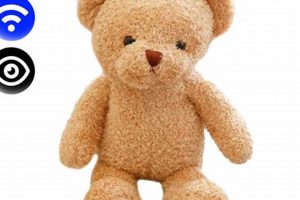
A stuffed toy animal, typically a bear, often serves as a comforting companion for children during travel. This practice can be observed in various situations, from short trips to extended journeys. For instance, a plush toy might occupy a child in a car seat, providing a sense of familiarity and security.
The presence of a cherished toy can significantly reduce anxiety and boredom during travel. It offers a tangible source of comfort and can help children feel more at ease in unfamiliar environments. Historically, such objects have played a crucial role in childhood development, offering emotional support and fostering a sense of security. This practice extends beyond mere entertainment; it taps into the deep-seated human need for connection and comfort, particularly during potentially stressful situations like travel.
This fundamental need for comfort and security during travel raises several key questions. How can this practice be leveraged to improve the overall travel experience for families? What are the potential psychological benefits for children? Furthermore, what safety considerations should be taken into account when bringing plush toys into vehicles? These topics, and more, will be explored further in this article.
Safety and Comfort Tips for Traveling with Plush Companions
Ensuring both safety and comfort during travel, especially with children, requires careful planning. The following tips address key considerations for incorporating plush companions into travel arrangements.
Tip 1: Secure the Plush Companion: Loose objects in a vehicle can become projectiles during sudden stops or accidents. Secure plush companions in a designated area, such as a dedicated bag or within the child’s car seat, to prevent them from becoming hazards.
Tip 2: Choose Appropriately Sized Companions: Oversized plush toys can obstruct the driver’s view or interfere with safety restraints. Opt for smaller, more manageable companions for travel.
Tip 3: Regularly Inspect for Wear and Tear: Damaged toys can pose choking hazards, especially for younger children. Regularly inspect plush companions for loose parts, tears, or other damage, and repair or replace them as needed.
Tip 4: Consider a Backup Companion: Loss or damage to a beloved toy can be distressing for a child. Bringing a backup companion can alleviate potential upset during travel.
Tip 5: Maintain Cleanliness: Plush toys can harbor dust and allergens. Regular cleaning helps maintain a healthy environment within the vehicle.
Tip 6: Use as a Tool for Comfort, Not Distraction: While plush companions can provide comfort, they should not distract the driver or child from crucial safety measures, such as properly fastening seat belts.
By adhering to these guidelines, caregivers can enhance the travel experience for children while prioritizing safety. A secure and comfortable travel environment contributes to a more positive and enjoyable journey.
In conclusion, careful consideration of these practical tips can significantly impact the well-being and safety of all vehicle occupants.
1. Comfort Object

Comfort objects, typically soft, tactile items like plush toys, blankets, or dolls, play a significant role in childhood development. These objects offer a tangible source of security and reassurance, especially during periods of stress, transition, or separation. The presence of a familiar comfort object, such as a teddy bear in a car, can ease anxiety associated with travel, unfamiliar environments, or separation from caregivers. This association stems from the object’s consistent presence during comforting routines, effectively linking the object to feelings of safety and well-being. For instance, a child accustomed to sleeping with a teddy bear may find its presence in the car equally soothing during a long journey, creating a sense of continuity and familiarity in a novel situation. This phenomenon underscores the psychological importance of comfort objects in mediating emotional responses to external stressors.
The effectiveness of a comfort object, such as a teddy bear in a car, lies in its ability to provide a sense of constancy and predictability. This consistency becomes particularly crucial during travel, where routines are disrupted and environments change. The familiar texture, scent, and appearance of the comfort object offer a tangible link to the child’s familiar and secure world, mitigating the potential distress associated with the unfamiliar aspects of travel. A teddy bear secured in a car seat can become a constant companion, offering a sense of stability and reducing the emotional burden of navigating new surroundings. This consistent presence can also facilitate smoother transitions, helping children adapt to the confines and movement of the vehicle. In essence, the comfort object acts as a portable anchor to emotional security.
Understanding the role of comfort objects, particularly in the context of travel, offers practical implications for caregivers. Recognizing the significance of these objects can lead to more empathetic and effective strategies for managing children’s emotional well-being during travel. While potential safety concerns regarding loose objects in vehicles necessitate careful consideration and appropriate securing of the object, acknowledging and respecting the emotional significance of a comfort object, such as a teddy bear, contributes to a more positive and less stressful travel experience for the child. This understanding underscores the importance of balancing safety precautions with the emotional needs of children during travel.
2. Childhood Symbol
The teddy bear’s significance extends beyond its role as a mere comfort object; it functions as a potent symbol of childhood itself. Examining this symbolism within the specific context of a car journey provides insights into the broader cultural and psychological associations of this iconic toy.
- Innocence and Security
The teddy bear embodies innocence and security, representing a simpler, carefree time. Within the potentially stressful environment of a car journey, the teddy bear’s presence can evoke feelings of safety and nostalgia, both for the child and the adult. This association stems from the bear’s soft, cuddly form and its frequent portrayal in children’s stories and media as a loyal companion.
- Transitional Object
The teddy bear often serves as a transitional object, bridging the gap between dependence and independence. In the car, it can represent a familiar piece of home, easing the transition to the unfamiliar environment of the road. This is particularly relevant for younger children navigating developmental stages related to separation anxiety.
- Emotional Expression
Children may use teddy bears as a conduit for emotional expression, projecting their feelings onto the inanimate object. During a car journey, the bear can become a silent confidant, absorbing anxieties or frustrations that the child might not yet be able to articulate. Observing a child’s interaction with their bear in the car can provide valuable insights into their emotional state.
- Imaginative Play
The car can transform into a stage for imaginative play, with the teddy bear as a central character. This play can alleviate boredom during long journeys and foster creativity, allowing the child to escape into a world of their own making. The confined space of the car becomes a canvas for imaginative scenarios, further emphasizing the teddy bear’s role as a catalyst for creativity.
These facets of the teddy bear as a childhood symbol contribute to its enduring presence in cars. The toy’s ability to evoke comfort, facilitate emotional expression, and spark imaginative play transforms the car journey into more than just a mode of transport; it becomes an extension of the child’s world, imbued with the familiar presence of a cherished companion.
3. Potential Distraction

While often a source of comfort, a teddy bear in a car can inadvertently become a source of distraction, potentially compromising safety. Understanding the various ways this occurs is crucial for mitigating risks and ensuring a safe driving environment.
- Dropped Toy Retrieval
A dropped toy can lead to a child becoming upset and demanding its immediate retrieval. This can distract the driver, diverting their attention from the road and increasing the risk of accidents. Even a momentary lapse in focus can have serious consequences, particularly in traffic or at higher speeds. Reaching for a dropped toy can also impair the driver’s ability to control the vehicle.
- Engrossment in Play
A child engrossed in play with their teddy bear might make sudden movements or noises, unexpectedly diverting the driver’s attention. This is especially pertinent if the child is seated in close proximity to the driver. While play is important for development, it should not compromise the driver’s concentration. Appropriate strategies for managing play during car journeys are essential for maintaining focus on the road.
- Obstruction of View
A large or strategically misplaced teddy bear can obstruct the driver’s view of mirrors or blind spots. This physical obstruction can hinder the driver’s ability to assess surroundings and make informed decisions, leading to potentially hazardous situations. Ensuring clear lines of sight is paramount for safe driving.
- Driver Distraction by the Child’s Interaction with the Toy
A driver might become inadvertently distracted by observing a child interacting with their teddy bear. While seemingly innocuous, this diversion of attention, even for brief periods, can compromise reaction time and situational awareness. Maintaining focus on driving requires minimizing all potential distractions, including those seemingly unrelated to the task itself.
Mitigating these potential distractions requires proactive measures. Securely fastening the teddy bear, establishing clear boundaries for play within the car, and selecting appropriately sized toys can significantly reduce risks. Ultimately, prioritizing driver focus and minimizing distractions, regardless of their source, are essential for ensuring road safety.
4. Safety Concern (Projectile)

Unsecured objects within a vehicle, including seemingly harmless items like teddy bears, pose a significant safety risk during sudden deceleration or impact. Basic physics dictates that unsecured objects will continue moving at the vehicle’s original speed until encountering a resisting force. In a sudden stop or collision, this translates to the teddy bear becoming a projectile, potentially impacting occupants with considerable force. The resulting injuries can range from minor bruising to serious trauma, depending on the object’s size, weight, and the speed of the vehicle. This danger escalates significantly in higher-speed incidents.
Several real-world scenarios illustrate this risk. A seemingly harmless plush toy resting on the rear window ledge can become a dangerous projectile in a rear-end collision, impacting the driver’s or front passenger’s head. Similarly, a larger teddy bear placed on the back seat can strike passengers in the front or back during sudden braking. Even within the confines of a car seat, a loose toy can become hazardous to the child during a collision. These examples highlight the importance of securing all loose items within a vehicle, regardless of their perceived harmlessness.
Understanding the potential for any unsecured object to become a projectile underscores the importance of proactive safety measures. Securely storing items in the trunk or designated storage compartments minimizes the risk of projectiles during accidents. For children’s toys, utilizing cargo nets or securing them within the child’s car seat are effective strategies. Adopting a mindful approach to vehicle organization prioritizes the safety of all occupants by mitigating the risk of projectile-related injuries. This awareness is particularly crucial when traveling with children, as they are often more vulnerable to such injuries.
5. Emotional Security

Emotional security, particularly in childhood, is a fundamental need influencing well-being and development. Within the context of a car journey, a teddy bear can significantly contribute to a child’s sense of emotional security, mitigating anxieties associated with travel and unfamiliar environments. This connection warrants exploration to understand the underlying psychological mechanisms and practical implications.
- Familiar Comfort in Unfamiliar Surroundings
A teddy bear represents familiarity and consistency, acting as a tangible link to a child’s secure home environment. During travel, this familiar presence can buffer against the stress of unfamiliar sights, sounds, and sensations, fostering a sense of stability amidst change. A child clutching a beloved teddy bear in a car seat, for instance, may experience reduced anxiety during a long journey, drawing comfort from the toy’s familiar texture and scent. This phenomenon highlights the teddy bear’s role as a portable anchor to emotional security.
- Managing Separation Anxiety
Car journeys often involve separation from familiar caregivers or environments, potentially triggering anxiety in children. A teddy bear can serve as a transitional object, easing this separation by providing a symbolic connection to the secure base. A child embarking on a car trip to daycare, for example, might experience less distress while holding their teddy bear, as the toy symbolizes the comforting presence of caregivers. This transitional function underscores the teddy bear’s importance in navigating separation-related anxieties.
- Emotional Regulation through Tactile Comfort
The soft, tactile nature of a teddy bear offers a means of self-soothing and emotional regulation. During potentially stressful car journeys, physical contact with the teddy bear can reduce anxiety and promote feelings of calm. The act of stroking the bear’s fur or holding it close can provide a sense of control and comfort, helping children manage emotional responses to the unfamiliar environment. This tactile comfort underscores the sensory aspect of emotional security.
- Symbolic Representation of Safety
Teddy bears frequently feature in children’s stories and media as symbols of protection and comfort. This symbolic association contributes to the sense of emotional security a child derives from having their teddy bear present during a car journey. The bear can represent a guardian or friend, providing a sense of companionship and protection in the unfamiliar environment. This symbolic representation reinforces the emotional bond between child and toy, further enhancing the sense of security.
In conclusion, the presence of a teddy bear in a car significantly contributes to a child’s emotional security during travel. By providing a familiar comfort, easing separation anxiety, facilitating emotional regulation, and symbolizing safety, the teddy bear transforms the car journey into a more manageable and less stressful experience for the child. This understanding emphasizes the importance of acknowledging and respecting the emotional needs of children during travel, promoting a more positive and secure experience for all.
Frequently Asked Questions
This section addresses common inquiries regarding the practice of bringing plush toys, such as teddy bears, into vehicles, focusing on safety and practical considerations.
Question 1: Do plush toys pose a safety hazard in vehicles?
Unsecured objects, including plush toys, can become projectiles during sudden stops or collisions, posing a risk to vehicle occupants. Properly securing these items mitigates this risk.
Question 2: How should plush toys be secured in a vehicle?
Plush toys should be stored securely in designated areas, such as the trunk, cargo nets, or within the child’s car seat. Avoid placing them on parcel shelves or in locations where they could obstruct the driver’s view.
Question 3: Are there size restrictions for plush toys in vehicles?
Oversized plush toys can obstruct visibility and interfere with safety restraints. Smaller, more manageable sizes are recommended for in-vehicle use.
Question 4: Can a plush toy provide emotional support for a child during travel?
Plush toys can offer comfort and reduce anxiety for children during travel, particularly in unfamiliar environments. However, ensuring the toy does not become a distraction is crucial.
Question 5: How can one balance the comfort a plush toy provides with the need for safety?
Balancing comfort and safety involves selecting appropriately sized toys, securing them properly, and establishing clear boundaries for their use within the vehicle. Prioritizing driver focus remains paramount.
Question 6: What are the cleaning recommendations for plush toys kept in vehicles?
Regular cleaning of plush toys is recommended to maintain hygiene within the vehicle and minimize potential allergen exposure.
Prioritizing safety while acknowledging the emotional benefits of plush companions requires careful planning and adherence to safety guidelines. A balanced approach ensures a more secure and comfortable travel experience.
The following sections will further explore specific aspects of child passenger safety and best practices for in-vehicle comfort.
The Significance of a Teddy Bear in a Car
The multifaceted nature of a teddy bear’s presence in a vehicle has been explored, encompassing its role as a comfort object, a symbol of childhood, a potential distraction, a safety concern, and a source of emotional security. Analysis reveals the complex interplay between these aspects, highlighting the need for a balanced approach that acknowledges both the emotional benefits and potential safety risks. Proper securing of the toy and mindful practices within the vehicle are essential for mitigating hazards while preserving the comfort and emotional support it provides.
Ultimately, responsible consideration of these factors ensures a safer and more comfortable travel experience for all occupants. Continued research and awareness surrounding in-vehicle safety, particularly concerning children, are crucial for fostering a culture of informed decision-making that prioritizes well-being on the road. Promoting open dialogue and education on these matters empowers individuals to create safer travel environments for themselves and future generations.