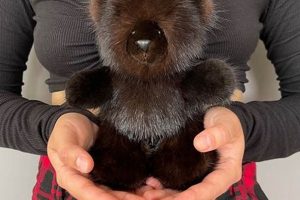
This dark, plush material, often composed of polyester or a polyester blend, is characterized by its soft, dense pile, resembling the fur of a teddy bear. Common applications include outerwear, blankets, and stuffed toys, prized for its warmth and tactile appeal. Variations exist, including different pile lengths and backing materials, influencing the drape and durability of the final product.
The popularity of this textile stems from its combination of comfort and visual appeal. Its insulating properties make it suitable for colder climates, while its luxurious texture adds a touch of elegance to various items. Historically, similar fabrics have been used for warmth and comfort, but modern manufacturing techniques have allowed for increased availability and affordability. This has broadened its use in fashion and home dcor, contributing to its enduring presence in contemporary design.
Further exploration will delve into the manufacturing process, care instructions, and diverse applications of this versatile material, offering a comprehensive understanding of its properties and potential.
Care and Usage Tips
Proper care and usage ensure the longevity and aesthetic appeal of this plush material. The following tips offer guidance on maintaining its quality:
Tip 1: Cleaning: Gentle machine washing on a cold, delicate cycle is recommended. Air drying is preferred to maintain the integrity of the fibers. Avoid harsh detergents and high heat, which can damage the pile and backing.
Tip 2: Storage: Store items in a cool, dry place away from direct sunlight and moisture. Folding is preferable to hanging to prevent stretching and distortion. Using breathable storage bags can further protect the fabric from dust and pests.
Tip 3: Stain Removal: Address spills promptly by blotting gently with a clean, damp cloth. Avoid rubbing, which can spread the stain. For stubborn stains, consult professional cleaning services specializing in delicate fabrics.
Tip 4: Avoiding Pilling: Occasional pilling is normal with this type of fabric. A fabric shaver or a lint roller can be used to gently remove pills and maintain a smooth surface.
Tip 5: Sewing: When sewing, use a sharp needle and a walking foot to prevent slippage. Choose a thread that complements the fabric’s color and weight. Test stitching on a scrap piece first to ensure proper tension and stitch length.
Tip 6: Ironing (if necessary): Use the lowest heat setting on your iron and a pressing cloth to protect the pile. Avoid direct contact with the iron, as this can melt or scorch the fibers.
Adhering to these guidelines will preserve the softness, color, and overall quality of this distinctive textile, ensuring long-lasting enjoyment.
By understanding the characteristics and proper care of this material, consumers can make informed decisions and fully appreciate its unique qualities. The following concluding remarks offer a final perspective on its value and versatility.
1. Softness

The defining characteristic of this material is its remarkable softness, a key factor contributing to its widespread popularity. This quality stems from the specific construction of the fabric and influences its suitability for various applications, from apparel to home furnishings.
- Fiber Composition
Typically composed of polyester or a polyester blend, the inherent softness of these fibers is amplified by the manufacturing process. The individual strands are spun and woven in a manner that creates a dense, plush pile, reminiscent of a teddy bear’s fur. This structure traps air, enhancing the perceived softness and contributing to its insulating properties.
- Pile Height and Density
The height and density of the pile directly impact the tactile experience. A higher, denser pile results in a luxuriously soft feel, while a shorter, less dense pile offers a smoother, more manageable texture. The specific pile characteristics are carefully engineered to achieve the desired level of softness for the intended application.
- Finishing Processes
Various finishing processes further enhance the fabric’s softness. These may include brushing, shearing, or chemical treatments that refine the texture and improve drape. Careful consideration of these processes ensures the final product meets the desired quality and performance standards.
- Perceived Comfort
The perception of softness is subjective, influenced by individual tactile sensitivity. However, the inherent qualities of this material, combined with careful manufacturing and finishing techniques, contribute to a universally appreciated sense of comfort and luxury. This perceived comfort drives its use in items designed for close contact with the skin, such as clothing, blankets, and plush toys.
The softness of this material is integral to its appeal and versatility. This quality, combined with other desirable properties such as warmth and durability, makes it a popular choice for a wide range of applications. Understanding the factors contributing to its softness allows for informed selection and appreciation of this distinctive textile.
2. Warmth
Thermal insulation is a key characteristic of this material, directly related to its construction. The dense pile traps air, creating a barrier that inhibits heat transfer. This trapped air, warmed by body heat, forms an insulating layer against colder external temperatures. The thickness and density of the pile directly influence the degree of warmth provided. A thicker, denser pile offers greater insulation, making it suitable for colder climates or outdoor activities. Conversely, a shorter, less dense pile provides a lighter layer of warmth, appropriate for milder conditions or indoor use. The color black, while not directly impacting the thermal properties, contributes to heat retention by absorbing radiant heat.
This inherent warmth makes the material suitable for a variety of applications where thermal comfort is paramount. Winter outerwear, including coats and jackets, benefits from its ability to retain body heat, providing protection against the elements. Blankets and throws crafted from this material offer cozy warmth during colder months. Its use in plush toys adds a comforting tactile element, appealing to children and adults alike. In the realm of home furnishings, it can be incorporated into upholstery and cushions, adding both warmth and visual appeal to interior spaces. The practical applications demonstrate its versatility and underscore the importance of warmth as a defining characteristic.
Understanding the relationship between the fabric’s construction and its thermal properties is crucial for selecting the appropriate material for specific needs and applications. Considerations include the anticipated temperature range, the desired level of warmth, and the intended use of the finished product. While the material inherently provides warmth, variations in pile length and density offer a range of insulation levels, allowing for adaptability and customization based on individual requirements and preferences. This adaptability contributes to its versatility and continued popularity in diverse applications.
3. Durability
Durability, a crucial factor influencing the lifespan and cost-effectiveness of any textile, is a key consideration for this material. Understanding the factors contributing to its durability informs appropriate usage and care practices, ensuring long-lasting performance and aesthetic appeal.
- Fiber Resilience
The inherent resilience of polyester fibers contributes significantly to the fabric’s durability. Polyester resists stretching, shrinking, and wrinkling, maintaining its shape and structure even after repeated use and washing. This resilience translates to a longer lifespan for items made from this material, reducing the need for frequent replacements.
- Construction Quality
The construction of the fabric, including the weaving technique and backing material, plays a vital role in its overall durability. Tightly woven fabrics with robust backing are more resistant to tearing, fraying, and pilling. High-quality construction ensures the material withstands the stresses of regular use, maintaining its integrity over time.
- Resistance to Abrasion
Resistance to abrasion is essential for items subjected to friction or rubbing. The dense pile of this material provides a degree of protection against abrasion, although the specific level of resistance varies depending on the pile height and density. Shorter, denser piles generally offer greater abrasion resistance, making them suitable for high-wear applications.
- Colorfastness
The deep black color of this material is often achieved through dyeing processes. The colorfastness, or resistance to fading, is an important aspect of durability. High-quality dyes and appropriate dyeing techniques ensure the color remains vibrant and consistent, even after exposure to sunlight, washing, or other environmental factors. This maintains the aesthetic appeal of the material over time.
The durability of this material is a complex interplay of fiber properties, construction techniques, and finishing processes. Understanding these factors allows consumers to make informed decisions regarding usage and care, maximizing the lifespan of items crafted from this versatile textile. Proper care, including gentle washing and appropriate storage, further enhances durability, contributing to the long-term value and enjoyment of this popular material.
4. Visual Appeal
Visual appeal significantly contributes to the widespread use of this material. The interplay of texture, color, and drape creates a distinctive aesthetic suitable for various applications, from fashion to interiors. Understanding these visual elements provides insight into its versatility and enduring popularity.
- Texture
The defining visual characteristic is its plush, textured surface. The dense pile creates a three-dimensional appearance that catches and reflects light, adding depth and visual interest. This tactile texture contributes to a perception of luxury and comfort, enhancing its appeal in clothing, accessories, and home furnishings.
- Color
The deep black hue offers a versatile backdrop, readily complementing various color palettes and design aesthetics. Black conveys a sense of sophistication and elegance, making it suitable for both formal and casual applications. Its neutral nature allows it to be paired with bolder colors or incorporated into monochromatic schemes.
- Drape
The drape, or how the fabric falls and folds, contributes to its visual appeal. The weight and structure of the material influence its drape, ranging from a fluid, flowing effect to a more structured, tailored appearance. The specific drape characteristics are carefully considered in garment design and construction, impacting the overall silhouette and aesthetic.
- Sheen
While not inherently shiny, the material can exhibit a subtle sheen depending on the lighting and the direction of the pile. This subtle sheen adds a touch of elegance and visual depth, enhancing its luxurious appeal. The interplay of light and shadow on the textured surface further contributes to its visual interest.
The visual appeal of this material is a result of the interplay of texture, color, drape, and sheen. These elements contribute to its versatility and adaptability in various applications, making it a popular choice for designers and consumers alike. The distinctive aesthetic qualities of the material, combined with its inherent softness and warmth, contribute to its enduring appeal in the fashion and home dcor industries.
5. Versatile Applications
The adaptability of this material across diverse applications underscores its value and enduring popularity. Its unique combination of properties, including softness, warmth, and visual appeal, allows for its incorporation into various products, spanning fashion, accessories, and home furnishings.
- Apparel
In the realm of apparel, this material finds extensive use in outerwear, particularly jackets and coats. Its inherent warmth provides effective insulation against colder temperatures, while its soft texture offers comfort and a luxurious feel. Its visual appeal contributes to stylish designs, ranging from casual wear to more formal attire.
- Accessories
The material’s tactile and visual qualities translate well into accessories. Hats, scarves, and gloves crafted from this fabric offer both warmth and style. Its plush texture adds a touch of luxury to these items, enhancing their overall appeal and providing a comforting tactile experience.
- Home Furnishings
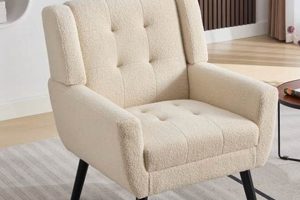
Within the context of home furnishings, this material contributes both comfort and aesthetic appeal. Blankets and throws provide cozy warmth, while its soft texture enhances relaxation. Its use in upholstery, cushions, and decorative pillows adds a touch of elegance and visual interest to interior spaces.
- Toys and Crafts
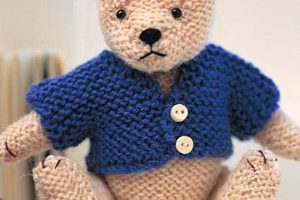
The soft, plush nature of this material makes it ideal for toys and crafts. Teddy bears and other stuffed animals benefit from its comforting texture and durability. Its versatility extends to craft projects, where it can be used to create a variety of decorative items, adding a unique tactile element.
The diverse applications of this material demonstrate its adaptability and enduring appeal. From fashion to home dcor, its unique combination of properties allows for its integration into a wide range of products, each benefiting from its softness, warmth, and visual appeal. This versatility ensures its continued relevance in the textile industry and its ongoing popularity among consumers.
6. Maintenance Requirements

Maintaining the appearance and longevity of black teddy fabric requires specific care practices. Neglecting these requirements can lead to premature wear, pilling, and a loss of the fabric’s characteristic softness. Regular maintenance preserves the plush texture and rich black color, ensuring the item remains aesthetically pleasing and functional over time. For example, improper washing techniques, such as using hot water or harsh detergents, can damage the delicate fibers, causing them to become matted or brittle. Similarly, neglecting to remove stains promptly can lead to permanent discoloration, diminishing the fabric’s visual appeal.
Appropriate maintenance practices involve gentle cleaning methods, typically machine washing on a delicate cycle with cold water and mild detergent. Air drying is often preferred to prevent shrinkage or damage from high heat. Storing the fabric correctly, away from direct sunlight and moisture, also contributes to its longevity. Addressing spills and stains promptly with appropriate cleaning techniques prevents them from setting and becoming permanent. These practices, while seemingly simple, are crucial for preserving the fabric’s desirable qualities. For instance, a black teddy bear, if frequently exposed to direct sunlight, may experience fading, losing its rich black color over time. Regular brushing or using a lint roller can minimize pilling and maintain the smooth, plush texture.
Understanding the specific maintenance requirements of black teddy fabric is essential for preserving its quality and extending its lifespan. Consistent adherence to recommended care practices safeguards the fabric’s softness, color, and overall aesthetic appeal. This proactive approach not only maintains the item’s appearance but also contributes to its long-term value and enjoyment. Failure to implement these practices can lead to irreversible damage, necessitating premature replacement. Therefore, proper maintenance is not merely a recommendation but a crucial aspect of owning and appreciating items made from this distinctive material.
7. Cost-Effectiveness

Cost-effectiveness, a crucial consideration for any consumer product, plays a significant role in the overall value proposition of black teddy fabric. Analyzing its cost-effectiveness requires evaluating its price relative to its performance, durability, and aesthetic qualities. This involves understanding the factors influencing production costs, the fabric’s lifespan, and its suitability for various applications. A comprehensive assessment considers both the initial purchase price and the long-term value derived from the material’s inherent properties and performance characteristics.
- Raw Material Costs
Polyester, the primary component of black teddy fabric, is a relatively inexpensive synthetic fiber. This contributes to the overall affordability of the material compared to natural fibers like wool or cashmere. Fluctuations in global polyester prices can impact the final cost of the fabric, but generally, its synthetic nature keeps production costs lower. This accessibility makes it a viable option for a wider consumer base, impacting its market penetration and widespread availability.
- Manufacturing Processes
The manufacturing processes involved in creating black teddy fabric, including weaving, dyeing, and finishing, influence its cost-effectiveness. Efficient production techniques and economies of scale can reduce manufacturing costs, making the fabric more accessible to consumers. Conversely, complex or specialized finishing processes can increase production costs, impacting the final retail price. The balance between manufacturing complexity and cost optimization plays a key role in determining the overall cost-effectiveness of the material.
- Durability and Lifespan
The durability of black teddy fabric directly impacts its long-term cost-effectiveness. A durable fabric resists wear and tear, maintaining its appearance and functionality over an extended period. This reduces the need for frequent replacements, ultimately saving consumers money. The inherent resilience of polyester fibers contributes to the fabric’s durability, enhancing its value proposition and making it a cost-effective choice for various applications.
- Maintenance Requirements
The relatively low maintenance requirements of black teddy fabric contribute to its cost-effectiveness. Its easy-care nature, often involving simple machine washing and air drying, minimizes cleaning expenses and prolongs the fabric’s lifespan. This reduces the overall cost of ownership, making it an attractive option for budget-conscious consumers. Easy maintenance also minimizes the time and effort required for upkeep, further enhancing its value.
Assessing the cost-effectiveness of black teddy fabric requires a holistic approach, considering raw material costs, manufacturing processes, durability, maintenance requirements, and its performance in various applications. While the initial purchase price is a factor, the long-term value derived from its durability, ease of maintenance, and versatile applications contributes significantly to its overall cost-effectiveness. This balance of factors positions black teddy fabric as a viable and often economical choice for a range of consumer products.
Frequently Asked Questions
This section addresses common inquiries regarding black teddy fabric, providing concise and informative responses to clarify potential uncertainties and misconceptions.
Question 1: Is black teddy fabric suitable for sensitive skin?
Generally, polyester, the primary component of this fabric, is considered hypoallergenic and suitable for most individuals. However, individual sensitivities vary. Testing a small swatch against the skin before prolonged contact is recommended for those with known sensitivities.
Question 2: Does black teddy fabric shed?
Some shedding, particularly initially, is normal. Gentle washing and air drying can minimize shedding. Regular brushing or using a lint roller can remove loose fibers.
Question 3: How does one prevent pilling on black teddy fabric?
While some pilling is inevitable with normal wear, gentle washing, air drying, and avoiding harsh rubbing can minimize its occurrence. A fabric shaver can remove pills without damaging the fabric.
Question 4: Is black teddy fabric prone to fading?
High-quality black teddy fabric typically exhibits good colorfastness. However, prolonged exposure to direct sunlight can cause some fading over time. Washing inside out and air drying can help preserve the color.
Question 5: Can black teddy fabric be dry cleaned?
While generally machine washable, dry cleaning is an option. Consult a professional cleaner specializing in delicate fabrics to ensure appropriate handling and prevent damage.
Question 6: What is the typical lifespan of black teddy fabric?
Lifespan varies depending on usage, care, and quality. Proper care and maintenance can significantly extend the lifespan, ensuring long-lasting enjoyment of items made from this fabric.
Addressing these common questions provides a clearer understanding of black teddy fabric’s characteristics and care requirements. Informed selection and appropriate maintenance practices contribute significantly to the long-term enjoyment and value of this versatile material.
For further inquiries or specific concerns not addressed here, consulting textile experts or manufacturers can provide additional information and guidance.
Black Teddy Fabric
This exploration of black teddy fabric has provided a detailed analysis of its characteristics, encompassing its softness, warmth, durability, and visual appeal. The versatility of this material, evident in its diverse applications across fashion, accessories, and home furnishings, underscores its enduring popularity. Proper maintenance, including gentle washing and careful storage, ensures the longevity of this distinctive textile, preserving its desirable properties and maximizing its lifespan. Understanding the factors influencing its cost-effectiveness allows for informed consumer decisions, highlighting the balance between price, performance, and durability.
The enduring appeal of black teddy fabric lies in its unique combination of comfort, aesthetic appeal, and practicality. Its softness and warmth provide a comforting tactile experience, while its rich black color offers a versatile and stylish aesthetic. The material’s durability and ease of maintenance contribute to its long-term value, making it a sustainable and cost-effective choice. Continued innovation in textile manufacturing promises further advancements in the development and application of black teddy fabric, ensuring its continued relevance in the ever-evolving world of textiles.