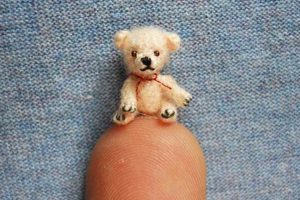
These are not ordinary playthings, but rather meticulously crafted bears, often limited editions or antique pieces, prized for their rarity, historical significance, or artistic merit. Examples include Steiff bears with their distinctive button-in-ear, early Ideal teddy bears, and those produced by renowned artists.
Acquiring such bears often goes beyond simple ownership. It represents an investment, a connection to history, and a dedication to preserving craftsmanship. Historically, teddy bears emerged in the early 20th century, quickly evolving from children’s toys to cherished collectibles, reflecting changing societal values and artistic trends. This legacy continues to drive a thriving market and dedicated community.
Further exploration will delve into identifying valuable specimens, understanding market trends, proper care and preservation techniques, and the cultural impact of these treasured objects.
Tips for Acquiring and Caring for Valuable Bears
Preserving the value and historical significance of these treasured objects requires careful consideration and informed decisions. The following tips offer guidance for both seasoned collectors and those new to the field.
Tip 1: Authentication is Paramount: Always verify a bear’s provenance and authenticity. Reputable dealers and auction houses offer certificates of authenticity, adding to a bear’s value and assuring its legitimacy.
Tip 2: Condition is Key: Assess the bear’s overall condition, noting any repairs, wear, or missing parts. Original condition often commands a higher value.
Tip 3: Research Thoroughly: Understand the specific makers, historical periods, and materials used. This knowledge is crucial for making informed purchasing decisions.
Tip 4: Proper Storage is Essential: Protect bears from direct sunlight, extreme temperatures, and humidity. Acid-free archival materials and dedicated display cases are recommended.
Tip 5: Handle with Care: Avoid excessive handling, which can lead to wear and tear. When handling is necessary, support the bear’s body fully.
Tip 6: Seek Professional Advice: Consult with experienced collectors or appraisers when making significant purchases or unsure about a bear’s value or authenticity.
Tip 7: Document Everything: Maintain detailed records of each bear, including provenance, purchase price, and any restoration work. This documentation adds value and assists with insurance claims.
By following these guidelines, one ensures the preservation of these unique objects, contributing to their historical legacy and enduring appeal. These practices safeguard not only the individual pieces but also the rich cultural heritage they represent.
This guidance provides a solid foundation for embarking upon or enhancing one’s collecting journey. The following conclusion will reiterate the importance of these practices and offer additional resources for further exploration.
1. Rarity
Rarity significantly impacts the desirability and value of collector teddy bears. A limited production run, a unique design feature, or historical circumstances can contribute to a bear’s rarity. This scarcity creates demand among collectors, driving prices upward. For instance, Steiff bears produced for a specific event or featuring unusual materials often command high prices due to their limited availability. Similarly, antique bears surviving in excellent condition are inherently rare due to the passage of time and the fragility of the materials. The connection between rarity and value is a fundamental principle within the collector teddy bear market.
Understanding the factors contributing to rarity enables collectors to make informed decisions. Bears produced in small numbers, possessing unique characteristics, or associated with significant historical events are often considered more valuable. Examples include prototype bears, special edition releases commemorating anniversaries, or bears incorporating unique materials or design elements. Recognizing these attributes allows collectors to identify potentially valuable additions to their collections and understand market trends.
The pursuit of rare teddy bears presents challenges. Authentication becomes crucial, as rarity increases the risk of counterfeits. Thorough research and reliance on reputable sources are essential. Furthermore, the high cost of rare bears can create barriers to entry for some collectors. Despite these challenges, the allure of owning a rare and historically significant piece continues to drive the collector teddy bear market. The careful consideration of rarity, combined with diligent research and an understanding of market dynamics, allows collectors to navigate this specialized field effectively.
2. Provenance

Provenance, the documented history of an object’s ownership, plays a crucial role in establishing the authenticity and value of collector teddy bears. A clear and well-documented provenance significantly enhances a bear’s desirability within the collecting community. This documented history provides a verifiable chain of ownership, tracing the bear’s journey from its creation to its current owner. Understanding the components of provenance is essential for both seasoned collectors and those new to the field.
- Ownership History:
A comprehensive record of previous owners, ideally dating back to the bear’s origin, forms the core of provenance. This record might include purchase receipts, auction records, or letters of provenance. A continuous and unbroken chain of ownership adds to the bear’s value and authenticity. For instance, a Steiff bear with documented ownership tracing back to its original purchase provides a compelling narrative and reinforces its historical significance. Gaps in ownership history, while not necessarily disqualifying, can raise questions and potentially impact value.
- Supporting Documentation:
Beyond ownership records, supporting documentation strengthens a bear’s provenance. Original purchase tags, manufacturer’s certificates, restoration records, or exhibition histories provide additional evidence of authenticity and historical context. Photographs of the bear throughout its history, especially if depicted with previous owners, can further enhance its provenance. For example, a bear with a documented history of exhibition in a prestigious museum adds to its desirability and market value.
- Authenticity Verification:
Provenance serves as a critical tool for verifying a bear’s authenticity. A well-documented provenance helps to distinguish genuine pieces from counterfeits or replicas, which can be prevalent in the collector teddy bear market. Reputable auction houses and dealers often research and verify provenance before offering a bear for sale, providing an added layer of assurance for collectors. The ability to trace a bear’s history back to its origin significantly reduces the risk of acquiring a fraudulent piece.
- Impact on Value:
A strong and well-documented provenance directly impacts a collector teddy bear’s value. Bears with verifiable histories and supporting documentation generally command higher prices than those with incomplete or questionable provenance. This increased value reflects the added assurance of authenticity, historical context, and the narrative that a clear provenance provides. For instance, a bear with documented ownership by a prominent historical figure can significantly increase its value beyond its inherent qualities as a collectible object.
These interconnected facets of provenance contribute to the overall value and desirability of collector teddy bears. A thorough understanding of provenance allows collectors to make informed decisions, safeguard their investments, and appreciate the historical significance embedded within these treasured objects. By emphasizing provenance, collectors contribute to the preservation of not only individual pieces but also the rich history and cultural legacy surrounding collector teddy bears.
3. Condition
Condition stands as a pivotal factor influencing the value and desirability of collector teddy bears. A comprehensive understanding of condition assessment allows collectors to make informed decisions, preserving the integrity of their collections and ensuring long-term value appreciation. The following facets of condition warrant careful consideration.
- Wear and Tear:
The passage of time and handling inevitably leave their mark. Minor wear, such as slight thinning of mohair or small seam separations, is often acceptable, particularly in antique bears. However, significant wear, including large tears, substantial hair loss, or extensive seam damage, detracts from value. A Steiff bear with its original mohair largely intact, despite some minor thinning, might still be considered highly collectible, whereas one with significant balding or large tears would be less desirable. Evaluating wear and tear requires careful observation and consideration of the bear’s age and history.
- Repairs and Restoration:
Prior repairs or restoration efforts can impact value, depending on their extent and quality. Professionally executed repairs using appropriate materials and techniques can be acceptable, sometimes even enhancing value by preserving the bear’s integrity. Conversely, poorly executed repairs or the use of inappropriate materials can diminish value. A vintage bear with a professionally re-stitched seam using period-correct thread might retain its value, while one with crudely patched tears using modern materials would likely be less desirable. Transparency regarding repairs is crucial for ethical collecting practices.
- Original Components:
Retaining original components, such as eyes, nose, and paw pads, significantly contributes to a bear’s value. Replacements, even if skillfully done, diminish originality and desirability. A bear with its original glass eyes and stitched nose retains historical integrity and collector appeal, while one with replaced plastic eyes and a glued-on nose loses some of its intrinsic value. Maintaining original components is essential for preserving a bear’s authenticity and historical context.
- Cleanliness:
While gentle cleaning can enhance a bear’s appearance, excessive or improper cleaning can be detrimental. Harsh chemicals or abrasive cleaning methods can damage delicate materials, diminishing value. Surface dust can often be removed with careful brushing, but deep cleaning or stain removal is best left to professional conservators. A well-preserved bear with minor surface dust might benefit from careful cleaning, but attempting to remove ingrained stains with harsh chemicals could cause irreversible damage and significantly reduce its value.
These interconnected aspects of condition contribute significantly to a collector teddy bear’s overall assessment. A thorough evaluation of condition, coupled with an understanding of historical context and market trends, allows collectors to appreciate the nuances of preservation and make informed acquisitions. Prioritizing condition contributes not only to the preservation of individual bears but also to the long-term health and integrity of the collector teddy bear market.
4. Maker
The maker of a teddy bear holds immense significance within the realm of collecting. A bear’s maker often dictates its value, collectability, and historical relevance. From established manufacturers like Steiff and Ideal to independent artisans, the maker’s identity shapes the narrative and desirability of these cherished objects. Understanding the role of the maker is crucial for navigating the complexities of the collector teddy bear market.
- Brand Recognition:
Established brands, particularly Steiff, carry significant weight among collectors. The Steiff “button-in-ear” trademark symbolizes quality, craftsmanship, and a rich history, commanding premium prices. Other renowned makers, such as Ideal, Hermann, and Merrythought, also hold strong brand recognition and attract dedicated collectors. Brand recognition often translates to higher market values and increased demand, particularly for vintage or limited-edition pieces. A Steiff bear, even in less-than-perfect condition, often commands a higher price than a comparable bear from a lesser-known maker due to the brand’s established reputation and historical significance.
- Craftsmanship and Quality:
The maker’s commitment to craftsmanship and quality directly impacts a bear’s value and longevity. Makers known for using high-quality materials, meticulous construction techniques, and attention to detail often produce bears that hold their value over time. Hand-stitched seams, carefully chosen fabrics, and meticulously crafted facial features distinguish high-quality bears from mass-produced counterparts. A hand-crafted bear from a skilled artisan, using premium mohair and intricate embroidery, might hold its value or even appreciate over time, while a mass-produced bear using synthetic materials and machine stitching might depreciate.
- Historical Significance:
Certain makers represent specific periods in teddy bear history, adding another layer of collectability. Early makers, like Steiff and Ideal, played a pivotal role in shaping the teddy bear’s evolution, and their early productions are highly sought after by collectors. These bears offer a tangible link to the past, representing the craftsmanship and design aesthetics of their respective eras. An early Steiff bear from the early 20th century, representing the company’s pioneering work in teddy bear design, holds significant historical value and collector appeal, connecting the owner to a specific era in teddy bear history.
- Limited Editions and Artist Bears:
Many makers produce limited-edition bears or collaborate with artists, creating unique and highly collectible pieces. These limited runs or artist collaborations often feature innovative designs, specialized materials, or commemorative themes, increasing their desirability among collectors. A limited-edition Steiff bear commemorating a historical event or designed by a renowned artist commands a premium price due to its scarcity and artistic merit. These collaborations often blend traditional craftsmanship with contemporary artistic expression, attracting a diverse range of collectors.
These interconnected facets demonstrate the profound influence of the maker on the collector teddy bear market. Understanding the maker’s reputation, craftsmanship, historical significance, and approach to limited editions and artist collaborations provides collectors with valuable insights. This knowledge allows for informed decisions, contributing to the preservation of these cherished objects and the continued appreciation of their historical and artistic significance. The maker, therefore, serves as a cornerstone in the world of collector teddy bears, shaping their value, desirability, and enduring appeal.
5. Materials

Materials constitute a critical aspect of collector teddy bears, significantly influencing their value, desirability, and historical context. From the earliest mohair and straw-filled bears to contemporary artist creations using synthetic plush, the materials employed reflect evolving manufacturing processes, artistic trends, and collector preferences. Understanding the nuances of materials is essential for discerning collectors seeking to build valuable and historically significant collections.
- Mohair:
Mohair, a luxurious fabric derived from the Angora goat, represents a hallmark of high-quality teddy bears, particularly those produced by renowned manufacturers like Steiff. Its soft texture, durability, and ability to hold dye well make it a prized material among collectors. Early Steiff bears, crafted from dense, high-quality mohair, often command premium prices due to the material’s inherent quality and historical significance. The variations in mohair quality, from shorter, coarser fibers to long, luxurious piles, also influence a bear’s value and desirability.
- Synthetic Plush:
The development of synthetic plush materials, particularly in the mid-20th century, broadened the teddy bear market. While often less expensive than mohair, certain synthetic plushes achieved popularity and are now sought after by collectors. Bears made from early synthetic plush materials, particularly those with unique textures or colors, can hold significant value, especially if produced by established manufacturers or representing specific historical periods. The durability and affordability of synthetic plush allowed for wider teddy bear ownership, contributing to their enduring popularity.
- Stuffing:
The stuffing used within a teddy bear contributes not only to its shape and feel but also to its historical context. Early bears were often stuffed with excelsior (wood wool), straw, or kapok, while later bears utilized cotton or synthetic fillings. The type of stuffing can help date a bear and provide insight into manufacturing practices of specific eras. A vintage bear with excelsior stuffing offers a tangible connection to early teddy bear production, while a modern bear with synthetic filling reflects contemporary manufacturing techniques.
- Eyes and Noses:
The materials used for a bear’s eyes and nose significantly impact its character and value. Early bears often featured shoe-button eyes, glass eyes, or embroidered eyes, while noses were typically stitched or made from celluloid or other early plastics. The presence of original components, particularly glass eyes or early plastic noses, enhances a bear’s authenticity and value. Replacements, especially with modern materials, can detract from a bear’s historical integrity and collector appeal.
These facets of materials contribute significantly to the overall appraisal and appreciation of collector teddy bears. The careful selection of materials, combined with skilled craftsmanship and historical context, shapes the narrative and value of these treasured objects. By understanding the nuances of materials, collectors gain a deeper appreciation for the artistry, history, and enduring appeal of collector teddy bears. Furthermore, this knowledge equips collectors to make informed decisions, preserving the integrity of their collections and contributing to the continued appreciation of these cherished objects.
6. Historical Period

The historical period of a teddy bear’s creation significantly impacts its value and collectability. Distinct eras offer unique characteristics in design, materials, and manufacturing techniques. These attributes provide collectors with insights into societal trends, technological advancements, and artistic movements reflected in these cherished objects. The connection between historical period and collector teddy bears offers a fascinating lens through which to examine cultural and industrial evolution. For instance, bears produced during the early 20th century often feature simpler designs, mohair fabric, and straw or excelsior stuffing, reflecting the manufacturing limitations and aesthetic preferences of the time. Conversely, mid-century bears might showcase synthetic plush materials and more complex designs, mirroring advancements in manufacturing processes and changing stylistic trends. The historical period, therefore, provides a crucial framework for understanding a bear’s origins and significance within the broader context of teddy bear history.
Examining specific historical periods reveals distinct characteristics valuable to collectors. Bears from the pre-World War I era often exhibit simpler designs and materials, reflecting the nascent stages of teddy bear production. The post-war period witnessed a surge in popularity and innovation, with manufacturers like Steiff introducing new materials and more elaborate designs. The mid-20th century brought the rise of synthetic plush and mass production, leading to a wider range of teddy bear styles and affordability. Furthermore, specific historical events, such as wartime shortages or economic depressions, can influence the materials and production methods used, creating unique characteristics sought after by collectors. Understanding these historical nuances allows collectors to appreciate the specific context surrounding a bear’s creation and recognize its place within the broader historical narrative.
Connecting a teddy bear to its historical period requires careful examination and research. Analyzing materials, construction techniques, design features, and manufacturer markings assists in determining a bear’s age and provenance. Consulting historical resources, such as manufacturer catalogs, period photographs, and expert appraisals, further strengthens this process. Identifying a bear’s historical period provides crucial context for understanding its value, rarity, and cultural significance. Moreover, this historical awareness allows collectors to build collections that represent specific eras or thematic interests, enhancing the overall depth and richness of their collections. This understanding of historical context enriches the collecting experience, transforming individual bears into tangible representations of specific historical moments and cultural trends.
7. Artistic Merit

Artistic merit elevates collector teddy bears beyond mere playthings, transforming them into cherished objects of art. While traditional craftsmanship remains highly valued, artistic merit introduces additional layers of creativity, innovation, and emotional resonance, significantly impacting a bear’s desirability and value within the collecting community. This exploration delves into the key facets of artistic merit, examining their influence on the perception and appreciation of collector teddy bears.
- Design Innovation:
Innovative designs distinguish exceptional collector teddy bears. This can manifest in unique body shapes, unconventional poses, or imaginative embellishments. For example, a bear designed with articulated joints, allowing for a range of expressive poses, demonstrates artistic innovation beyond traditional teddy bear design. Similarly, a bear incorporating unusual materials or textures, such as hand-painted details or intricately embroidered features, showcases artistic creativity and elevates its aesthetic appeal. Design innovation often challenges conventional notions of what a teddy bear can be, pushing the boundaries of traditional craftsmanship and capturing the attention of discerning collectors.
- Emotional Evocation:
The ability to evoke emotion sets exceptional teddy bears apart. Whether through expressive facial features, carefully chosen accessories, or a unique character conveyed through design, these bears resonate with collectors on a deeper level. A bear with melancholic eyes and a slightly downturned mouth might evoke feelings of empathy and tenderness, while a bear dressed in miniature period clothing might spark nostalgia and historical connection. This emotional resonance transforms the bear from a decorative object into a companion, enhancing its value and personal significance for the collector.
- Limited Editions and Artist Collaborations:
Limited edition releases and collaborations with artists introduce exclusivity and heightened artistic expression. These collaborations often feature unique design elements, specialized materials, or commemorative themes, increasing their desirability among collectors. A bear designed by a renowned artist, incorporating their signature style and artistic vision, becomes more than just a collectible; it represents a piece of art. Similarly, a limited-edition bear commemorating a specific historical event or cultural movement gains added significance and collector appeal. These collaborations often blend traditional teddy bear craftsmanship with contemporary artistic expression, attracting a diverse range of collectors.
- Craftsmanship and Attention to Detail:
While inherent in traditional teddy bear craftsmanship, artistic merit elevates the level of detail and execution. Meticulously hand-stitched seams, carefully sculpted facial features, and the use of high-quality materials demonstrate a commitment to artistic excellence. A bear with hand-embroidered details, meticulously applied airbrushing, or individually crafted accessories exemplifies the dedication to craftsmanship that distinguishes artistic merit. This attention to detail not only enhances the bear’s aesthetic appeal but also reflects the artist’s skill and passion, increasing its value and desirability among discerning collectors.
These interconnected facets of artistic merit contribute significantly to the value and appreciation of collector teddy bears. By recognizing and valuing artistic expression, collectors elevate these objects beyond mere playthings, transforming them into cherished works of art. This appreciation for artistic merit enriches the collecting experience, fostering a deeper connection between the collector and the object, and ensuring the continued legacy of these treasured companions.
Frequently Asked Questions about Collector Teddy Bears
This section addresses common inquiries regarding the acquisition, care, and valuation of collector teddy bears, providing clarity for both seasoned collectors and those new to the field.
Question 1: How does one determine the value of a collector teddy bear?
Several factors influence value, including maker, age, rarity, condition, materials, and provenance. Consulting price guides, auction records, and reputable appraisers provides valuable insights.
Question 2: What are the most sought-after teddy bear makers?
Steiff, renowned for its “button-in-ear” trademark, remains highly sought after. Other notable makers include Ideal, Hermann, and Merrythought. Bears from these manufacturers, particularly early or limited-edition pieces, often command premium prices.
Question 3: How should collector teddy bears be stored to ensure preservation?
Storage in a cool, dry, and dark environment is crucial. Avoid direct sunlight, extreme temperatures, and humidity. Acid-free archival materials and dedicated display cases are recommended to protect against environmental damage and deterioration.
Question 4: What are the key considerations when purchasing a vintage teddy bear?
Authenticity, condition, and provenance are paramount. Thorough research, including examination of manufacturer markings, materials, and construction techniques, helps to verify authenticity. A clear and well-documented provenance adds value and assures legitimacy.
Question 5: Where are reputable sources for acquiring collector teddy bears?
Reputable auction houses, established dealers specializing in antique toys, and online marketplaces with seller verification systems are recommended sources. These sources often provide certificates of authenticity and detailed descriptions, enhancing buyer confidence.
Question 6: What are the ethical considerations within the collector teddy bear market?
Transparency regarding a bear’s condition, provenance, and any restoration work is essential. Reputable collectors and dealers prioritize ethical practices, fostering trust and transparency within the market. Due diligence and careful research help to avoid fraudulent or misrepresented items.
Careful consideration of these factors allows for informed decisions and responsible collecting practices, contributing to the preservation of these treasured objects and the integrity of the collector teddy bear market.
The following section delves into the rich history of teddy bears, tracing their evolution from children’s playthings to cherished collectibles.
Collector Teddy Bears
This exploration has delved into the multifaceted world of collector teddy bears, examining the factors that contribute to their enduring appeal and significant value. From the meticulous craftsmanship and historical context to the rarity and artistic merit of these cherished objects, the journey through the world of collecting reveals a rich tapestry of history, artistry, and emotional connection. Key considerations such as provenance, condition, materials, maker, and historical period underscore the importance of informed collecting practices and the preservation of these treasured artifacts.
Collector teddy bears represent more than mere playthings; they embody tangible links to the past, testaments to artistic expression, and enduring symbols of comfort and companionship. The careful study and appreciation of these objects contribute to a deeper understanding of cultural history, artistic evolution, and the enduring human fascination with objects that evoke emotion and inspire connection. Preserving these objects safeguards not only individual pieces but also the rich cultural heritage they represent, ensuring their continued legacy for generations to come.