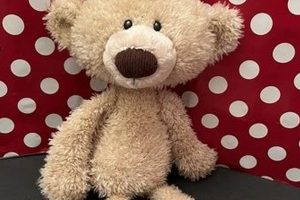
Handcrafted bears, often designed and produced by individual artisans or small studios, represent a unique segment of the toy and collectibles market. These creations can range from one-of-a-kind, highly detailed art pieces intended for display, to limited-edition, collectible toys with distinctive characteristics. They are typically made with high-quality materials, demonstrating meticulous craftsmanship and attention to detail, such as hand-stitching, carefully selected fabrics, and expressive facial features.
The value of these handcrafted toys extends beyond their aesthetic appeal. They can embody artistic expression, represent a cultural heritage or specific artistic style, and offer a connection to the creator’s vision. Furthermore, they can serve as cherished heirlooms, personalized gifts, or investments for collectors. Historically, handmade toys predate mass-produced alternatives, holding a special place in the history of playthings and reflecting the evolution of craft traditions.
This exploration will delve into the world of handcrafted bears, examining various artistic approaches, the materials and techniques employed in their creation, and their significance within the broader context of art, craft, and collecting.
Tips for Selecting Handcrafted Bears
Acquiring handcrafted bears, whether for personal enjoyment or as an investment, requires careful consideration. The following tips offer guidance for navigating the selection process.
Tip 1: Research the Artist: Understanding an artist’s background, style, and previous work provides valuable insights into the quality and potential value of their creations. Look for established reputations, participation in exhibitions, and recognition within the artistic community.
Tip 2: Evaluate Materials and Construction: High-quality materials, such as mohair, alpaca, or fine synthetics, contribute to the longevity and aesthetic appeal of the piece. Examine stitching, joint construction, and overall craftsmanship for durability and attention to detail.
Tip 3: Consider Design and Artistic Merit: Assess the originality and artistic expression conveyed through the bear’s design. Look for unique facial features, expressive posing, and innovative use of materials and techniques.
Tip 4: Determine the Purpose of Acquisition: Clarify whether the bear is intended for display, play, or as a collectible investment. This will influence the selection criteria, focusing on factors such as durability, artistic value, or limited-edition status.
Tip 5: Verify Authenticity and Provenance: If purchasing a valuable or limited-edition piece, ensure its authenticity through certificates of authenticity, artist signatures, or reputable dealers.
Tip 6: Assess Condition and Care Requirements: Carefully examine the bear for any damage or imperfections. Understand the recommended care instructions to maintain its condition over time.
Tip 7: Set a Budget and Compare Prices: Establish a budget before beginning the search. Research comparable pieces to ensure fair market value and avoid overpaying.
By following these guidelines, collectors and enthusiasts can make informed decisions, acquire pieces that align with their preferences, and appreciate the artistry and craftsmanship inherent in these unique creations.
This information provides a foundation for making well-considered acquisitions and fosters a deeper appreciation for the artistry of handcrafted bears.
1. Handmade

The “handmade” designation represents a crucial distinction for artist teddy bears, setting them apart from mass-produced counterparts. This hands-on approach allows artisans to imbue each creation with individuality and character, resulting in unique, one-of-a-kind pieces. The handmade process influences every stage of creation, from the initial design concept and pattern cutting to the meticulous stitching, stuffing, and finishing touches. This direct involvement allows for spontaneous artistic decisions and adjustments, fostering a deep connection between the artist and the final product. For example, an artist might choose to subtly alter the angle of a stitched smile or the position of an ear, adding a touch of personality that would be impossible to replicate in a factory setting. This emphasis on individual craftsmanship contributes significantly to the perceived value and artistic merit of these bears.
The impact of the handmade process extends beyond aesthetics. It often involves the use of traditional techniques passed down through generations, preserving craft heritage and skills. Hand-stitching, for instance, not only offers greater control over the final form but also imbues the piece with a tactile quality absent in machine-sewn items. Furthermore, the selection of materials, often high-quality natural fibers like mohair or alpaca, reflects a commitment to craftsmanship and longevity. These materials, combined with meticulous handwork, contribute to the heirloom quality of artist teddy bears, ensuring they can be treasured for years to come. Artists may also incorporate antique or reclaimed materials, adding historical depth and narrative to their creations.
Recognizing the significance of the “handmade” aspect is essential for appreciating the artistry and value of these bears. It provides insight into the time, skill, and dedication invested in each piece. This understanding can inform collecting decisions, enabling discerning collectors to identify exceptional craftsmanship and unique artistic expression. The inherent imperfections and subtle variations inherent in handmade objects further enhance their appeal, adding to their charm and individuality. Ultimately, the “handmade” characteristic lies at the heart of what defines artist teddy bears, distinguishing them as unique works of art rather than mere toys.
2. Collectible

The collectibility of artist teddy bears stems from several interconnected factors, including limited production runs, unique artistic designs, high-quality materials, and the reputation of the artist. Limited availability creates inherent desirability, driving demand among collectors. An artist’s established reputation or a bear’s association with a particular historical period or artistic movement can significantly enhance its collectible value. For example, bears created by renowned artists like R. John Wright are highly sought after by collectors, often appreciating in value over time. Similarly, bears crafted using antique fabrics or incorporating historical design elements can hold significant appeal for collectors specializing in specific eras. The use of premium materials, such as mohair or alpaca, contributes to both the aesthetic appeal and the long-term preservation of these collectible items.
Understanding the factors that contribute to collectibility provides valuable insights for both seasoned collectors and those new to the field. Recognizing the hallmarks of quality craftsmanship, researching an artist’s background and previous work, and understanding market trends can inform purchasing decisions and ensure the acquisition of pieces with strong investment potential. Collectors often focus on specific artists, styles, or themes, building curated collections that reflect their individual interests and aesthetic preferences. Actively participating in online forums, attending teddy bear shows and conventions, and engaging with reputable dealers provides opportunities to connect with other collectors, share knowledge, and discover rare or sought-after pieces. Documentation, such as certificates of authenticity and artist signatures, plays a crucial role in verifying the provenance and authenticity of collectible bears, further contributing to their value.
The intersection of artistry and collectibility creates a dynamic market for artist teddy bears, driven by passion, aesthetic appreciation, and investment potential. The inherent scarcity, unique artistic expression, and high-quality craftsmanship elevate these creations beyond mere playthings, transforming them into treasured collectibles that can appreciate in value over time. Careful research and a discerning eye are essential for navigating this specialized market and building a collection of enduring value and artistic merit. The collectible nature of these bears underscores their significance as tangible representations of artistic skill and creative vision.
3. Artistic Expression

Artist teddy bears serve as a unique medium for artistic expression, transcending their functional role as toys to become tangible embodiments of creative vision. The handcrafted nature of these bears allows artists to imbue each creation with individuality and personality, reflecting specific artistic styles, narratives, or emotional themes. The selection of materials, from the texture of the fur to the intricate details of the facial features, contributes to the overall artistic statement. For example, an artist might use distressed fabrics and antique buttons to evoke a sense of nostalgia and history, while another might employ vibrant colors and bold patterns to convey a playful and contemporary aesthetic. Artists often draw inspiration from various sources, including literature, folklore, personal experiences, and the natural world, transforming these influences into tangible forms through the medium of the teddy bear. The meticulous process of hand-stitching, sculpting, and assembling each bear allows for subtle nuances and expressive details that would be impossible to achieve through mass production.
The inherent three-dimensionality of artist teddy bears offers a distinct advantage over two-dimensional art forms, allowing for a more immersive and interactive experience. The tactile nature of the materials invites engagement, encouraging viewers to connect with the artwork on a physical and emotional level. Furthermore, the scale and portability of these creations allow for greater accessibility, enabling artists to share their work with a wider audience. Artist teddy bears can be displayed in galleries, exhibited at specialized shows and conventions, or shared within online communities, fostering connections between artists, collectors, and enthusiasts. The use of traditional techniques, combined with innovative approaches to design and materials, demonstrates the ongoing evolution of this unique art form. Contemporary artists continue to push the boundaries of the medium, exploring new ways to express themselves through the creation of these handcrafted companions.
Appreciating artist teddy bears as a form of artistic expression provides a deeper understanding of the creative process and the artist’s intent. Recognizing the symbolism, narrative elements, and emotional resonance embedded within these creations enhances the viewer’s experience and fosters a greater appreciation for the artistry involved. The ability of artist teddy bears to evoke memories, spark imagination, and convey complex emotions solidifies their position as significant and enduring works of art. Furthermore, this understanding supports the preservation of traditional craft skills and encourages the continued exploration of innovative artistic approaches within the medium. Ultimately, the artistic expression embodied in these handcrafted bears contributes to the rich tapestry of human creativity and offers a unique lens through which to explore the world around us.
4. High-quality Materials

The use of high-quality materials is integral to the creation of artist teddy bears, distinguishing them from mass-produced toys and contributing significantly to their aesthetic appeal, longevity, and collectible value. Material selection reflects an artist’s commitment to craftsmanship and influences the overall artistic expression of the piece.
- Mohair
Mohair, derived from the Angora goat, is a luxurious and durable natural fiber prized for its softness, luster, and dye receptivity. Its unique texture allows for subtle shading and detailing, enhancing the realism and expressiveness of the bear’s features. The use of mohair often signifies a higher level of craftsmanship and contributes to the long-term value of the piece.
- Alpaca
Alpaca fleece, known for its softness, warmth, and hypoallergenic properties, offers a luxurious alternative to mohair. Its fine texture and natural sheen create a distinctive appearance, lending an elegant touch to handcrafted bears. Alpaca’s durability ensures that the bear remains a cherished heirloom for generations.
- Synthetic Plush
While natural fibers like mohair and alpaca are traditionally favored, high-quality synthetic plush fabrics offer a wider range of colors and textures, expanding creative possibilities. Modern synthetic plush materials are designed for durability and softness, providing a viable alternative for artists exploring contemporary designs or catering to specific collector preferences.
- Fillings and Internal Components
The choice of filling materials, such as wool, polyester fiberfill, or excelsior wood shavings, impacts the bear’s weight, shape, and poseability. Internal armatures, often crafted from steel or wire, provide structural support and allow for articulated limbs, enabling artists to create dynamic and expressive poses. Careful consideration of these internal components ensures the bear’s stability and long-term durability.
The selection of high-quality materials extends beyond the bear’s exterior. Glass or hand-painted eyes, embroidered details, and carefully chosen accessories, such as antique buttons or hand-knitted clothing, contribute to the overall artistic composition and enhance the collectible value. This attention to detail and commitment to using premium materials reflects the artist’s dedication to craftsmanship and elevates the artist teddy bear from a simple plaything to a work of art.
5. Unique Designs
Unique designs constitute a cornerstone of artist teddy bears, differentiating them from mass-produced toys and establishing their status as individual works of art. This uniqueness stems from several factors, including the artist’s individual creative vision, handcrafted production methods, and the incorporation of distinctive design elements. The absence of standardized manufacturing processes allows for spontaneous creative decisions, resulting in variations in facial features, body proportions, and overall aesthetic. An artist might choose to emphasize realism, capturing the nuances of a particular bear species, or explore whimsical interpretations, imbuing their creations with fantastical elements. The design process often involves extensive sketching, prototyping, and experimentation with materials and techniques, reflecting a deep engagement with the creative process. For example, an artist might develop a signature style of hand-stitching or employ unconventional materials, such as vintage textiles or repurposed objects, to create a distinctive aesthetic. The integration of personal narratives, cultural influences, or historical references further enhances the uniqueness of each design, transforming the teddy bear into a storytelling medium. Consider the work of artists like Deb Canham, whose designs often incorporate intricate costuming and accessories, reflecting historical periods or literary characters.
The emphasis on unique designs has practical implications for both artists and collectors. For artists, it allows for greater creative freedom and the opportunity to develop a recognizable artistic identity. This individuality can translate into increased demand and market value for their work. Collectors, in turn, are drawn to the unique characteristics of artist teddy bears, seeking pieces that resonate with their personal aesthetics and collecting goals. The scarcity inherent in one-of-a-kind or limited-edition designs contributes to their collectibility and potential investment value. Furthermore, the acquisition of uniquely designed bears fosters a sense of connection between the collector and the artist, representing an appreciation for individual craftsmanship and creative vision. The growing popularity of online marketplaces and social media platforms has facilitated the discovery and exchange of uniquely designed bears, expanding the reach of artists and fostering a global community of collectors.
In conclusion, the emphasis on unique designs is fundamental to the identity and value of artist teddy bears. It reflects a commitment to artistic expression, handcrafted quality, and individual creativity. This understanding is crucial for both artists seeking to establish their unique voice within the field and collectors seeking to acquire pieces of enduring artistic merit and collectible significance. The ongoing evolution of design trends and artistic approaches ensures the continued dynamism and appeal of artist teddy bears within the broader context of art, craft, and collecting.
6. Limited Editions

The concept of “limited editions” plays a significant role in the world of artist teddy bears, influencing their collectibility, market value, and perceived artistic significance. By producing a finite number of bears within a specific design, artists create a sense of scarcity and exclusivity, enhancing the desirability of these handcrafted creations. This practice distinguishes artist teddy bears from mass-produced toys and aligns them more closely with the principles of fine art collecting.
- Numbered Series and Certificates of Authenticity
Limited edition bears are often issued with unique serial numbers and accompanied by certificates of authenticity, verifying their place within the designated production run. This documentation provides provenance and assures collectors of the bear’s genuine limited edition status. For example, a bear might be designated as number 17 out of a limited edition of 50, adding to its individual value and collectibility. These certificates serve as important records for collectors and contribute to the long-term value of the bears.
- Enhanced Collectibility and Investment Potential
The scarcity inherent in limited editions contributes significantly to the collectibility of artist teddy bears. Knowing that only a specific number of bears exist within a particular design increases their perceived value and desirability among collectors. This scarcity can drive demand and potentially lead to price appreciation over time, making limited edition bears attractive investment opportunities for discerning collectors. Bears from highly sought-after artists or those commemorating special events or anniversaries often command premium prices within the secondary market.
- Themes and Variations within Limited Editions
Artists often introduce thematic variations within a limited edition series, further enhancing their collectibility. These variations might involve subtle changes in color, fabric, accessories, or facial expressions, creating distinct versions within the overall limited edition run. This practice caters to collectors seeking complete sets or those drawn to specific variations within a theme. For instance, an artist might release a limited edition series of bears representing different seasons, each with unique clothing and accessories reflecting the specific time of year.
- Connection to the Artist and Creative Process
Limited editions can also provide collectors with a deeper connection to the artist and their creative process. Artists often share insights into the inspiration, materials, and techniques used in creating the limited edition series, offering collectors a behind-the-scenes glimpse into the artistic journey. This connection enhances the personal value and meaning associated with owning a limited edition bear, strengthening the bond between the artist and collector.
The practice of creating limited editions elevates artist teddy bears beyond mere playthings, transforming them into sought-after collectibles and investments. The combination of scarcity, artistic design, and documented authenticity contributes to their enduring appeal and value within the collecting community. Understanding the nuances of limited editions allows collectors to make informed decisions and appreciate the unique qualities that distinguish these handcrafted creations.
7. Investment Potential

Certain artist teddy bears possess investment potential, appreciating in value over time. This potential derives from a confluence of factors, including the artist’s reputation, the bear’s rarity, the quality of materials used, and the overall artistic merit of the piece. Understanding these factors is crucial for collectors seeking to acquire bears with potential long-term value.
- Established Artist Reputation
Bears created by renowned artists with established track records often command higher prices and have greater potential for appreciation. The artist’s reputation reflects their consistent production of high-quality, sought-after pieces, creating demand within the collector market. For example, bears by artists like R. John Wright are considered blue-chip investments within the teddy bear collecting community.
- Limited Edition Status and Rarity
Limited edition bears, particularly those with low production numbers or those commemorating special events or anniversaries, often appreciate in value due to their scarcity. The finite supply, coupled with collector demand, can drive prices upwards over time. Bears from retired artists or those representing discontinued designs also tend to increase in value due to their limited availability.
- High-Quality Materials and Craftsmanship
Bears crafted from premium materials, such as mohair or alpaca, using meticulous handcrafting techniques, are more likely to retain their value and appreciate over time. The quality of materials and construction contributes to the bear’s longevity and aesthetic appeal, making it more desirable to collectors. Bears with intricate detailing, hand-painted features, or unique accessories also tend to command higher prices.
- Provenance and Documentation
Bears with documented provenance, including certificates of authenticity, artist signatures, or historical records, are generally considered more valuable. Provenance establishes the bear’s authenticity and history, providing collectors with confidence in its origin and significance. Bears with documented ownership by prominent collectors or those with exhibition histories can also command premium prices.
The investment potential of artist teddy bears underscores their dual nature as both artistic creations and collectible assets. While aesthetic appreciation remains a primary motivator for collectors, the possibility of long-term value appreciation adds another dimension to the collecting experience. However, it is important to note that the market for artist teddy bears, like any collectible market, can fluctuate, and not all bears will appreciate in value. Careful research, a discerning eye for quality, and a passion for the artistry of these handcrafted creations are essential for collectors seeking to build collections of both artistic merit and investment potential. Factors beyond the inherent qualities of the bear, such as market trends and economic conditions, can also influence value fluctuations.
Frequently Asked Questions
This section addresses common inquiries regarding handcrafted bears, providing concise and informative responses.
Question 1: How does one distinguish between a handcrafted bear and a mass-produced toy?
Key distinctions include materials, construction techniques, and the level of detail. Handcrafted bears typically utilize high-quality materials like mohair or alpaca, exhibit meticulous hand-stitching, and possess unique design elements often absent in mass-produced toys. Limited production numbers and artist signatures further differentiate handcrafted bears.
Question 2: What factors influence the value of a handcrafted bear?
Value is determined by a combination of factors, including the artist’s reputation, the bear’s rarity (limited edition status), materials used, craftsmanship, and provenance. Bears by established artists, made with premium materials, or possessing unique historical significance tend to command higher values.
Question 3: Are handcrafted bears suitable for children?
While some handcrafted bears are designed as playthings, many are intended as display pieces or collectibles due to their delicate construction and artistic detailing. Durability and suitability for children depend on the specific materials and construction techniques employed by the artist. Collectors should carefully consider the intended purpose before allowing children to handle these pieces.
Question 4: How should one care for a handcrafted bear?
Proper care preserves the bear’s condition and value. Avoid exposure to direct sunlight, extreme temperatures, and moisture. Gentle surface cleaning with a soft brush or lint roller is generally recommended. Specific care instructions may be provided by the artist and should be followed carefully.
Question 5: Where can one acquire handcrafted bears?
Acquisition sources include artist studios, specialized teddy bear retailers, online marketplaces, and teddy bear shows and conventions. Reputable dealers and galleries specializing in handcrafted art and collectibles can provide reliable sources for acquiring authentic pieces.
Question 6: Do handcrafted bears hold investment potential?
Certain handcrafted bears can appreciate in value over time, particularly those created by renowned artists, produced in limited editions, or crafted from high-quality materials. However, market fluctuations exist, and investment potential is not guaranteed. Careful research and consideration of market trends are advisable.
Understanding these key aspects of handcrafted bears allows for informed collecting decisions and fosters a deeper appreciation for the artistry and craftsmanship inherent in these unique creations.
For further exploration, the following sections will delve into specific artist profiles, historical context, and emerging trends within the world of handcrafted bears.
Artist Teddy Bears
This exploration has delved into the multifaceted realm of artist teddy bears, examining their defining characteristics, from the meticulous craftsmanship and high-quality materials employed to the unique designs and limited edition status that contribute to their collectibility. The significance of these creations extends beyond their functional role as toys, encompassing artistic expression, cultural heritage, and investment potential. The handmade nature of these bears allows artists to imbue each piece with individuality and personality, reflecting diverse artistic styles and narratives. Furthermore, the use of premium materials, such as mohair and alpaca, ensures longevity and contributes to their aesthetic appeal. The exploration of limited editions and the factors influencing their value underscores the investment potential inherent in these handcrafted collectibles.
Artist teddy bears represent a unique intersection of art, craft, and collecting. Their enduring appeal lies in their ability to evoke emotion, spark imagination, and serve as tangible representations of artistic skill and creative vision. As the demand for unique and handcrafted objects continues to grow, artist teddy bears occupy an increasingly prominent position within the broader cultural landscape. Continued exploration of emerging artists, innovative techniques, and evolving market trends will further enrich the appreciation and understanding of these handcrafted treasures.