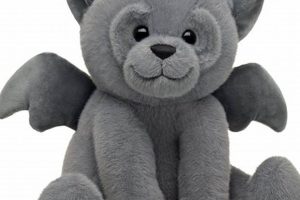
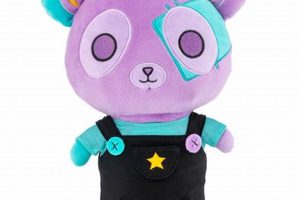
A plush toy bear, often given as a gift to signify affection or comfort, typically embodies a sentimental value beyond its physical form. Such a keepsake might be personalized with clothing, accessories, or a specific name, further enhancing its emotional significance. For instance, a vintage bear with worn fur and repaired stitching could represent a cherished childhood companion.
These treasured objects often play a crucial role in emotional development, providing comfort during times of stress or transition. They can serve as a tangible link to loved ones, representing security and continuity. Historically, stuffed animals, including bears, emerged as popular children’s toys in the early 20th century, coinciding with advancements in manufacturing and the rise of character-based merchandising. Their enduring appeal lies in their ability to evoke feelings of nostalgia, warmth, and connection.
This exploration of sentimental value and historical context provides a foundation for understanding the broader topics of comfort objects, the history of toys, and the role of material culture in emotional life.
Caring for Cherished Plush Companions
Preserving the condition of a treasured plush toy requires careful attention to cleaning, storage, and repair. These tips offer guidance on maintaining both the physical integrity and sentimental value of these cherished companions.
Tip 1: Surface Cleaning: Regular dusting with a soft brush or lint roller helps prevent dirt buildup. For more thorough cleaning, spot-clean stains with a damp cloth and mild detergent, avoiding excessive wetting of the filling.
Tip 2: Deep Cleaning: If a full cleaning is necessary, consult a professional specializing in textile conservation or delicate toy cleaning. Hand-washing can be risky, especially for older or antique plush toys.
Tip 3: Drying: After cleaning, air dry the plush toy thoroughly in a well-ventilated area, away from direct sunlight or heat, to prevent damage and mildew growth.
Tip 4: Storage: Store in a cool, dry, and dark environment, preferably in a breathable container or wrapped in acid-free tissue paper. Avoid storing in plastic bags, which can trap moisture and promote deterioration.
Tip 5: Repair: Minor repairs, such as loose seams or detached buttons, can often be addressed with careful hand-sewing using thread that matches the original material.
Tip 6: Professional Restoration: For significant damage or antique plush toys, consult a professional toy restorer. They possess the expertise to handle delicate repairs while preserving the toy’s historical integrity.
Tip 7: Handling: Gentle handling minimizes wear and tear. Avoid pulling on limbs or accessories, and encourage children to treat these companions with respect.
Proper care ensures that these treasured objects remain in good condition, allowing them to continue providing comfort and joy for years to come.
By following these guidelines, one can safeguard not only the physical object but also the invaluable memories and emotional connections they represent, offering a bridge to the past and a source of ongoing comfort.
1. Comfort Object

A comfort object, often a soft toy or blanket, provides solace and security, particularly during times of stress or transition. Within this context, the “teddy beau” emerges as a quintessential example, embodying the key characteristics that define these cherished companions.
- Emotional Security:
Comfort objects offer a sense of stability and continuity in a changing world. A child clinging to their “teddy beau” during a thunderstorm or a move to a new home finds reassurance in its familiar presence. This tangible source of comfort can mitigate anxiety and foster a sense of safety.
- Transitional Object:
These objects often facilitate the developmental process of separation and individuation. A “teddy beau” can act as a bridge between dependence and independence, allowing a child to gradually navigate the complexities of social and emotional growth. It provides a secure base from which to explore the world.
- Sensory Solace:
The soft texture, familiar scent, and manageable size of a “teddy beau” provide tactile and olfactory comfort. These sensory experiences can be soothing, promoting relaxation and reducing stress. The act of stroking the fur or holding the object close can be deeply calming.
- Symbolic Representation:
A “teddy beau” can symbolize love, security, and connection. It may represent a parent, grandparent, or other significant figure, providing a tangible reminder of their presence and affection. This symbolic function contributes to the enduring emotional value of these objects.
These facets highlight the profound role of comfort objects like the “teddy beau” in emotional development and well-being. They offer more than mere sentimental value; they represent a vital source of comfort, security, and connection that can endure throughout life.
2. Sentimental Value

Sentimental value imbues an object with significance beyond its material worth. This value derives from personal experiences, memories, and emotional associations. A “teddy beau,” often a cherished childhood companion, exemplifies this concept. The worn fur, loose stitching, or faded patches become imbued with meaning, representing shared experiences, comfort received, and the passage of time. A specific “teddy beau” might evoke memories of a bedtime story read by a loved one, a source of solace during a difficult period, or a constant companion on childhood adventures. These accumulated memories and emotions transform the object from a simple plush toy into a powerful symbol of love, security, and connection.
Consider a “teddy beau” gifted to a child by a grandparent. The object becomes a tangible representation of that relationship, embodying the grandparent’s love and the child’s affection. Even after the grandparent is gone, the “teddy beau” remains, serving as a physical reminder of cherished moments and a source of continued emotional connection. This enduring link to the past underscores the potent role of sentimental value in shaping our relationship with objects. The “teddy beau” becomes a vessel for memories, preserving and transmitting emotional significance across generations.
Recognizing the significance of sentimental value provides insights into the human experience. It illuminates the power of objects to embody emotions, connect us to the past, and provide comfort in the present. Understanding this connection allows for a deeper appreciation of the role that cherished possessions, like the “teddy beau,” play in shaping personal identity and fostering a sense of continuity across the lifespan. Preserving and cherishing these objects becomes an act of preserving personal history and emotional well-being.
3. Childhood Companion

The concept of a “childhood companion” often evokes images of treasured toys, blankets, or other objects that provide comfort and security during formative years. The “teddy beau,” as a specific instantiation of this concept, offers a lens through which to explore the multifaceted role these companions play in childhood development and beyond. This exploration examines the key facets of this relationship, highlighting the profound impact a “teddy beau” can have on a child’s life.
- Security and Comfort:
A “teddy beau” often serves as a source of solace and reassurance, particularly during times of stress, fear, or loneliness. The familiar softness and consistent presence of the toy can create a sense of safety and stability in a world that can often feel unpredictable to a child. Cuddling a “teddy beau” during a thunderstorm, a doctor’s visit, or the first night in a new bed can provide a much-needed sense of calm and security.
- Imagination and Play:
“Teddy beaus” frequently become integral characters in a child’s imaginative play. They may be assigned roles in elaborate games, engage in imaginary conversations, or participate in fantastical adventures. This integration into imaginative scenarios fosters creativity, develops social skills through role-playing, and allows children to process experiences and emotions through symbolic play.
- Emotional Development:
Interacting with a “teddy beau” can contribute to a child’s emotional development. Caring for the toy, talking to it, and sharing secrets with it can help children learn about empathy, compassion, and emotional expression. The “teddy beau” becomes a confidant, a silent listener, and a safe space for expressing feelings without fear of judgment.
- Transitional Object:
In developmental psychology, a “teddy beau” can function as a transitional object, bridging the gap between dependence and independence. It represents a familiar and comforting presence that helps children navigate periods of separation from caregivers or transitions to new environments. The “teddy beau” provides a sense of continuity and security as the child ventures into the wider world.
These facets illuminate the profound impact a “teddy beau” can have on a child’s life, extending far beyond simple companionship. These treasured objects become integral to a child’s emotional landscape, fostering security, stimulating imagination, and supporting emotional growth. The enduring bond formed with a “teddy beau” often transcends childhood, representing a tangible link to cherished memories and a symbol of lasting comfort and connection.
4. Gift of Affection

The act of gifting a “teddy beau” often signifies a profound expression of affection. This transcends the mere exchange of a material object; it represents a tangible embodiment of love, care, and connection. The selection of a “teddy beau” as a gift carries symbolic weight, communicating emotions that words sometimes cannot. The giver carefully chooses a soft, comforting companion, often imbued with personalized details, intended to provide solace and joy to the recipient. This act demonstrates thoughtfulness, consideration, and a desire to nurture a sense of security and well-being in the recipient. For example, a parent gifting a “teddy beau” to a child expresses parental love and a desire to provide comfort. A friend gifting a “teddy beau” offers support and empathy during a challenging time. The gift becomes a tangible reminder of the giver’s presence and affection.
The enduring nature of a “teddy beau” further amplifies its significance as a gift of affection. Unlike fleeting gestures, the “teddy beau” remains a constant companion, offering comfort and reassurance long after the initial gifting moment. It becomes a cherished keepsake, embodying the enduring nature of the relationship between giver and recipient. This enduring presence solidifies the “teddy beau’s” role as a symbol of lasting affection. For instance, a “teddy beau” received during childhood might remain a treasured possession throughout adulthood, serving as a tangible reminder of parental love or a cherished friendship. Each interaction with the “teddy beau” rekindles associated memories and emotions, reinforcing the bond between giver and recipient across time and distance.
Understanding the significance of a “teddy beau” as a gift of affection provides insights into the complex dynamics of human relationships. It highlights the importance of tangible expressions of love and care, demonstrating the power of objects to embody and transmit emotions. This understanding fosters a deeper appreciation for the role of sentimental objects in strengthening bonds and providing comfort and security. The “teddy beau,” in its simplicity and enduring presence, encapsulates the essence of a gift of affection, serving as a tangible representation of love, care, and connection throughout the lifespan.
5. Source of Comfort

The inherent comforting nature of a “teddy beau” stems from several factors, including its soft texture, familiar scent, and consistent presence. These qualities contribute to its ability to provide solace during times of stress, anxiety, or loneliness. The tactile experience of holding a soft, plush toy can be inherently calming, offering a sense of security and reassurance. Furthermore, the familiar scent of a “teddy beau,” often associated with childhood memories and feelings of safety, can evoke feelings of comfort and nostalgia. This olfactory connection strengthens the bond between individual and object, enhancing its comforting properties. The consistent presence of a “teddy beau” also plays a crucial role in its ability to provide comfort. Unlike fleeting sources of solace, a “teddy beau” remains a constant companion, offering a reliable source of comfort whenever needed. For instance, a child experiencing a nightmare might find solace in the familiar presence of their “teddy beau,” drawing comfort from its consistent availability and associated feelings of security. Similarly, an adult facing a challenging situation might find comfort in holding a childhood “teddy beau,” reconnecting with feelings of safety and nostalgia associated with earlier life stages.
The comforting qualities of a “teddy beau” extend beyond mere tactile and olfactory sensations. The emotional significance attached to the object, often derived from personal memories and associations, further amplifies its ability to provide comfort. A “teddy beau” received as a gift from a loved one might embody feelings of love, security, and connection, offering solace during times of separation or loss. The object becomes a tangible representation of cherished relationships, providing comfort through its symbolic connection to meaningful individuals and experiences. For example, an individual grieving the loss of a loved one might find comfort in holding a “teddy beau” gifted by that person, finding solace in the tangible reminder of their presence and affection. The object serves as a conduit for emotional connection, providing comfort during periods of emotional distress. The practical significance of understanding the “teddy beau” as a source of comfort lies in its potential to promote emotional well-being. Recognizing the comforting qualities of these objects can inform therapeutic interventions, support emotional regulation strategies, and foster a deeper appreciation for the role of sentimental objects in providing solace and resilience.
The “teddy beau” as a source of comfort represents a complex interplay of sensory experiences, emotional associations, and symbolic meaning. Its ability to provide solace during times of stress, anxiety, or grief underscores its significance as a cherished object and its potential to promote emotional well-being throughout the lifespan. Recognizing and valuing this inherent comforting capacity enhances understanding of the human need for comfort and the diverse ways individuals seek and find solace in the world around them. Further research exploring the specific mechanisms by which “teddy beaus” and other comfort objects provide solace could inform the development of targeted interventions for individuals experiencing emotional distress, highlighting the practical implications of this understanding.
6. Tangible Memory

The concept of “tangible memory” refers to the embodiment of memories within physical objects. These objects serve as anchors to the past, triggering recollections of events, emotions, and relationships. A “teddy beau,” often treasured from childhood, functions as a potent vessel of tangible memory. The worn fabric, faded colors, or repaired seams might evoke specific memories: bedtime stories, comforting cuddles during illness, or imaginary adventures. The “teddy beau” acts as a physical manifestation of these experiences, allowing access to memories that might otherwise remain dormant. Cause and effect intertwine; the experiences shape the object’s physical condition, and the object, in turn, evokes the associated memories. For example, a “teddy beau” clutched tightly during a childhood illness might bear the imprint of small hands, a tangible reminder of the comfort it provided. Years later, encountering this imprint might trigger a vivid recollection of the illness, the associated anxieties, and the comforting presence of the “teddy beau.”
“Tangible memory” constitutes a core component of a “teddy beau’s” significance. It transforms the object from a mere plush toy into a repository of personal history. This connection to the past provides a sense of continuity and identity, linking the present self to earlier life stages. The “teddy beau” becomes more than just a toy; it becomes a tangible representation of one’s personal narrative. Consider a “teddy beau” gifted by a grandparent. The object embodies not only the memory of receiving the gift but also the broader relationship with the grandparent. The “teddy beau” becomes a tangible link to that individual, preserving their memory and the associated emotions long after their physical presence is gone. This enduring connection underscores the powerful role of tangible memory in shaping personal identity and fostering a sense of continuity across the lifespan.
Understanding the link between “tangible memory” and “teddy beau” offers practical applications. In therapeutic settings, exploring memories associated with cherished objects can facilitate emotional processing and healing. Recognizing the significance of these objects can also inform strategies for preserving family history and transmitting cultural heritage across generations. The “teddy beau,” in its capacity to embody tangible memory, offers a valuable tool for understanding the human experience and the complex relationship between objects, memories, and emotions. However, the ephemeral nature of memory and the potential for objects to become lost or damaged pose challenges to the preservation of tangible memory. Further research exploring strategies for safeguarding these objects and the associated memories is crucial for ensuring the continued transmission of personal and collective histories. This exploration illuminates the profound impact of “tangible memory,” highlighting its importance not only for individual well-being but also for the preservation of cultural heritage and the understanding of the human experience.
Frequently Asked Questions
This section addresses common inquiries regarding cherished plush companions, often referred to as “teddy beaus,” providing factual information and practical guidance.
Question 1: What is the historical significance of plush toys like “teddy beaus”?
Plush toys emerged in the early 20th century, coinciding with advancements in manufacturing and the rise of character-based merchandising. Their popularity stems from their ability to evoke comfort and emotional connection.
Question 2: How can one preserve the condition of a “teddy beau”?
Regular dusting, careful spot cleaning, and storage in a cool, dry environment are crucial. Professional cleaning or restoration is recommended for significant damage or antique plush toys.
Question 3: What is the developmental significance of comfort objects such as “teddy beaus”?
These objects provide emotional security, particularly during times of stress or transition. They can serve as transitional objects, aiding in separation and individuation during childhood.
Question 4: Why do “teddy beaus” often hold significant sentimental value?
They become imbued with personal memories and emotional associations, representing cherished relationships, experiences, and a sense of continuity across the lifespan.
Question 5: What role do “teddy beaus” play in imaginative play?
They often become characters in children’s imaginative games, fostering creativity, developing social skills, and allowing for emotional expression through symbolic play.
Question 6: How can one address minor repairs on a “teddy beau”?
Careful hand-sewing using matching thread can address loose seams or detached buttons. Professional restoration is recommended for significant damage.
Preserving the condition and cherishing the sentimental value of these objects ensures their continued role as sources of comfort and connection.
Further exploration of related topics, such as the history of toys and the role of material culture in emotional life, can enrich one’s understanding of the significance of cherished possessions.
A Cherished Companion
This exploration has delved into the multifaceted nature of the “teddy beau,” examining its significance as a comfort object, a vessel of sentimental value, a childhood companion, a gift of affection, a source of comfort, and a tangible representation of memory. From its historical emergence as a popular children’s toy to its enduring presence in the lives of individuals across the lifespan, the “teddy beau” transcends its material form to embody emotional connection, security, and a tangible link to the past.
The enduring appeal of the “teddy beau” underscores the fundamental human need for comfort, connection, and continuity. Preserving and cherishing these objects safeguards not only personal histories but also the enduring power of objects to embody and transmit emotional significance across generations. Further research exploring the therapeutic potential of comfort objects like the “teddy beau” could yield valuable insights into emotional well-being and resilience. This understanding fosters a deeper appreciation for the role of cherished possessions in shaping individual lives and enriching the human experience.