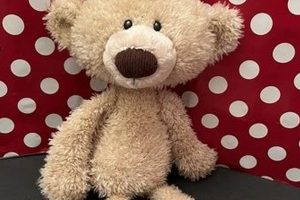
Bears manufactured by the Knickerbocker Toy Company, particularly those produced before the company’s closure in 1983, hold a special place in the world of collectible toys. These vintage plush figures are often characterized by distinctive features, which can include embroidered noses, unique facial expressions, and specific materials used in their construction, allowing collectors to distinguish them from later reproductions or bears from other manufacturers. Examples include the “Humphrey” bear with its prominent ears and the “Stoney” bear with its endearingly grumpy expression. Examining details such as the label, stitching, and overall wear can help determine the age and authenticity of these cherished playthings.
The enduring appeal of these early toys stems from their nostalgic connection to childhood and the history of toy manufacturing. Knickerbocker, a significant player in the American toy industry for decades, produced bears that reflected the stylistic trends and manufacturing techniques of their respective eras. These toys offer a tangible link to the past, providing insight into the evolution of playthings and the cultural landscape of bygone years. Their value lies not just in their potential monetary worth, but also in their sentimental value and historical significance as artifacts of childhood and popular culture.
Further exploration will delve into specific characteristics used to identify and authenticate these bears, delve into the history of the Knickerbocker Toy Company, and examine the factors that contribute to their collectibility and enduring popularity. This will include examining manufacturing variations, discussing notable examples of rare and sought-after models, and analyzing the market trends that influence their value.
Tips for Identifying and Evaluating Antique Knickerbocker Teddy Bears
Discerning authentic vintage Knickerbocker bears requires careful observation and attention to detail. The following tips offer guidance for collectors seeking to identify and evaluate these treasured toys.
Tip 1: Examine the Label: Original Knickerbocker bears often feature cloth labels sewn into the body. These labels may include the company name, logo, and potentially information about the bear’s name or style. The absence of a label, or the presence of a reproduction label, should raise a caution flag.
Tip 2: Analyze the Facial Features: Knickerbocker bears are known for their distinctive embroidered noses and expressive eyes. Pay close attention to the stitching and design, comparing them to known authentic examples. Be wary of inconsistencies or features that appear too perfect.
Tip 3: Assess the Material and Construction: Early Knickerbocker bears were typically made from mohair or plush materials. Examine the fabric for signs of wear, fading, or repairs, which can indicate age and authenticity. Note the stitching techniques used, as these can vary depending on the era of production.
Tip 4: Research Historical Context: Understanding the history of the Knickerbocker Toy Company and the stylistic trends of different eras can be invaluable in identifying authentic bears. Researching catalogs, advertisements, and other historical resources can provide valuable insights.
Tip 5: Consult Expert Resources: When in doubt, consulting with experienced collectors or reputable antique toy dealers is recommended. Their expertise can help authenticate a bear and assess its value accurately.
Tip 6: Beware of Reproductions: The popularity of antique teddy bears has led to the creation of numerous reproductions. Be cautious of bears that appear too pristine or that lack the expected signs of age and wear.
Tip 7: Document Your Findings: Maintaining detailed records, including photographs and descriptions of any bears acquired, is crucial for insurance purposes and for establishing provenance.
By applying these tips, collectors can gain a deeper understanding of these vintage toys and make informed decisions about their acquisition and preservation. Thorough research and careful observation are essential for navigating the world of antique teddy bears.
This detailed analysis will provide readers with the knowledge and resources to confidently appreciate and evaluate antique Knickerbocker teddy bears, furthering their appreciation for these nostalgic treasures.
1. Historical Significance

The historical significance of antique Knickerbocker teddy bears is multifaceted, encompassing the history of the Knickerbocker Toy Company itself, the evolution of teddy bear design, and their reflection of broader cultural trends. The Knickerbocker Toy Company, founded in 1919, played a significant role in the American toy industry for over six decades. Their bears represent a tangible piece of this history, offering insights into the company’s manufacturing processes, design choices, and marketing strategies throughout the 20th century. For example, the transition from mohair to plush materials in their bear construction reflects both changes in manufacturing technology and shifting consumer preferences during specific periods.
Furthermore, antique Knickerbocker bears provide a glimpse into the evolving aesthetics and design principles of teddy bears over time. Early Knickerbocker bears often featured simpler designs and construction compared to later models. These changes in design can be linked to broader cultural shifts in artistic styles, popular culture influences, and technological advancements in toy manufacturing. The company’s iconic “Humphrey” bear, with its distinctive oversized ears, embodies a particular design aesthetic popular during the mid-20th century. Examining such examples helps collectors and historians understand how toy design mirrored and responded to prevailing cultural tastes.
Understanding the historical context of these bears adds a layer of meaning and value beyond their inherent charm. Recognizing the connection between specific design features, materials, and the era of production enables a deeper appreciation of these objects as historical artifacts. This knowledge not only enriches the collecting experience but also contributes to the preservation of toy history and the broader understanding of 20th-century American culture. The ongoing study of antique Knickerbocker teddy bears offers valuable insights into the intersection of industrial history, design evolution, and cultural trends.
2. Material Composition

Material composition plays a crucial role in determining the value, authenticity, and preservation needs of antique Knickerbocker teddy bears. The materials used in their construction varied over time, reflecting changes in manufacturing processes, available resources, and evolving consumer preferences. Early Knickerbocker bears were often crafted from mohair, a luxurious fabric made from the hair of the Angora goat. Mohair bears tend to be more highly valued by collectors due to the perceived quality and vintage appeal of the material. Later, the company transitioned to using plush fabrics, typically synthetic materials like rayon or other man-made fibers. This shift to plush often coincided with mass production and a broader market reach. The type of stuffing used also varied, ranging from excelsior (wood wool) in earlier bears to synthetic fillings in later models. Understanding these material variations is essential for accurate identification and dating.
The material composition of a bear significantly impacts its condition and preservation requirements. Mohair, while durable, can be prone to moth damage and requires careful cleaning and storage. Plush fabrics are generally more resistant to pests but can be susceptible to fading or pilling over time. The type of stuffing also affects a bear’s overall shape and feel. Excelsior stuffing, for example, tends to compact and settle with age, giving older bears a distinct, slightly slumped posture. Collectors and conservators must be aware of these material-specific characteristics to implement appropriate preservation strategies. For instance, using archival-quality storage materials and avoiding exposure to direct sunlight or extreme temperatures can help maintain the integrity of these vintage materials. Knowing the correct cleaning methods for different materials is also crucial to avoid damaging a valuable antique bear.
Examining the materials used offers valuable insights into the history and evolution of Knickerbocker teddy bears. The shift from mohair to plush reflects broader trends in the toy industry towards more affordable and mass-produced products. Recognizing these material changes enables collectors to place a bear within its correct historical context and assess its authenticity and value accurately. The material composition serves as a tangible link to the manufacturing techniques and cultural preferences of a specific era. Careful consideration of these factors provides a deeper understanding and appreciation for the craftsmanship and historical significance of these cherished antique toys.
3. Identifying Features
Identifying features are crucial for authenticating and appreciating antique Knickerbocker teddy bears. These characteristics distinguish genuine vintage bears from later reproductions or those produced by other manufacturers. Key features include the presence and style of labels, the distinctive design of facial features, and specific material and construction techniques. Original Knickerbocker bears often feature cloth labels sewn into the body, which can include the company name, logo, or bear’s name. Variations in label design and placement can help pinpoint the era of production. For example, bears from the 1950s might exhibit a different label design than those from the 1970s. The absence of a label, or the presence of a reproduction label, warrants further investigation.
Facial features offer another essential clue. Knickerbocker bears are known for their unique embroidered noses, often stitched in a distinctive heart shape or triangular pattern. The eyes, typically made of glass or plastic, also exhibit specific characteristics regarding size, shape, and placement. The stitching technique used for the facial features is another indicator of authenticity. For instance, early Knickerbocker bears often have simpler, more hand-stitched features compared to the more uniform machine stitching found on later models. Analyzing these details allows collectors to distinguish between genuine antique bears and more recent reproductions. Bears like the “Stoney” bear, with its characteristic grumpy expression, are readily identifiable through their unique facial features.
Careful examination of the material composition and construction methods further aids in identification. The type of fabric (mohair or plush), the stuffing material (excelsior or synthetic), and the stitching techniques used offer valuable clues. Early Knickerbocker bears frequently utilized specific types of mohair and unique stitching patterns that differ from later production methods. Assessing these details helps establish a bear’s authenticity and approximate age. Understanding these key identifying features empowers collectors to make informed decisions. Recognizing these nuances enables accurate authentication, proper valuation, and ultimately, a deeper appreciation for the historical and artistic significance of these cherished antique toys. This knowledge equips enthusiasts to navigate the complexities of the antique teddy bear market and build meaningful collections of genuine vintage Knickerbocker bears.
4. Collectibility & Value

The collectibility and value of antique Knickerbocker teddy bears are intertwined, influenced by a confluence of factors that contribute to their desirability among enthusiasts. Rarity, condition, provenance, and historical significance all play crucial roles in determining a bear’s market value and its appeal to collectors. Understanding these factors is essential for navigating the antique teddy bear market and making informed collecting decisions. These antique toys represent not only nostalgic objects but also tangible pieces of history, with their value reflecting both sentimental attachment and historical significance.
- Rarity
Rarity significantly impacts a bear’s value. Limited production runs, special editions, or bears featuring unusual design elements are typically more sought after by collectors. For instance, a Knickerbocker bear produced for a specific event or featuring a unique color variation would likely command a higher price than a more common model. Rarity also considers variations within standard production lines. Certain facial expressions, fabric patterns, or accessory combinations might appear less frequently, contributing to their increased desirability and value. Determining a bear’s rarity often requires extensive research, consulting historical catalogs, and engaging with experienced collectors.
- Condition
Condition is paramount in assessing an antique bear’s value. Bears in excellent original condition, with minimal wear, intact labels, and no repairs, are generally more valuable. Signs of wear, such as minor repairs, slight fading, or small tears, can impact value, although some collectors appreciate the character and history conveyed by such imperfections. Major damage, significant repairs, or missing parts can considerably diminish a bear’s value. Evaluating condition requires careful examination and attention to detail, considering factors such as fabric integrity, seam strength, and the presence of original features.
- Provenance
Provenance, or the documented history of a bear’s ownership, can significantly enhance its value and collectibility. Bears with a clear and traceable history, especially those with connections to notable individuals or events, are often more desirable to collectors. Provenance might include original purchase receipts, historical photographs, or documented evidence of ownership passed down through generations. A well-documented provenance adds a layer of authenticity and historical significance, increasing a bear’s appeal and potential value.
- Historical Significance
The historical significance of a Knickerbocker bear contributes to its collectibility and value. Bears associated with specific historical periods, cultural trends, or significant events within the Knickerbocker Toy Company’s history hold special appeal for collectors. For example, bears produced during the early years of the company or those representing specific design trends of a particular decade might be more highly valued. The connection to historical context adds another dimension to a bear’s desirability beyond its physical attributes.
These interconnected factors contribute to the overall appeal and value of antique Knickerbocker teddy bears within the collecting community. The interplay of rarity, condition, provenance, and historical context shapes market trends and influences collector demand. Understanding these factors allows collectors to appreciate the nuances of the antique teddy bear market and make informed decisions based on both personal preferences and investment potential. These cherished objects represent not merely toys but tangible links to the past, with their value reflecting a convergence of historical significance, sentimental value, and market dynamics.
5. Preservation & Care

Preservation and care are essential for maintaining the integrity and value of antique Knickerbocker teddy bears. These vintage toys, often crafted from delicate materials like mohair or early synthetic plush, require specific handling and storage methods to prevent deterioration and preserve their historical significance. Neglecting proper care can lead to irreversible damage, diminishing a bear’s value and historical relevance. Factors such as light exposure, temperature fluctuations, humidity, pests, and improper handling contribute to deterioration. For example, prolonged exposure to direct sunlight can cause fading of the bear’s fur, while excessive humidity can promote mold growth and damage delicate fabrics. Pests, such as moths, can also cause irreparable damage to mohair and other natural fibers. Improper handling, including rough play or inappropriate cleaning methods, can lead to tears, seam separation, and loss of original features. A well-preserved Humphrey bear from the 1950s, kept in archival-quality storage and protected from environmental hazards, will retain its value and historical integrity far better than a similar bear subjected to harsh conditions.
Effective preservation strategies involve creating a stable environment and implementing appropriate handling techniques. Storing bears in a cool, dry, and dark environment, away from direct sunlight and extreme temperature fluctuations, helps prevent material degradation. Using archival-quality storage materials, such as acid-free boxes and tissue paper, further protects bears from harmful chemicals and environmental factors. Regular dusting with a soft brush helps remove surface dirt and debris. Avoiding harsh cleaning methods, such as machine washing or the use of strong chemicals, is crucial. Consulting a professional conservator for cleaning or repairs ensures that appropriate methods are employed to maintain a bear’s original condition and value. When handling antique bears, supporting the body and avoiding pulling on limbs or delicate features helps prevent damage. Rotating the display of light-sensitive bears minimizes fading and ensures even exposure.
Appropriate preservation and care safeguard not only a bear’s monetary value but also its historical and sentimental significance. These practices ensure that these treasured objects remain tangible links to the past, available for future generations to appreciate and study. The careful preservation of antique Knickerbocker teddy bears contributes to the broader field of toy history and the understanding of 20th-century material culture. Challenges in preservation often involve balancing accessibility with protection. While display allows for appreciation, it also introduces potential risks of damage. Finding a balance between sharing these historical artifacts and ensuring their long-term survival requires thoughtful consideration and the implementation of appropriate preservation strategies. This commitment to preservation ensures that the stories and historical insights embedded within these antique toys endure.
Frequently Asked Questions about Antique Knickerbocker Teddy Bears
This section addresses common inquiries regarding antique Knickerbocker teddy bears, providing concise and informative responses to facilitate understanding and informed collecting practices.
Question 1: How can one distinguish between an authentic antique Knickerbocker bear and a reproduction?
Authentic antique Knickerbocker bears exhibit specific characteristics, including original labels, unique facial stitching, and materials consistent with the era of production. Reproductions often lack these details or exhibit inconsistencies. Consulting expert resources or reputable dealers is recommended for authentication.
Question 2: What factors influence the value of an antique Knickerbocker bear?
Several factors contribute to a bear’s value, including rarity, condition, provenance, and historical significance. Bears in excellent original condition with documented history and rare features typically command higher prices. Market trends also influence valuation.
Question 3: Where can one find antique Knickerbocker teddy bears for sale?
Antique shops, online marketplaces specializing in vintage toys, auctions, and estate sales represent potential sources for acquiring antique Knickerbocker bears. Careful research and authentication are crucial before making a purchase.
Question 4: What are the best practices for preserving an antique Knickerbocker teddy bear?
Storing bears in a cool, dry, and dark environment using archival-quality materials is essential for preservation. Avoiding direct sunlight, extreme temperatures, and improper handling helps maintain a bear’s condition. Consulting a professional conservator is recommended for cleaning or repairs.
Question 5: Are all antique Knickerbocker bears made of mohair?
While early Knickerbocker bears frequently utilized mohair, the company later transitioned to plush fabrics. Material composition varies depending on the era of production. Both mohair and plush bears hold value within the collecting community.
Question 6: How can one research the history and value of a specific Knickerbocker bear?
Consulting historical catalogs, engaging with experienced collectors, and researching online resources dedicated to antique teddy bears offer valuable insights into a bear’s history and potential value. Expert appraisal services can provide professional valuations.
Careful consideration of these frequently asked questions equips collectors with essential knowledge for navigating the world of antique Knickerbocker teddy bears. Thorough research and attention to detail remain paramount in appreciating and preserving these historical treasures.
Further exploration might delve into specific examples of rare Knickerbocker bears, detailing their historical context, identifying features, and estimated values. This detailed examination offers collectors deeper insight into the nuances of the antique teddy bear market.
Antique Knickerbocker Teddy Bears
Antique Knickerbocker teddy bears represent a significant segment of antique toy collecting. Their historical connection to a prominent American toy manufacturer, combined with distinctive design features and material composition, positions them as desirable collectibles. From the use of mohair and plush fabrics to the evolution of embroidered facial features and unique labels, these bears offer tangible insights into the history of toy manufacturing and changing cultural aesthetics. Rarity, condition, provenance, and historical context collectively influence their value and collectibility within a dedicated market of enthusiasts. Preservation through appropriate storage and handling ensures these artifacts remain accessible for future generations, contributing to a continued appreciation of their historical and cultural significance.
The enduring appeal of antique Knickerbocker teddy bears lies in their ability to evoke nostalgia and connect collectors to the past. These bears are not merely playthings but tangible representations of childhood memories, historical trends, and the enduring legacy of a beloved toy company. Continued research, careful authentication practices, and dedicated preservation efforts will ensure that these historical treasures retain their value and cultural relevance for years to come.