The act of restoring plush toys to a hygienic state involves various methods depending on the toy’s material composition and condition. For instance, surface cleaning with a damp cloth or specialized toy cleaner is appropriate for lightly soiled items. More thorough methods, such as machine washing or hand washing with mild detergent, may be necessary for heavily soiled plush toys. Proper drying techniques are essential to maintain the toy’s integrity and prevent mildew.
Maintaining the cleanliness of plush toys contributes to a healthier environment for children and adults alike, minimizing exposure to allergens and dust mites. This practice has evolved alongside advancements in hygiene and material science, leading to safer and more effective cleaning products and methods. Historically, simpler techniques like airing and brushing were employed, while modern approaches offer more thorough sanitation.
This article will explore various approaches to plush toy hygiene, addressing specific material considerations, effective cleaning solutions, and preventive measures for maintaining cleanliness. It will also delve into the history and evolution of toy care, highlighting the importance of preserving these cherished companions.
Tips for Plush Toy Hygiene
Maintaining the cleanliness of plush toys is crucial for a healthy environment. The following tips offer practical guidance on proper care techniques.
Tip 1: Check the Care Label: Always consult the manufacturer’s label before cleaning. Labels provide specific instructions based on material and construction.
Tip 2: Surface Cleaning for Light Soiling: A damp cloth or lint roller can effectively remove surface dust and debris. Specialized toy cleaners are also available for delicate materials.
Tip 3: Machine Washing for Durable Toys: Some plush toys can be machine washed. Use a gentle cycle with cold water and a mild detergent. Place the toy inside a mesh laundry bag for added protection.
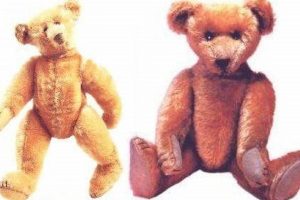
Tip 4: Hand Washing for Delicate Toys: Hand washing is recommended for delicate or antique plush toys. Submerge the toy in lukewarm water with a mild detergent, gently agitate, and rinse thoroughly.
Tip 5: Drying Techniques: Air drying is preferred for most plush toys. Ensure thorough drying to prevent mildew. Reshape the toy while damp to maintain its original form.
Tip 6: Spot Cleaning for Stains: Address stains promptly with a stain remover specifically designed for plush toys. Test the cleaner on an inconspicuous area first.
Tip 7: Preventive Measures: Regular dusting and airing can help minimize the accumulation of allergens and dust mites.
Tip 8: Professional Cleaning for Heirlooms: Consider professional cleaning for antique or highly valuable plush toys to ensure proper care and preservation.
Implementing these practices contributes to a healthier environment and extends the lifespan of cherished plush companions.
By understanding and applying these techniques, one can ensure the longevity and hygiene of these treasured items.
1. Surface Cleaning

Surface cleaning plays a vital role in maintaining the hygiene of plush toys. It represents the first line of defense against dust, allergens, and light soiling, preserving the toy’s appearance and minimizing the need for more intensive cleaning methods. This approach focuses on the exterior of the toy without the need for water submersion or harsh chemicals.
- Dust Removal
Dust accumulation contributes to a less hygienic environment and can trigger allergies. Regular dusting with a soft cloth, brush, or lint roller effectively removes surface dust and prevents its deeper penetration into the toy’s fibers. This simple practice significantly reduces allergen load and maintains the toy’s cleanliness.
- Debris Removal
Surface cleaning also addresses loose debris like pet hair, crumbs, or lint. These particles can harbor allergens and bacteria. Utilizing tools like sticky rollers or specialized pet hair removers provides efficient debris removal, enhancing the overall hygiene of the plush toy.
- Spot Cleaning Light Marks
Minor marks or smudges can often be addressed through surface cleaning techniques. A slightly damp cloth, combined with gentle wiping, can effectively remove these blemishes without the need for full submersion or harsh cleaning agents. Testing any cleaning solution on an inconspicuous area first is advisable.
- Maintaining Appearance
Regular surface cleaning preserves the plush toy’s appearance by preventing the buildup of grime that can dull its colors and texture. This maintenance contributes to the toy’s longevity and aesthetic appeal, ensuring it remains a cherished item for years to come.
By incorporating these surface cleaning practices into regular maintenance routines, one can significantly prolong the lifespan and hygiene of plush toys. Surface cleaning provides a crucial foundation for overall plush toy hygiene, minimizing the need for more intensive cleaning methods and preserving the toy’s condition and appearance.
2. Deep Cleaning
Deep cleaning represents a crucial aspect of plush toy hygiene, addressing embedded dirt, allergens, and bacteria that surface cleaning cannot reach. While surface cleaning removes superficial debris, deep cleaning penetrates the toy’s fibers, providing a more thorough level of sanitation. This process is particularly important for individuals with allergies or sensitivities. For example, a child with dust mite allergies may experience exacerbated symptoms from a plush toy harboring dust mites within its fibers. Deep cleaning effectively mitigates this risk by eliminating these allergens, creating a healthier environment. The frequency of deep cleaning depends on usage, environmental factors, and individual needs. Heavily used toys or those exposed to pets or outdoor environments require more frequent deep cleaning.
Several methods facilitate deep cleaning. Machine washing, suitable for certain plush toys, offers a convenient and effective approach. Hand washing provides greater control over the cleaning process, especially for delicate or antique toys. Specific cleaning solutions formulated for plush toys further enhance the efficacy of deep cleaning, targeting embedded dirt and allergens without damaging the toy’s material or structure. Understanding the materials comprising the plush toywhether synthetic fibers, cotton, or wooldictates the appropriate cleaning method and solution. Using harsh chemicals or unsuitable washing techniques can compromise the toy’s integrity, leading to discoloration, fiber damage, or structural weakening.
Deep cleaning serves as an essential component of comprehensive plush toy hygiene. It complements surface cleaning by addressing embedded contaminants, contributing significantly to a healthier and safer environment, particularly for vulnerable individuals. Selecting appropriate deep cleaning methods based on material composition and adhering to recommended procedures ensures the preservation of the toy’s integrity while maximizing its cleanliness and longevity. Neglecting deep cleaning can compromise the hygiene and longevity of plush toys, underscoring the importance of incorporating it into a regular cleaning routine.
3. Stain Removal
Stain removal constitutes a critical aspect of plush toy maintenance, directly impacting both hygiene and aesthetic appeal. Stains not only detract from a toy’s appearance but can also harbor bacteria and allergens, potentially posing health risks. The nature of plush toy materials, often porous and absorbent, makes them susceptible to staining from various sources, including food, drinks, bodily fluids, and environmental contaminants. Effective stain removal, therefore, plays a vital role in maintaining a toy’s cleanliness and longevity. For instance, a juice stain left untreated can attract insects, promote bacterial growth, and permanently discolor the fabric. Similarly, stains from mud or grass can introduce outdoor allergens and soil the toy’s surface. Prompt and appropriate stain removal techniques minimize these risks.
Different stain types necessitate specific treatment approaches. A grease stain, for example, requires a different approach than a water-based stain. Using inappropriate cleaning agents can exacerbate the stain, setting it permanently or damaging the toy’s material. Gentle, targeted treatments are essential. Pre-treating stains with appropriate stain removers designed for delicate fabrics is often recommended before laundering or hand washing. Testing any cleaning solution on an inconspicuous area first helps prevent unintended discoloration or damage. Understanding the composition of the plush toywhether it contains natural or synthetic fibersinforms the selection of suitable cleaning agents. Certain materials may react negatively to specific chemicals, leading to discoloration or fiber degradation.
Effective stain removal contributes significantly to the overall hygiene and preservation of plush toys. Addressing stains promptly and employing appropriate techniques minimizes the potential for bacterial growth, allergen accumulation, and permanent discoloration. This meticulous approach preserves the toy’s appearance and extends its lifespan, ensuring it remains a cherished companion for years to come. Neglecting stains, conversely, compromises both hygiene and aesthetics, ultimately diminishing the toy’s value and potentially posing health risks.
4. Drying Methods
Proper drying constitutes a critical stage in plush toy hygiene, directly impacting the efficacy of the cleaning process and the toy’s overall longevity. Drying methods influence not only the removal of residual moisture but also the prevention of mildew, mold growth, and potential damage to the toy’s material and stuffing. The connection between drying methods and plush toy hygiene is fundamental; inadequate drying can negate the benefits of cleaning, potentially creating a more hospitable environment for microbial growth than before the cleaning process began. For instance, a damp plush toy left in a humid environment becomes a breeding ground for mold and mildew, posing health risks and emitting unpleasant odors. Conversely, proper drying eliminates excess moisture, inhibiting microbial proliferation and preserving the toy’s integrity.
Several drying methods offer varying degrees of effectiveness and suitability depending on the toy’s material composition and construction. Air drying, often considered the safest and most universally applicable method, allows for gradual and even moisture evaporation. Placing the toy in a well-ventilated area, preferably outdoors on a sunny day, facilitates thorough drying. However, direct sunlight exposure for prolonged periods can fade colors or damage delicate fabrics. For plush toys that tolerate machine drying, using a low heat setting and a mesh laundry bag minimizes the risk of damage and promotes even drying. High heat can shrink or deform the toy, while the absence of a mesh bag can lead to entanglement and potential tearing. Certain materials, such as wool or silk, require specialized drying techniques to prevent shrinkage or distortion.
Effective drying practices are integral to maintaining plush toy hygiene and longevity. Selecting appropriate drying methods based on material composition and environmental conditions mitigates the risk of microbial growth, material damage, and unpleasant odors. Thorough drying ensures the efficacy of the cleaning process, preserving the toy’s hygiene and extending its lifespan. Failure to implement proper drying techniques can compromise the toy’s cleanliness and structural integrity, ultimately diminishing its value and potentially posing health risks. Therefore, careful consideration of drying methods is essential for comprehensive plush toy care.
5. Material Considerations
Material composition dictates appropriate cleaning methods for plush toys. Different materials react differently to various cleaning agents and techniques. For example, plush toys made of delicate materials like silk or mohair require specialized cleaning approaches, often involving gentle hand washing with mild detergents. Machine washing or harsh chemicals can irreparably damage these sensitive fabrics, leading to shrinkage, discoloration, or loss of texture. Conversely, plush toys constructed from durable materials like cotton or polyester blends generally tolerate machine washing, simplifying the cleaning process and allowing for more thorough sanitation. However, even with durable materials, specific considerations apply. High heat can cause shrinkage or damage to synthetic fibers, while excessive agitation can distort the toy’s shape or damage delicate embellishments. Understanding the material composition is therefore crucial for selecting appropriate cleaning methods, ensuring effective hygiene while preserving the toy’s integrity.
The type of stuffing also influences cleaning and drying procedures. Plush toys filled with natural fibers like cotton or wool require careful drying to prevent mildew or mold growth within the stuffing. These materials retain moisture more readily than synthetic fillings, necessitating thorough airing or low-heat tumble drying. Synthetic fillings, while generally more resistant to microbial growth, can clump or lose their shape if subjected to excessive heat or agitation. Furthermore, certain antique plush toys may contain stuffing made of materials that require specialized cleaning or restoration techniques. Ignoring material considerations can lead to irreversible damage, compromising the toy’s value and sentimental significance.
In summary, material considerations represent a critical factor in plush toy hygiene. A thorough understanding of the materials comprising the toyboth the outer fabric and the internal stuffinginforms appropriate cleaning and drying methods. This knowledge ensures effective cleaning while preserving the toy’s structural integrity, aesthetic appeal, and historical value. Neglecting these considerations can lead to irreparable damage, highlighting the importance of material awareness in maintaining plush toy hygiene and longevity.
6. Frequency of Cleaning
Cleaning frequency for plush toys directly correlates with maintaining hygiene and extending their lifespan. Determining the appropriate cleaning schedule requires careful consideration of various factors, impacting both the toy’s condition and the health of those who interact with it. An inadequate cleaning regimen can lead to allergen accumulation and microbial growth, posing potential health risks, while excessive cleaning may contribute to premature wear and tear. Establishing an optimal cleaning frequency, therefore, requires a balanced approach.
- Usage Frequency
Toys subjected to frequent handling and use, particularly by young children, necessitate more regular cleaning. Constant contact introduces dirt, oils, and bacteria, making these toys more prone to contamination. For example, a child’s favorite bedtime companion, exposed to nightly cuddling and potential spills or drool, requires more frequent cleaning than a decorative plush toy displayed on a shelf.
- Environmental Exposure
Environmental factors significantly influence cleaning frequency. Toys exposed to pets, dust, or outdoor environments accumulate allergens and debris more rapidly. A plush toy kept in a child’s outdoor play area, for instance, requires more frequent cleaning than one stored in a dust-free, indoor environment. Similarly, exposure to pet dander necessitates more regular cleaning to minimize allergen buildup.
- Material and Construction
The toy’s material and construction also play a role in determining cleaning frequency. Delicate materials or intricate embellishments may require less frequent cleaning to prevent damage, necessitating a greater emphasis on surface cleaning and spot treatment between deeper cleanings. Conversely, durable, machine-washable toys can tolerate more frequent deep cleanings.
- Individual Health Considerations
Individual health considerations, such as allergies or sensitivities, may necessitate more frequent cleaning. For individuals with dust mite allergies, for example, regular cleaning of plush toys is crucial for minimizing allergen exposure and managing symptoms. In such cases, more frequent cleaning, coupled with the use of allergen-proof covers, can significantly improve indoor air quality and reduce allergic reactions.
By considering these factors, an appropriate cleaning schedule can be established, balancing hygiene requirements with preservation of the toy’s integrity. Regular assessment of the toy’s condition and adjustment of the cleaning frequency as needed ensures continued cleanliness and extends the toy’s lifespan. Ultimately, a well-maintained plush toy contributes to a healthier and more enjoyable experience for its owner.
7. Preventative Care
Preventative care plays a crucial role in maintaining the hygiene and longevity of plush toys, minimizing the need for extensive cleaning interventions. By implementing proactive measures, the accumulation of dust, allergens, and stains can be significantly reduced, preserving the toy’s appearance and extending its lifespan. This proactive approach represents a cost-effective and efficient strategy for long-term plush toy preservation. For example, regularly using a lint roller or soft brush to remove surface dust prevents its deep penetration into the toy’s fibers, reducing the frequency of deep cleaning. Similarly, storing plush toys in dust-proof bags or containers when not in use minimizes exposure to environmental contaminants, preserving their cleanliness and reducing the risk of allergen buildup. These simple preventative measures significantly contribute to overall plush toy hygiene.
Preventative care also encompasses addressing potential sources of contamination proactively. Limiting exposure to pets, for instance, reduces the accumulation of pet dander and hair on plush toys, minimizing allergen exposure and simplifying the cleaning process. Promptly addressing spills or stains prevents their setting and reduces the need for aggressive stain removal techniques that could potentially damage the toy’s material. Educating children about proper handling of plush toyssuch as avoiding contact with food and drinksfurther contributes to preventative care. These practices collectively create a protective barrier against potential sources of soiling, preserving the toy’s hygiene and appearance over time. Consider the example of a child bringing a plush toy to the dinner table; implementing a “no toys at the table” rule prevents potential food stains and exposure to sticky fingers.
Integrating preventative care into a comprehensive plush toy maintenance routine offers significant benefits. It reduces the frequency and intensity of cleaning interventions, preserving the toy’s material integrity and extending its lifespan. Moreover, preventative care contributes to a healthier environment by minimizing allergen accumulation and reducing the need for harsh cleaning chemicals. This proactive approach represents a sustainable and effective strategy for preserving cherished plush companions, ensuring they remain hygienic and aesthetically pleasing for years to come. The cumulative effect of consistent preventative care contributes significantly to the overall well-being and longevity of plush toys, demonstrating its practical significance within a broader hygiene and preservation strategy.
Frequently Asked Questions
This section addresses common inquiries regarding plush toy hygiene, providing concise and informative responses to facilitate effective cleaning and maintenance practices.
Question 1: How often should plush toys be cleaned?
Cleaning frequency depends on usage, environmental exposure, and individual health considerations. Frequently handled toys require more regular cleaning than those primarily used for display. Exposure to pets or outdoor environments necessitates more frequent cleaning due to increased allergen and debris accumulation. Individuals with allergies may also require more frequent cleaning.
Question 2: Can all plush toys be machine washed?
Not all plush toys are suitable for machine washing. Always check the manufacturer’s care label for specific instructions. Delicate materials, intricate embellishments, or antique toys often require hand washing to prevent damage. Machine washing may be suitable for durable toys made of cotton or polyester blends, but always use a gentle cycle with cold water and a mesh laundry bag.
Question 3: What type of detergent is recommended for cleaning plush toys?
Mild detergents, free of harsh chemicals and dyes, are recommended for cleaning plush toys. Harsh detergents can damage delicate fabrics or cause skin irritation. Specialized plush toy cleaners are also available and often formulated to effectively remove allergens and dust mites.
Question 4: How should plush toys be dried?
Air drying is generally the preferred method for drying plush toys. Ensure thorough drying to prevent mildew and mold growth. Reshape the toy while damp to maintain its original form. Machine drying may be suitable for certain durable toys, but always use a low heat setting and a mesh laundry bag to prevent damage.
Question 5: How can stains be removed from plush toys?
Address stains promptly with a stain remover specifically designed for plush toys or delicate fabrics. Test the cleaner on an inconspicuous area first to ensure it does not damage the material or cause discoloration. For stubborn stains, professional cleaning may be necessary.
Question 6: What are some preventative measures for maintaining plush toy hygiene?
Regularly dusting and airing plush toys minimizes the accumulation of dust and allergens. Storing toys in dust-proof bags or containers when not in use further reduces exposure to contaminants. Limiting contact with pets and promptly addressing spills or stains also contribute to preventative care.
Implementing these strategies promotes a hygienic environment and extends the lifespan of cherished plush companions.
The following section explores specific cleaning techniques for various plush toy materials and constructions.
Cleaning Teddy Bears
Maintaining plush toy hygiene, exemplified by the care given to teddy bears, encompasses a multifaceted approach. From routine surface cleaning to addressing specific stain removal challenges, proper plush toy care requires consideration of material composition, appropriate cleaning solutions, and effective drying techniques. Preventative measures, such as regular dusting and protective storage, further contribute to maintaining a hygienic environment and extending the lifespan of these cherished companions. A comprehensive understanding of these elements ensures effective cleaning and preservation.
Preserving the integrity of plush toys represents more than simply maintaining cleanliness; it reflects a commitment to safeguarding sentimental value and promoting a healthy environment. By implementing diligent cleaning practices and adopting preventative measures, the longevity of these treasured items is ensured, allowing them to continue providing comfort and companionship for generations to come. The significance of proper plush toy care extends beyond mere hygiene, encompassing the preservation of cherished memories and the promotion of well-being.