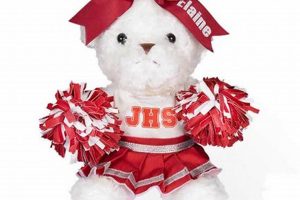
Antique and collectible stuffed bears represent a significant segment of the toy market. These toys, often characterized by specific materials, manufacturers, or time periods, hold value beyond mere playthings. For example, Steiff bears from the early 20th century, with their distinctive button-in-ear, are highly sought after by collectors.
The enduring appeal of these classic toys stems from their historical significance, craftsmanship, and sentimental value. They offer a tangible link to the past, reflecting evolving design trends and manufacturing techniques. Preserving these artifacts contributes to cultural heritage and provides insights into childhood throughout history. Their value can fluctuate based on factors like condition, rarity, provenance, and maker.
This exploration delves further into specific categories, valuation methods, and the thriving marketplace for these cherished objects, offering a comprehensive understanding of their enduring allure.
Tips for Collecting Antique and Collectible Bears
Navigating the market for antique and collectible bears requires careful consideration and informed decision-making. The following tips offer guidance for both novice and seasoned collectors.
Tip 1: Research Thoroughly: Understanding manufacturer marks, materials, and historical context is crucial. Specialized books, online resources, and reputable dealers can provide valuable information.
Tip 2: Authenticate Carefully: Examine bears for signs of age and wear consistent with their purported age. Be wary of reproductions and seek expert opinions when necessary.
Tip 3: Assess Condition: Condition significantly impacts value. Factors like repairs, missing parts, and overall wear should be carefully evaluated.
Tip 4: Consider Provenance: Documented history, such as previous ownership or exhibition records, can enhance a bear’s value and desirability.
Tip 5: Set a Budget: Antique and collectible bears can range significantly in price. Establishing a budget helps focus collecting efforts and prevents overspending.
Tip 6: Network with Experts: Joining collector clubs, attending auctions, and engaging with reputable dealers provides valuable learning opportunities and market insights.
Tip 7: Handle with Care: Proper storage and handling are essential for preserving these delicate items. Avoid direct sunlight, extreme temperatures, and rough handling.
By adhering to these guidelines, collectors can build meaningful collections while protecting their investment and contributing to the preservation of these historical treasures.
These tips provide a foundation for informed collecting practices. Further research and due diligence are always recommended.
1. History

Understanding the historical context is fundamental to appreciating vintage teddy bears. History shapes their value, informs their design, and connects them to broader cultural narratives. Examining specific historical periods illuminates the evolution of these iconic toys.
- Early 20th Century Origins:
The concurrent emergence of the teddy bear in both Germany and the United States marks the beginning of its history. The naming of the toy after President Theodore Roosevelt and the early designs by companies like Steiff and Ideal Toy Company establish a foundation for future iterations. These early bears, often made from mohair with jointed limbs, reflect the craftsmanship and materials of the era.
- Wartime Influence:
Global conflicts impacted teddy bear production, leading to material shortages and shifts in design. Simpler designs and alternative materials emerged during periods of rationing and economic hardship. These wartime bears offer glimpses into the societal changes brought about by conflict.
- Post-War Boom and Character Licensing:
The post-World War II era witnessed a resurgence in teddy bear production, accompanied by the rise of character licensing. Popular characters from children’s literature and television began appearing as teddy bears, broadening their appeal and reflecting evolving popular culture.
- Modern Collectibles:
Contemporary artists and manufacturers continue to produce teddy bears, often drawing inspiration from vintage designs while incorporating modern materials and techniques. Limited edition releases and artist-created bears represent a continuation of the teddy bear’s enduring legacy.
The historical trajectory of the teddy bear reveals its adaptability and enduring appeal. From its origins in the early 20th century to its modern iterations, the teddy bear reflects changing societal trends, technological advancements, and cultural influences. Appreciating this historical context enhances the understanding and value of vintage examples.
2. Manufacturers

Specific manufacturers play a crucial role in determining the value and collectibility of vintage teddy bears. Recognizing key manufacturers and their historical significance provides a foundation for understanding the market and identifying desirable pieces. The following facets explore the connection between manufacturers and vintage teddy bears.
- Steiff:
Founded in Germany in 1880, Steiff is arguably the most renowned teddy bear manufacturer. Their early use of mohair, jointed limbs, and the iconic “button-in-ear” trademark distinguishes their bears. Early Steiff bears are highly sought after by collectors and command premium prices.
- Ideal Toy Company:
An American company founded in 1903, Ideal became prominent for producing the first teddy bears in the United States. Their association with the Theodore Roosevelt bear story cemented their place in teddy bear history. Vintage Ideal bears, particularly early examples, hold significant value.
- Schuco:
Another German manufacturer, Schuco, known for its Yes/No bears and other mechanical toys, also contributed to the early teddy bear market. Their innovative designs and focus on mechanisms distinguish them from other manufacturers. Collectors prize vintage Schuco bears for their unique features.
- Other Notable Manufacturers:
Beyond these prominent names, numerous other manufacturers contributed to the vintage teddy bear market. Companies like Bing, Hermann, and Farnell produced a wide range of bears, each with its own characteristics and collecting base. Researching these lesser-known manufacturers can uncover hidden gems and expand collecting horizons.
The manufacturer’s identity serves as a critical factor in assessing a vintage teddy bear’s value and historical significance. Understanding the history, production techniques, and defining characteristics of various manufacturers allows collectors to make informed decisions and appreciate the nuances of these treasured toys. The legacy of these manufacturers continues to shape the modern teddy bear market and influence contemporary designs.
3. Materials

The materials used in crafting vintage teddy bears significantly impact their value, durability, and aesthetic appeal. Understanding the various materials employed throughout history provides crucial insights for collectors and enthusiasts. Examining these materials offers a tangible connection to the past and reveals evolving manufacturing techniques.
- Mohair:
Mohair, a luxurious fabric derived from the Angora goat, represents a highly desirable material for vintage teddy bears. Its soft texture, durability, and ability to hold dyes well made it a popular choice, particularly for early Steiff bears. The quality of mohair varies, impacting a bear’s value; finer, denser mohair generally commands higher prices. Mohair plush can be distinguished from other materials by its characteristic sheen and slightly wavy texture.
- Synthetic Plush:
As manufacturing processes evolved, synthetic plush materials became more common. While generally less valuable than mohair, synthetic plush offered a more affordable alternative. Variations in synthetic plush exist, ranging from shorter, close-cropped piles to longer, shaggier textures. Identifying the specific type of synthetic plush aids in dating a bear and assessing its value.
- Stuffing:
Traditional stuffing materials include excelsior (wood wool), straw, and kapok (a plant fiber). Later, synthetic fillings like polyester became prevalent. The type of stuffing can impact a bear’s weight, feel, and overall condition. Examining the stuffing through small openings or by gently feeling the bear can provide clues about its age and construction.
- Eyes and Noses:
Early teddy bears often featured glass eyes and embroidered or stitched noses. Later, plastic eyes and noses became more common. Shoe button eyes, particularly on early bears, are a desirable feature. The condition of the eyes and nose, including any signs of damage or replacement, influences a bear’s value. Original components enhance authenticity and desirability.
The materials used in constructing a vintage teddy bear contribute significantly to its character and value. Discerning collectors prioritize original materials in good condition. Understanding the nuances of these materials, including their historical usage and variations in quality, provides a deeper appreciation for these cherished objects and informs collecting decisions. Examining the materials also assists in authenticating vintage bears and understanding their place within the broader historical narrative of teddy bear production.
4. Condition
Condition significantly influences the value and desirability of vintage teddy bears. The interplay between time and handling inevitably leaves its mark, impacting a bear’s appearance and structural integrity. Collectors prioritize originality and preservation, recognizing that condition directly correlates with market value. For example, a pristine Steiff bear from the early 1900s, retaining its original mohair, button-in-ear, and stuffing, commands a significantly higher price than a similar bear exhibiting significant wear, repairs, or replaced parts. Even minor imperfections, such as slight fading or thinning of the mohair, can affect valuation. Conversely, a well-loved bear with visible signs of wear might hold greater sentimental value for its owner but generally fetches a lower price in the collector’s market. Understanding these nuances helps establish realistic valuations and informs collecting strategies.
Assessing condition requires careful examination of several key factors. These include the overall integrity of the seams, the presence of original eyes and nose, the amount of mohair loss or thinning, and the condition of any repairs. Repairs, while sometimes necessary for preservation, can diminish value depending on their extent and quality. Expert restoration, employing period-correct materials and techniques, can mitigate value loss, whereas amateur repairs often detract from a bear’s authenticity and desirability. Recognizing professional restoration versus amateur attempts is crucial for discerning collectors. Examining the stuffing, often through small openings, reveals potential issues such as deterioration, insect damage, or replacement with non-original materials. Furthermore, assessing the cleanliness of the bear, while sometimes remediable, factors into overall condition assessment. These considerations underscore the importance of meticulous examination in determining a vintage teddy bear’s condition.
Condition assessment presents unique challenges, requiring both experience and careful observation. Determining originality versus later replacements or repairs demands nuanced understanding of manufacturing techniques and materials specific to different eras. While condition guides and expert opinions provide valuable resources, developing a discerning eye comes with experience and careful study. Ultimately, the interplay between condition, rarity, and provenance determines a vintage teddy bear’s market value. Recognizing the significance of condition empowers collectors to make informed decisions and appreciate the nuances of these historical artifacts. Understanding the impact of condition on value contributes to responsible collecting practices, emphasizing preservation and informed stewardship of these treasured objects.
5. Rarity
Rarity significantly impacts the value and desirability of vintage teddy bears. Scarcity, driven by limited production numbers, unique features, or historical circumstances, elevates certain bears to prized positions within collections. Understanding the factors contributing to rarity enables informed collecting decisions and provides a deeper appreciation for these exceptional artifacts.
- Limited Production Runs:
Some vintage teddy bears were produced in limited quantities, either intentionally as special editions or due to circumstances like wartime material shortages or factory closures. These limited production runs inherently create scarcity, increasing demand and value among collectors. Bears from short-lived companies or specific years with documented low production numbers often command premium prices.
- Unique Features or Designs:
Unusual designs, prototypes, or special features distinguish certain vintage teddy bears from standard models. These unique characteristics, such as unusual colors, embroidered patterns, or mechanical functions, contribute to their rarity and desirability. Bears with documented provenance linking them to specific events or individuals further enhance their value.
- Historical Significance:
Bears associated with significant historical events or figures acquire added rarity and value. For example, bears owned by celebrities or used in historical events, if verifiable, become highly sought-after collector’s items. Their connection to historical narratives elevates their significance beyond standard production models.
- Survival Rates:
The passage of time and the delicate nature of vintage toys inevitably impact survival rates. Bears made from fragile materials or subject to harsh conditions become rarer simply due to attrition. Excellent condition further amplifies rarity, as well-preserved examples become increasingly scarce.
The rarity of a vintage teddy bear represents a complex interplay of factors. Limited production, unique features, historical context, and survival rates contribute to scarcity. Recognizing these factors allows collectors to appreciate the unique circumstances that elevate certain bears to prized status. Rarity, combined with condition and provenance, ultimately determines a vintage teddy bear’s place within the hierarchy of collectible toys.
6. Provenance
Provenance, the documented history of ownership and origin, plays a crucial role in establishing the authenticity and value of vintage teddy bears. A clear and verifiable provenance significantly enhances a bear’s desirability among collectors, providing a tangible link to its past. Understanding the various aspects of provenance provides valuable insights for collectors seeking to acquire historically significant and authentic pieces.
- Ownership History:
A documented chain of ownership, ideally tracing back to the bear’s original owner, strengthens its provenance. Records such as purchase receipts, auction catalogs, or letters mentioning the bear provide valuable evidence of its history. Each documented owner adds a layer of authenticity and contributes to the bear’s narrative. A continuous, well-documented ownership history significantly increases a bear’s value and desirability.
- Manufacturer’s Documentation:
Original paperwork, such as certificates of authenticity, sales tags, or factory records, directly links a bear to its manufacturer. These documents provide irrefutable proof of origin and confirm details like production date, materials used, and edition number. The presence of original manufacturer’s documentation significantly enhances a bear’s value and strengthens its provenance.
- Exhibition or Publication History:
Bears featured in museum exhibitions, antique toy shows, or published books acquire added provenance. Inclusion in these curated contexts demonstrates recognition of a bear’s historical significance and collectible status. Documentation of these appearances, such as exhibition catalogs or book excerpts, provides valuable supporting evidence for provenance.
- Photographic Evidence:
Period photographs depicting the bear in its historical context further enhance provenance. Images showing the bear with its original owner or in a specific historical setting provide compelling visual evidence of its past. Photographs, particularly when accompanied by other forms of documentation, strengthen a bear’s story and contribute to its overall value.
Provenance serves as a cornerstone of authenticity and value within the realm of vintage teddy bear collecting. A well-documented history distinguishes exceptional bears from those with unclear origins. The various facets of provenance, including ownership history, manufacturer’s documentation, exhibition records, and photographic evidence, combine to create a compelling narrative that elevates a bear’s significance and market value. Serious collectors prioritize provenance, recognizing its crucial role in establishing a vintage teddy bear’s place within the broader historical tapestry of these cherished objects.
Frequently Asked Questions about Vintage Teddy Bears
This section addresses common inquiries regarding vintage teddy bears, providing concise and informative responses to facilitate informed collecting and appreciation.
Question 1: How does one determine the age of a vintage teddy bear?
Several factors contribute to dating a vintage teddy bear: manufacturer’s marks, material composition, stylistic features, and construction techniques. Consulting reputable guides and seeking expert opinions assists accurate dating.
Question 2: What distinguishes a valuable vintage teddy bear?
Rarity, condition, provenance, and manufacturer significantly influence value. Bears from renowned makers like Steiff, in excellent condition with documented history, typically command higher prices.
Question 3: How should vintage teddy bears be cleaned and preserved?
Gentle surface cleaning with appropriate materials is recommended. Avoid harsh chemicals or excessive moisture. Proper storage in a stable environment, away from direct sunlight and extreme temperatures, preserves long-term condition. Consulting a professional conservator is advisable for delicate or valuable bears.
Question 4: Where can vintage teddy bears be purchased or sold?
Reputable auction houses, antique shops, specialized dealers, and online marketplaces offer avenues for buying and selling vintage teddy bears. Thorough research and authentication are crucial before any transaction.
Question 5: What are common signs of a counterfeit or reproduction teddy bear?
Inconsistencies with known manufacturer markings, materials incongruent with the purported age, and unusually pristine condition for a vintage item may indicate a reproduction. Expert authentication helps identify potential counterfeits.
Question 6: How can one begin a collection of vintage teddy bears?
Starting with thorough research on specific manufacturers, materials, or historical periods is recommended. Setting a budget, focusing on a niche area of interest, and networking with experienced collectors helps build a meaningful collection.
Diligent research, careful examination, and ethical collecting practices are essential for navigating the vintage teddy bear market. These practices contribute to the preservation of these historical treasures for future generations.
This concludes the frequently asked questions section. Further inquiries may be directed to reputable dealers, auction houses, or teddy bear organizations.
Conclusion
Antique and collectible teddy bears represent a tangible link to the past, embodying historical trends in manufacturing, design, and cultural preferences. Their value derives from a complex interplay of factors: manufacturer, materials, condition, rarity, and provenance. Understanding these elements provides a framework for appreciating these cherished objects and navigating the complexities of the collector’s market. From the iconic Steiff bears of the early 20th century to lesser-known manufacturers, each bear offers a unique glimpse into a specific time and place. The careful examination of materials, from mohair to synthetic plush, reveals evolving production techniques and informs authentication efforts. Condition assessment, focusing on originality and preservation, remains paramount in determining market value. Rarity, driven by limited production or unique features, elevates certain bears to prized status. Finally, provenance, the documented history of ownership, establishes authenticity and enhances desirability.
Preserving these historical artifacts requires informed stewardship and ethical collecting practices. Continued research, careful handling, and responsible market engagement contribute to the enduring legacy of antique and collectible teddy bears. Their stories, embedded within their worn fur and stitched seams, offer a poignant connection to childhoods past and a testament to the enduring power of nostalgic objects. These treasured companions continue to fascinate and inspire, reminding us of the enduring appeal of simple joys and the importance of preserving tangible connections to history.