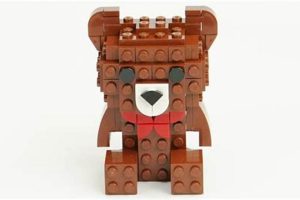
A comforting, child-friendly approach to dental care often involves the use of plush toys and a playful environment to alleviate anxiety and foster positive associations with oral hygiene. This strategy can include incorporating familiar characters, brightly colored decorations, and interactive elements within the dental setting. For example, a waiting room might feature a play area with toy teeth and brushes, or a dentist might use a stuffed bear to demonstrate proper brushing techniques.
Creating a positive and engaging atmosphere is essential for children’s dental health. Early positive experiences can establish lifelong habits of proper oral care and reduce the likelihood of dental anxiety in adulthood. Historically, dental visits have often been perceived as stressful, especially for young patients. This approach represents a shift towards a more empathetic and child-centered model of care, acknowledging the emotional needs of children and striving to make dental visits less intimidating and more enjoyable.
This focus on a supportive and engaging environment naturally leads to a discussion of various techniques and strategies employed in pediatric dentistry, such as tell-show-do, positive reinforcement, and age-appropriate communication. Further exploration of these topics will provide a deeper understanding of how to best support children’s oral health and well-being.
Tips for a Positive Dental Experience for Children
Creating a comfortable and positive experience is crucial for fostering good oral hygiene habits in children. The following tips offer strategies to alleviate anxiety and promote a lifelong commitment to dental health.
Tip 1: Introduce Dental Concepts Early: Begin familiarizing children with dental care from infancy. Using age-appropriate books, videos, and even playful songs about brushing can establish a foundation for positive associations with oral hygiene.
Tip 2: Create a Fun and Engaging Environment: Transform the dental experience by incorporating playful elements. Plush toys, colorful decorations, and interactive games can help distract from anxiety and create a more welcoming atmosphere.
Tip 3: Model Positive Behavior: Children often learn by observing. Demonstrate proper brushing and flossing techniques and share positive experiences about dental visits to instill confidence and encourage healthy habits.
Tip 4: Utilize Positive Reinforcement: Praise and reward children for their cooperation during dental visits and for their daily oral hygiene routines. This positive reinforcement can further solidify positive associations with dental care.
Tip 5: Choose a Pediatric Dentist: Pediatric dentists specialize in the unique needs of children and adolescents. Their offices are typically designed to be child-friendly and their approach is tailored to alleviate anxiety and create a positive experience.
Tip 6: Schedule Regular Check-ups: Establish a routine of regular dental check-ups from an early age. Consistent visits can help prevent major dental issues and further normalize the experience for children.
Tip 7: Communicate Openly and Honestly: Explain dental procedures in age-appropriate language and address any concerns or fears with patience and understanding. Clear communication builds trust and reduces anxiety.
By implementing these strategies, caregivers can significantly impact a child’s perception of dental care, fostering positive associations and establishing healthy habits that will last a lifetime.
Ultimately, a positive approach to dental care, beginning in early childhood, contributes significantly to overall health and well-being throughout life.
1. Comfort

Comfort plays a pivotal role in pediatric dentistry, directly influencing a child’s perception of and cooperation with dental procedures. A comfortable environment mitigates anxiety and fosters a sense of safety, allowing children to engage more positively with the dental experience. This connection between comfort and positive dental experiences is central to the “teddy dental” approach, where strategies are employed to create a soothing and reassuring atmosphere. The presence of familiar objects, such as teddy bears, can provide a sense of security and reduce stress in unfamiliar surroundings. Soft textures, calming colors, and gentle music further contribute to a more relaxed atmosphere. For example, a child clutching a favorite plush toy during a dental examination may experience reduced anxiety due to the familiar comfort the toy provides.
The impact of a comfortable environment extends beyond immediate stress reduction. Positive early experiences contribute to long-term acceptance of dental care. A child who feels comfortable during dental visits is more likely to develop positive associations with oral hygiene, leading to better compliance with preventative care and a reduced likelihood of dental anxiety in adulthood. Conversely, a stressful or uncomfortable experience can create negative associations, potentially leading to avoidance of dental care and increased risk of dental problems later in life. This underscores the practical significance of prioritizing comfort in pediatric dental settings. A child-friendly environment, equipped with comfort-promoting elements, becomes a crucial tool for establishing healthy oral hygiene habits and promoting lifelong dental well-being.
Creating a comforting environment is not merely a superficial addition to pediatric dentistry; it is a fundamental aspect of effective care. The “teddy dental” approach, with its emphasis on comfort, acknowledges the emotional needs of children and strives to create a positive, non-threatening experience. This approach reduces immediate distress and contributes significantly to the development of positive long-term attitudes towards dental health. Addressing the need for comfort directly improves the efficacy of dental care and lays the groundwork for a lifetime of healthy smiles.
2. Child-friendly environment

A child-friendly environment forms the cornerstone of the “teddy dental” approach, directly influencing a child’s perception of and cooperation with dental care. This environment transcends mere decoration; it represents a carefully curated space designed to mitigate anxiety and foster positive associations with oral hygiene. Cause and effect are clearly linked: a welcoming, engaging atmosphere reduces stress, promoting cooperation and facilitating effective dental care. Bright colors, playful murals, and age-appropriate toys transform the dental setting from a potentially intimidating space into a welcoming haven. The presence of familiar comfort objects, like teddy bears, further enhances this sense of security, allowing children to feel more at ease in an unfamiliar environment. For example, a waiting room designed as a play area, complete with toy dental instruments, can demystify dental procedures and encourage active engagement, replacing apprehension with curiosity.
The importance of a child-friendly environment as a component of “teddy dental” cannot be overstated. It serves as the foundation upon which trust and positive associations are built. Consider a child encountering a dental office for the first time. A sterile, impersonal waiting room can exacerbate pre-existing anxieties. Conversely, a brightly colored space filled with toys and books can immediately put the child at ease. This initial impression sets the tone for the entire dental experience. A child who feels comfortable and safe is more likely to cooperate with dental professionals, facilitating effective examinations and treatments. Furthermore, positive early experiences contribute significantly to the development of long-term positive attitudes toward dental care, promoting lifelong oral hygiene habits. Practical applications of this understanding include the incorporation of interactive elements, such as touch screens with educational games, and the provision of comfort items, such as blankets and stuffed animals. These seemingly small details can significantly impact a child’s perception of the dental environment.
A child-friendly environment is not simply an aesthetic consideration; it is a crucial element of effective pediatric dental care. Its impact extends beyond immediate comfort, shaping long-term attitudes towards oral health. By prioritizing a welcoming and engaging atmosphere, the “teddy dental” approach lays the groundwork for positive dental experiences, reducing anxiety and promoting a lifetime of healthy smiles. This approach recognizes the unique needs of young patients, demonstrating a commitment to comprehensive care that extends beyond clinical procedures to encompass the emotional well-being of the child.
3. Reduced Anxiety

Minimizing anxiety is a paramount concern in pediatric dentistry, directly impacting a child’s willingness to cooperate with examinations and procedures. The “teddy dental” approach recognizes this crucial connection, employing strategies specifically designed to alleviate anxiety and foster a positive dental experience. A calm and comfortable child is more receptive to dental care, enabling professionals to provide effective treatment and establish healthy oral hygiene habits.
- Familiar Comfort Objects:
The presence of familiar objects, such as teddy bears or favorite blankets, provides a sense of security and reduces anxiety in unfamiliar settings. These objects act as tangible anchors to comfort, helping children feel safe and grounded during dental procedures. A child clutching a beloved teddy bear, for example, may experience less distress during an examination due to the familiar comfort the toy provides. This can lead to increased cooperation and a more positive overall experience.
- Playful Distraction:
Utilizing playful distraction techniques, such as incorporating toys, games, and engaging visuals within the dental environment, can divert attention away from anxiety-inducing procedures. A waiting room equipped with interactive games, for example, can transform the waiting period from a source of apprehension into an enjoyable experience. Similarly, allowing a child to hold a small toy during a procedure can provide a focal point for attention, minimizing focus on the dental work and reducing perceived stress.
- Positive Reinforcement and Encouragement:
Positive reinforcement, including verbal praise and small rewards, reinforces cooperative behavior and builds positive associations with dental visits. Celebrating a child’s bravery during a procedure, for example, can instill confidence and reduce anxiety for future visits. This approach fosters a sense of accomplishment and promotes a positive outlook towards dental care, leading to greater compliance and reduced long-term anxiety.
- Child-Centered Communication:
Employing clear, age-appropriate language to explain procedures and address concerns empowers children and reduces anxiety stemming from the unknown. Explaining the steps of an examination using simple terms and demonstrating the use of instruments on a teddy bear, for instance, can demystify the process and alleviate fear. Open communication fosters trust and reduces the perception of threat, contributing to a more relaxed and positive experience.
These facets of anxiety reduction within the “teddy dental” approach work synergistically to create a supportive and positive dental experience. By addressing the emotional needs of young patients and prioritizing a calming atmosphere, this approach effectively minimizes anxiety, promoting cooperation and fostering a lifelong commitment to oral health. The reduction of anxiety is not merely a beneficial side effect; it is a central objective that directly contributes to the efficacy of dental care and the establishment of positive, long-term oral hygiene habits.
4. Positive Associations

Cultivating positive associations with dental care is fundamental to the “teddy dental” approach, directly influencing a child’s long-term oral health habits. Early experiences shape perceptions and attitudes, impacting future compliance with preventative care. Creating enjoyable and engaging dental visits fosters positive memories, reducing anxiety and promoting a lifelong commitment to oral hygiene. This section explores key facets contributing to the formation of these positive associations within the context of “teddy dental.”
- Comfort and Security
Associating dental visits with comfort and security establishes a foundation for positive experiences. The presence of familiar objects, such as a cherished teddy bear, can provide a sense of safety and reduce anxiety in an unfamiliar environment. Soft textures, calming colors, and gentle music further enhance this sense of comfort. A child who feels secure during a dental visit is more likely to develop positive associations with dental care, leading to greater cooperation and reduced anxiety in the future.
- Playful Interaction
Incorporating playful elements transforms the dental environment from a potentially intimidating space into a source of enjoyment. Interactive games, toys, and engaging visuals create opportunities for positive interaction, diverting attention away from anxiety-inducing procedures. Allowing a child to “examine” a teddy bear with toy dental instruments, for example, can demystify the process and foster positive associations with dental care through play.
- Positive Reinforcement
Positive reinforcement, such as verbal praise and small rewards, strengthens positive associations by rewarding cooperative behavior and celebrating bravery during dental visits. Acknowledging a child’s efforts and highlighting positive aspects of the experience creates positive memories and encourages future compliance. This approach reinforces the idea that dental visits can be a positive experience, reducing apprehension and promoting a sense of accomplishment.
- Building Trust and Rapport
Establishing trust and rapport between the child and dental professionals is essential for fostering positive associations. Clear, age-appropriate communication, empathetic interactions, and a patient, understanding demeanor contribute to a positive experience. When a child feels heard and understood, trust develops, reducing anxiety and fostering a positive perception of dental care. This trust becomes a cornerstone for future positive interactions and long-term oral health.
These interconnected facets contribute significantly to the formation of positive associations with dental care within the “teddy dental” framework. By prioritizing comfort, playfulness, positive reinforcement, and trust-building, this approach shapes a child’s perception of dental visits, transforming potential anxiety into positive anticipation and promoting a lifetime of healthy smiles. These positive associations become the foundation for consistent oral hygiene practices and contribute significantly to overall well-being.
5. Playful Interaction

Playful interaction serves as a cornerstone of the “teddy dental” approach, transforming the dental environment from a potential source of anxiety into an engaging and positive experience. This strategy leverages the innate curiosity and playfulness of children to foster comfort, build positive associations with dental care, and facilitate cooperation during procedures. By incorporating play-based strategies, the “teddy dental” approach aims to reshape the perception of dental visits, promoting a lifelong commitment to oral health through positive early experiences.
- Role-Playing and Simulation
Role-playing and simulation activities, often involving teddy bears or other plush toys, offer children a safe and engaging way to explore dental procedures. Allowing a child to “examine” a teddy bear with toy dental instruments demystifies the process and reduces anxiety associated with the unknown. This playful interaction transforms the dental experience from passive reception to active participation, fostering a sense of control and understanding. For example, a child might use a toy mirror and explorer to “check” the teddy bear’s teeth, mimicking the actions of a dentist and building familiarity with the tools and procedures.
- Interactive Games and Activities
Incorporating interactive games and activities within the dental setting provides a welcome distraction from potentially stressful procedures. Touchscreen games focused on oral hygiene, puzzles featuring dental characters, and interactive books about dental care transform the waiting area into a space of learning and entertainment. This playful engagement not only reduces anxiety but also reinforces positive messages about oral health, creating a fun and educational experience. For instance, a waiting room equipped with a large interactive screen displaying a game about brushing and flossing can engage children while subtly educating them about proper oral hygiene techniques.
- Storytelling and Narrative
Storytelling and narrative provide a powerful tool for engaging children’s imaginations and building positive associations with dental care. Reading stories about friendly dental characters, creating narratives around a teddy bear’s dental visit, or using puppets to explain procedures can capture a child’s attention and reduce anxiety. This approach leverages the power of narrative to frame dental care in a positive and accessible light, making it less intimidating and more relatable. For example, a dentist might use a hand puppet to explain the steps of a cleaning, engaging the child in a playful narrative that reduces fear and promotes understanding.
- Rewards and Positive Reinforcement
Integrating rewards and positive reinforcement into playful interactions further enhances positive associations. Small prizes, stickers, or certificates of bravery awarded after a successful dental visit reinforce cooperative behavior and create positive memories. This approach links dental care with positive outcomes, encouraging future compliance and fostering a sense of accomplishment. For instance, a “bravery certificate” presented after a procedure can transform a potentially stressful experience into a moment of pride and achievement, further solidifying positive associations with dental care.
These interconnected facets of playful interaction contribute significantly to the efficacy of the “teddy dental” approach. By creating a positive and engaging environment, playful interaction reduces anxiety, builds trust, and fosters a lifelong commitment to oral health. This approach transforms the dental experience from a potential source of apprehension into an opportunity for learning, growth, and positive engagement, ultimately promoting a lifetime of healthy smiles.
Frequently Asked Questions
This FAQ section addresses common inquiries regarding child-friendly dental approaches, aiming to provide clear and informative responses.
Question 1: At what age should a child’s first dental visit occur?
The recommended first dental visit typically coincides with the eruption of the first tooth or by a child’s first birthday. Early examination allows for preventative care and establishes a foundation for positive dental experiences.
Question 2: How can dental anxiety in children be effectively managed?
Strategies for managing dental anxiety include creating a calming environment, utilizing playful distraction techniques, employing positive reinforcement, and ensuring clear communication. Building trust between the child and dental professionals is crucial.
Question 3: What role do parents or caregivers play in promoting positive dental habits?
Parents and caregivers play a vital role in modeling good oral hygiene practices, creating a supportive environment, and ensuring regular dental check-ups. Their involvement significantly impacts a child’s long-term dental health.
Question 4: Are there specific dental procedures tailored to children?
Pediatric dentists offer specialized procedures designed for children’s developing teeth and jaws. These procedures often incorporate techniques to minimize discomfort and maximize cooperation.
Question 5: What are the long-term benefits of early childhood dental care?
Early childhood dental care establishes a foundation for lifelong oral health, reducing the risk of future dental problems, promoting positive oral hygiene habits, and minimizing dental anxiety in adulthood.
Question 6: How does a child-friendly dental environment contribute to positive experiences?
A child-friendly environment, characterized by comforting elements and engaging features, minimizes anxiety and fosters positive associations with dental visits. This positive perception encourages cooperation and promotes long-term dental health.
Establishing positive dental experiences during childhood is an investment in lifelong oral health and overall well-being.
For further information or specific concerns, consulting with a pediatric dentist is recommended.
Conclusion
This exploration of a comfort-focused approach to pediatric dentistry emphasizes the significance of creating positive early experiences to shape lifelong oral health habits. Key elements discussed include the establishment of a comforting environment, the utilization of playful interaction, and the crucial role of anxiety reduction in fostering cooperation and building trust. The multifaceted benefits of this approach extend beyond immediate comfort, impacting long-term oral hygiene practices and overall well-being.
Prioritizing a positive and supportive approach to pediatric dental care represents an investment in a future generation’s oral health. By fostering positive associations with dental visits from an early age, the foundation is laid for a lifetime of healthy smiles and a reduced prevalence of dental anxiety. Continued focus on these principles promises significant advancements in pediatric dental care and improved oral health outcomes for generations to come.