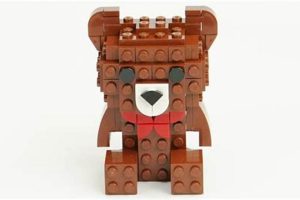
A nurturing childcare environment often incorporates familiar and comforting elements to ease children’s transitions and foster a sense of security. Soft toys, like the classic plush bear, can play a significant role in creating such an atmosphere. These comforting objects can offer emotional support, especially during challenging periods like separation from parents or adapting to new surroundings. Imagine a thoughtfully designed play area filled with these cuddly companions, offering a haven for quiet moments and imaginative play.
Early childhood settings that prioritize emotional well-being contribute significantly to a child’s overall development. A sense of comfort and security allows children to explore, learn, and socialize more confidently. Historically, transitional objects have been recognized for their ability to soothe and reassure young children. Integrating these elements into childcare practices reflects an understanding of children’s emotional needs and a commitment to creating a supportive environment. This approach can lead to improved social-emotional development, reduced anxiety, and a smoother transition into structured learning environments.
The following sections will further explore the practical applications of creating comforting spaces within childcare, focusing on design considerations, age-appropriate strategies, and the role of caregivers in fostering emotional security.
Tips for Creating a Comforting Childcare Environment
Creating a nurturing and supportive atmosphere is crucial for children’s emotional well-being within childcare settings. The following tips offer practical strategies for fostering a sense of security and comfort.
Tip 1: Incorporate Soft, Tactile Elements: Plush toys, soft blankets, and comfortable furnishings can create a sense of warmth and security, helping children feel at ease in a new environment.
Tip 2: Designate Quiet Zones: Dedicated quiet areas allow children to retreat when overwhelmed or simply seeking a moment of calm. These spaces can be equipped with comfortable seating, soft lighting, and calming sensory items.
Tip 3: Establish Consistent Routines: Predictable routines and schedules provide a sense of stability and reduce anxiety, particularly during transitions between activities.
Tip 4: Encourage Emotional Expression: Create opportunities for children to express their feelings through art, music, or storytelling. Providing a safe space for emotional expression helps children develop healthy coping mechanisms.
Tip 5: Foster Positive Relationships: Nurturing relationships between caregivers and children build trust and security. Consistent caregivers provide a sense of stability and emotional support.
Tip 6: Personalize the Space: Allow children to bring familiar items from home, such as a favorite blanket or stuffed animal, to help bridge the gap between home and childcare.
Tip 7: Utilize Calming Sensory Experiences: Incorporate calming sensory activities like soft music, dim lighting, or aromatherapy to create a relaxing and soothing environment.
By implementing these strategies, childcare environments can effectively support children’s emotional well-being, promoting a sense of security and fostering positive development.
These practical tips offer a starting point for enhancing childcare settings. The subsequent conclusion will summarize the key takeaways and reinforce the importance of prioritizing children’s emotional needs within early childhood care.
1. Emotional Security

Emotional security forms the bedrock of a child’s healthy development, particularly within childcare settings. It provides the foundation for exploration, learning, and social interaction. In the context of childcare incorporating elements like comforting toys, often symbolized by “teddy bears,” emotional security becomes a central theme, influencing a child’s ability to thrive in a new environment.
- Sense of Belonging
A secure environment fosters a sense of belonging, crucial for children adjusting to separation from primary caregivers. Familiar objects, like a cherished plush toy, can bridge the gap between home and childcare, providing a tangible link to familiar comfort. A child arriving at childcare and immediately reaching for their toy demonstrates this connection, finding solace in a familiar object amidst unfamiliar surroundings. This sense of belonging allows them to engage more confidently with their new environment.
- Reduced Anxiety
Transitioning to childcare can be anxiety-provoking for young children. The presence of comforting objects and a nurturing environment can significantly reduce anxiety levels. A child clinging to their toy during a potentially stressful moment, such as meeting new children, illustrates the calming effect of these objects. Reduced anxiety allows children to participate more fully in activities and form positive relationships.
- Increased Confidence
When children feel emotionally secure, their confidence flourishes. They are more likely to explore their surroundings, interact with peers, and engage in new experiences. A child confidently showing their toy to a new friend demonstrates this increased self-assuredness, facilitated by the emotional security provided by the familiar object and the supportive environment. This confidence translates into a greater willingness to learn and grow.
- Resilience and Coping Skills
Emotional security equips children with essential coping mechanisms. A comforting object can serve as a source of strength during challenging moments, helping children navigate difficult emotions and develop resilience. A child quietly seeking comfort from their toy after a minor disagreement showcases the development of these coping skills. This ability to self-soothe contributes to emotional regulation and long-term well-being.
These interconnected facets of emotional security highlight the significant role that a nurturing environment, often symbolized by the presence of comforting toys, plays in a child’s overall development within childcare. By prioritizing emotional security, childcare providers create a foundation for children to thrive socially, emotionally, and cognitively. The image of a child happily playing with their toy alongside their peers encapsulates the positive impact of emotional security within a supportive childcare setting.
2. Transitional Objects

Transitional objects play a significant role in early childhood development, particularly within childcare settings. These objects, often a soft toy or blanket, provide comfort and security during times of stress or transition. Within the context of childcare that emphasizes comfort and familiarity, akin to the symbolic representation of “teddy bears childcare,” transitional objects become crucial tools for supporting children’s emotional well-being. A child entering a new childcare environment may experience separation anxiety. A familiar transitional object, such as a beloved teddy bear, can offer a sense of continuity and security, easing the transition and reducing stress. This object acts as a tangible link to the familiar comfort of home, facilitating adaptation to the new environment. Consider a child clutching their teddy bear during their first day at childcare; the object provides a sense of comfort and familiarity in an unfamiliar setting.
The presence of transitional objects can also facilitate exploration and play within the childcare setting. By providing a sense of security, these objects empower children to engage with their surroundings more confidently. A child feeling secure with their teddy bear nearby might be more willing to interact with other children or explore new toys. This connection between transitional objects and increased confidence is a significant factor in successful adaptation to childcare. For example, a child might bring their teddy bear to the play area, using it as a source of comfort while engaging in new activities and interacting with peers. This demonstrates the practical application of transitional objects in fostering confidence and promoting positive social interaction.
Understanding the importance of transitional objects within a comforting childcare environment enables caregivers to better support children’s emotional needs. By recognizing the value of these objects, caregivers can create a more nurturing and supportive atmosphere. Acknowledging a child’s attachment to their transitional object validates their feelings and reinforces the sense of security. Furthermore, incorporating transitional objects into daily routines, such as naptime or story time, can further enhance their comforting effect. While challenges may arise, such as managing hygiene or dealing with lost objects, the benefits of supporting children’s use of transitional objects in childcare significantly outweigh these considerations. By recognizing the connection between transitional objects and emotional security, childcare providers can create an environment that fosters healthy development and promotes a smooth transition into the childcare setting. This understanding underscores the crucial role of comfort and familiarity, symbolized by the concept of “teddy bears childcare,” in promoting children’s well-being.
3. Comfort and Familiarity

Comfort and familiarity are foundational elements in early childhood development, especially within childcare settings. These elements contribute significantly to a child’s sense of security and well-being, allowing them to adapt to new environments and thrive emotionally. The concept of “teddy bears childcare,” emphasizing a nurturing and comforting atmosphere, highlights the importance of these elements. Consider a child starting childcare for the first time; the unfamiliar environment can be daunting. However, the presence of familiar elements, such as soft furnishings, calming colors, and opportunities to engage with comforting objects like plush toys, can significantly ease this transition. This connection between familiarity and reduced anxiety is crucial for a child’s positive experience in childcare. A familiar toy from home, much like a symbolic teddy bear, can provide a sense of continuity and security in the new setting. This tangible link to the familiar helps children feel safe and grounded, enabling them to explore their new surroundings with greater confidence.
The impact of comfort and familiarity extends beyond initial adjustment. These elements contribute to a child’s ongoing emotional well-being within the childcare environment. A comfortable and familiar space encourages exploration, play, and social interaction. Children are more likely to engage with their peers and participate in activities when they feel secure and at ease. Imagine a childcare setting designed with soft play areas, quiet corners for retreat, and opportunities for children to engage with comforting objects. This environment fosters a sense of belonging and encourages positive social interactions. A child feeling comfortable in their surroundings is more likely to approach new experiences with confidence, fostering a sense of independence and resilience. This illustrates the practical significance of prioritizing comfort and familiarity in childcare design and practice.
Creating a childcare environment that prioritizes comfort and familiarity requires thoughtful consideration. Factors such as the design of the physical space, the establishment of consistent routines, and the nurturing interactions between caregivers and children all contribute to this sense of security. While challenges may arise, such as maintaining hygiene standards with comforting objects or addressing individual preferences, the benefits of fostering comfort and familiarity significantly outweigh these considerations. By understanding the profound impact of these elements on children’s emotional well-being, childcare providers can create nurturing environments that promote healthy development and support children’s successful transition and ongoing experience within childcare. This understanding underscores the fundamental principles of “teddy bears childcare,” emphasizing the creation of a secure and comforting space where children can thrive.
4. Reduced Anxiety

Reduced anxiety is a critical outcome and a central component of childcare philosophies that emphasize comfort and security, often symbolized by the “teddy bears childcare” concept. The link between reduced anxiety and this approach to childcare is multifaceted, involving both the physical environment and the emotional support provided. Anxiety in young children within childcare settings often stems from separation from primary caregivers and the unfamiliarity of the new environment. Strategies that promote comfort and familiarity, such as the presence of soft furnishings, calming colors, and access to comforting objects like plush toys, can directly mitigate these anxieties. A child entering a new childcare space might experience significant separation anxiety. However, upon seeing a familiar and comforting object, such as a beloved teddy bear brought from home, the child’s anxiety levels can decrease noticeably. This demonstrates the tangible impact of familiar comfort on reducing anxiety in young children.
The presence of comforting objects, often exemplified by teddy bears, offers more than just a sense of familiarity. These objects can act as transitional objects, providing a sense of continuity and security during stressful periods. A child experiencing anxiety due to an unfamiliar activity or interaction with a new peer might find solace in holding their teddy bear. The familiar tactile sensation and the emotional connection to the object can provide a sense of calm and control, helping the child regulate their emotions and reduce anxiety. This self-soothing behavior, facilitated by the presence of the comforting object, contributes to the child’s overall emotional well-being and ability to adapt to the childcare environment. For example, a child might use their teddy bear as a source of comfort during naptime, a typically anxiety-inducing period for children adjusting to childcare routines. The presence of the familiar object can ease the transition and promote a sense of security, leading to reduced anxiety and improved sleep.
Creating a childcare environment that effectively reduces anxiety requires a comprehensive approach. While comforting objects play a significant role, other factors, such as consistent routines, nurturing caregiver interactions, and a thoughtfully designed physical space, are equally important. Addressing potential challenges, such as maintaining hygiene with comforting objects or navigating individual children’s preferences and attachments, is crucial for successful implementation. However, the benefits of reduced anxiety in childcare, including improved emotional regulation, increased engagement in activities, and enhanced social interaction, significantly outweigh these challenges. By prioritizing reduced anxiety as a key outcome, childcare providers can create nurturing environments that support children’s emotional well-being and foster a positive childcare experience. This understanding reinforces the core principles of “teddy bears childcare,” highlighting the importance of comfort, security, and emotional support in early childhood development.
5. Enhanced Play
Enhanced play experiences are a crucial outcome of childcare environments that prioritize comfort and security, often symbolized by the concept of “teddy bears childcare.” The presence of familiar and comforting objects, like plush toys, can significantly impact children’s play behaviors, fostering creativity, social interaction, and emotional development. This connection between enhanced play and a nurturing environment is multifaceted and warrants further exploration.
- Increased Confidence and Exploration
When children feel secure and comfortable, their confidence to explore new play environments and engage with unfamiliar toys increases. A comforting object, like a teddy bear, can act as a source of security, empowering children to venture out and engage in more complex play scenarios. A child might bring their teddy bear to the block area, using it as a familiar companion while experimenting with new building structures. This demonstrates how a sense of comfort can translate into increased confidence and a willingness to explore new play opportunities.
- Facilitated Social Interaction
Comforting objects can also serve as catalysts for social interaction among children. Sharing a beloved toy or incorporating it into pretend play scenarios can create opportunities for communication, cooperation, and the development of social skills. Children might engage in pretend play with their teddy bears, creating narratives and interacting with each other through their toys. This shared experience fosters communication and strengthens social bonds within the childcare setting.
- Emotional Expression and Processing
Play provides a safe space for children to express and process emotions. Comforting objects can become integral parts of this process, allowing children to project their feelings onto the toy and act out different scenarios. A child might use their teddy bear to act out a scenario involving separation from a parent, expressing their anxieties and working through their feelings through play. This demonstrates how comforting objects can facilitate emotional expression and contribute to emotional regulation within the childcare environment.
- Enhanced Creativity and Imagination
Comforting objects often become incorporated into imaginative play scenarios, enriching children’s creativity and expanding their play experiences. A teddy bear might become a pilot, a doctor, or a superhero within a child’s imaginative world, fostering creative thinking and problem-solving skills. This integration of comforting objects into imaginative play demonstrates their potential to enhance creativity and enrich play experiences.
These interconnected facets of enhanced play demonstrate the significant impact of a comforting and nurturing childcare environment, symbolized by “teddy bears childcare,” on children’s development. By fostering a sense of security and providing access to comforting objects, childcare providers can create an environment where children feel empowered to explore, interact, express themselves, and engage in rich, imaginative play. This emphasis on enhanced play contributes significantly to children’s social, emotional, and cognitive growth within the childcare setting.
6. Nurturing Environment

A nurturing environment is fundamental to a “teddy bears childcare” approach, signifying a space where comfort, security, and emotional support are prioritized. This environment fosters a sense of belonging and well-being, crucial for children’s healthy development within childcare settings. The connection between a nurturing environment and the symbolic representation of “teddy bears childcare” lies in the creation of a space that emulates the familiar comfort and security often associated with childhood transitional objects. This connection fosters resilience, encourages exploration, and promotes positive social-emotional development. Consider a child entering childcare for the first time; a nurturing environment, characterized by soft furnishings, calming colors, and the presence of comforting objects, can significantly ease the transition and reduce anxiety. This demonstrates the practical application of a nurturing environment in supporting children’s adjustment to childcare. Furthermore, a nurturing environment extends beyond the physical space. Consistent routines, responsive caregiver interactions, and opportunities for emotional expression contribute to a child’s overall sense of security and well-being.
The benefits of a nurturing environment within a “teddy bears childcare” philosophy are multifaceted. Children in nurturing environments exhibit increased confidence, engage more readily in play, and develop stronger social-emotional skills. They are more likely to explore their surroundings, interact positively with peers, and express their emotions constructively. For instance, a child within a nurturing environment might feel comfortable approaching a caregiver for support during a challenging moment or confidently engaging in pretend play with other children. This demonstrates the positive impact of a nurturing environment on children’s behavior and interactions. Moreover, a nurturing environment contributes to children’s long-term development, fostering resilience, adaptability, and a positive sense of self. This foundation of emotional security supports their future learning and social interactions.
Creating and maintaining a nurturing environment requires ongoing effort and attention. Challenges may arise, such as managing hygiene with comforting objects or addressing individual children’s needs and preferences. However, the significant benefits of a nurturing environment, as exemplified by the “teddy bears childcare” concept, warrant prioritizing this approach. By focusing on creating a space that fosters comfort, security, and emotional support, childcare providers can positively influence children’s development and create a positive childcare experience. This understanding reinforces the importance of a nurturing environment as a core component of quality childcare.
7. Social-Emotional Development
Social-emotional development is a critical aspect of early childhood, significantly influenced by the childcare environment. “Teddy bears childcare,” symbolizing a nurturing and comforting approach, plays a vital role in fostering this development. The connection lies in the creation of a secure and supportive space where children can develop essential social-emotional skills. This approach recognizes the importance of emotional security as a foundation for positive social interactions, self-regulation, and overall well-being. The following facets explore this connection in greater detail.
- Self-Regulation
Self-regulation, the ability to manage emotions and behaviors, is crucial for social-emotional development. “Teddy bears childcare” fosters self-regulation by providing a sense of security and comfort. A child might use a comforting object, like a teddy bear, to self-soothe during moments of stress or frustration, developing coping mechanisms and emotional regulation skills. This ability to manage emotions contributes to positive social interactions and reduces challenging behaviors.
- Empathy and Social Understanding
Empathy, the ability to understand and share the feelings of others, develops within nurturing social environments. “Teddy bears childcare,” by emphasizing emotional security and positive relationships, cultivates empathy. Children in such environments are more likely to demonstrate concern for others and engage in prosocial behaviors. A child comforting a peer who is upset demonstrates empathy fostered within a supportive environment.
- Positive Relationships
Secure attachments with caregivers and positive peer relationships are essential for social-emotional well-being. The nurturing environment fostered within “teddy bears childcare” promotes these relationships. Consistent caregiver interactions and opportunities for social interaction contribute to children’s ability to form and maintain healthy relationships. A child confidently approaching a caregiver for assistance or engaging in cooperative play with peers exemplifies the positive impact of secure relationships.
- Conflict Resolution
Conflict resolution skills are vital for navigating social interactions. “Teddy bears childcare,” by fostering emotional regulation and empathy, supports the development of these skills. Children in such environments are better equipped to manage disagreements, express their needs effectively, and find solutions to conflicts. A child using words to express frustration during a disagreement, rather than resorting to physical aggression, demonstrates developing conflict resolution skills.
These interconnected facets highlight the profound impact of “teddy bears childcare” on social-emotional development. By creating an environment that prioritizes comfort, security, and emotional support, childcare providers contribute significantly to children’s ability to navigate social situations, manage emotions, and form positive relationships. This approach fosters resilience, promotes positive self-esteem, and equips children with essential social-emotional skills for future success. The image of a child confidently interacting with peers, expressing empathy, and resolving conflicts peacefully embodies the positive outcomes of this approach.
Frequently Asked Questions
This section addresses common inquiries regarding childcare practices that prioritize comfort and security, often symbolized by the concept of “teddy bears childcare.”
Question 1: How does a comfort-focused childcare approach impact children’s independence?
While comfort and security are essential, they are implemented in a way that fosters independence. Children are encouraged to explore, make choices, and engage in self-help skills within a supportive environment. The presence of comforting elements simply provides a secure base from which they can confidently venture out and develop independence.
Question 2: What are the hygiene considerations regarding comforting objects like plush toys in childcare?
Hygiene protocols are crucial. Regular cleaning and sanitization of comforting objects are implemented to maintain a healthy environment. Individualized approaches, such as assigning specific toys to each child, are also employed. Parents may be encouraged to provide washable toys or participate in cleaning routines.
Question 3: Can a focus on comfort hinder a child’s ability to cope with challenging situations outside of childcare?
The goal is to equip children with coping mechanisms, not to shield them from challenges. A comfort-focused approach provides children with the emotional security to develop resilience and navigate difficult situations. By experiencing comfort and support within childcare, children develop a foundation for managing stress and navigating challenges in various settings.
Question 4: How does “teddy bears childcare” address the developmental needs of children across different age groups?
Strategies are adapted to suit different age groups. While younger children might benefit significantly from transitional objects and sensory comfort, older children’s needs may shift towards social-emotional support and opportunities for autonomy within a secure environment. The core principle of providing a nurturing and supportive atmosphere remains consistent across all age groups.
Question 5: What role do caregivers play in fostering a comfort-focused childcare environment?
Caregivers are central to this approach. They provide emotional support, establish consistent routines, and create a nurturing atmosphere. They are trained to understand children’s emotional needs and respond sensitively, fostering secure attachments and promoting emotional regulation. Caregiver interactions form the foundation of a comfort-focused childcare setting.
Question 6: How can parents support the “teddy bears childcare” philosophy at home?
Collaboration between childcare providers and parents is key. Parents can reinforce the comfort-focused approach by establishing consistent routines at home, providing opportunities for emotional expression, and validating children’s feelings. Open communication between parents and caregivers ensures a cohesive approach to supporting children’s emotional well-being.
Prioritizing comfort and security in childcare fosters emotional well-being, resilience, and positive social-emotional development. Addressing these common questions clarifies the practical implementation and benefits of this approach.
The next section explores practical tips for implementing a “teddy bears childcare” approach within various childcare settings.
Conclusion
This exploration of comfort and security in childcare, often symbolized by the evocative phrase “teddy bears childcare,” has highlighted the profound impact of these elements on children’s emotional well-being and overall development. From the calming presence of transitional objects to the establishment of nurturing environments and the fostering of positive relationships, the multifaceted nature of this approach underscores its significance within early childhood care. Key benefits, including reduced anxiety, enhanced play experiences, and the development of crucial social-emotional skills, demonstrate the transformative potential of prioritizing comfort and security in childcare settings. Addressing practical considerations, such as hygiene protocols and age-appropriate adaptations, ensures effective implementation of this philosophy. Furthermore, the collaborative role of caregivers and parents in reinforcing these principles emphasizes a holistic commitment to children’s emotional well-being.
Prioritizing comfort and security within childcare is not merely a matter of creating a superficially pleasant environment. It represents a fundamental investment in children’s emotional resilience, social competence, and future well-being. By embracing the principles of nurturing care, childcare providers contribute significantly to the development of well-adjusted, confident, and emotionally secure individuals prepared to thrive in an increasingly complex world. Continued research and advocacy for comfort-focused childcare practices will further advance this vital aspect of early childhood development and ensure that all children benefit from the profound positive impact of a nurturing and supportive childcare experience.