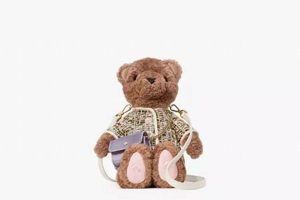
Centerpieces featuring stuffed teddy bears offer a charming and often nostalgic touch to various events, from children’s birthday parties and baby showers to whimsical weddings and even festive holiday gatherings. They can range from simple arrangements with a single plush toy surrounded by flowers or balloons to elaborate displays incorporating multiple bears, tiered stands, and themed props.
Such decorative focal points contribute significantly to the overall ambiance, adding a touch of warmth, playfulness, and personality. They can effectively reinforce the event’s theme, evoke cherished childhood memories, and create a welcoming atmosphere for guests of all ages. Historically, teddy bears have held a special place in popular culture, symbolizing comfort and affection, making them a naturally appealing element for celebratory occasions.
Explorations of this decorative concept might encompass diverse themes (e.g., classic, rustic, modern), various bear types and sizes, suitable accompanying elements (e.g., flowers, ribbons, lights), and practical tips for creating visually appealing and structurally sound arrangements. Budget considerations and DIY versus professionally designed options are also relevant aspects to consider.
Tips for Crafting Teddy Bear Centerpieces
Successful teddy bear centerpieces require careful planning and execution. These tips offer guidance for creating visually appealing and structurally sound arrangements.
Tip 1: Consider the Occasion: Formal events might benefit from smaller, more subtly integrated bears, perhaps paired with elegant floral arrangements. Children’s parties allow for more whimsical and vibrant designs.
Tip 2: Choose the Right Bears: Size, color, and style should complement the overall theme. Vintage bears can add a touch of nostalgia, while newer plush toys offer a contemporary feel.
Tip 3: Select Appropriate Containers: Baskets, boxes, tiered stands, or even repurposed vintage items can serve as bases. The container should be sturdy enough to support the arrangement.
Tip 4: Incorporate Complementary Elements: Flowers, ribbons, balloons, greenery, and themed props can enhance the centerpiece. Consider color coordination and texture for visual harmony.
Tip 5: Secure the Arrangement: Use floral foam, adhesive putty, or wire to secure the bears and other elements, preventing them from shifting or falling.
Tip 6: Consider Height and Visibility: Ensure the centerpiece does not obstruct guests’ views across the table. Varying heights can add visual interest.
Tip 7: Plan for Transportation and Setup: If transporting the centerpieces, consider their fragility and design accordingly. Pre-assembly can simplify setup at the venue.
By considering these tips, one can create teddy bear centerpieces that are both visually appealing and appropriate for the specific event, enhancing the overall atmosphere and creating a memorable experience.
These guidelines offer a starting point for crafting unique and charming centerpieces. Further exploration of individual styles and preferences will allow for truly personalized creations.
1. Theme

Thematic coherence is paramount in centerpiece design, serving as the conceptual anchor for all stylistic choices. A clearly defined theme provides direction for the selection of teddy bears and accompanying elements, ensuring a harmonious and impactful visual narrative. For instance, a “Woodland Adventure” theme might feature brown bears nestled amongst faux moss, twigs, and miniature pine cones. Conversely, a “Princess Tea Party” might showcase plush bears adorned with tiaras and pearls, surrounded by pastel-colored flowers and delicate lace.
Theme selection dictates not only the aesthetic components but also influences the overall atmosphere of the event. A vintage-inspired theme might evoke nostalgia through the use of antique teddy bears and aged containers, while a nautical theme might incorporate blue and white striped ribbons, miniature sailboats, and plush bears dressed as sailors. Careful thematic execution strengthens the event’s identity, creating a more immersive and memorable experience for attendees.
Understanding the crucial role of theme allows for more effective and impactful centerpiece design. By establishing a clear thematic direction, cohesiveness is achieved amongst all decorative elements, transforming individual components into a unified and engaging visual narrative. This ultimately enhances the overall aesthetic and atmosphere of the event, contributing to a more successful and memorable occasion. Challenges may arise in maintaining thematic consistency while balancing aesthetic appeal and practical considerations such as budget and available resources. However, a well-defined theme serves as a valuable guide throughout the design process, facilitating informed decision-making and contributing to a cohesive and impactful final product.
2. Bear Selection
Appropriate bear selection is crucial for effective teddy bear centerpiece design. The chosen bears significantly impact the overall aesthetic and thematic coherence. Careful consideration of size, color, style, and quantity contributes to a visually appealing and conceptually sound arrangement. The following facets highlight the importance of strategic bear selection.
- Size and Scale
Bear size should be proportionate to the centerpiece’s scale and the surrounding environment. Oversized bears might overwhelm a small table, while miniature bears could get lost in a larger arrangement. Consider the viewing distance and the overall dimensions of the event space. A grand ballroom might necessitate larger bears for visibility, whereas an intimate setting might benefit from smaller, more delicate plush toys.
- Color Palette
Bear color should harmonize with the event’s color scheme and the overall theme. Neutral-colored bears offer versatility, blending seamlessly with various color palettes. Brightly colored bears can add a vibrant touch, particularly for children’s events. Consider using bears in shades that complement or contrast with the accompanying elements, such as flowers, ribbons, or tablecloths. A monochromatic scheme can create a sophisticated look, while a contrasting palette can add visual interest.
- Style and Design
Bear style should align with the event’s theme and desired aesthetic. Classic teddy bears evoke a sense of timeless charm, while character-themed bears can add a playful touch. Vintage or antique bears can contribute to a nostalgic or whimsical atmosphere. Consider the event’s formality and target audience. A formal wedding might benefit from elegant, traditionally styled bears, while a child’s birthday party might incorporate more whimsical or cartoonish designs.
- Quantity and Arrangement
The number of bears used and their arrangement within the centerpiece significantly impact the overall visual impact. A single, prominent bear can serve as a focal point, while multiple smaller bears can create a sense of abundance and playfulness. Consider the size and shape of the container and the desired density of the arrangement. A symmetrical arrangement can convey formality, while an asymmetrical arrangement can appear more dynamic and organic.
These facets of bear selection contribute significantly to the overall success of teddy bear centerpieces. By carefully considering size, color, style, and quantity, one can create visually appealing and thematically cohesive arrangements that enhance the event’s atmosphere and create a memorable experience. Strategic bear selection ensures that the centerpiece serves as an effective decorative element, contributing to the event’s overall aesthetic and thematic narrative.
3. Container Choice

Container choice plays a pivotal role in the overall aesthetic and structural integrity of teddy bear centerpieces. The container serves as the foundation, influencing the arrangement’s stability, visual appeal, and thematic coherence. Selecting an appropriate container requires careful consideration of size, shape, material, and its compatibility with the chosen teddy bears and accompanying decorative elements. The following facets highlight key aspects of container selection for teddy bear centerpieces.
- Size and Proportion
Container size should be proportionate to both the teddy bears and the overall scale of the centerpiece. An overly large container might dwarf smaller bears, while a small container might not provide sufficient space for a larger arrangement. The container’s dimensions should allow for a balanced and visually appealing composition, ensuring that the bears are neither cramped nor lost within excessive space. The table size also influences container choice; larger tables can accommodate larger containers, while smaller tables require more compact arrangements.
- Shape and Design
Container shape contributes significantly to the centerpiece’s visual appeal and thematic expression. Round baskets evoke a sense of classic charm, while square boxes offer a more modern aesthetic. Tiered stands create height and visual interest, showcasing multiple bears and decorative elements. The container’s design should complement the overall theme; a rustic theme might incorporate a wooden crate, while a vintage theme might utilize an antique teacup or porcelain bowl.
- Material and Texture
Container material influences the centerpiece’s overall aesthetic and durability. Wicker baskets offer a natural and rustic appeal, while metal containers provide a more contemporary and sleek look. Glass containers showcase the arrangement’s elements with clarity, while ceramic containers offer a classic and versatile option. Consider the event’s formality and the desired visual texture; a formal event might necessitate a more refined material like porcelain or silver, while a casual event might benefit from a more rustic material like wood or burlap.
- Stability and Functionality
The container must provide adequate stability to support the weight of the teddy bears and other decorative elements. A sturdy base prevents tipping or shifting, ensuring the centerpiece’s structural integrity. Consider the container’s weight and its ability to withstand potential bumps or movements. The container should also be functional for its intended purpose; a container with a wide opening facilitates easy arrangement, while a container with a narrow opening might require more intricate placement of elements.
These facets of container choice significantly impact the overall success of teddy bear centerpieces. Careful consideration of size, shape, material, and stability ensures that the container not only complements the teddy bears and other decorative elements but also provides a functional and visually appealing foundation for the entire arrangement. A well-chosen container enhances the centerpiece’s aesthetic impact and contributes to the overall ambiance of the event.
4. Complementary Elements

Complementary elements play a crucial role in enhancing teddy bear centerpieces, transforming simple arrangements into captivating focal points. These elements add depth, texture, and visual interest, while also reinforcing the chosen theme and creating a cohesive narrative. Careful selection and integration of complementary elements elevate the centerpiece’s overall aesthetic impact and contribute significantly to the event’s ambiance.
- Floral Accents
Flowers introduce natural beauty and fragrance, softening the plush texture of teddy bears. Roses signify elegance, while daisies convey innocence, aligning with specific event themes. The choice of floral accents should complement the bears’ colors and the overall color palette. For instance, pastel-colored flowers enhance a baby shower theme, while vibrant blooms suit a birthday celebration. The scale and quantity of flowers should balance the bears’ presence, avoiding overwhelming the arrangement.
- Textural Embellishments
Ribbons, fabrics, and natural materials like moss, twigs, or raffia add textural depth and visual interest. Satin ribbons convey elegance, while burlap adds a rustic touch. These elements can be used to wrap containers, create bows, or form a backdrop for the bears. Consider the event’s theme and the desired aesthetic when selecting textural embellishments. A rustic theme might incorporate natural elements like wood and twine, while a vintage theme might utilize lace and antique trims.
- Thematic Props
Thematic props reinforce the centerpiece’s narrative and create a cohesive visual story. Miniature toys, books, or decorative objects related to the event’s theme add personality and charm. For a baby shower, miniature baby bottles or rattles can be incorporated. For a birthday party, small toys or party hats can enhance the festive atmosphere. Thematic props should be carefully chosen to avoid cluttering the arrangement and maintain a balanced aesthetic.
- Lighting Effects
Subtle lighting enhances the centerpiece’s visual appeal, creating a warm and inviting ambiance. Fairy lights, battery-operated candles, or LED strips can be incorporated to add a soft glow. Lighting can be used to highlight specific elements within the arrangement, such as the teddy bears’ faces or the floral accents. Consider the event’s lighting conditions and the desired mood when selecting lighting effects. Soft, warm lighting creates a cozy atmosphere, while brighter lighting adds a more energetic vibe.
These complementary elements, when thoughtfully chosen and integrated, transform teddy bear centerpieces into captivating displays. By considering the event’s theme, color palette, and desired aesthetic, one can select elements that enhance the bears’ charm and create a cohesive and visually appealing arrangement. The strategic use of complementary elements elevates the centerpiece from a simple decoration to a key element in the event’s overall ambiance and narrative.
5. Arrangement Security

Arrangement security is a critical aspect of teddy bear centerpiece design, ensuring the integrity and longevity of these decorative creations. A secure arrangement not only maintains the desired aesthetic throughout the event but also prevents accidents and damage, preserving the centerpiece for potential future use. Several factors contribute to a secure and stable arrangement, safeguarding both the teddy bears and the accompanying elements.
- Structural Integrity
The centerpiece’s foundation must be structurally sound. This involves selecting a sturdy container capable of supporting the weight of the teddy bears and other elements. The container’s base should be stable and resistant to tipping. If necessary, additional support can be added beneath the container to ensure its stability on the table or display surface. A weak foundation can lead to collapse or shifting, compromising the arrangement’s aesthetic and potentially causing damage.
- Securing Materials
Appropriate securing materials are essential for preventing the bears and other elements from shifting or falling. Floral foam, adhesive putty, wire, or even discreetly placed fishing line can be used to anchor the components within the container. The choice of securing material depends on the weight and material of the items being secured. Heavier items might require more robust anchoring solutions, while lighter items can be secured with less intrusive methods.
- Environmental Considerations
External factors, such as wind or accidental bumps, can compromise the arrangement’s stability. For outdoor events, consider weighting the container or using anchoring mechanisms to prevent displacement by wind. For indoor events, place centerpieces away from high-traffic areas to minimize the risk of accidental contact. Protecting the arrangement from environmental factors ensures its longevity and preserves its intended appearance.
- Transportation and Handling
If the centerpiece needs to be transported, careful handling and secure packaging are crucial. Use appropriate packing materials to cushion the bears and prevent shifting during transit. Consider designing the arrangement in modules that can be easily assembled at the venue, minimizing the risk of damage during transportation. Secure transportation practices safeguard the centerpiece’s integrity, ensuring it arrives at the event in pristine condition.
By addressing these facets of arrangement security, creators of teddy bear centerpieces can ensure the longevity and visual appeal of their designs. A secure arrangement not only maintains the desired aesthetic but also safeguards against potential damage or accidents, preserving the centerpiece as a cherished decorative element. This careful attention to security transforms the centerpiece from a fleeting decoration into a potentially lasting keepsake.
6. Height and Visibility

Height and visibility are critical factors in teddy bear centerpiece design, impacting both the aesthetic appeal and the functionality of the arrangement. Appropriate height ensures the centerpiece contributes positively to the overall tablescape without obstructing guests’ views or hindering conversation. Careful consideration of vertical arrangement and strategic placement of elements ensures optimal visibility and enhances the centerpiece’s impact.
- Visual Balance and Proportion
Centerpiece height should be proportionate to the table’s dimensions and the surrounding dcor. Excessively tall arrangements can overwhelm the space and obstruct sightlines, while arrangements that are too short might get lost amongst other table settings. A well-proportioned centerpiece complements the table’s size and enhances the overall visual balance. For instance, a tall, slender centerpiece might suit a round table, drawing the eye upwards, while a shorter, wider arrangement might be more appropriate for a rectangular table.
- Sightline Considerations
Centerpieces should not obstruct guests’ views across the table. Maintaining clear sightlines facilitates conversation and interaction among attendees. The height and placement of elements within the centerpiece should be carefully considered to avoid creating visual barriers. For example, taller elements like large teddy bears or tall floral arrangements should be placed strategically to avoid blocking guests’ faces or hindering eye contact. Lower, more sprawling arrangements can be utilized to create visual interest without obstructing views.
- Emphasis and Focal Points
Height can be used strategically to create visual emphasis and draw attention to specific elements. Elevating certain features, such as a prominent teddy bear or a unique floral arrangement, creates focal points within the centerpiece, adding depth and visual interest. This can be achieved through the use of tiered stands, varied heights of floral stems, or the strategic placement of the bears themselves. Elevating key elements guides the viewer’s eye and enhances the centerpiece’s narrative.
- Accessibility and Functionality
While height adds visual interest, it should not compromise the centerpiece’s functionality. Guests should be able to easily reach for items on the table without having to navigate around or over the centerpiece. The arrangement should also be stable and secure to prevent accidental tipping or spillage. A well-designed centerpiece balances visual appeal with practicality, ensuring it enhances the dining experience without creating obstacles or inconveniences.
By carefully considering height and visibility, designers of teddy bear centerpieces can create visually appealing and functional arrangements that enhance the overall event ambiance. A well-proportioned and strategically arranged centerpiece contributes positively to the tablescape, facilitating conversation and creating a welcoming atmosphere. Balancing aesthetic appeal with practical considerations ensures the centerpiece serves its purpose effectively, enhancing both the visual and social aspects of the event.
7. Practicality

Practicality plays a crucial role in the successful execution of teddy bear centerpiece ideas. While aesthetic appeal is paramount, neglecting practical considerations can compromise the centerpiece’s functionality and overall impact. Several practical aspects influence the design, creation, and implementation of these arrangements.
Budget constraints often dictate material choices and the complexity of the design. Cost-effective options, such as repurposing existing containers or utilizing readily available materials like ribbons and balloons, can achieve visually appealing results without excessive expenditure. Time constraints also influence practicality; simpler designs requiring less assembly time might be favored for events with limited preparation time. Furthermore, the centerpiece’s intended lifespan influences material choices; single-use centerpieces for large events might prioritize cost-effectiveness over durability, while centerpieces intended for repeated use might necessitate more robust and higher-quality materials. For instance, a simple arrangement of teddy bears in a wicker basket adorned with readily available wildflowers offers a cost-effective and time-efficient solution for a casual birthday party. Conversely, a more elaborate centerpiece incorporating custom-made elements and intricate floral arrangements might be suitable for a high-profile event where budget is less of a constraint.
Transportation and storage represent further practical considerations. Centerpieces must be designed for safe and efficient transport to the event venue. Modular designs that can be easily assembled on-site minimize the risk of damage during transit. Similarly, storage requirements after the event should be considered. Compact and easily disassembled centerpieces simplify storage, particularly for individuals or organizations who plan to reuse the arrangements. Practicality extends beyond the event itself, encompassing the entire lifecycle of the centerpiece, from initial conception and creation to transportation, setup, and eventual storage or disposal. Balancing aesthetic aspirations with practical limitations ensures the centerpiece effectively serves its decorative purpose without creating logistical challenges or unnecessary expenses.
Frequently Asked Questions
This section addresses common inquiries regarding the creation and utilization of teddy bear-themed centerpieces.
Question 1: What types of events are suitable for teddy bear centerpieces?
While frequently associated with children’s events, teddy bear centerpieces can be adapted for various occasions, including baby showers, weddings with a whimsical theme, anniversary celebrations, and even holiday gatherings. Adaptation relies heavily on stylistic choices, such as bear selection and accompanying elements.
Question 2: How can one create teddy bear centerpieces on a budget?
Cost-effective approaches include utilizing readily available materials like inexpensive plush toys, repurposed containers (e.g., baskets, jars), and natural elements like branches or wildflowers. DIY approaches, focusing on simple yet effective arrangements, can significantly reduce expenses compared to professionally designed options.
Question 3: How does one ensure the stability of a teddy bear centerpiece?
Stability is crucial. Utilizing sturdy containers as bases and employing securing materials like floral foam, adhesive putty, or wire to anchor bears and other elements prevents shifting or tipping. Weighting the container’s base can further enhance stability, particularly for taller arrangements.
Question 4: What alternatives exist to traditional floral arrangements for teddy bear centerpieces?
Alternatives include incorporating balloons, ribbons, fabric drapes, greenery, seasonal decorations (e.g., pine cones, ornaments), books, miniature toys, or other thematically relevant props. These elements can complement or replace flowers entirely, offering diverse stylistic options.
Question 5: How can teddy bear centerpieces be adapted for different age groups?
Adaptation for different age groups involves careful selection of bear styles and accompanying elements. Classic, subtly integrated bears paired with elegant flowers suit adult events. More vibrant, character-themed bears and playful props are appropriate for children’s parties. Consider age-appropriate themes and color palettes.
Question 6: How can one store teddy bear centerpieces for future use?
Disassembling arrangements and storing components separately maximizes space efficiency and minimizes the risk of damage. Clean and dry teddy bears before storing them in airtight containers to prevent dust accumulation and pest infestation. Store other elements appropriately based on their material composition.
Careful planning and execution are essential for creating successful teddy bear centerpieces. Consideration of these frequently asked questions facilitates informed decision-making and contributes to crafting visually appealing and structurally sound arrangements suitable for a variety of events.
Further exploration of specific design techniques and thematic inspirations allows for personalized expressions of this decorative art form.
Conclusion
Teddy bear centerpieces offer a versatile approach to event decoration, adaptable to diverse occasions and thematic interpretations. Successful implementation hinges upon careful consideration of several key factors: strategic bear selection, appropriate container choice, complementary element integration, structural security, height and visibility considerations, and practical constraints such as budget and logistics. Thematic coherence serves as a unifying principle, guiding stylistic choices and ensuring a harmonious final product.
Exploration of these decorative elements reveals significant potential for creative expression. From whimsical children’s parties to elegant celebrations, teddy bear centerpieces offer a unique opportunity to personalize events and create lasting impressions. Thoughtful design and meticulous execution elevate these arrangements beyond mere decoration, transforming them into symbolic representations of cherished memories and heartfelt sentiments.