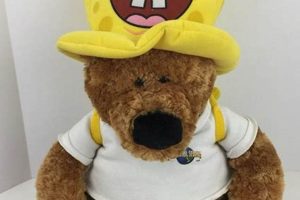
A character costume designed in the form of a teddy bear, often employed for promotional or entertainment purposes at events, embodies a playful and approachable image. These outfits typically consist of a full-body suit mimicking a stylized bear, incorporating features such as oversized paws, a friendly face, and sometimes branded clothing or accessories. For example, a sporting goods store might utilize such a figure at a community event to engage children and families.
Such embodied representations offer a tangible connection with audiences, generating positive associations with a brand, product, or event. Their inherent approachability can facilitate interactions, boosting engagement and memorability. Historically, the use of costumed figures for promotional purposes draws parallels to early forms of street theater and carnival traditions, evolving alongside advertising and marketing techniques to become a staple in modern promotional strategies.
This article will explore the various aspects of these costumes, including design considerations, material selection, maintenance, and the diverse roles they play in marketing and entertainment. It will also delve into the psychological impact of such figures on audiences and their effectiveness as promotional tools.
Tips for Effective Character Costume Use
Successful deployment of character costumes requires careful planning and execution. The following tips provide guidance for maximizing impact and ensuring a positive experience for both performers and audiences.
Tip 1: Prioritize Performer Comfort and Safety: Adequate ventilation, hydration strategies, and regular breaks are crucial for performer well-being, especially during extended use in warm environments. Costumes should allow for a full range of motion and clear vision.
Tip 2: Consider the Target Audience: Costume selection and behavior should align with the demographics and interests of the intended audience. A playful, interactive approach resonates well with children, while a more dignified presence may be appropriate for corporate events.
Tip 3: Maintain Costume Cleanliness: Regular cleaning and sanitization are essential for hygiene and preserving the costume’s appearance. Establish a clear cleaning protocol based on the costume’s materials.
Tip 4: Develop Engaging Interactions: Pre-planned gestures, poses, and activities enhance audience engagement. Consider incorporating props or interactive elements to create memorable experiences.
Tip 5: Train Performers Thoroughly: Proper training ensures performers can move safely and expressively within the costume, embodying the character effectively and adhering to safety guidelines.
Tip 6: Choose Appropriate Venues: Consider the environment, including space constraints, lighting, and temperature, when selecting venues for costume appearances. Ensure adequate space for movement and interaction with the audience.
Tip 7: Transport and Store Costumes Carefully: Proper packing and storage prevent damage and extend the costume’s lifespan. Use dedicated storage containers and transport methods to protect the costume during transit.
By adhering to these guidelines, organizations can leverage character costumes effectively, creating positive experiences and achieving their promotional or entertainment objectives.
In conclusion, strategic planning and execution are essential for maximizing the effectiveness of these engaging tools. Attention to detail, from costume selection and performer training to ongoing maintenance, ensures successful deployment and a positive impact on audiences.
1. Material Selection

Material selection significantly influences the functionality, durability, and overall effectiveness of a mascot teddy bear costume. Careful consideration of material properties is essential to ensure performer comfort, maintain hygiene, and achieve the desired aesthetic appeal. The following facets highlight the key considerations in material selection for these costumes.
- Durability and Longevity
Choosing durable materials is crucial for withstanding the wear and tear associated with frequent use, transport, and cleaning. Fabrics such as heavy-duty synthetic furs, durable polyesters, and reinforced stitching contribute to a longer lifespan. A costume constructed with inferior materials may deteriorate quickly, necessitating frequent repairs or replacements.
- Comfort and Breathability
Performer comfort is paramount, especially during extended wear in potentially warm environments. Breathable fabrics and ventilation systems help regulate temperature and prevent overheating. Lightweight materials reduce overall costume weight, minimizing performer fatigue. Discomfort can negatively impact performance and engagement, underscoring the importance of breathable materials.
- Cleanability and Hygiene
Maintaining hygiene is crucial, especially given the close proximity to audiences. Materials that are easily cleaned and sanitizedsuch as those that can withstand frequent washing or wipingare essential. Antimicrobial treatments can further enhance hygiene. Neglecting hygiene can lead to unpleasant odors and potential health concerns.
- Visual Appeal and Aesthetics
Material selection directly impacts the costume’s visual appeal. High-quality faux fur, vibrant colors, and textured fabrics contribute to a realistic and engaging appearance. The selection should align with the desired character portrayal and branding objectives. A visually unappealing costume can detract from the overall experience.
The interplay of these material properties contributes to the overall effectiveness of the costume. A judicious selection balances durability, comfort, hygiene, and aesthetics, ensuring a functional, comfortable, and visually appealing costume that effectively serves its intended purpose.
2. Design and Construction

Design and construction are integral to the functionality and effectiveness of a mascot teddy bear costume. Careful consideration of design elements, coupled with robust construction techniques, directly impacts performer comfort, mobility, and the overall visual appeal of the costume. The interplay between design and construction dictates how well the costume embodies the intended character and engages the target audience. For instance, a well-designed headpiece allows for adequate visibility and ventilation, while robust stitching ensures durability during active use. Conversely, a poorly constructed costume may restrict movement, limit visibility, and detract from the overall presentation.
Several factors influence the design and construction process. The intended use of the costume, whether for indoor or outdoor events, static displays, or highly active performances, dictates material choices and construction techniques. The target audience also plays a role; a costume designed for children’s events may prioritize bright colors and exaggerated features, while one intended for corporate settings may adopt a more refined aesthetic. Practical considerations, such as ease of cleaning and maintenance, also influence design choices. A modular design, for example, can simplify cleaning and repair processes. Furthermore, adherence to safety standards, such as flame resistance and adequate ventilation, is paramount in costume construction.
Effective design and construction contribute significantly to the success of a mascot teddy bear costume in achieving its intended purpose. A well-designed and constructed costume enhances performer comfort and mobility, allowing for engaging interactions with the audience. Durability ensures a longer lifespan, maximizing return on investment. Furthermore, a visually appealing and well-maintained costume strengthens brand identity and reinforces positive associations. Challenges in design and construction, such as balancing aesthetics with functionality and ensuring performer comfort, require careful planning and execution. Addressing these challenges through informed material selection, meticulous construction techniques, and rigorous quality control ensures a high-quality, functional, and visually appealing costume.
3. Hygiene and Maintenance

Maintaining impeccable hygiene and implementing a robust maintenance regimen are crucial for preserving the longevity, appearance, and overall effectiveness of a mascot teddy bear costume. Neglecting these aspects can lead to deterioration of the costume, unpleasant odors, and potential health risks for the performer and those interacting with the costume. Regular cleaning and upkeep ensure the costume remains a positive representation of the brand or organization it embodies.
- Cleaning and Sanitization
Regular cleaning and sanitization are essential to remove dirt, sweat, and bacteria that accumulate during use. Cleaning methods vary depending on the costume’s materials; some costumes may be machine washable, while others require hand cleaning or specialized cleaning agents. Sanitization, using appropriate disinfectants, further eliminates bacteria and mitigates potential health risks. Failing to prioritize cleaning and sanitization can lead to unpleasant odors, material degradation, and potential transmission of germs.
- Storage and Handling
Proper storage and handling prevent damage and extend the costume’s lifespan. Storing the costume in a cool, dry, and well-ventilated area helps prevent mildew and material degradation. Using appropriate storage containers or garment bags protects the costume from dust and pests. Careful handling during transport and use minimizes the risk of tears, snags, and other damage. Improper storage and handling can lead to premature wear and tear, necessitating costly repairs or replacements.
- Repairs and Maintenance
Addressing minor repairs promptly prevents further damage and extends the costume’s lifespan. Loose seams, detached buttons, or minor tears should be repaired immediately to prevent them from worsening. Regular inspections identify potential issues before they become major problems. Establishing a preventative maintenance schedule, including inspections and minor repairs, ensures the costume remains in optimal condition. Neglecting repairs can lead to more extensive damage, potentially rendering the costume unusable.
- Odor Control
Effective odor control maintains a pleasant and hygienic experience for both the performer and the audience. Regular cleaning and sanitization address the primary source of odors. Using odor-absorbing products, such as activated charcoal inserts or specialized sprays, can further mitigate odors. Proper ventilation during and after use also helps prevent odor buildup. Unpleasant odors can detract from the overall experience and create negative associations with the brand or organization.
These facets of hygiene and maintenance are integral to the overall effectiveness and longevity of a mascot teddy bear costume. A well-maintained costume not only presents a positive image but also contributes to performer comfort and safety. Implementing a comprehensive hygiene and maintenance program ensures the costume remains a valuable asset for years to come.
4. Performer Training

Performer training is integral to the successful deployment of a mascot teddy bear costume. The training process equips performers with the skills and knowledge necessary to embody the character effectively, engage audiences meaningfully, and ensure both performer and audience safety. A well-trained performer transforms the costume from a static object into a dynamic and engaging character, significantly enhancing its impact.
Effective training programs address several key areas. Movement and nonverbal communication are crucial, as performers rely solely on body language to convey emotions and interact with audiences. Training emphasizes expressive gestures, clear non-verbal cues, and maintaining character consistency. Understanding the character’s persona and backstory informs performance choices, creating a more authentic and engaging portrayal. For example, a performer portraying a playful teddy bear might incorporate bouncy movements and playful interactions, while one embodying a more serious character would adopt a more measured approach. Furthermore, training covers practical aspects such as navigating in the costume, maintaining visibility, and coping with challenging environments, like crowded spaces or inclement weather. Safety protocols, including hydration strategies, break schedules, and emergency procedures, are also emphasized. These practical skills ensure performer safety and contribute to a smooth and successful event.
The impact of comprehensive performer training is evident in the quality of audience engagement and the overall effectiveness of the mascot appearance. A trained performer can navigate crowds safely, engage audiences of all ages appropriately, and respond effectively to unforeseen circumstances. This professionalism enhances brand perception and reinforces positive associations. Conversely, a poorly trained performer can detract from the experience, potentially creating negative impressions or even safety hazards. Therefore, investing in robust performer training is essential for maximizing the impact and return on investment of a mascot teddy bear costume.
5. Audience Engagement Strategies

Effective audience engagement strategies are crucial for maximizing the impact of a mascot teddy bear costume. The costume itself serves as a visual draw, but strategic engagement transforms a passive presence into a dynamic interaction, fostering positive associations and memorable experiences. These strategies leverage the inherent approachability of the teddy bear figure to create connections with audiences of all ages. For example, a mascot offering high-fives, posing for photos, or participating in planned activities elevates audience engagement beyond mere observation.
Several factors influence the effectiveness of engagement strategies. Understanding the target demographic informs the choice of interactions; playful antics resonate with children, while a more subdued approach suits corporate settings. Context is also key; engagement strategies at a sporting event differ from those at a community fair. Pre-planned activities, such as interactive games or photo opportunities, provide structured engagement and maximize impact. Furthermore, performer training plays a pivotal role; a skilled performer understands how to read audience cues and adapt interactions accordingly, ensuring positive and appropriate engagement. Consider a mascot at a children’s hospital; sensitivity and gentle interaction are paramount in such a setting, demonstrating the nuanced application of engagement strategies.
Successful audience engagement amplifies the positive impact of a mascot teddy bear costume, fostering brand affinity, creating memorable experiences, and achieving event objectives. Strategic planning, performer training, and an understanding of audience dynamics contribute to effective engagement. Challenges, such as managing large crowds or responding to unexpected audience behavior, require adaptability and professional training. Addressing these challenges through comprehensive planning and skilled execution maximizes the potential of the mascot as an engagement tool.
6. Branding and Messaging
A mascot teddy bear costume offers a powerful platform for conveying brand messaging and reinforcing brand identity. Strategic integration of branding elements within the costume’s design and the performer’s interactions amplifies brand visibility and fosters positive associations. The costume’s inherent approachability and visual appeal create a unique opportunity to connect with audiences on an emotional level, enhancing message reception and retention. For example, a mascot representing a children’s charity might distribute branded stickers or engage in playful interactions that subtly reinforce the organization’s mission and values. Similarly, a mascot promoting a sports team can energize fans and reinforce team spirit through choreographed routines and interactions that align with the team’s brand image. Conversely, a misaligned or poorly executed branding strategy can dilute brand identity and even create negative associations. A mascot appearing disheveled or engaging in inappropriate behavior can undermine brand credibility, highlighting the importance of careful planning and execution.
Several factors contribute to effective branding and messaging through mascot costumes. Costume design plays a crucial role; incorporating brand colors, logos, and other visual identifiers strengthens brand recognition. The performer’s behavior and interactions further reinforce brand messaging. A friendly and approachable demeanor aligns with brands emphasizing customer service, while a more energetic and playful approach suits brands targeting younger demographics. Consistency in messaging across all platforms, including mascot appearances, reinforces brand identity and builds trust. Consider a financial institution employing a mascot; professionalism and trustworthiness are paramount in aligning with the brand’s core values. Choosing appropriate venues and events for mascot appearances further aligns brand messaging with target audiences. A mascot appearing at a family-friendly community event resonates differently than one appearing at a corporate conference, highlighting the importance of strategic placement.
Successful integration of branding and messaging enhances the effectiveness of a mascot teddy bear costume as a marketing and communication tool. A well-executed strategy strengthens brand recognition, fosters positive associations, and ultimately contributes to achieving marketing objectives. Challenges, such as maintaining brand consistency across multiple appearances and adapting messaging to different contexts, require careful planning and execution. Overcoming these challenges through strategic design, comprehensive performer training, and consistent messaging ensures the mascot effectively embodies and communicates brand identity.
Frequently Asked Questions
This section addresses common inquiries regarding mascot teddy bear costumes, providing concise and informative responses to facilitate informed decision-making.
Question 1: What materials are typically used in constructing these costumes?
Common materials include synthetic furs, polyesters, and foam padding. Material selection prioritizes durability, comfort, and ease of cleaning. Specific material choices depend on the intended use and budget.
Question 2: How are these costumes maintained and cleaned?
Regular cleaning and sanitization are essential. Cleaning methods vary depending on the materials used. Professional cleaning services specializing in mascot costumes are often recommended. Adherence to manufacturer guidelines ensures proper care and extends the costume’s lifespan.
Question 3: What safety considerations are relevant for performers wearing these costumes?
Performer safety is paramount. Costumes should provide adequate ventilation and visibility. Regular breaks and hydration are crucial, especially in warm environments. Training programs address safe movement and navigation in the costume, minimizing the risk of accidents.
Question 4: How can organizations leverage these costumes for marketing and branding purposes?
These costumes offer a tangible embodiment of brand identity. Strategic incorporation of brand colors, logos, and messaging within the costume’s design reinforces brand recognition. Trained performers can engage audiences in ways that align with brand values and marketing objectives.
Question 5: What factors influence the cost of a mascot teddy bear costume?
Cost varies based on factors such as material quality, design complexity, and customization options. Additional features, such as internal cooling systems or specialized accessories, also influence overall cost.
Question 6: What are the key considerations when selecting a vendor for these costumes?
Reputation, experience, and customization options are key factors. Evaluating material quality, construction techniques, and customer service helps ensure a satisfactory purchase. A reputable vendor provides guidance on design, maintenance, and performer training.
Addressing these common questions provides a foundational understanding of mascot teddy bear costumes. Further research and consultation with industry professionals can provide additional insights tailored to specific needs and objectives.
For further information, consult resources specializing in costume design, mascot training, or event marketing.
Mascot Teddy Bear Costume
This exploration has provided a comprehensive overview of mascot teddy bear costumes, encompassing design and construction, material selection, hygiene and maintenance, performer training, audience engagement strategies, and branding considerations. Effective utilization requires careful attention to each of these facets. Material selection impacts performer comfort and costume longevity. Design and construction influence mobility and visual appeal. Hygiene and maintenance protocols ensure the costume remains presentable and hygienic. Performer training dictates the effectiveness of character portrayal and audience interaction. Engagement strategies maximize audience interaction and create memorable experiences. Branding and messaging considerations ensure the costume effectively communicates brand identity and marketing objectives. Each element contributes to the overall success of the costume in achieving its intended purpose.
Strategic implementation of these costumes offers significant potential for organizations seeking to enhance brand visibility, engage target audiences, and create memorable experiences. Careful planning, execution, and ongoing maintenance are essential for maximizing the effectiveness of these versatile tools. Further research and consultation with industry professionals can provide additional insights tailored to specific organizational needs and objectives. The evolving landscape of marketing and event management suggests continued relevance for these engaging and dynamic tools.