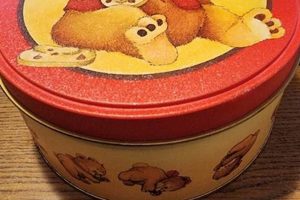
The depiction of stuffed toy bears in artistic mediums, particularly painting, encompasses a range of styles and purposes. From whimsical children’s book illustrations to realistic portrayals in fine art, these depictions can evoke nostalgia, childhood innocence, or explore more complex themes. A simple example might be a watercolor painting of a classic brown plush bear seated in a child’s rocking chair.
This artistic subject matter serves several functions. It offers a readily recognizable and emotionally resonant image, often associated with comfort and security. Historically, stuffed animals, including bears, gained popularity in the early 20th century, coinciding with advancements in manufacturing and the rise of a distinct “childhood” culture. Their representation in art reflects this cultural shift and continues to resonate with audiences across generations. Art featuring these beloved toys can provide a connection to personal memories and shared cultural experiences, and can serve as a powerful tool for storytelling and emotional expression.
This exploration will further examine the evolution of this motif in art, analyze prominent examples, and discuss the various techniques and artistic choices employed in its depiction.
Tips for Depicting Plush Bears in Painting
Successfully capturing the essence of toy bears in painting requires attention to detail and a thoughtful approach to their unique qualities. The following tips offer guidance for artists seeking to portray these beloved objects.
Tip 1: Understand the Form: Careful observation of the toy’s specific shape and proportions is crucial. Note the subtle curves, the placement of limbs, and the overall posture. Sketching the underlying structure before painting can aid in achieving accurate representation.
Tip 2: Consider the Texture: Plush fur presents a unique textural challenge. Various brushstrokes and techniques, such as stippling or dry brushing, can be employed to convey the softness and subtle variations in the fur’s appearance.
Tip 3: Capture the Eyes: The eyes often hold the key to a toy’s personality. Pay close attention to their size, shape, and placement. Subtle highlights and reflections can bring them to life.
Tip 4: Utilize Lighting Effectively: Thoughtful use of light and shadow can enhance the three-dimensionality and create a sense of volume. Observe how light interacts with the plush surface and cast shadows accordingly.
Tip 5: Explore Composition: The arrangement of the bear within the painting’s composition is essential. Consider the background, other elements in the scene, and the overall narrative being conveyed.
Tip 6: Experiment with Mediums: Different painting mediums offer unique possibilities for portraying plush toys. Acrylics, oils, watercolors, and even pastels can each achieve distinctive effects. Experimentation is encouraged.
Tip 7: Evoke Emotion: Consider the emotional impact the artwork is intended to create. Whether aiming for nostalgia, whimsy, or a more profound statement, artistic choices should align with the desired emotional resonance.
By considering these elements, artists can create compelling and evocative depictions of toy bears, capturing their inherent charm and emotional significance.
These tips offer a starting point for artistic exploration. The following section will showcase examples of artists who have successfully employed these techniques and more.
1. Subject

The plush toy bear serves as the foundational subject for artistic depictions categorized as “teddy bear paintings.” This subject dictates the core visual elements and influences the artist’s approach. The inherent qualities of the plush toy its soft texture, typically simple form, and often anthropomorphic features directly impact artistic choices regarding composition, technique, and even the emotional tone of the artwork. For instance, an artist aiming for realism might meticulously render the individual fibers of the plush material, while an impressionistic approach might prioritize capturing the overall softness through color and light. The toy bear’s pose, whether seated, reclining, or holding an object, further shapes the narrative and composition of the painting.
Real-life examples demonstrate this connection. Consider the numerous depictions of teddy bears in children’s literature. Illustrators often employ simplified forms and bright colors to convey a sense of innocence and playfulness, directly reflecting the toy’s role in a child’s world. Conversely, artists working in a more realistic style might focus on capturing the wear and tear on a well-loved toy, using muted tones and intricate details to evoke a sense of nostalgia or the passage of time. The specific characteristics of the plush toy bear, its condition, and associated objects (such as a child’s blanket or a teacup in a miniature setting) all contribute to the overall meaning and impact of the painting.
Understanding this fundamental relationship between subject and artistic representation provides valuable insight into the creative process. Recognizing how the inherent qualities of the plush toy bear influence artistic decisions allows for a deeper appreciation of “teddy bear paintings” and offers artists a framework for effectively conveying their intended message. This understanding also facilitates critical analysis, enabling viewers to discern the artist’s choices and interpret the artwork’s meaning within a broader cultural and historical context. The interplay between the tangible object and its artistic interpretation enriches both the creative process and the viewer’s experience.
2. Medium

The choice of painting as a medium significantly influences the portrayal of plush toy bears. The diverse range of painting techniques and materials available oils, acrylics, watercolors, gouache allows artists to capture the unique textures and characteristics of these subjects in varied ways. The tactile nature of paint itself lends itself to representing the softness and three-dimensionality of plush fur. Oil paint, for instance, allows for blending and layering, facilitating the depiction of subtle variations in light and shadow across the toy’s surface. Watercolor, with its translucent quality, can effectively convey the delicate nature of worn or antique plush. The specific properties of each medium contribute directly to the overall aesthetic and emotional impact of the artwork.
Real-world examples illustrate this connection. The thick impasto strokes of Vincent van Goghs oil paintings, though not depicting toy bears specifically, demonstrate how paint texture can convey a tangible sense of an objects surface. Similarly, the soft washes of watercolor in illustrations from classic children’s books, often featuring plush toys, demonstrate the medium’s suitability for capturing a gentle, nostalgic atmosphere. Artists specializing in portraiture frequently employ oils to capture the nuances of skin texture; this same attention to detail and materiality can be applied to depicting the unique textures of a plush toy bear, emphasizing the wear, softness, or unique characteristics of its fur.
Understanding the relationship between the medium of painting and the subject of plush toy bears provides essential context for appreciating and creating such artwork. The choice of medium affects not only the visual representation but also the emotional resonance. A thickly layered oil painting might convey a sense of time and memory, while a vibrant acrylic painting could evoke a sense of playfulness and childhood joy. Recognizing the inherent qualities of different painting mediums and how they interact with the subject matter allows for a deeper understanding of the artist’s choices and the intended impact of the artwork. This understanding allows viewers to engage with the artwork on a more sophisticated level, appreciating the nuances of technique and the deliberate choices made in its creation. Further exploration could analyze specific case studies of artists known for depicting plush toy bears and the technical approaches they employed to achieve particular effects. This analysis can deepen understanding of how artistic choices related to the medium contribute to the overall meaning and impact of “teddy bear paintings.”
3. Style

Artistic style significantly impacts the portrayal of plush toy bears in painting. The chosen style dictates the artist’s approach to form, color, and composition, ultimately shaping the viewer’s perception and emotional response. From photorealism, which meticulously captures every detail, to abstract expressionism, which prioritizes emotional conveyance over literal representation, the selected style imbues the artwork with a unique character and meaning. Understanding the interplay between style and subject matter provides crucial context for appreciating and interpreting these depictions.
- Realism
Realistic depictions prioritize accuracy and detail, striving to recreate the plush toy bear as it appears in real life. Artists employing this style meticulously render the texture of the fur, the subtle variations in color, and the precise form of the toy. Examples can be found in contemporary still life paintings and illustrations where the aim is to create a convincing illusion of reality. In the context of “teddy bear painting,” realism can evoke a sense of tangibility and nostalgia, inviting viewers to connect with the familiar comfort of a beloved childhood object.
- Impressionism
Impressionistic depictions prioritize capturing the fleeting effects of light and color on the plush toy bear. Rather than focusing on precise details, artists using this style emphasize the overall impression of the subject, using short brushstrokes and vibrant colors to convey a sense of atmosphere and movement. Consider Claude Monet’s depictions of haystacks, where the focus is on the interplay of light and shadow rather than the precise form of the object. Applied to “teddy bear painting,” impressionism can evoke a sense of warmth and sentimentality, capturing the emotional essence of the toy rather than its literal appearance.
- Surrealism
Surrealist depictions often place plush toy bears in unexpected or dreamlike contexts, challenging conventional notions of reality. This style explores the subconscious mind and often incorporates symbolic imagery. Salvador Dal’s melting clocks offer a prime example of surrealist distortion of familiar objects. In “teddy bear painting,” surrealism can imbue the toy with symbolic meaning, exploring themes of childhood, memory, or the uncanny. The unexpected juxtaposition of elements can create a sense of unease or wonder, prompting viewers to question their perceptions.
- Abstract Expressionism
Abstract expressionist depictions prioritize emotional expression over representational accuracy. Artists working in this style may use bold colors, gestural brushstrokes, and non-representational forms to convey feelings and ideas. Jackson Pollock’s drip paintings exemplify the emphasis on process and emotion over recognizable imagery. In the context of “teddy bear painting,” abstract expressionism might use the concept of the toy bear as a starting point for exploring themes of comfort, loss, or the passage of time, focusing on the emotional resonance rather than the literal depiction of the object.
The varied styles employed in “teddy bear painting” demonstrate the versatility of this subject matter and the diverse range of artistic interpretations possible. The chosen style significantly influences the viewer’s experience, shaping their emotional response and understanding of the artwork’s meaning. By analyzing the stylistic choices employed, viewers can gain a deeper appreciation for the artist’s intent and the complex interplay between subject, style, and meaning.
4. Purpose
The depiction of plush toy bears in art often serves the primary purpose of evoking emotion. These depictions leverage the inherent symbolism associated with these objects comfort, childhood innocence, and nostalgic memory to resonate with viewers on a deeper emotional level. Understanding this underlying purpose provides crucial context for interpreting and appreciating such artwork.
- Nostalgia
Nostalgia plays a significant role in the emotional impact of teddy bear depictions. These toys often serve as powerful reminders of childhood, evoking feelings of security, warmth, and simpler times. Artists leverage this association, employing visual cues like worn patches, faded colors, or a familiar pose to trigger nostalgic memories in the viewer. A painting depicting a well-loved teddy bear nestled amongst a child’s belongings can evoke a potent sense of longing for the past and the innocence of childhood. Antique toy bears, often depicted in still life paintings, further amplify this nostalgic element.
- Comfort and Security
Teddy bears represent comfort and security, particularly in childhood. Their soft texture and comforting presence often serve as a source of solace during times of stress or anxiety. Artistic depictions can capture this essence through careful attention to texture, lighting, and composition. A painting depicting a child clutching a teddy bear in a dimly lit room can effectively convey a sense of vulnerability and the comforting role the toy plays. Similarly, the depiction of a teddy bear in a peaceful, domestic setting can evoke feelings of tranquility and security.
- Loss and Longing
The depiction of teddy bears can also evoke feelings of loss and longing. The toy can symbolize a lost loved one, a bygone era, or the fleeting nature of childhood itself. A painting depicting a worn teddy bear abandoned in an empty room can evoke a sense of melancholy and the passage of time. Similarly, a portrait featuring a child clutching a teddy bear can subtly hint at the inevitable transition to adulthood and the loss of childhood innocence. This thematic exploration adds a layer of complexity and poignancy to the artwork.
- Joy and Innocence
Conversely, teddy bear depictions can evoke feelings of joy and innocence, particularly when associated with childhood play and imagination. Paintings depicting children interacting with teddy bears in playful scenarios can capture the carefree spirit of childhood. Bright colors, dynamic compositions, and expressive brushwork can further enhance this sense of joy and wonder. These depictions celebrate the imaginative world of childhood, where teddy bears become companions, confidantes, and partners in adventure.
The emotional resonance of teddy bear depictions in painting stems from the interplay of these multifaceted emotional associations. Artists strategically employ visual elements and stylistic choices to evoke specific emotions in the viewer, enriching the artwork’s meaning and fostering a deeper connection. These depictions, far from merely representing a plush toy, tap into a complex web of human emotions, making “teddy bear paintings” a powerful and evocative art form. Examining the specific techniques employed to evoke these emotions, such as the use of color, light, and composition, would further enhance understanding of the interplay between subject, style, and emotional impact.
5. Audience

The audience for artistic depictions of plush toy bears spans diverse demographics and encompasses individuals with varying levels of art appreciation. This broad appeal stems from the universally recognizable subject matter and its inherent emotional resonance. Understanding this wide-ranging audience provides valuable insights into the cultural significance of “teddy bear painting” and the diverse motivations driving both its creation and consumption.
- Children
Children constitute a significant portion of the audience for teddy bear depictions. The familiarity and emotional connection fostered through childhood experiences with these toys create an immediate point of engagement. Illustrations in children’s books, animated films, and even decorative items featuring teddy bears cater specifically to this demographic, often employing bright colors, simplified forms, and playful narratives to capture a child’s imagination. The accessibility of the subject matter allows children to connect with the artwork on a personal and emotional level.
- Collectors
Collectors represent another distinct segment of the audience. Antique teddy bears, limited edition artist dolls, and original artworks depicting these toys hold significant value for collectors. These individuals are often drawn to the historical significance, craftsmanship, and rarity of specific pieces. For this audience, the artistic depiction serves not only as an aesthetic object but also as a historical artifact or investment, adding another layer of appreciation beyond the purely emotional.
- Art Enthusiasts
Art enthusiasts engage with teddy bear depictions from a more analytical perspective, appreciating the artist’s skill in capturing the unique textures, forms, and emotional nuances of the subject. The choice of medium, style, and composition holds particular significance for this audience. Whether a photorealistic rendering in oil paint or an abstract interpretation in mixed media, art enthusiasts evaluate the artwork based on its technical execution, artistic merit, and contribution to the broader art historical context.
- Individuals Seeking Nostalgic Connection
A significant portion of the audience connects with teddy bear depictions due to the nostalgic associations these toys evoke. Paintings, photographs, or sculptures featuring teddy bears can trigger memories of childhood, comfort, and simpler times. This emotional resonance transcends age and demographic boundaries, appealing to individuals seeking a connection to their personal past or a sense of shared cultural experience. The teddy bear serves as a visual shorthand for childhood innocence and emotional security, making artwork featuring these objects particularly potent in its ability to evoke nostalgic sentiment.
The wide-ranging audience for “teddy bear painting” underscores the enduring appeal of this subject matter. From children captivated by whimsical illustrations to collectors seeking rare artifacts, the plush toy bear transcends its status as a mere plaything to become a powerful symbol of comfort, nostalgia, and artistic exploration. This broad appeal contributes to the continued presence of teddy bears in various art forms, ensuring their relevance across generations and cultural contexts. Further exploration of specific artworks and their reception within different audience segments would provide a more nuanced understanding of the interplay between artistic representation and audience interpretation.
Frequently Asked Questions about Depictions of Plush Toy Bears in Painting
This section addresses common inquiries regarding the artistic representation of plush toy bears, aiming to provide clarity and further insight into this specific subject matter.
Question 1: What makes depictions of plush toy bears a relevant subject in painting?
The enduring appeal of plush toy bears stems from their symbolic representation of comfort, childhood, and emotional connection. This inherent symbolism, coupled with the unique textural and formal qualities of these objects, presents artists with compelling opportunities for exploration in various painting styles, from realism to abstraction.
Question 2: How do artists successfully capture the texture of plush fur in paint?
Various techniques, including dry brushing, stippling, and layering, allow artists to convey the softness and unique texture of plush fur. Careful observation of light and shadow, combined with an understanding of the chosen medium’s properties, plays a crucial role in achieving a realistic or evocative representation of this texture.
Question 3: Are there specific artistic movements associated with depictions of plush toy bears?
While not specifically tied to a particular movement, depictions of plush toy bears can be found across various artistic styles, from the nostalgic realism of children’s book illustrations to the symbolic representations found in surrealist or contemporary art. The chosen style influences the artwork’s meaning and emotional impact.
Question 4: What is the significance of composition in paintings featuring plush toy bears?
Composition plays a vital role in conveying narrative and emotional intent. The placement of the toy bear within the frame, the inclusion of other objects, and the use of background elements all contribute to the overall meaning and impact of the artwork. A carefully considered composition can evoke feelings of nostalgia, comfort, or even unease.
Question 5: Beyond technical skill, what contributes to a successful depiction of a plush toy bear?
The ability to evoke emotion is crucial. Successfully conveying the inherent symbolism of the plush toy bear, whether comfort, innocence, or nostalgia, elevates the artwork beyond mere representation and creates a deeper connection with the viewer. The artist’s emotional intent significantly influences the artwork’s impact.
Question 6: Where can one find examples of noteworthy depictions of plush toy bears in painting?
Examples can be found in various contexts, from children’s book illustrations and private collections to museum exhibitions and online galleries. Researching specific artists known for depicting plush toy bears, exploring online art databases, and visiting local galleries can provide valuable opportunities to encounter and appreciate these artworks.
By addressing these common questions, a deeper understanding of the artistic considerations and cultural significance surrounding the depiction of plush toy bears in painting can be achieved. This understanding facilitates a more informed appreciation and interpretation of such artwork.
This concludes the FAQ section. The following section will delve into a comparative analysis of various artistic interpretations of this enduring subject matter.
Conclusion
Artistic representations of plush toy bears, encompassing diverse styles and mediums, offer a compelling lens through which to explore themes of childhood, memory, and emotional connection. From the meticulous detail of realism to the evocative abstraction of expressionism, the stylistic choices employed reflect the multifaceted interpretations possible within this seemingly simple subject matter. The exploration of texture, form, and composition, coupled with the inherent symbolism of these beloved objects, imbues these depictions with a potent emotional resonance, capable of evoking nostalgia, comfort, or even a sense of loss. The enduring presence of plush toy bears in art underscores their cultural significance and enduring power to connect with audiences across generations.
Further investigation into the evolving artistic interpretations of plush toy bears promises to yield deeper insights into the interplay between art, culture, and personal experience. The continued exploration of this subject matter by artists offers a unique opportunity to examine shifting societal perceptions of childhood, memory, and the enduring power of objects to embody emotional significance. The plush toy bear, far from a mere plaything, serves as a potent symbol, inviting reflection on the complexities of human experience and the enduring search for comfort and connection.