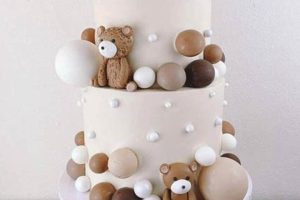
Creating stuffed toy bears involves various techniques, from traditional sewing with patterns to more modern methods like no-sew projects using glue or pre-fabricated components. Examples include crafting miniature bears for keychains, life-sized companions, or decorative items for nurseries and children’s rooms. The materials used can range from simple felt and stuffing to luxurious mohair and intricate embellishments.
Constructing these cherished playthings offers numerous developmental advantages for children. It fosters fine motor skill development, encourages creativity and imaginative play, and provides a tangible sense of accomplishment. Historically, the emergence of this craft coincided with the widespread popularity of the teddy bear as a cultural icon in the early 20th century, evolving alongside changing tastes and technologies.
Further exploration will cover specific techniques, material selection, pattern design, and the cultural significance of these handcrafted creations. Whether a novice or an experienced artisan, delving into this timeless craft offers a rewarding experience with both personal and historical value.
Tips for Bear Creation
Careful planning and execution are crucial for successful bear construction. The following tips provide guidance for achieving professional-looking results.
Tip 1: Material Selection: Choosing appropriate materials is paramount. High-quality mohair or plush fabric yields a superior finish. Consider the desired texture and durability when selecting materials.
Tip 2: Pattern Precision: Accurate pattern cutting is essential for proper assembly. Ensure all pattern pieces are aligned correctly on the fabric’s grain to prevent distortion.
Tip 3: Seam Allowance Consistency: Maintaining a consistent seam allowance ensures proper fit and prevents unevenness. Use appropriate marking tools and sewing techniques for accuracy.
Tip 4: Secure Stuffing: Distribute stuffing evenly to achieve the desired shape and firmness. Use small amounts of stuffing at a time, paying close attention to limb and head filling.
Tip 5: Joint Articulation: Employing appropriate jointing techniques allows for poseability and adds character. Securely fasten joints to prevent loosening over time.
Tip 6: Facial Features: Careful placement of eyes, nose, and mouth significantly impacts the bear’s expression. Consider embroidery or specialized craft eyes for a polished look.
Tip 7: Finishing Touches: Adding accessories such as bows, clothing, or other embellishments enhances the bear’s personality and appeal. Choose accessories that complement the overall design.
Adhering to these guidelines promotes a well-crafted, durable, and aesthetically pleasing result. Careful attention to detail throughout the construction process significantly impacts the final product.
By applying these techniques, one can create heirloom-quality bears treasured for generations.
1. Materials

Material selection significantly influences the final characteristics of a handcrafted bear, impacting its durability, aesthetics, and overall quality. The chosen fabrics determine the bear’s texture, softness, and ability to withstand wear and tear. Traditional mohair offers a classic, luxurious feel, while synthetic plush fabrics provide durability and ease of care. The type of stuffing affects the bear’s weight, squishiness, and ability to hold its shape. Common stuffing materials include polyester fiberfill, wool, and cotton. Consideration of the intended purpose, whether for play or display, informs the appropriate material choices.
Specific examples illustrate the impact of materials. A bear intended for a child’s play requires durable, washable fabrics and securely fastened components. A decorative bear might incorporate delicate silks, intricate embroidery, or embellishments like glass eyes. The thread used for stitching should complement the chosen fabric and possess sufficient strength. Button or joint materials impact articulation and poseability. These choices reflect the creator’s artistic vision and the bear’s intended function. A well-chosen combination of materials enhances the final product’s aesthetic appeal and longevity.
Understanding the properties and characteristics of different materials empowers informed decision-making during the creation process. Careful consideration of material interplay, such as fabric weight and stuffing density, contributes to a well-balanced and visually appealing final product. Challenges can include sourcing specific materials, managing costs, and ensuring compatibility between different components. Addressing these challenges requires research, experimentation, and adaptation to achieve desired outcomes and maximize the bear’s potential as a cherished handcrafted item.
2. Design

Design serves as the blueprint for a teddy bear, dictating its final form, character, and overall aesthetic. It encompasses the bear’s shape, size, proportions, and unique features. A well-defined design considers the intended purpose of the bear, whether it be a classic, cuddly toy, a decorative piece, or a collectible item. The design process may involve sketching, pattern drafting, and experimentation with different materials and construction techniques. A thoughtfully executed design is fundamental to a successful and appealing final product. For instance, a bear designed for a young child might prioritize safety and durability, featuring rounded edges, embroidered details, and securely fastened components. A collector’s bear, however, might emphasize intricate design elements, luxurious fabrics, and meticulous craftsmanship. The design phase establishes the foundation for the entire crafting process, influencing subsequent material choices and construction techniques.
Design considerations extend beyond mere aesthetics. Proportion and balance play a crucial role in the bear’s visual appeal and structural integrity. The placement of features like eyes, nose, and mouth contributes significantly to the bear’s personality and expressiveness. The chosen design also dictates the necessary construction techniques. A complex design requiring intricate joints and detailed embroidery necessitates advanced skills and specialized tools. Practical implications of design choices manifest in the final product’s functionality and durability. A design incorporating robust seams and reinforced joints enhances the bear’s longevity, especially if intended for frequent handling. Understanding the interplay between design and construction allows craftspeople to anticipate potential challenges and refine their techniques accordingly.
Effective design requires a balance between creative vision and practical considerations. Challenges may arise in translating a two-dimensional design into a three-dimensional object, ensuring structural stability, and achieving the desired aesthetic. Addressing these challenges requires careful planning, experimentation, and adaptation. A well-executed design ensures that the finished bear embodies the creator’s artistic intent while fulfilling its intended purpose, whether it be a cherished childhood companion or an admired work of art. Ultimately, the design serves as the core element that defines the identity and value of the handcrafted teddy bear.
3. Construction Techniques

Construction techniques are integral to the craft of creating teddy bears, directly influencing the final product’s quality, durability, and aesthetic appeal. These techniques encompass a range of skills, from basic sewing and stuffing to more advanced methods like jointing and embroidery. The chosen construction methods determine the bear’s structural integrity, poseability, and overall finish. A well-executed construction process results in a bear that is not only visually appealing but also capable of withstanding wear and tear, especially if intended as a plaything. For example, employing strong, reinforced seams ensures the bear’s longevity, while proper jointing techniques provide flexibility and movement. Understanding and applying appropriate construction techniques is fundamental to achieving a professionally crafted and enduring teddy bear.
Different construction methods yield varied results, impacting the bear’s character and functionality. Traditional sewing techniques, using patterns and specific stitch types, offer control over shape and detail. No-sew methods, employing adhesives or pre-fabricated components, provide accessibility for beginners. The choice of technique depends on the desired outcome and the crafter’s skill level. For instance, creating a jointed bear requires specialized techniques and materials, such as cotter pins and discs, to ensure secure and functional limb articulation. Embroidery techniques allow for personalized details and facial features, adding character and expressiveness. The selection and execution of construction techniques directly correlate with the bear’s final form and personality. A deep understanding of these methods empowers craftspeople to achieve specific design goals and overcome technical challenges.
Mastery of construction techniques is crucial for achieving a high-quality finished product. Challenges can include achieving precise seam alignment, ensuring even stuffing distribution, and securely fastening joints. Addressing these challenges requires practice, attention to detail, and a willingness to adapt techniques based on the specific design and materials used. Successfully navigating these complexities results in a well-crafted bear that exhibits both aesthetic appeal and structural integrity. Ultimately, the employed construction techniques represent the foundation of a well-made teddy bear, contributing significantly to its longevity and cherished status.
4. Tools & Equipment

Specialized tools and equipment play a vital role in teddy bear craftsmanship, directly influencing the efficiency, precision, and overall quality of the final product. Appropriate tools facilitate accurate pattern cutting, precise stitching, and secure component assembly. The selection of tools depends on the complexity of the design and the chosen construction techniques. Basic tools like sharp scissors, needles, and strong thread are essential for all projects. More specialized tools, such as curved needles for jointing and embroidery hoops for detailed stitching, enhance the crafter’s ability to execute intricate designs and achieve professional results. For example, using a rotary cutter and cutting mat ensures clean, accurate fabric cuts, while employing pliers aids in securing joints and manipulating small components. The availability and proper use of appropriate tools contribute significantly to the crafting process’s efficiency and the finished bear’s overall quality. Investing in quality tools enhances precision and reduces the risk of errors, ultimately leading to a more polished and professional outcome.
The relationship between tools and techniques is symbiotic. Specific tools often correspond to particular techniques. For instance, creating a jointed bear necessitates specialized pliers for manipulating cotter pins and discs. Long, curved needles facilitate stitching through multiple layers of fabric and stuffing when closing seams or attaching limbs. Embroidery tools, including hoops and various needle sizes, enable the creation of intricate facial features and decorative elements. Matching the appropriate tool to the specific technique ensures efficient execution and optimal results. Furthermore, proper tool maintenance, such as sharpening scissors and cleaning needles, extends their lifespan and ensures consistent performance. Understanding the interplay between tools and techniques empowers crafters to select the appropriate equipment for each stage of the construction process, ultimately enhancing the quality and precision of their work.
Effective tool selection and utilization directly impact the finished bear’s quality and durability. Challenges can arise from using inadequate tools or improper technique. Dull scissors can fray fabric edges, while weak thread can break during stitching, compromising the bear’s structural integrity. Addressing these challenges requires careful tool selection, proper maintenance, and ongoing skill development. Investing in quality tools and acquiring proficiency in their use significantly enhances the crafting experience and contributes to the creation of a well-crafted, durable, and aesthetically pleasing teddy bear. The appropriate tools empower craftspeople to execute their designs with precision and efficiency, ultimately elevating the quality and value of their handcrafted creations.
5. Finishing Details
Finishing details represent the crucial final steps in teddy bear craft, elevating a well-constructed form into a characterful, finished piece. These details, while seemingly minor, significantly impact the bear’s overall aesthetic and perceived quality. They encompass a range of elements, from facial features and accessories to the neatening of seams and strategic use of embellishments. Careful attention to these details distinguishes a handcrafted bear from a mass-produced item, imbuing it with personality and charm.
- Facial Features
A bear’s expression and personality emerge through meticulously crafted facial features. Precisely placed eyes, whether glass, plastic, or embroidered, contribute significantly to the bear’s character. The shape and stitching of the nose and mouth further enhance expressiveness. Subtle variations in these features can convey a range of emotions, from cheerful and playful to wistful and endearing. Skillful execution of facial details imbues the bear with life and individuality.
- Accessories and Embellishments
Accessories and embellishments add personality and enhance the bear’s narrative. Bows, ribbons, clothing, and other adornments contribute to the bear’s unique style and story. These elements can reflect a specific theme, historical period, or personal touch. A simple bow tied around the neck can evoke a sense of innocence, while a miniature waistcoat might suggest a more sophisticated character. Thoughtful selection and placement of accessories elevate the bear from a simple toy to a treasured keepsake.
- Seam Neatening and Concealment
Neatly finished seams and concealed thread ends contribute to the bear’s professional appearance and durability. Tucking in raw edges and securing loose threads prevents fraying and unraveling, ensuring the bear’s longevity. Invisible stitches and careful seam alignment create a polished, refined finish. These seemingly minor details demonstrate attention to craftsmanship and enhance the bear’s overall quality.
- Brushing and Grooming
Brushing and grooming the bear’s fur or fabric post-construction enhances its texture and appearance. This final touch removes loose fibers, smooths the pile, and adds a touch of realism. Specialized brushes designed for mohair and other plush fabrics help maintain the bear’s softness and sheen over time. Proper grooming elevates the bear’s tactile appeal and contributes to its long-term preservation.
These finishing details, when executed with care and precision, transform a simple construction into a work of art. They imbue the bear with character, personality, and lasting appeal. By focusing on these final touches, craftspeople elevate their work, creating cherished heirlooms that capture the imagination and endure through time.
6. Purpose (e.g., play, decor)

The intended purpose of a handcrafted bear significantly influences design and material choices throughout the creation process. Bears intended for children’s play necessitate durable, washable fabrics and securely fastened components. Safety standards become paramount, requiring careful consideration of small parts and potential choking hazards. Robust construction techniques, such as reinforced seams and double-stitched joints, enhance the bear’s ability to withstand the rigors of playtime. Conversely, decorative bears prioritize aesthetics and artistic expression. Delicate fabrics like silk or vintage textiles, intricate embroidery, and embellishments like glass eyes become viable options. These bears often serve as display pieces, emphasizing visual appeal over durability. The purpose dictates the balance between form and function, guiding decisions related to materials, construction, and finishing details.
Practical implications of purpose manifest in the final product’s characteristics. A play bear might feature embroidered facial features instead of buttons or plastic eyes to eliminate choking hazards. Its stuffing might be densely packed for resilience and its limbs securely attached to withstand pulling and tugging. A decorative bear, intended for display, might incorporate delicate lace or intricate beading, prioritizing visual appeal over durability. Understanding the intended purpose allows craftspeople to tailor their techniques and material choices accordingly. Examples include memory bears crafted from the clothing of loved ones, designed for comfort and emotional connection, or collectible bears created with high-quality materials and intricate detailing, intended for display and appreciation. These examples illustrate the diverse range of purposes that handcrafted bears can fulfill, highlighting the importance of aligning design and construction with the intended use.
Considering the bear’s ultimate purpose ensures its suitability for its intended recipient or function. Challenges arise when neglecting this crucial aspect. A delicate, decorative bear placed in the hands of a young child might quickly deteriorate, while a robustly constructed play bear might lack the aesthetic refinement desired for a collector’s item. Addressing these challenges requires careful consideration of the bear’s intended use from the outset of the design process. Understanding the interplay between purpose, materials, and construction techniques empowers craftspeople to create bears that effectively fulfill their intended roles, whether as cherished playthings, decorative accents, or treasured keepsakes.
Frequently Asked Questions
This section addresses common inquiries regarding the craft of creating teddy bears, providing concise and informative responses to facilitate a deeper understanding of the process.
Question 1: What are the most suitable fabrics for creating a durable teddy bear?
Mohair, alpaca, and high-quality plush fabrics offer durability and a pleasing texture. Selecting tightly woven fabrics minimizes the risk of tearing and seam separation.
Question 2: What type of stuffing provides the best balance between firmness and squishiness?
Polyester fiberfill offers a good balance, providing softness while maintaining shape. Wool and cotton stuffing provide traditional alternatives, but require specific handling considerations.
Question 3: How can jointing techniques influence a teddy bear’s poseability?
Traditional cotter pin joints, disc joints, and button joints offer varying degrees of articulation. Cotter pin joints offer the greatest range of motion, while button joints provide a simpler, more stable connection.
Question 4: What are the key considerations when choosing eyes for a teddy bear?
Safety, aesthetics, and the bear’s intended purpose influence eye selection. Glass eyes provide a classic, expressive look but may not be suitable for young children. Embroidered or safety eyes offer safer alternatives for play bears.
Question 5: How can one ensure the longevity of a handcrafted teddy bear?
Using high-quality materials, employing robust construction techniques, and providing proper care, including cleaning and storage, contribute to the bear’s longevity.
Question 6: What resources are available for learning more about teddy bear crafting?
Numerous books, online tutorials, and workshops offer guidance for both beginners and experienced crafters. Local craft stores and online communities provide valuable resources and support.
Careful consideration of these frequently asked questions facilitates informed decision-making throughout the crafting process, contributing to the creation of a well-crafted and cherished teddy bear.
The following section explores advanced techniques for experienced bear makers, delving into complex design elements and specialized construction methods.
Conclusion
Crafting teddy bears represents a multifaceted endeavor encompassing material selection, design principles, construction techniques, tool utilization, finishing details, and purpose-driven creation. Each element contributes significantly to the final product’s quality, durability, and aesthetic appeal. From the selection of durable fabrics and appropriate stuffing to the precise execution of jointing and embroidery, careful consideration of each step ensures a well-crafted and cherished result. Understanding the interplay between these elements empowers craftspeople to create bears that embody both artistic vision and practical functionality.
The enduring appeal of handcrafted teddy bears lies in their ability to transcend mere playthings and become treasured companions, decorative accents, or collectible works of art. The meticulous craftsmanship invested in their creation imbues them with a unique character and enduring value. Whether intended for a child’s loving embrace or an art enthusiast’s discerning eye, these handcrafted creations hold a special place in the realm of craft and human connection. Further exploration and refinement of these techniques promise continued evolution and innovation within the timeless art of teddy bear creation.