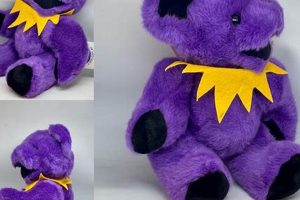
A celebration of a cherished plush toy’s symbolic “birth” or adoption date often involves children engaging in imaginative play, such as throwing a party for their toy, complete with miniature cakes, decorations, and gifts. For example, a child might host a tea party for their bear, inviting other stuffed animals as guests.
These commemorations nurture a child’s empathy, creativity, and social skills through role-playing and emotional expression. The tradition potentially stems from the enduring popularity of teddy bears as childhood companions, dating back to the early 20th century. Celebrating these symbolic birthdays strengthens the bond between a child and their toy, offering comfort and security.
Further exploration will cover practical tips for organizing these celebrations, creative party ideas, and the psychological benefits for children.
Tips for Commemorating a Plush Toy’s Adoption
Planning a celebration for a beloved stuffed animal can be a rewarding experience. The following suggestions offer guidance for creating a memorable occasion.
Tip 1: Choose a Meaningful Date: If the actual adoption date is unknown, select a significant day, perhaps the child’s birthday or a favorite holiday.
Tip 2: Involve the Child in the Planning: Allow children to contribute ideas for decorations, activities, and the “guest list” of other toys.
Tip 3: Create Simple Decorations: Utilize readily available materials like construction paper, crayons, and balloons to decorate the party area.
Tip 4: Plan Engaging Activities: Consider a teddy bear picnic, a “dress-up” fashion show, or a storytelling session centered around the honored toy.
Tip 5: Prepare Symbolic Treats: Bake miniature cupcakes or cookies, or serve small portions of the child’s favorite snacks.
Tip 6: Capture the Memories: Take photographs or videos of the celebration to preserve the joyful moments.
Tip 7: Keep it Simple and Fun: The focus should be on creating a happy and memorable experience for the child, not on elaborate preparations.
By following these tips, one can create a celebration that fosters creativity, strengthens the child’s bond with their toy, and provides lasting memories.
These commemorations offer valuable opportunities for emotional development and imaginative play, enriching a child’s life in meaningful ways.
1. Celebration

Celebration forms the core of a teddy bear birthday. The act of celebrating imbues the occasion with significance, transforming a simple day into a special event. This celebratory aspect provides a framework for imaginative play and strengthens the emotional bond between a child and their toy. For example, a simple birthday song sung for the teddy bear transforms the moment into a recognized celebration, reinforcing the importance of the plush companion in the child’s life. The celebration itself acts as a catalyst, fostering a sense of joy and occasion.
The type of celebration can vary widely, from a small, intimate gathering with other stuffed animals to a larger, more elaborate party with decorations and games. The scale of the celebration, however, does not diminish its impact. Even a simple gesture, like presenting the teddy bear with a handmade crown or a miniature “gift,” elevates the day beyond the ordinary. These acts of celebration offer opportunities for children to practice social skills and explore different roles within a safe, imaginative context. A child might pretend to be the host of the party, learning to share and interact with their “guests,” even if those guests are inanimate objects.
Understanding the integral role of celebration in a teddy bear birthday provides insights into its developmental benefits. It clarifies the importance of ritual and commemoration in childhood, highlighting the ways in which children utilize imaginative play to process emotions and build social skills. While seemingly simple, the act of celebrating a teddy bear’s birthday offers profound learning experiences and strengthens the emotional landscape of a child’s world. The challenges lie in recognizing and respecting the significance of these seemingly small celebrations, acknowledging their contribution to a child’s emotional and social growth.
2. Imaginative Play

Imaginative play forms a cornerstone of teddy bear birthday celebrations. These occasions provide a structured environment for children to engage in imaginative scenarios, often mimicking real-world events like birthday parties. A child might envision their teddy bear as a guest of honor, creating narratives around the celebration, assigning roles to other toys, and enacting social interactions. This process fosters creativity, allowing children to explore different perspectives and develop social skills through role-playing. For instance, a child might imagine their bear receiving gifts, prompting them to consider what a bear might want and how to express generosity within their imaginary world.
The act of organizing a teddy bear birthday further encourages imaginative play. Choosing decorations, preparing imaginary food, and planning activities all stimulate creative thinking and problem-solving. A child might decide to build a miniature cardboard house as a party venue or create invitations for other stuffed animal “guests.” This active participation in creating the narrative enhances the imaginative experience, allowing the child to control the environment and explore various possibilities. Furthermore, these imaginative scenarios often reflect a child’s understanding of social dynamics and relationships, providing insights into their emotional development.
Recognizing the strong link between imaginative play and teddy bear birthdays highlights the developmental significance of these celebrations. They offer valuable opportunities for children to explore their creativity, practice social skills, and process emotions in a safe and engaging environment. Challenges may include facilitating these imaginative experiences without imposing adult ideas or disrupting the child’s self-directed play. The key lies in providing the space, resources, and encouragement for children to lead their imaginative explorations, allowing the teddy bear birthday to become a canvas for their creativity and a stepping stone for social and emotional growth.
3. Emotional Bonding

Emotional bonding plays a significant role in teddy bear birthday celebrations, strengthening the connection between a child and their cherished toy. These celebrations provide a platform for nurturing emotional development and creating lasting memories associated with comfort and security. The act of celebrating a teddy bear’s birthday reinforces the toy’s importance as a companion and confidant in the child’s life.
- Nurturing Empathy:
Celebrating a teddy bear’s birthday encourages children to consider the “feelings” of their inanimate companion. By planning a party and engaging in pretend play centered around the bear’s happiness, children practice empathy and perspective-taking. This process helps them understand and respond to the emotions of others, both real and imagined. For instance, a child might comfort their bear during a pretend “sad” moment, demonstrating an understanding of emotional needs.
- Creating Shared Experiences:
The shared experience of celebrating a teddy bear’s birthday creates positive associations and strengthens the emotional bond. These memories become intertwined with the child’s sense of security and comfort, reinforcing the teddy bear’s role as a source of emotional support. Recalling past celebrations can evoke feelings of warmth and happiness, further solidifying the bond. A photograph of a past teddy bear birthday party, for example, can serve as a visual reminder of this shared experience, triggering positive emotions and reinforcing the connection.
- Expressing Affection:
Teddy bear birthday celebrations offer children a safe space to express affection openly. Through gestures like giving the bear a hug, a pretend gift, or singing a special song, children demonstrate their love and appreciation for their toy. This outward expression of affection strengthens the emotional bond and contributes to the child’s overall sense of well-being. The act of creating a handmade card for the bear, for instance, allows for a tangible expression of affection and care.
- Developing a Sense of Ritual:
The recurring nature of a teddy bear birthday establishes a sense of ritual and tradition in a child’s life. These rituals provide a sense of stability and predictability, which can be especially important during times of change or stress. The annual celebration reinforces the enduring nature of the bond between the child and their teddy bear, offering a consistent source of comfort and security. This ritual can evolve over time, incorporating new traditions and reflecting the child’s developing personality and interests.
These facets of emotional bonding highlight the significance of teddy bear birthday celebrations in a child’s development. These seemingly simple acts of play contribute to a deeper understanding of emotions, strengthen attachments, and foster a sense of security and well-being. The continued exploration of these celebrations can further illuminate their impact on childhood development and the enduring power of the bond between a child and their cherished teddy bear.
4. Commemoration
Commemoration lies at the heart of teddy bear birthdays. These celebrations are not merely playful activities; they represent acts of remembrance, marking the symbolic “adoption” of a cherished companion. This act of commemoration imbues the toy with a history, transforming it from an inanimate object into a significant figure in the child’s life. Similar to how families celebrate anniversaries or birthdays, a teddy bear birthday establishes a shared narrative and reinforces the enduring bond between the child and their toy. For example, a child might retell the story of receiving their bear each year during its birthday celebration, solidifying the memory and strengthening the emotional connection.
The commemorative aspect of teddy bear birthdays fosters a sense of continuity and tradition. By annually acknowledging the “adoption” date, children establish a ritual that reinforces the bear’s ongoing presence and importance in their lives. This ritual can provide a sense of stability and comfort, particularly during times of change or transition. The act of commemorating the teddy bear’s birthday, even in simple ways, validates the child’s emotional attachment and reinforces the toy’s significance as a constant companion. Furthermore, these commemorative practices can evolve over time, reflecting the child’s developing personality and interests while maintaining the core tradition.
Understanding the significance of commemoration within teddy bear birthday celebrations provides valuable insight into their role in childhood development. These seemingly simple rituals contribute to a child’s understanding of time, memory, and the importance of relationships. The challenge lies in recognizing and respecting the value of these commemorative acts, acknowledging their contribution to a child’s emotional and social growth. By fostering these traditions, adults can support children in developing a sense of personal history and strengthening their emotional connections with cherished companions.
5. Childhood Ritual

Childhood rituals, often seemingly simple and repetitive actions, play a crucial role in a child’s development, providing comfort, security, and a sense of order. A “teddy bear birthday” celebration can function as such a ritual, contributing significantly to a child’s emotional and social growth.
- Sense of Security and Predictability
Rituals offer a sense of predictability in a world that can often feel chaotic to a child. The annual recurrence of a teddy bear birthday provides a familiar and comforting experience, reinforcing a sense of stability. This predictable pattern can be particularly beneficial during periods of change or stress, offering a consistent source of comfort.
- Development of Social Skills
Even though centered around an inanimate object, a teddy bear birthday can contribute to the development of social skills. The act of organizing a party, even a pretend one, involves planning, decision-making, and potentially interacting with other children or family members. These actions provide opportunities for practicing social interactions and developing empathy.
- Emotional Expression and Processing
Rituals can provide a safe space for emotional expression. A teddy bear birthday allows children to express affection, care, and even complex emotions through imaginative play. Acting out scenarios and assigning roles to their toys can help children process emotions and develop a deeper understanding of themselves and others.
- Creation of Shared Meaning and Memories
Childhood rituals often involve shared experiences with family members, creating lasting memories and strengthening bonds. Participating in a teddy bear birthday celebration together can become a cherished family tradition, contributing to a shared narrative and a sense of belonging. These shared memories can become a source of comfort and connection in later years.
The ritualistic nature of teddy bear birthdays transforms them from simple play activities into meaningful experiences that contribute to a child’s emotional, social, and cognitive development. These celebrations provide a framework for learning, exploring emotions, and building strong bonds, underscoring the importance of seemingly simple childhood rituals.
6. Symbolic Significance

Teddy bear birthdays hold symbolic significance beyond the simple act of play. They represent more than just a celebration for a toy; they embody deeper meanings related to childhood development, emotional expression, and the creation of personal narratives. The act of assigning a birthday to an inanimate object imbues it with a unique identity and a shared history with the child. This symbolic act transforms the teddy bear from a mere plaything into a cherished companion, confidant, and symbol of comfort and security. For example, a child might associate their teddy bear’s birthday with a specific memory, like receiving the bear as a gift, further enhancing its symbolic value. The birthday celebration itself reinforces this symbolism, reaffirming the bear’s special place in the child’s life.
The symbolic significance of the teddy bear birthday extends to the rituals and activities surrounding the celebration. The act of giving the bear pretend gifts, singing it songs, and including other toys in the celebration reflects a child’s understanding of social interactions and relationships. These symbolic actions represent real-world behaviors and provide a safe space for children to explore social dynamics, practice empathy, and express emotions. Furthermore, the recurring nature of the celebration establishes a sense of tradition and continuity, contributing to the child’s developing sense of self and their place within the family unit. For instance, a family tradition of baking a miniature cake for the teddy bear’s birthday each year creates a shared experience and strengthens family bonds.
Recognizing the symbolic significance of teddy bear birthdays provides valuable insights into children’s emotional and social development. These celebrations offer a window into their inner world, revealing their understanding of relationships, emotions, and social conventions. Understanding this symbolism allows adults to appreciate the depth and complexity of seemingly simple play activities, fostering a supportive environment for children to explore their emotions and develop essential social skills. The challenge lies in respecting the individual meaning each child assigns to their teddy bear and its birthday, allowing them the freedom to create their own narratives and express themselves through symbolic play. This understanding enhances the ability to support children’s emotional growth and appreciate the profound significance of these seemingly simple celebrations.
7. Developmental Milestone

Teddy bear birthdays, while seemingly simple acts of play, can mark significant developmental milestones in a child’s life. These celebrations offer opportunities for growth across multiple developmental domains, including cognitive, social, and emotional. The act of planning and executing a teddy bear birthday, for instance, encourages problem-solving and organizational skills. A child might decide on a theme, create invitations for imaginary guests, or arrange a tea party, demonstrating developing cognitive abilities. Simultaneously, engaging in pretend play during the celebration fosters creativity and imagination, further contributing to cognitive development. A child might invent stories about their bear’s adventures or create imaginary scenarios, demonstrating symbolic thinking and narrative development. These activities, while appearing simple, represent significant steps in a child’s cognitive journey.
Socially, teddy bear birthdays can facilitate the development of empathy and social skills. By caring for their teddy bear and celebrating its birthday, children practice nurturing behaviors and explore social roles. Pretending to host a party for their bear and other stuffed animals allows them to enact social interactions, practice sharing and turn-taking, and develop an understanding of social dynamics. For example, a child might comfort their bear if it pretends to be sad during the party, demonstrating an emerging understanding of emotions and empathy. These experiences contribute to a child’s growing ability to navigate social situations and build relationships with others. Furthermore, sharing the celebration with family members or friends provides opportunities for real-world social interaction and strengthens bonds.
The connection between teddy bear birthdays and developmental milestones highlights the importance of play in childhood development. These celebrations offer a rich and engaging context for children to practice essential skills, explore their emotions, and build meaningful connections with others. Recognizing these celebrations as more than just playful activities allows caregivers to appreciate their value and support children’s growth across multiple developmental domains. Challenges may include balancing a child’s self-directed play with opportunities for guided learning and ensuring the celebration remains child-centered and enjoyable. Ultimately, understanding the connection between teddy bear birthdays and developmental milestones allows for a deeper appreciation of the complex interplay between play, learning, and emotional growth in early childhood.
Frequently Asked Questions
This section addresses common inquiries regarding celebrations centered around cherished plush toys.
Question 1: At what age do children typically begin to celebrate these occasions?
Celebrations often begin when children develop imaginative play, typically between the ages of two and four, and can continue throughout childhood.
Question 2: Are these celebrations beneficial for children’s development?
These events can foster creativity, empathy, and social skills through imaginative play and emotional expression.
Question 3: How can one make these celebrations more meaningful?
Involving children in the planning process, selecting a significant date, and incorporating personalized elements can enhance the experience.
Question 4: What if the original acquisition date of the toy is unknown?
Any meaningful date, such as a child’s birthday or a favorite holiday, can be chosen for the celebration.
Question 5: Are there any cultural or historical traditions associated with these celebrations?
While not tied to specific cultural traditions, these celebrations reflect the enduring popularity of plush toys as childhood companions and the human tendency to commemorate meaningful relationships.
Question 6: How can one adapt these celebrations for children with different developmental needs?
Adaptations can include simplifying activities, focusing on sensory elements, or incorporating assistive technologies to ensure inclusivity and enjoyment for all children.
Understanding the developmental benefits and practical considerations associated with these celebrations can help create meaningful experiences for children.
The following section provides further resources and information for those interested in learning more about the importance of play in child development.
Teddy Bear Birthday
Exploration of the concept of a teddy bear birthday reveals its multifaceted nature, encompassing imaginative play, emotional bonding, and developmental milestones. These celebrations provide children with opportunities to develop crucial social skills, practice empathy, and express their creativity. The act of commemorating a symbolic birthday reinforces the importance of cherished companions and strengthens the emotional connections that contribute to a child’s sense of security and well-being. From fostering imaginative play to establishing childhood rituals, these seemingly simple celebrations offer significant contributions to a child’s overall development.
Recognizing the value of these celebrations underscores the importance of play in fostering healthy development. Encouraging these expressions of imagination and affection provides children with valuable tools for navigating their emotional landscape and building strong interpersonal relationships. Further research into the long-term impact of these seemingly small rituals could provide valuable insights into the complexities of childhood development and the enduring power of companionship. The symbolic significance of a teddy bear birthday extends beyond childhood, serving as a reminder of the importance of nurturing emotional bonds and celebrating the simple joys that contribute to a fulfilling life.