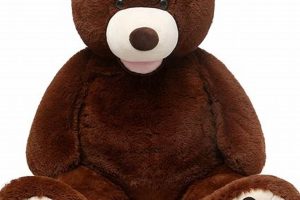
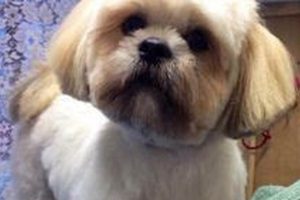
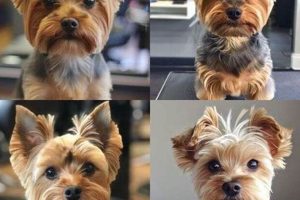
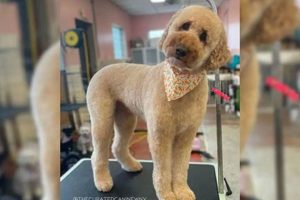
This grooming style for Lhasa Apsos involves trimming the coat to a uniform length, resembling the plush fur of a teddy bear. It creates a rounded, soft appearance, often with shorter fur around the face, ears, and paws. A well-executed example will maintain a balanced, symmetrical look, accentuating the breed’s expressive eyes and charming personality.
The popularity of this style derives from its practicality and aesthetic appeal. A shorter coat requires less maintenance, reducing matting and tangling common in the breed’s long, dense fur. This is particularly beneficial for owners with busy lifestyles or those less experienced in grooming long-haired dogs. Historically, the Lhasa Apso’s long coat served as protection from the harsh Himalayan climate. However, in modern contexts, this full coat can be less practical, leading to the rise of shorter, more manageable styles like the teddy bear cut. This contemporary approach offers a comfortable, manageable coat while preserving the breed’s inherent charm.
This article will further explore the specifics of achieving and maintaining this particular trim, addressing key aspects such as grooming techniques, tools required, frequency of maintenance, and potential variations within the style.
Tips for the Lhasa Apso Teddy Bear Haircut
Maintaining this style requires consistent care and attention. The following tips offer guidance for achieving optimal results and ensuring the dog’s comfort and well-being.
Tip 1: Regular Brushing: Even with a shorter cut, regular brushing remains crucial. This prevents matting, distributes natural oils, and keeps the coat healthy and shiny. A slicker brush is recommended for this breed.
Tip 2: Professional Grooming: While some owners may choose to trim their dog’s coat at home, professional grooming is often recommended, especially for achieving a precise and balanced teddy bear cut. A skilled groomer possesses the expertise and tools to achieve the desired look while ensuring the dog’s safety and comfort.
Tip 3: Bathing Schedule: Bathing should be done as needed, typically every 4-6 weeks or when the coat becomes dirty. Using a dog-specific shampoo and conditioner helps maintain the coat’s health and prevents dryness.
Tip 4: Face and Paw Trimming: The fur around the face, especially around the eyes, requires regular trimming to prevent obstruction of vision. Paw fur should also be kept short to prevent matting and discomfort.
Tip 5: Ear Care: Regular ear cleaning is essential for Lhasa Apsos, as their long ears can be prone to infections. A veterinarian can recommend appropriate ear cleaning solutions.
Tip 6: Coat Length Variations: The teddy bear cut offers flexibility in terms of coat length. Owners can opt for a shorter, more manageable cut or a slightly longer variation, depending on their preferences and lifestyle. Consulting with a groomer can help determine the ideal length.
By following these guidelines, owners can ensure their Lhasa Apso’s coat remains healthy, comfortable, and aesthetically pleasing. Consistent care and attention contribute significantly to the dog’s overall well-being.
In conclusion, the teddy bear cut offers a practical and attractive grooming solution for Lhasa Apsos. It simplifies coat maintenance while preserving the breed’s unique charm.
1. Coat Length

Coat length is a defining characteristic of the Lhasa Apso teddy bear haircut. This style departs from the breed’s traditional long coat, opting for a significantly shorter, more manageable length. The desired length influences the overall appearance, impacting the roundness and “plushness” associated with the teddy bear look. A shorter cut minimizes the risk of matting and tangling, simplifying grooming requirements. For instance, a coat length of one to two inches generally achieves the desired teddy bear appearance while remaining relatively easy to maintain. Longer lengths, while still possible within this style, require more frequent brushing and grooming to prevent matting, particularly in areas prone to friction, such as behind the ears and under the legs.
The choice of coat length also affects the dog’s comfort and practicality. In warmer climates, a shorter coat provides better ventilation and prevents overheating. Conversely, slightly longer lengths offer some insulation during colder months. Active dogs might benefit from shorter coats to avoid debris accumulation and facilitate easier cleaning. Show dogs adhering to breed standards might require specific coat lengths, demonstrating the importance of understanding breed-specific grooming guidelines within the teddy bear style. Furthermore, coat length considerations often intersect with other aspects of the teddy bear cut, such as face shaping and paw trimming. A balanced, proportional look necessitates careful consideration of coat length in relation to these other elements.
In summary, coat length is a critical factor in achieving a successful Lhasa Apso teddy bear haircut. Balancing aesthetics, practicality, and the dog’s comfort requires careful consideration of various factors, including climate, lifestyle, and individual preferences. Understanding the nuances of coat length within this style empowers owners to make informed decisions that benefit both the dog’s well-being and its overall appearance.
2. Face Shaping

Face shaping plays a crucial role in the overall aesthetic of the Lhasa Apso teddy bear haircut. It distinguishes the style from a simple, all-over trim, adding a sculpted, refined element that complements the breed’s distinctive features. Proper face shaping accentuates the Lhasa Apso’s expressive eyes and contributes to the characteristic “teddy bear” look. The technique involves carefully trimming the fur around the eyes, muzzle, and ears to create a rounded, soft appearance. This contrasts with the longer fur on the body, creating a visually appealing balance.
Several factors influence face shaping techniques. The dog’s age, existing coat condition, and individual facial structure contribute to the final outcome. A puppy might require a different approach compared to an adult dog, due to ongoing coat development. Similarly, a dog with pre-existing matting or uneven fur growth necessitates adjustments to the shaping process. The desired “teddy bear” look also dictates the specific techniques employed. A more rounded, plush appearance requires different trimming methods than a slightly more sculpted look. For instance, leaving slightly longer fur around the muzzle can enhance the rounded appearance, while trimming the fur closer to the skin around the eyes can accentuate their size and expressiveness. Skilled groomers often use specialized tools, such as curved scissors and thinning shears, to achieve precise shaping and seamless transitions between varying fur lengths.
Achieving a well-balanced face shape requires careful consideration and attention to detail. Inadequate face shaping can detract from the overall teddy bear look, resulting in an unbalanced or disproportionate appearance. Over-trimming around the eyes can create a harsh or startled expression, while neglecting to trim the fur around the muzzle can obscure the dog’s facial features. Successfully integrating face shaping into the teddy bear haircut enhances the breed’s natural charm and contributes to a polished, well-groomed appearance. It distinguishes the style from a basic short trim, showcasing the groomer’s skill and attention to detail. This careful approach ultimately benefits the dog, enhancing its comfort and highlighting its inherent beauty.
3. Paw Trimming

Paw trimming constitutes an essential component of the Lhasa Apso teddy bear haircut, contributing significantly to both aesthetics and hygiene. While the overall teddy bear style emphasizes a rounded, plush appearance achieved through specific coat length and face shaping, paw trimming focuses on maintaining neat, compact paws that complement the overall look and ensure the dog’s comfort.
- Hygiene and Comfort
Excess fur growth between the paw pads can accumulate dirt, debris, and moisture, creating a breeding ground for bacteria and potentially leading to infections. Regular trimming mitigates these risks, promoting paw health and preventing discomfort. Matted fur between the pads can also cause pain and difficulty walking, especially on rough surfaces. Maintaining trimmed paws allows for better traction and prevents slipping.
- Aesthetic Appeal
Neatly trimmed paws enhance the overall polished look of the teddy bear haircut. Overgrown paw fur can detract from the rounded, compact appearance desired in this style, making the paws appear disproportionately large and unkempt. Trimming the fur around the paws creates a clean, defined look that complements the sculpted face and shorter body coat. This attention to detail contributes to a well-balanced and aesthetically pleasing overall appearance.
- Practical Considerations
Long paw fur can track dirt and debris into the house, increasing cleaning demands. Regular trimming minimizes this issue, contributing to a cleaner home environment. Furthermore, trimmed paws are less prone to picking up burrs, thorns, and other outdoor debris that can cause discomfort and require tedious removal. This is particularly beneficial for Lhasa Apsos living in areas with varied terrain or abundant vegetation.
- Frequency and Technique
The frequency of paw trimming depends on the individual dog’s rate of fur growth, but generally, trimming every 4-6 weeks, coinciding with overall grooming appointments, is recommended. Correct trimming technique involves carefully trimming the fur between the paw pads and around the edges of the paw, following the natural contours. Specialized tools, such as small, blunt-tipped scissors, are recommended to avoid accidental injury. For dogs sensitive to paw handling, gradual desensitization and positive reinforcement techniques can facilitate a more comfortable trimming experience.
In conclusion, paw trimming is an integral part of maintaining the Lhasa Apso teddy bear haircut. It contributes not only to the overall aesthetic appeal but also to the dog’s hygiene, comfort, and overall well-being. By integrating regular paw trimming into the grooming routine, owners can ensure their Lhasa Apso enjoys the full benefits of this popular and practical style.
4. Maintenance Frequency

Maintaining a Lhasa Apso teddy bear haircut requires a consistent grooming regimen. Frequency significantly impacts the desired appearance and the coat’s overall health. Understanding the various factors influencing maintenance frequency allows owners to establish a routine that preserves the style’s integrity and the dog’s well-being.
- Coat Growth Rate
Individual Lhasa Apsos exhibit varying coat growth rates. Faster-growing coats necessitate more frequent trimming to maintain the desired length and shape. Slower growth allows for longer intervals between grooming sessions. Monitoring coat growth helps determine an appropriate schedule.
- Lifestyle and Activity Level
Active dogs, particularly those spending significant time outdoors, may require more frequent grooming. Exposure to environmental elements like dirt, debris, and vegetation can necessitate more frequent bathing and trimming to maintain hygiene and prevent matting. Less active dogs typically require less frequent maintenance.
- Desired Style and Length
Shorter teddy bear cuts generally require more frequent trims to maintain their precise shape and length. Longer variations offer more flexibility in scheduling grooming appointments. The desired level of precision in the cut also influences frequency. A highly sculpted look necessitates more regular maintenance compared to a more relaxed, natural style.
- Professional vs. Home Grooming
Owners opting for professional grooming often establish a regular schedule with their groomer, typically every 4-6 weeks. Home grooming allows for more flexibility, but maintaining consistency is crucial. Regardless of the chosen approach, adhering to a regular maintenance schedule is essential for preserving the teddy bear haircut’s appearance and the dog’s coat health.
Establishing an appropriate maintenance frequency for a Lhasa Apso teddy bear haircut requires consideration of individual coat characteristics, lifestyle, and desired style. A consistent grooming routine, whether professionally or at home, ensures the cut remains well-maintained, contributing to the dog’s comfort, hygiene, and overall appearance. Neglecting regular maintenance can lead to matting, discomfort, and a loss of the desired teddy bear aesthetic.
5. Professional Grooming

Professional grooming plays a vital role in achieving and maintaining a high-quality Lhasa Apso teddy bear haircut. This breed’s dense, double coat requires specialized knowledge and tools to manage effectively. Professional groomers possess the expertise to navigate the intricacies of this coat type, creating a precise, balanced teddy bear cut while minimizing the risk of skin irritation or discomfort. Their understanding of breed-specific grooming needs ensures the cut complements the dog’s conformation and accentuates its best features. For example, a professional groomer understands the importance of proper face shaping around the Lhasa’s expressive eyes, a crucial element of the teddy bear look. They also possess the skills to manage the longer fur on the ears and tail, seamlessly integrating these elements into the overall style. Attempting this level of precision without professional training can lead to uneven cuts, accidental injuries, or an unbalanced appearance.
The benefits of professional grooming extend beyond the initial haircut. Regular professional maintenance ensures the style’s longevity and the coat’s health. Groomers can detect early signs of skin issues or coat problems, addressing them proactively before they escalate. They also provide valuable guidance on home maintenance, such as brushing techniques and product recommendations, empowering owners to maintain the cut between professional appointments. For instance, a groomer might recommend a specific type of brush or de-matting tool based on the dog’s individual coat characteristics, preventing future matting and ensuring the teddy bear cut remains well-maintained. This proactive approach contributes to the dog’s overall comfort and well-being. Furthermore, professional grooming offers convenience for owners who may lack the time, skills, or specialized equipment required for this demanding breed’s coat care.
In conclusion, professional grooming represents a significant investment in a Lhasa Apso’s appearance and well-being, particularly when maintaining a teddy bear haircut. The expertise, specialized tools, and breed-specific knowledge offered by professional groomers ensure a precise, well-balanced cut that complements the Lhasa Apso’s unique characteristics. Regular professional maintenance preserves the style’s integrity, promotes coat health, and offers convenience for owners. While home grooming can supplement professional care, the foundational skills and precision achieved through professional grooming establish the basis for a successful and long-lasting teddy bear haircut.
6. Breed Suitability

Breed suitability is a crucial factor when considering the Lhasa Apso teddy bear haircut. This style’s popularity for the breed stems from the coat’s characteristics and the practical advantages it offers. The Lhasa Apso’s dense, double coat, while beautiful in its natural state, requires extensive grooming to prevent matting and tangling. The teddy bear cut simplifies maintenance, reducing the time and effort required for brushing and detangling. This practicality makes it a popular choice for owners with busy lifestyles or those less experienced in managing long-haired breeds. For instance, a Lhasa Apso participating in agility or other active pursuits benefits from the reduced risk of coat tangling and debris accumulation associated with a shorter cut. Furthermore, the teddy bear cut offers a comfortable alternative for Lhasa Apsos living in warmer climates, preventing overheating while preserving the breed’s charming appearance.
The teddy bear cut’s suitability for Lhasa Apsos also relates to the breed’s overall conformation. The rounded, plush appearance achieved through this style complements the Lhasa’s sturdy build and expressive facial features. It accentuates the breed’s inherent charm without obscuring its natural characteristics. Consider a show Lhasa Apso; while a full, flowing coat might be required for conformation events, a teddy bear cut offers a practical and attractive option for everyday life, preserving the coat’s health and minimizing grooming demands between shows. Moreover, this style adapts well to variations in coat length and face shaping, allowing for customization based on individual preferences and the dog’s specific needs. This adaptability further reinforces the breed’s suitability for the teddy bear cut.
In summary, the Lhasa Apso teddy bear haircut’s popularity stems from a confluence of factors related to breed suitability. The style addresses the practical challenges of managing the breed’s dense coat while complementing its physical characteristics. It offers a manageable, comfortable, and aesthetically pleasing alternative to the traditional long coat, making it a popular choice among Lhasa Apso owners. Understanding the connection between breed suitability and this particular haircut empowers owners to make informed grooming decisions that benefit the dog’s well-being and enhance its natural charm.
Frequently Asked Questions
This section addresses common inquiries regarding the Lhasa Apso teddy bear haircut, providing concise and informative responses to facilitate informed decision-making.
Question 1: How often does a Lhasa Apso with a teddy bear cut need grooming?
Grooming frequency depends on individual coat growth rates and desired style precision. Typically, professional grooming is recommended every 4-6 weeks to maintain the cut’s integrity.
Question 2: Is this style suitable for all Lhasa Apsos?
While generally suitable, individual coat characteristics and lifestyle factors should be considered. Dogs with extremely dense or matted coats might require more frequent grooming. Consulting a professional groomer is advisable.
Question 3: Can this cut be maintained at home?
Home maintenance between professional grooming sessions is possible with appropriate tools and techniques. Regular brushing and careful trimming around the face and paws are essential. However, achieving the initial precise cut is best left to professionals.
Question 4: Does this cut reduce shedding?
While no haircut eliminates shedding entirely, the teddy bear cut can reduce the amount of loose hair compared to a longer coat. Regular brushing further minimizes shedding and maintains coat health.
Question 5: How does this style affect the dog’s comfort in different climates?
The shorter coat offers better ventilation in warmer climates, preventing overheating. However, it provides less insulation in colder weather, potentially necessitating protective clothing.
Question 6: What are the key differences between a puppy cut and a teddy bear cut for a Lhasa Apso?
While both involve shorter coat lengths, the teddy bear cut typically emphasizes a more rounded and sculpted appearance, particularly around the face and paws, whereas a puppy cut is generally a more uniform length all over.
Understanding these key aspects of the Lhasa Apso teddy bear haircut empowers owners to make informed decisions that prioritize the dog’s comfort and well-being while achieving the desired aesthetic.
For further information on grooming techniques and breed-specific care, consult the resources provided below.
Lhasa Apso Teddy Bear Haircut
This exploration of the Lhasa Apso teddy bear haircut has provided insights into its multifaceted nature. Key aspects discussed include the importance of coat length, face shaping, and paw trimming in achieving the desired aesthetic. Maintenance frequency, professional grooming’s role, and breed suitability were also examined. The practical advantages, such as reduced grooming demands and enhanced comfort in warmer climates, underscore this style’s popularity. Potential variations within the style offer flexibility for individual preferences and needs.
The Lhasa Apso teddy bear haircut represents a contemporary approach to grooming, balancing practicality with aesthetic appeal. Careful consideration of the factors outlined herein ensures successful implementation and maintenance of this distinctive style, contributing to the breed’s overall well-being and preserving its inherent charm. Further research into breed-specific grooming practices is encouraged to enhance understanding and optimize coat care.