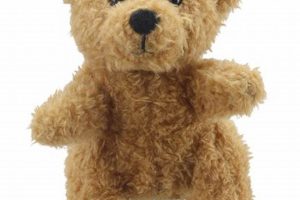
This soft, plush material, often composed of synthetic fibers like polyester or acrylic, is characterized by its dense pile and fluffy texture. Variations can include natural fibers like mohair or alpaca for a more luxurious feel. A common example is the material used to create classic stuffed animal toys.
The inherent softness and warmth of this type of textile make it a popular choice for items requiring comfort and tactile appeal. Its durability and ease of care contribute to its widespread use in children’s toys, blankets, clothing, and other home furnishings. Historically, plush fabrics emerged in the late 19th century, coinciding with the rise in popularity of stuffed toys, and have remained a staple ever since.
Further exploration will cover specific fiber types, manufacturing processes, and care instructions for this versatile material. The subsequent sections delve into the diverse applications and the enduring appeal of this comfortable textile.
Tips for Working with Plush Fabrics
The following tips offer guidance on selecting, using, and caring for plush fabrics effectively.
Tip 1: Pre-wash fabric. Pre-washing prevents shrinkage and color bleeding, ensuring the finished product maintains its intended size and appearance.
Tip 2: Choose the right needle. A universal or ballpoint needle is recommended to prevent snagging or damage to the delicate fibers. Size the needle appropriately for the fabric weight.
Tip 3: Use a walking foot. A walking foot helps feed the fabric evenly, preventing slippage and ensuring consistent seams, especially crucial for thicker plush variations.
Tip 4: Clip seams carefully. Trimming seam allowances close to the stitching, but not through it, reduces bulk and allows for smooth curves, especially important in contoured projects like stuffed animals.
Tip 5: Stuff firmly but evenly. Even stuffing distribution is essential for achieving a professional and aesthetically pleasing final product, especially for toys and cushions.
Tip 6: Clean appropriately. Follow manufacturer’s care instructions. Gentle machine washing or hand washing is often recommended to preserve the fabric’s softness and texture.
Tip 7: Consider the nap. Plush fabrics have a directional nap. Ensure all pattern pieces are cut in the same direction for a uniform appearance.
Adhering to these guidelines will help ensure successful project outcomes and prolong the lifespan of items made from plush materials. These practical tips contribute to both the creation and maintenance of high-quality plush creations.
By understanding the unique characteristics of this fabric, creators can maximize its potential for crafting comfortable and enduring items.
1. Softness

Softness represents a defining characteristic of teddy bear fabric, directly influencing its suitability for intended applications. This tactile quality stems from the structure of the fibers and the manufacturing process. Short, densely packed fibers create a plush surface that yields readily to touch, contributing to a perception of comfort and warmth. The type of fiber, whether natural or synthetic, plays a significant role. Synthetic fibers like polyester offer inherent softness and resilience, while natural options like mohair contribute a luxurious feel. The interplay between fiber type and construction determines the ultimate degree of softness. Children’s toys, for instance, often utilize softer variations of this material to enhance cuddliness and appeal, while blankets might prioritize a balance between softness and durability.
The perceived softness also affects the material’s drape and its ability to conform to shapes. This characteristic is crucial for creating plush toys with realistic contours and blankets that provide enveloping comfort. The ability of the fabric to compress and recover contributes to its cushioning effect, further enhancing its suitability for comfort items. Consider a plush toy: its softness allows it to be hugged and held close, providing a sense of security and comfort, particularly for children. In blankets, the softness contributes to a sense of warmth and relaxation, promoting restful sleep.
Achieving the desired level of softness requires careful consideration of fiber selection, yarn construction, and finishing processes. Balancing softness with durability and ease of care remains a key challenge in textile manufacturing. Understanding the factors that contribute to softness allows manufacturers to tailor the material to specific applications, ensuring optimal performance and user satisfaction. The continued demand for soft, plush fabrics highlights the inherent human desire for comfort and tactile pleasure, demonstrating the practical significance of this sensory attribute.
2. Durability
Durability represents a critical factor in the longevity and continued appeal of items crafted from teddy bear fabric. This characteristic determines the material’s ability to withstand regular use, handling, and cleaning without significant degradation in appearance or function. Understanding the factors contributing to durability is essential for both manufacturers and consumers.
- Resistance to Abrasion
Abrasion resistance signifies the fabric’s ability to withstand surface wear and tear from rubbing or friction. This is particularly relevant for children’s toys, which often endure rough handling. High-quality teddy bear fabric exhibits good abrasion resistance, minimizing the formation of pills, snags, or tears over time. The tight weave and strong fibers contribute to this resilience, ensuring the item retains its integrity and aesthetic appeal through extended use.
- Tensile Strength
Tensile strength indicates the fabric’s resistance to tearing under tension. This property is essential for items subjected to pulling or stretching forces, such as blankets or clothing. Strong fibers and a robust construction contribute to high tensile strength, preventing rips and tears. This characteristic ensures the material can withstand the stresses of regular use, maintaining its structural integrity and preventing premature failure.
- Seam Strength
Seam strength plays a crucial role in the overall durability of any item constructed from teddy bear fabric. Secure, well-stitched seams are essential for preventing unraveling or separation, especially in areas subjected to stress, such as the seams of a stuffed animal. Reinforced stitching techniques and appropriate thread selection contribute to robust seam strength, ensuring the longevity of the finished product.
- Colorfastness
Colorfastness refers to the fabric’s ability to retain its color after repeated washing or exposure to sunlight. Maintaining vibrant colors over time is crucial for preserving the aesthetic appeal of items made from teddy bear fabric. High-quality dyes and appropriate finishing processes contribute to good colorfastness, minimizing fading or bleeding, and ensuring the item retains its visual appeal through multiple cleaning cycles.
These facets of durability collectively contribute to the longevity and value of teddy bear fabric. Understanding these elements allows for informed decisions regarding material selection and care practices, ensuring the creation of enduring and cherished items. The balance between softness, warmth, and durability defines the enduring appeal of this versatile textile.
3. Warmth
Warmth, a key characteristic of teddy bear fabric, contributes significantly to its perceived comfort and suitability for various applications. This property stems from the material’s ability to trap air and retain heat, creating a layer of insulation against colder temperatures. Understanding the factors influencing warmth provides insights into the material’s effectiveness in providing thermal comfort.
- Insulating Properties of the Fibers
The inherent insulating properties of the fibers play a crucial role in the overall warmth provided by the fabric. Synthetic fibers like polyester, commonly used in teddy bear fabric, possess good insulating capabilities due to their hollow or crimped structure, which traps air effectively. Natural fibers like wool or alpaca offer even greater insulation due to their complex fiber structure and natural crimp. The type and blend of fibers directly influence the fabric’s ability to retain heat and provide warmth.
- Density and Pile Height
The density and pile height of the fabric significantly impact its warmth. A dense pile with longer fibers traps more air, creating a thicker layer of insulation. This explains why high-pile teddy bear fabrics feel warmer than low-pile variations. The density of the fibers also affects breathability, with denser fabrics generally offering less air circulation. Balancing warmth with breathability is essential for achieving optimal comfort, especially in items like blankets or clothing.
- Layering and Trapped Air
The principle of trapped air is central to the warmth provided by teddy bear fabric. The structure of the fabric, with its dense pile and often loosely spun yarns, creates numerous small air pockets. These trapped air pockets act as insulators, reducing heat transfer and maintaining warmth. Multiple layers of teddy bear fabric further enhance this effect, as seen in quilted blankets or jackets, where the layering multiplies the insulating air pockets.
- Subjective Perception of Warmth
While measurable factors like fiber type and density contribute to warmth, the subjective perception of warmth also plays a role. Factors like individual body temperature, ambient conditions, and psychological associations can influence how warm a fabric feels. The soft, plush texture of teddy bear fabric often contributes to a feeling of warmth and comfort, even in the absence of significant thermal insulation. This psychological component enhances the material’s perceived value and appeal.
These factors collectively contribute to the warmth provided by teddy bear fabric, making it a suitable choice for applications requiring thermal comfort, such as blankets, winter clothing, and stuffed toys. The interplay between fiber properties, fabric construction, and subjective perception determines the overall effectiveness of the material in providing warmth and comfort. This understanding allows for informed choices regarding material selection and design for specific applications, ensuring optimal performance and user satisfaction.
4. Synthetic Fibers

Synthetic fibers constitute a significant component of modern textile production, playing a crucial role in the creation of teddy bear fabric. Their inherent properties contribute significantly to the desired characteristics of softness, durability, and ease of care. Understanding the various types of synthetic fibers and their respective contributions is essential for appreciating the versatility and widespread use of this material.
- Polyester
Polyester, a widely used synthetic fiber, offers excellent durability, wrinkle resistance, and colorfastness. Its inherent strength and resilience make it ideal for teddy bear fabric, ensuring the longevity of toys and other items. Polyester’s resistance to shrinking and stretching further contributes to its practicality, allowing for easy care and maintenance. Examples include polyester filling in plush toys and polyester fleece for blankets.
- Acrylic
Acrylic fibers provide a soft, wool-like feel, offering warmth and comfort. Their hypoallergenic nature makes them suitable for sensitive individuals. Acrylic is often blended with other fibers to enhance specific properties. In teddy bear fabric, acrylic contributes to softness and insulation, mimicking the luxurious feel of natural fibers like mohair at a lower cost. Acrylic blankets and plush toys often utilize this fiber for its softness and warmth.
- Nylon
Nylon, known for its exceptional strength and abrasion resistance, contributes to the durability of teddy bear fabric. While less common than polyester or acrylic, nylon can be incorporated to enhance the material’s resistance to wear and tear, particularly in high-stress areas like seams. Luggage and outdoor gear often utilize nylon for its strength and durability, demonstrating its potential for reinforcing plush items.
- Microfiber
Microfiber, a category of extremely fine synthetic fibers, offers exceptional softness and absorbency. In teddy bear fabric, microfiber can enhance the plush texture and contribute to a luxurious feel. Cleaning cloths and plush towels demonstrate microfiber’s softness and absorbency, highlighting its potential for creating premium teddy bear fabrics.
The selection and combination of these synthetic fibers directly influence the final characteristics of teddy bear fabric. Manufacturers carefully consider factors like desired softness, durability, and cost when choosing the appropriate fiber blend. The versatility of synthetic fibers allows for the creation of a wide range of teddy bear fabrics, catering to diverse applications and consumer preferences. Understanding the properties of each fiber contributes to informed decision-making, ensuring optimal performance and satisfaction for both manufacturers and end-users.
5. Plush Texture

Plush texture represents a defining characteristic of teddy bear fabric, inextricably linked to its perceived comfort and appeal. This tactile quality arises from the specific arrangement of fibers, creating a soft, raised surface that yields readily to touch. The density and length of the pile, the raised fibers on the fabric’s surface, directly influence the degree of plushness. A higher pile density and longer fibers create a richer, more luxurious texture, enhancing the fabric’s perceived softness and warmth. This characteristic contributes significantly to the widespread use of teddy bear fabric in comfort items like blankets, stuffed animals, and soft furnishings.
Consider the classic teddy bear: its plush texture invites cuddling and provides a comforting tactile experience. This textural element enhances the emotional connection between the child and the toy. Similarly, a plush blanket offers a sense of warmth and security, promoting relaxation and sleep. In clothing applications, plush textures introduce an element of luxury and comfort, enhancing the overall sensory experience. These examples demonstrate the practical significance of plush texture in various applications, influencing both functionality and emotional response. The raised surface traps air, contributing to the fabric’s warmth and insulation properties, further enhancing its comfort factor.
Maintaining plush texture requires appropriate care and handling. Frequent washing and drying can compress the fibers, diminishing the plushness over time. Gentle cleaning methods and proper storage practices help preserve the tactile qualities of the fabric, ensuring continued comfort and aesthetic appeal. The challenge lies in balancing the desired plushness with durability and ease of care. Manufacturers continually explore innovative techniques to enhance and preserve plush texture, recognizing its crucial role in consumer perception and product satisfaction. Understanding the relationship between fiber characteristics, construction methods, and the resulting plush texture allows for informed decisions regarding material selection and product design, contributing to the creation of comfortable and enduring textiles.
6. Easy Care

Ease of care represents a significant advantage of teddy bear fabric, contributing to its popularity for items requiring frequent cleaning, such as children’s toys, blankets, and clothing. This characteristic simplifies maintenance, reducing the time and effort required to keep items looking their best. Several factors contribute to the low-maintenance nature of this material.
- Washability
Many teddy bear fabrics are machine washable, simplifying the cleaning process. This allows for convenient removal of dirt, stains, and allergens. The ability to launder these items regularly contributes to hygiene and prolongs their lifespan. For delicate items or those with intricate details, hand washing may be recommended to preserve the fabric’s integrity.
- Dryability
The synthetic fibers commonly used in teddy bear fabric often exhibit quick-drying properties. This minimizes drying time, reducing the risk of mildew or musty odors. Proper drying techniques, such as air drying or tumble drying on low heat, help maintain the fabric’s softness and prevent shrinkage. This ease of drying contributes to the convenience of caring for items made from this material.
- Wrinkle Resistance
Teddy bear fabric typically demonstrates good wrinkle resistance, minimizing the need for ironing. This characteristic simplifies care, especially for items like blankets or plush toys, which are less likely to wrinkle during use or storage. The inherent resilience of the fibers contributes to this wrinkle resistance, maintaining a smooth and presentable appearance with minimal effort.
- Stain Resistance
While not inherently stain-proof, many teddy bear fabrics benefit from stain-resistant treatments. These treatments help repel liquids and prevent stains from setting deeply into the fibers, facilitating easier cleaning and spot removal. This characteristic contributes to the longevity and maintained appearance of items frequently exposed to spills or dirt, such as children’s toys or blankets.
These easy-care properties contribute significantly to the practical appeal of teddy bear fabric. The combination of washability, dryability, wrinkle resistance, and stain resistance simplifies maintenance, making it a suitable choice for frequently used and handled items. This ease of care ultimately enhances the longevity and enjoyment of products made from this versatile material, reinforcing its popularity among consumers.
Frequently Asked Questions
This section addresses common inquiries regarding the characteristics and utilization of this specific textile.
Question 1: What are the primary fiber compositions used in this material?
Commonly, polyester and acrylic comprise the core fiber content. Less frequently, natural fibers such as mohair or alpaca are incorporated for added luxury.
Question 2: Is this textile suitable for individuals with allergies?
Generally, the synthetic nature of this material renders it hypoallergenic. However, individual sensitivities may vary, particularly with blended compositions containing natural fibers. Consulting product specifications is advised.
Question 3: How does one maintain the plush texture of this material?
Gentle washing and air drying are recommended. Avoid harsh detergents or high heat, as these can damage the fibers and diminish the plushness.
Question 4: What applications beyond teddy bears utilize this fabric?
Applications extend to blankets, clothing, upholstery, and other comfort-oriented items. Its softness, warmth, and durability make it a versatile choice for diverse products.
Question 5: How does this material compare to other plush fabrics like velvet or velour?
While all offer a soft, plush texture, this material typically exhibits greater durability and ease of care compared to more delicate options like velvet or velour. The fiber composition and construction contribute to these differences.
Question 6: What factors should be considered when selecting this textile for a specific project?
Key considerations include desired softness, durability requirements, color preferences, and intended application. Evaluating these factors ensures appropriate material selection for optimal project outcomes.
Understanding the properties and appropriate care practices ensures optimal material selection and product longevity.
The subsequent section explores the diverse applications of this versatile textile across various industries.
Conclusion
This exploration of teddy bear fabric has detailed its key characteristics: softness, durability, warmth, and ease of care. The common use of synthetic fibers like polyester and acrylic contributes to these attributes, making it a practical choice for various applications. The distinctive plush texture, arising from the dense pile and fiber construction, enhances its appeal for comfort items. Understanding these properties enables informed decisions regarding material selection and utilization.
The enduring popularity of teddy bear fabric underscores its versatility and continued relevance in diverse industries. From children’s toys to home furnishings and apparel, its unique combination of comfort and practicality ensures its enduring presence in the textile landscape. Continued innovation in fiber technology and manufacturing processes promises further advancements in this versatile material, expanding its potential applications and enhancing its inherent qualities.