Cleaning a plush toy depends largely on its construction and materials. Methods range from surface cleaning with a damp cloth or sponge for delicate toys, to machine washing for more durable ones. Spot cleaning specific stains with mild detergent is often a good first step. For example, a beloved bear with an unfortunate ice cream encounter might only require attention to the affected area, rather than a full submersion.
Maintaining the cleanliness of plush toys is crucial for hygiene, especially for children who often sleep with and handle these cherished companions. Regular cleaning can prevent dust mites, allergens, and bacteria from accumulating, promoting a healthier environment. Historically, plush toys, often crafted with delicate materials and intricate detailing, were primarily cleaned by hand. The advent of machine-washable fabrics and more robust construction techniques has broadened cleaning options considerably.
Considerations for cleaning plush toys include the care label instructions, the age and condition of the toy, and the presence of any electronic components or delicate embellishments. The following sections will explore various cleaning methods in detail, addressing specific material types and offering guidance on handling delicate or antique plush toys.
Cleaning Plush Toys
Proper cleaning maintains the hygiene and longevity of plush toys. These tips offer guidance on various cleaning methods, from simple surface cleaning to machine washing.
Tip 1: Check the Care Label: Always consult the manufacturer’s care label before cleaning. This label provides specific instructions based on the toy’s materials and construction.
Tip 2: Surface Cleaning for Delicate Toys: For delicate or antique plush toys, surface cleaning is recommended. Use a damp cloth or sponge with a mild detergent solution to gently wipe the toy’s surface. Allow the toy to air dry completely.
Tip 3: Machine Washing for Durable Toys: If the care label permits, machine wash durable plush toys in a mesh laundry bag on a gentle cycle with cold water. Air drying is preferable to prevent damage.
Tip 4: Spot Cleaning for Specific Stains: Address small stains with a mild detergent solution and a clean cloth. Blot the stain gently; avoid rubbing, which can damage the fabric. Allow the area to air dry thoroughly.
Tip 5: Drying Techniques: Air drying is generally recommended for all plush toys. Avoid direct sunlight or high heat, which can fade colors or damage delicate materials. For faster drying, a low-heat setting on a clothes dryer can be used, but monitor the toy closely to prevent overheating.
Tip 6: Handling Embellishments: Exercise caution with toys featuring embellishments like sequins, buttons, or glued-on eyes. These can be damaged during machine washing. Surface cleaning is often a safer option for such toys.
Tip 7: Addressing Matted Fur: A wide-toothed comb or a soft brush can help restore the plushness of matted fur after cleaning and drying.
Maintaining cleanliness prolongs the lifespan of cherished plush companions and contributes to a healthier environment. By following these tips, one can ensure their plush toys remain in optimal condition for years to come.
This concludes the practical guidance on cleaning plush toys. The following section will summarize key takeaways and offer final recommendations.
1. Check Care Label

Prior to cleaning a teddy bear, consulting the care label is paramount. This label serves as a crucial guide, providing manufacturer-recommended cleaning instructions tailored to the specific materials and construction of the toy. Ignoring this information could lead to irreversible damage, such as fabric shrinkage, color fading, or embellishment detachment. Understanding the care label’s symbols and instructions is therefore essential for preserving the teddy bear’s integrity.
- Washing Instructions
Care labels often specify the permissible washing methods, whether machine washing, hand washing, or surface cleaning only. A machine-washable teddy bear might be labeled with a symbol indicating the recommended water temperature and cycle setting. A delicate, hand-stitched bear might require hand washing or surface cleaning only. Adhering to these instructions prevents damage and maintains the toy’s quality.
- Drying Instructions
Drying instructions are equally critical. Some teddy bears can be tumble dried on a low setting, while others require air drying. Certain materials, such as wool or delicate fabrics, may shrink or become misshapen if exposed to high heat. Proper drying preserves the toy’s shape and texture.
- Material Composition
The care label typically discloses the materials used in the teddy bear’s construction. This information helps determine appropriate cleaning agents and methods. For example, a bear made of synthetic fibers might tolerate stronger cleaning solutions than one made of natural fibers like wool or silk.
- Special Instructions
The care label may contain special instructions pertaining to specific features, such as embroidered details, glued-on eyes, or musical components. These instructions might advise against submerging the bear or recommend spot cleaning only. Following these specific guidelines prevents damage to delicate features.
By carefully reviewing the care label before undertaking any cleaning procedures, one ensures the longevity and preservation of the teddy bear. This proactive approach minimizes the risk of accidental damage and maintains the toy’s appearance and structural integrity. The care label, therefore, acts as an indispensable guide for proper teddy bear maintenance.
2. Surface Cleaning

Surface cleaning offers a gentle yet effective method for maintaining the cleanliness of teddy bears, particularly those with delicate features or antique value. This approach avoids full submersion, minimizing the risk of damage to sensitive materials or embellishments. Understanding the nuances of surface cleaning is essential for preserving the integrity of these cherished companions.
- Material Suitability
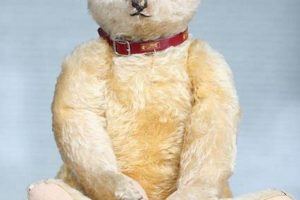
Surface cleaning proves particularly well-suited for teddy bears constructed from delicate materials like mohair, silk, or antique fabrics. These materials often react adversely to water immersion, potentially leading to shrinkage, discoloration, or structural damage. Surface cleaning allows targeted cleaning without compromising the material’s integrity.
- Technique and Tools
Surface cleaning typically involves using a slightly dampened cloth or sponge, combined with a mild cleaning solution. Gentle wiping motions remove surface dust, dirt, and allergens without saturating the underlying stuffing. A soft-bristled brush can aid in removing embedded debris from textured surfaces. Avoid harsh scrubbing, which can damage delicate fibers.
- Spot Cleaning Stains
Surface cleaning offers an effective solution for addressing localized stains on teddy bears. A mild detergent solution applied directly to the stain with a clean cloth can often lift the discoloration without requiring a full wash. Blot the stain gently; avoid rubbing, which may spread the stain or damage the surrounding fabric. Allow the treated area to air dry completely.
- Preservation of Embellishments
Teddy bears often feature delicate embellishments such as embroidered details, glued-on eyes, or sewn-on accessories. Surface cleaning allows for targeted cleaning around these features, minimizing the risk of damage. Full submersion could loosen glued components or cause delicate embroidery to unravel. Surface cleaning offers a safer approach for preserving these intricate details.
Surface cleaning serves as a crucial component within the broader context of teddy bear care. Its gentle yet effective approach safeguards delicate materials and embellishments, preserving the integrity and extending the lifespan of these treasured companions. By understanding the appropriate techniques and recognizing material suitability, one can effectively utilize surface cleaning as a valuable tool in maintaining the cleanliness and condition of teddy bears.
3. Gentle Machine Wash
Gentle machine washing represents a viable cleaning method for certain teddy bears, offering a balance between thorough cleaning and preservation of the toy’s integrity. The connection between gentle machine washing and the broader question of teddy bear cleaning lies in understanding material suitability and proper washing techniques. Selecting the gentle cycle minimizes agitation, reducing the risk of damage to delicate fabrics or embellishments. This approach proves particularly effective for sturdier, machine-washable plush toys, offering a more thorough cleaning than surface washing alone. For example, a teddy bear crafted from durable synthetic fibers and lacking delicate accessories often benefits from a gentle machine wash. This method effectively removes embedded dirt and allergens while preserving the toy’s overall structure.
Distinguishing between machine-washable and non-machine-washable teddy bears requires careful consideration. Consulting the care label provides essential guidance. Factors such as material composition, construction techniques, and the presence of delicate features influence this determination. A hand-knitted teddy bear with delicate woolen yarn, for instance, necessitates a more gentle approach, such as hand washing or surface cleaning, to avoid damage. Conversely, a commercially produced teddy bear made from synthetic plush materials often tolerates gentle machine washing without adverse effects. Understanding these distinctions ensures appropriate cleaning methods, preserving the teddy bear’s condition.
Effective gentle machine washing involves placing the teddy bear inside a mesh laundry bag to provide further protection against agitation. Utilizing cold water minimizes the risk of color bleeding or fabric shrinkage. Adding a mild detergent designed for delicate fabrics enhances cleaning efficacy without compromising the toy’s material integrity. Air drying after the gentle machine wash cycle further safeguards the teddy bear, preventing potential damage associated with high dryer heat. This comprehensive approach, encompassing pre-wash preparation, appropriate cycle selection, and gentle drying techniques, maximizes cleaning effectiveness while preserving the teddy bear’s condition.
4. Spot Cleaning Stains

Spot cleaning stains represents a crucial aspect of teddy bear maintenance, directly addressing the broader question of how to effectively clean these cherished companions. Its significance lies in providing a targeted approach to stain removal, minimizing the need for more intensive cleaning methods that could potentially damage delicate materials or embellishments. Spot cleaning focuses on addressing specific, localized stains rather than subjecting the entire toy to a full wash. This targeted approach proves particularly valuable for treating small, isolated stains, such as food spills or mud splatters, without the risk of over-wetting or damaging the entire teddy bear. For instance, a small chocolate smudge on a teddy bear’s paw can be effectively treated with spot cleaning, obviating the need for a full submersion or machine wash. This localized approach preserves the overall integrity of the toy while addressing the specific area requiring attention. Understanding the role of spot cleaning within the larger context of teddy bear hygiene contributes significantly to preserving these treasured items.
The effectiveness of spot cleaning hinges on prompt action and appropriate technique. Fresh stains generally respond better to treatment than older, set-in stains. Gentle blotting with a clean cloth dampened with a mild cleaning solution is typically recommended. Avoid rubbing, which can spread the stain or damage the surrounding fabric. The choice of cleaning solution depends on the nature of the stain and the teddy bear’s material composition. For example, a grease stain might require a different cleaning agent than a water-based stain. Testing the cleaning solution on an inconspicuous area of the teddy bear beforehand ensures compatibility and prevents unintended discoloration or damage. Careful consideration of these factors maximizes the effectiveness of spot cleaning while minimizing the risk of adverse effects.
Spot cleaning, as a component of teddy bear hygiene, offers a practical and effective solution for maintaining cleanliness and extending the lifespan of these treasured possessions. Its targeted approach minimizes the need for more aggressive cleaning methods, preserving delicate materials and embellishments. Understanding the principles of effective spot cleaning, including prompt action, appropriate technique, and careful selection of cleaning solutions, empowers individuals to address stains promptly and effectively, preserving the pristine condition of their cherished teddy bears. This localized approach contributes significantly to the overall maintenance and preservation of these sentimental items.
5. Air Dry Preferably
Air drying plays a crucial role in maintaining the integrity of teddy bears after cleaning, directly addressing the central question of proper washing techniques. Opting for air drying over machine drying minimizes potential damage associated with high heat, such as fabric shrinkage, distortion of stuffing, or damage to delicate embellishments. This preference for air drying stems from the inherent vulnerabilities of many teddy bear materials, particularly natural fibers like wool or mohair, and the potential for heat-induced damage to plastic or glued components. Consider a vintage teddy bear with delicate embroidered features and wool stuffing. Subjecting such a bear to the high heat of a machine dryer could result in irreversible shrinkage, distortion of the embroidered details, and damage to the wool fibers. Air drying, conversely, preserves the bear’s original form and intricate details. The cause-and-effect relationship between high heat and material damage underscores the importance of air drying as a preferred method.
The practical significance of air drying becomes apparent when considering the various challenges associated with alternative drying methods. Machine drying, while faster, introduces risks of overheating, shrinkage, and damage to embellishments. These risks necessitate careful monitoring and often preclude machine drying altogether for delicate or antique bears. Air drying, while potentially more time-consuming, offers a gentler, safer approach, preserving the teddy bear’s condition. Positioning the bear in a well-ventilated area away from direct sunlight or excessive heat facilitates optimal drying. This method effectively removes residual moisture while minimizing the risk of damage. Practical applications extend to various teddy bear types, from vintage collectibles to modern plush toys, underscoring the universal importance of air drying as a preservation technique.
Air drying stands as a critical component within the broader framework of teddy bear care. Its importance lies in mitigating potential damage associated with alternative drying methods, ensuring the longevity and preservation of these cherished companions. The choice of air drying reflects a conscious effort to prioritize the teddy bear’s well-being, safeguarding delicate materials and intricate details from the potentially harmful effects of high heat. This preference for a gentler, safer drying method underscores the fundamental principles of proper teddy bear care, contributing to the preservation of these treasured possessions for generations to come. Challenges associated with extended drying times are outweighed by the long-term benefits of preserving the teddy bear’s original condition.
6. Protect Embellishments

Protecting embellishments forms a critical component of proper teddy bear cleaning. Embellishments, including buttons, ribbons, sequins, or embroidered details, often require specific care to prevent damage during cleaning. Their presence necessitates a nuanced approach to washing, influencing the choice between surface cleaning, gentle machine washing, or hand washing. Understanding how to safeguard these delicate features contributes significantly to preserving the teddy bear’s overall appearance and sentimental value.
- Material Sensitivity
Embellishments often consist of materials sensitive to harsh cleaning agents or excessive agitation. Glued-on eyes, for instance, can detach during machine washing, while delicate embroidery may fray or unravel. Recognizing this material sensitivity necessitates preemptive measures, such as placing the teddy bear in a mesh laundry bag or opting for surface cleaning over submersion, to minimize the risk of damage.
- Pre-Cleaning Assessment
Before cleaning, careful assessment of the type and condition of embellishments informs appropriate cleaning strategies. Loose threads or pre-existing damage may necessitate hand washing or spot cleaning to avoid exacerbation during machine washing. For example, a teddy bear with loose sequins requires a gentler approach than one with securely attached buttons. Evaluating embellishment stability is crucial for selecting appropriate cleaning methods.
- Cleaning Method Selection
The presence of embellishments significantly influences cleaning method selection. Surface cleaning often presents the safest option for teddy bears with delicate or numerous embellishments. Gentle hand washing may be suitable for some, while machine washing, even on a gentle cycle, poses risks to certain embellishments. A teddy bear with intricately embroidered facial features, for example, might require surface cleaning to avoid damage, whereas a bear with securely attached plastic buttons could tolerate a gentle machine wash inside a mesh laundry bag. Careful consideration of embellishment type guides appropriate cleaning method selection.
- Post-Cleaning Care
Protecting embellishments extends beyond the cleaning process itself. Careful drying techniques, such as air drying in a well-ventilated area away from direct sunlight, prevent damage and maintain the embellishments’ integrity. Reshaping or repositioning embellishments while the teddy bear dries ensures proper form and prevents misshaping. For example, smoothing out ruffled ribbons or repositioning displaced buttons while the bear dries helps retain the original appearance and prevents permanent distortion.
Protecting embellishments during teddy bear cleaning requires a comprehensive approach encompassing pre-cleaning assessment, careful method selection, and attentive post-cleaning care. These combined efforts preserve the teddy bear’s aesthetic integrity and sentimental value, safeguarding delicate features from potential damage during the cleaning process. Recognizing the vulnerability of embellishments underscores the importance of gentle cleaning techniques and careful handling, ensuring the longevity of these cherished companions.
7. Comb Matted Fur

Restoring a teddy bear’s plush texture after cleaning often necessitates combing matted fur. This process directly relates to the broader topic of teddy bear washing, representing a crucial post-cleaning step. Washing, particularly when the bear is submerged, can tangle fur and create matted clumps. The act of washing, therefore, creates the conditions that necessitate combing. This cause-and-effect relationship underscores the importance of combing as an integral component of proper teddy bear hygiene. For example, a long-haired plush bear, after a necessary machine wash, might emerge with tangled and matted fur. Combing restores the bear’s soft, fluffy texture, completing the cleaning process and preserving the toy’s aesthetic appeal.
Combing matted fur requires specific tools and techniques to avoid further damage. Using a wide-toothed comb or a brush specifically designed for plush toys minimizes the risk of pulling or breaking delicate fibers. Gentle, methodical strokes, following the direction of fur growth, effectively detangle matted clumps without causing undue stress on the material. Practical application of this technique differentiates between various fur types. A short-haired plush bear, for instance, might require a softer brush and lighter strokes than a long-haired bear. This nuanced approach ensures effective detangling while minimizing the risk of damage, reflecting the practical significance of understanding proper combing techniques.
Combing, as a final step in the teddy bear washing process, contributes significantly to the overall maintenance and preservation of these cherished items. It addresses the direct consequence of washingmatted furrestoring the bear’s original plush texture and aesthetic appeal. While challenges may arise with severely matted fur, patience and proper technique effectively address this issue. This understanding of combing’s role within the broader context of teddy bear care ensures proper maintenance, preserving these treasured companions for years to come. It reinforces the interconnectedness of each step in the cleaning process, highlighting the importance of proper technique throughout.
Frequently Asked Questions about Teddy Bear Washing
Proper cleaning of teddy bears requires an understanding of various factors influencing cleaning methods. This FAQ section addresses common queries and misconceptions related to teddy bear hygiene.
Question 1: Can all teddy bears be machine washed?
No, not all teddy bears are suitable for machine washing. Consulting the care label is essential. Delicate materials, antique bears, or those with glued-on embellishments often require surface cleaning or hand washing.
Question 2: What is the best way to dry a teddy bear after washing?
Air drying is generally recommended. Place the bear in a well-ventilated area away from direct sunlight or excessive heat. Avoid machine drying unless the care label specifically permits it, as high heat can damage delicate materials or embellishments.
Question 3: How should stains on a teddy bear be addressed?
Spot cleaning is often the most effective method for localized stains. Use a mild detergent solution and a clean cloth, blotting the stain gently. Avoid rubbing, which can spread the stain or damage the fabric.
Question 4: What type of detergent is suitable for cleaning teddy bears?
Mild detergents designed for delicate fabrics are generally recommended. Avoid harsh chemicals or bleach, which can damage the teddy bear’s materials or cause discoloration.
Question 5: How frequently should teddy bears be cleaned?
Cleaning frequency depends on usage and environmental factors. Regular surface cleaning to remove dust and allergens is advisable. More thorough cleaning, such as machine washing or hand washing, can be performed as needed, typically every few months or when visibly soiled.
Question 6: How can matted fur on a teddy bear be restored after washing?
Gently comb the fur with a wide-toothed comb or a brush designed for plush toys. Follow the direction of fur growth to avoid pulling or breaking the fibers. Patience and gentle strokes are key to restoring a plush texture.
Maintaining proper teddy bear hygiene involves understanding material sensitivities, appropriate cleaning methods, and the importance of gentle handling. This comprehensive approach preserves these cherished companions, extending their lifespan and sentimental value.
The following section will offer concluding remarks and recommendations for long-term teddy bear care.
Teddy Bear Hygiene
Maintaining the cleanliness of teddy bears requires a nuanced approach, encompassing careful consideration of material composition, embellishment types, and the presence of antique or delicate features. Effective cleaning methods range from surface cleaning for delicate toys to gentle machine washing for more durable constructions. Spot cleaning addresses localized stains, while air drying minimizes the risk of heat-related damage. Protecting embellishments during the cleaning process preserves the teddy bear’s aesthetic integrity. Combing matted fur restores plush texture, completing the restoration process.
Preserving these cherished companions necessitates a proactive approach to hygiene, understanding the interconnectedness of cleaning methods and material sensitivities. Appropriate care ensures the longevity of teddy bears, safeguarding not only their physical condition but also their sentimental value. This comprehensive understanding of teddy bear hygiene empowers individuals to provide optimal care, ensuring these treasured possessions remain cherished companions for generations to come.