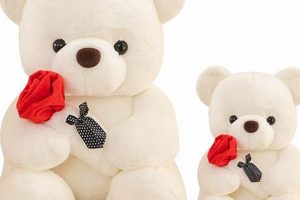
Handcrafted decorative centerpieces featuring stuffed toy bears as the focal point offer a charming and personalized touch to various events, particularly children’s parties, baby showers, and whimsical celebrations. These arrangements can range from simple placements of bears amidst floral arrangements to more elaborate designs incorporating props, themed elements, and tiered displays.
Creating personalized centerpieces offers a cost-effective alternative to pre-made decorations, allowing for creative expression and customization to match specific event themes and color palettes. This approach fosters a sense of unique charm and personal investment in the event’s ambiance, contributing to a more memorable experience for attendees. The enduring popularity of stuffed animals, especially teddy bears, lends a sense of nostalgia and comfort to these decorative elements.
This exploration will delve into various design approaches, material selection, construction techniques, and thematic considerations for crafting unique and engaging centerpieces featuring these beloved plush companions. From rustic arrangements to elegant displays, the possibilities are as diverse as the bears themselves.
Tips for Crafting Teddy Bear Centerpieces
Creating appealing teddy bear centerpieces requires thoughtful planning and execution. These tips offer guidance for constructing visually engaging and structurally sound arrangements.
Tip 1: Select an Appropriate Base. A sturdy base is crucial for stability. Consider using floral foam, baskets, boxes, or even stacked books, ensuring the base complements the overall design and can support the weight of the arrangement.
Tip 2: Choose Complementary Materials. Surrounding the bears with coordinating fabrics, ribbons, flowers, and other decorative elements enhances visual appeal. Natural elements like greenery, pine cones, or twigs can add a rustic touch, while beads and sequins offer a more glamorous aesthetic.
Tip 3: Consider the Event’s Theme. The centerpiece should harmonize with the overall event theme. For example, a baby shower might feature pastel colors and baby-themed props, while a birthday party could incorporate balloons and age-appropriate decorations.
Tip 4: Vary Bear Heights and Poses. Using bears of different sizes and positions creates visual interest and prevents a monotonous appearance. Consider incorporating sitting, standing, or even climbing bears to add dynamism to the arrangement.
Tip 5: Secure Bears Effectively. Ensure the bears are securely attached to the base using methods like floral wire, glue, or strategically placed supports to prevent tipping or shifting during the event.
Tip 6: Think About Sightlines. Centerpieces should not obstruct guests’ views across the table. Keep arrangements at a reasonable height and consider the overall table setting when determining the centerpiece’s size and placement.
Tip 7: Plan for Transportation and Setup. If transporting the centerpieces, consider their fragility and design them for easy assembly and disassembly. Using lightweight materials and modular components can simplify this process.
By following these guidelines, one can craft visually striking centerpieces that enhance the ambiance of any event while showcasing the charm of these classic plush companions.
These practical tips provide a foundation for creating personalized and memorable teddy bear centerpieces. The following section will offer inspiring examples to further ignite creative possibilities.
1. Theme Selection

Theme selection serves as the foundational element for crafting compelling teddy bear centerpieces. A well-defined theme provides direction for all design choices, ensuring a cohesive and impactful final product. It dictates the selection of bears, supporting materials, color palettes, and overall aesthetic, transforming individual components into a unified narrative.
- Event Context
The event itself often dictates the overarching theme. A child’s birthday party might call for a vibrant, playful theme, whereas a baby shower might suggest a softer, more pastel-oriented approach. A garden party theme could incorporate floral elements and plush bears dressed in garden attire. The event context provides the initial framework for design choices.
- Color Palette
The chosen theme informs the selection of colors for the centerpiece. A nautical theme might involve shades of blue, white, and red, while a woodland theme might utilize browns, greens, and earth tones. The color palette should complement the bears themselves and create a harmonious visual experience.
- Supporting Elements
Theme selection influences the choice of supporting elements that enhance the centerpiece’s narrative. A circus theme could incorporate miniature tents and brightly colored balls, whereas a fairytale theme might include miniature castles and sparkling accents. These elements contribute to the overall atmosphere and visual storytelling.
- Bear Selection
The theme also guides the selection of the bears themselves. A vintage theme might incorporate antique or replica teddy bears, while a modern theme might feature contemporary plush designs. The bears’ attire and accessories can also be tailored to the chosen theme, further enhancing the narrative.
By carefully considering these facets of theme selection, a cohesive and engaging centerpiece emerges. The chosen theme provides the guiding principle, ensuring that all elements work together harmoniously to create a visually appealing and thematically relevant display.
2. Bear Arrangement
Bear arrangement is a critical aspect of handcrafted centerpieces featuring teddy bears. Strategic placement and posing contribute significantly to the overall visual appeal and thematic coherence of the arrangement. Consideration of factors like bear size, position, and interaction with other elements enhances the centerpiece’s narrative and creates a captivating focal point.
- Height Variation
Using bears of varying heights creates visual interest and prevents a flat, monotonous appearance. Placing taller bears towards the back and smaller ones in the front enhances depth perception and allows all bears to be visible. This technique adds dynamism and dimension to the overall arrangement.
- Pose Dynamics
Incorporating a variety of posessitting, standing, leaning, or even interacting with propsadds a sense of life and character to the centerpiece. A bear holding a miniature gift, another peeking out from behind a floral arrangement, or a group engaged in a playful pose contributes to a more engaging and dynamic display.
- Focal Point and Balance
A well-arranged centerpiece often features a primary focal pointa larger bear, a unique pose, or a cluster of elementsthat draws the eye and anchors the composition. Balancing the arrangement around this focal point ensures visual harmony and prevents the design from appearing lopsided or cluttered. This balance can be achieved through symmetrical or asymmetrical arrangements, depending on the desired aesthetic.
- Interaction with Other Elements
The way bears interact with other decorative elements within the centerpiece enhances the overall narrative and visual appeal. A bear nestled amongst flowers, leaning against a miniature prop, or holding a small banner creates a sense of connection and cohesion between the different components. These interactions contribute to a richer and more engaging visual story.
Thoughtful bear arrangement elevates a simple collection of plush toys into a captivating centerpiece. By considering height variation, pose dynamics, focal point, and interaction with other elements, the arrangement transforms into a cohesive and engaging display that enhances the overall aesthetic of the event.
3. Material Choices

Material selection significantly influences the aesthetic and structural integrity of handcrafted teddy bear centerpieces. Appropriate materials complement the chosen theme, enhance the visual appeal, and ensure the arrangement’s stability and longevity. Careful consideration of material properties and their interplay is essential for a successful outcome.
- Base Materials
The base provides the foundation for the entire arrangement. Options include floral foam for anchoring elements, wicker baskets for a rustic touch, wooden boxes for a classic feel, or even stacks of books for a whimsical effect. The base material’s size, weight, and stability should be appropriate for the chosen bears and decorative elements. A sturdy base prevents tipping and ensures the centerpiece remains intact throughout the event.
- Fabrics and Textures
Incorporating fabrics such as tulle, ribbon, burlap, or felt adds visual interest and textural depth. These materials can be used to drape the base, create backdrops, or fashion accessories for the bears. The choice of fabric should complement the overall theme and color palette. For instance, burlap might suit a rustic theme, while satin or velvet could enhance a more elegant design.
- Decorative Elements
Supporting elements like flowers, foliage, beads, sequins, or miniature props enhance the centerpiece’s theme and visual appeal. Natural elements like pine cones and twigs create a rustic or woodland ambiance, while silk flowers offer a more polished look. The chosen elements should complement the bears and the overall design, enhancing the narrative without overwhelming the arrangement.
- Fasteners and Adhesives
Securely attaching the bears and decorative elements to the base requires appropriate fasteners and adhesives. Floral wire, hot glue, double-sided tape, and Velcro offer various methods for securing components. The chosen method should be appropriate for the materials being joined and strong enough to withstand handling and movement. Secure fastening prevents elements from shifting or detaching, maintaining the centerpiece’s integrity.
The considered selection of materials elevates the final presentation of handcrafted teddy bear centerpieces. Each material contributes to the overall design, influencing the visual appeal, structural integrity, and thematic coherence. Harmonious interplay between base materials, fabrics, decorative elements, and fasteners ensures a cohesive and visually appealing final product that effectively showcases the charm of these plush companions.
4. Secure Construction

Secure construction is paramount in handcrafted teddy bear centerpieces. Stability ensures the arrangement remains intact, preventing collapse or damage during handling, transport, and display. A secure structure also safeguards against potential hazards, particularly in settings with children. A wobbly or poorly constructed centerpiece risks toppling, potentially causing injury or damage. For instance, a centerpiece utilizing hot glue to secure bears to a foam base offers greater stability than one relying solely on loosely draped fabric. Thorough adhesion and strategic wiring prevent displacement of individual elements, maintaining the intended design and preventing accidents.
Various techniques contribute to a secure structure. Floral wire provides robust support for heavier elements or those requiring specific positioning. Hot glue offers strong adhesion for lighter materials, while double-sided tape or Velcro can secure lightweight accessories. Selecting the appropriate fastening method depends on the materials involved and the desired level of stability. Reinforcing connections with additional supports, such as hidden dowels or skewers, further enhances structural integrity, especially for taller or more complex arrangements. Testing the stability of the centerpiece before the event is crucial. Gentle nudging or simulated transport helps identify weak points that require reinforcement, minimizing the risk of collapse or damage during the event.
Prioritizing secure construction ensures the centerpiece’s longevity and visual appeal while mitigating potential hazards. A well-constructed arrangement withstands handling and movement, maintaining its intended design throughout the event. This attention to detail reflects a commitment to craftsmanship and contributes to a safer and more enjoyable experience for all. Addressing structural integrity proactively minimizes disruptions and allows the focus to remain on the celebration itself, not on repairing a damaged centerpiece. The care taken in construction contributes to a more polished and professional presentation, enhancing the overall ambiance of the event.
5. Base Stability
Base stability is fundamental to successful handcrafted teddy bear centerpieces. A stable base prevents tipping or collapse, ensuring the arrangement’s longevity and the safety of those around it. This structural integrity is crucial, especially in environments with children or high-traffic areas. A secure foundation allows the aesthetic elements to shine, preventing distractions caused by a wobbly or precarious display.
- Weight Distribution
Even weight distribution across the base is essential. Uneven loading can create instability, increasing the risk of tipping. Distributing the weight of the bears and other decorative elements evenly across the base’s surface minimizes stress points and ensures a balanced center of gravity. For example, a centerpiece with heavier bears clustered on one side is more likely to tip than one with the weight distributed evenly. This principle applies regardless of the base material, whether it’s a flat platform, a basket, or a tiered structure.
- Base Material and Size
The base material and size must be appropriate for the overall design and weight of the arrangement. A lightweight base may be insufficient for a large or heavy arrangement. Sturdy materials such as wood, metal, or thick cardboard provide a more secure foundation than lighter materials like foam or thin plastic. The base’s size should also be proportional to the arrangement, providing adequate surface area to support all elements without overcrowding. A small base for a large arrangement increases the risk of tipping, while an excessively large base may detract from the overall aesthetic.
- Surface Contact and Grip
Maximizing surface contact between the base and the supporting surface enhances stability. A flat, even base provides better contact than a curved or uneven one. Adding non-slip materials, such as rubber pads or felt, to the bottom of the base increases grip and prevents sliding on smooth surfaces. This is particularly important in environments where the centerpiece might be bumped or jostled. For example, a centerpiece placed on a polished table benefits from non-slip additions to its base, reducing the likelihood of accidental movement.
- Reinforcement Techniques
Reinforcing the base with additional supports enhances stability, especially for taller or heavier arrangements. Internal supports, such as dowels or skewers, can be added to connect the base to the centerpiece’s structure, providing additional rigidity. External supports, such as braces or weights placed strategically around the base, further enhance stability. For instance, a tall centerpiece constructed with a foam base benefits from internal supports to prevent swaying or bending. These reinforcement techniques contribute to a more robust and stable structure, minimizing the risk of collapse.
A stable base is the unsung hero of successful teddy bear centerpieces. By carefully considering weight distribution, selecting appropriate base materials, maximizing surface contact, and employing reinforcement techniques, constructors ensure the centerpiece remains upright and secure, allowing the charming design and carefully arranged bears to take center stage without the distraction of instability. This foundational element allows the creative aspects of the centerpiece to shine, contributing to a visually appealing and structurally sound display.
Frequently Asked Questions
This section addresses common inquiries regarding the creation of handcrafted centerpieces featuring teddy bears, offering practical guidance for achieving successful and visually appealing results.
Question 1: What types of events are suitable for teddy bear centerpieces?
These centerpieces are versatile and suitable for a variety of events, including but not limited to children’s birthday parties, baby showers, picnics, themed gatherings, and even whimsical adult celebrations. Adaptability to diverse settings makes them a charming addition to numerous occasions.
Question 2: How can one ensure the stability of a tall teddy bear centerpiece?
Taller arrangements require a robust base and internal support structures. Dowels, skewers, or sturdy wires inserted into the base and extending into the arrangement provide additional stability. Securing the bears and other elements firmly to these supports prevents swaying or collapse.
Question 3: What cost-effective alternatives exist for purchasing new teddy bears for centerpieces?
Repurposing existing teddy bears offers a budget-friendly approach. Thrift stores, consignment shops, and online marketplaces provide avenues for acquiring pre-owned bears at reduced costs. Cleaning and refurbishing existing bears adds a personal touch.
Question 4: How can one incorporate thematic elements into a teddy bear centerpiece?
Thematic elements enhance the narrative of the centerpiece. Miniature props, themed fabrics, and color-coordinated accessories align the arrangement with the event’s theme. For example, a nautical theme could incorporate miniature anchors, blue and white ribbons, and small sailboats.
Question 5: What measures can prevent teddy bears from shedding or losing fur in a centerpiece?
Selecting high-quality plush bears minimizes shedding. Brushing the bears gently before incorporating them into the centerpiece removes loose fur. A light misting of hairspray can also help to contain shedding, but ensure adequate ventilation during application and avoid direct contact with delicate fabrics or decorations.
Question 6: How can one transport teddy bear centerpieces safely?
Careful packaging and transportation methods prevent damage. Disassembling larger centerpieces into smaller, more manageable components facilitates transport. Wrapping individual bears and delicate elements in tissue paper or bubble wrap provides cushioning. Transporting the centerpieces in sturdy containers, such as boxes or crates, prevents shifting and damage during transit.
Addressing these common questions provides a solid foundation for crafting visually appealing and structurally sound teddy bear centerpieces. Careful planning and execution ensure a charming and memorable addition to any event.
Beyond these frequently asked questions, further exploration of specific techniques and design considerations can enhance creative possibilities.
Conclusion
Creating handcrafted centerpieces featuring teddy bears offers a unique opportunity to personalize and enhance various events. Careful consideration of design elements, such as theme selection, bear arrangement, material choices, secure construction, and base stability, contributes significantly to the overall impact and longevity of these arrangements. Understanding these core principles empowers individuals to craft visually appealing and structurally sound centerpieces tailored to specific event aesthetics and thematic narratives.
The enduring appeal of teddy bears combined with thoughtful craftsmanship transforms ordinary gatherings into memorable occasions. Exploration of diverse design possibilities and attention to detail elevates these handcrafted creations beyond mere decorations, imbuing them with sentimental value and personalized charm. The potential for creative expression within this craft is vast, offering opportunities for continued innovation and personalized design in event dcor.