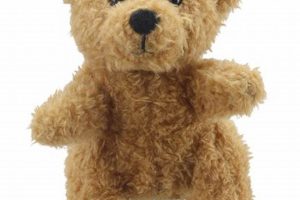
A plush toy animal, typically a bear, designed to simulate the rhythmic rise and fall of a chest, mimicking the act of respiration. This effect is usually achieved through internal mechanisms like air pumps, bellows, or vibrating components. These toys often incorporate soothing sounds, such as heartbeats or white noise, to enhance the calming effect. One example is a plush bear with a built-in mechanism that gently inflates and deflates its abdomen, creating a lifelike breathing motion.
These simulated breathing companions offer comfort and security, particularly for infants and young children. They can aid in sleep training, reduce anxiety, and provide a sense of companionship. The rhythmic motion and sounds can be reminiscent of a caregiver’s presence, promoting relaxation and emotional regulation. Historically, comforting objects have played a significant role in childhood development. The introduction of technology to enhance this experience represents a modern evolution of these traditional tools.
This exploration will delve further into the design, functionality, and psychological impact of these innovative comfort objects. Subsequent sections will cover the diverse range of available products, their potential therapeutic applications, and considerations for parents and caregivers.
Tips for Selecting and Utilizing Breathing Plush Companions
Careful consideration should be given to the selection and use of these comfort objects to maximize their potential benefits.
Tip 1: Age Appropriateness: Ensure the chosen companion is suitable for the child’s age and developmental stage. Smaller parts present choking hazards for infants and toddlers.
Tip 2: Material Safety: Opt for products made from non-toxic, hypoallergenic materials. Check for certifications and safety standards compliance.
Tip 3: Volume Control: Adjustable sound levels are essential, allowing customization for different environments and sensitivities.
Tip 4: Hygiene: Regular cleaning is crucial to maintain hygiene. Choose companions with removable, washable covers or those that can be surface cleaned easily.
Tip 5: Battery Safety: If the companion utilizes batteries, ensure the battery compartment is secure and inaccessible to the child.
Tip 6: Observational Use: Monitor the child’s interaction with the companion. Discontinue use if any adverse reactions or excessive dependence are observed.
Tip 7: Integrating with Existing Routines: Introduce the companion as part of established sleep or comfort routines for a smoother transition.
By adhering to these guidelines, caregivers can ensure the safe and effective integration of these comforting aids into a child’s environment. These considerations contribute to a positive and beneficial experience.
The concluding section will reiterate key takeaways and offer further resources for those seeking additional information.
1. Comfort

Comfort is a central design principle and intended outcome associated with breathing teddy bears. These companions are engineered to provide a source of tactile and auditory soothing, mimicking the comforting presence of a caregiver. The gentle rise and fall of the simulated breathing, often accompanied by soft sounds, create a calming sensory experience. This can be particularly beneficial for infants and young children who find comfort in rhythmic movements and sounds reminiscent of a parent’s heartbeat or breathing. For example, a child experiencing distress during a thunderstorm might find solace in cuddling a breathing teddy bear, the rhythmic motion and soft texture offering a sense of security and reducing anxiety.
The comforting nature of these companions extends beyond mere physical sensation. The presence of a consistent, calming object can foster a sense of emotional security and reduce feelings of loneliness or vulnerability. This is especially relevant in situations of transition or change, such as starting daycare or sleeping in a new environment. A familiar, comforting object like a breathing teddy bear can provide a sense of continuity and stability during potentially stressful periods. Furthermore, the act of cuddling and interacting with a soft, plush toy can release endorphins, further contributing to feelings of well-being and relaxation. The integration of technology to simulate breathing enhances the comforting aspect by adding a layer of realism and engagement.
Understanding the role of comfort in the design and function of breathing teddy bears underscores their potential value as tools for emotional regulation and stress reduction. While not a replacement for human interaction, these companions can offer a valuable source of support and comfort in various situations. Further research into the long-term effects of these companions on emotional development could offer valuable insights into their therapeutic potential. The focus on comfort in the design of these toys highlights the importance of sensory experiences in promoting well-being, particularly in early childhood.
2. Soothing
The soothing nature of breathing teddy bears stems from the interplay of several factors, primarily the rhythmic simulation of breathing. This gentle rise and fall, often accompanied by soft sounds like a heartbeat or white noise, creates a calming sensory experience. The effect mirrors the soothing sensation infants experience when held close to a caregiver, listening to their heartbeat and breathing. This association promotes feelings of security and comfort, reducing anxiety and promoting relaxation. For instance, a child experiencing difficulty falling asleep might find the rhythmic breathing of a teddy bear conducive to relaxation, easing the transition to sleep.
The tactile element further enhances the soothing effect. Soft, plush materials provide a comforting sensory input, encouraging cuddling and physical closeness. This tactile stimulation, coupled with the rhythmic breathing, creates a multi-sensory experience that promotes relaxation. The act of holding and interacting with the teddy bear can also provide a sense of control and agency, further reducing feelings of stress or anxiety. Consider a child undergoing a medical procedure; the presence of a breathing teddy bear might offer a much-needed source of comfort and distraction, reducing anxiety and promoting a sense of calm during a potentially stressful experience.
The soothing effect of breathing teddy bears has practical applications in various contexts. They can be utilized as part of bedtime routines to promote sleep, during periods of separation anxiety to offer comfort, or in stressful situations to provide a sense of security. While the effectiveness can vary among individuals, the underlying principles of sensory stimulation and emotional comfort contribute to their soothing potential. Further research could explore the specific mechanisms through which these companions exert their calming influence and identify optimal applications for different age groups and situations. Understanding the link between the rhythmic breathing, tactile comfort, and the resultant soothing effect underscores the potential benefits of these companions in promoting emotional regulation and well-being.
3. Simulated breathing
Simulated breathing constitutes a defining characteristic of breathing teddy bears, differentiating them from traditional plush toys. The mechanism, whether achieved through internal air pumps, bellows, or vibrating components, generates a rhythmic rise and fall of the toy’s chest or abdomen, mimicking the act of respiration. This simulated breathing serves as the foundation for the purported therapeutic benefits of these companions. The gentle, rhythmic motion provides a calming sensory input, reminiscent of a caregiver’s presence. This can be particularly effective in soothing infants and young children, promoting relaxation and reducing anxiety. For example, a child experiencing separation anxiety at bedtime might find comfort in the rhythmic breathing of a teddy bear, facilitating a smoother transition to sleep.
The efficacy of simulated breathing in these companions lies in its ability to tap into innate human responses to rhythmic patterns. The gentle rise and fall can evoke a sense of security and comfort, similar to the feeling of being held close to a caregiver. This association can be particularly potent for infants, who are highly attuned to such sensory cues. Furthermore, the predictability of the rhythmic motion can offer a sense of control and stability in potentially stressful situations. Consider a child undergoing a medical procedure; the consistent, rhythmic breathing of a teddy bear might offer a focal point for attention, reducing anxiety and promoting a sense of calm amidst the unfamiliar environment.
The impact of simulated breathing in breathing teddy bears highlights the significance of sensory experiences in promoting well-being. While further research is needed to fully understand the long-term effects and optimal applications, the observed benefits underscore the potential of these companions as tools for emotional regulation and comfort. Challenges remain in ensuring the safety and durability of the mechanisms used to create the simulated breathing, as well as in understanding individual variations in response to this sensory input. However, the fundamental connection between simulated breathing and its soothing effect establishes a basis for the continued exploration and development of these comforting companions.
4. Therapeutic Potential

The therapeutic potential of breathing teddy bears stems from their ability to provide comfort and reduce anxiety through sensory stimulation. The rhythmic rise and fall of the simulated breathing, often accompanied by soothing sounds, can evoke a sense of calm and security, particularly in infants and young children. This can be especially beneficial for children experiencing separation anxiety, difficulty sleeping, or undergoing stressful medical procedures. For example, a child undergoing a vaccination might find comfort in cuddling a breathing teddy bear, the rhythmic motion and soft texture providing a distraction and reducing anxiety associated with the procedure. The tactile feedback from the soft plush material further enhances the comforting effect. This multi-sensory experience can promote relaxation and emotional regulation, potentially reducing the need for pharmacological interventions in certain situations.
The potential therapeutic applications extend beyond anxiety reduction. The rhythmic nature of the simulated breathing can be utilized as a tool for self-soothing and emotional regulation. Children can learn to associate the rhythmic motion and tactile sensation with feelings of calmness and security, developing coping mechanisms for managing stress and anxiety. Furthermore, these companions can facilitate emotional expression and communication. A child might use the teddy bear to express feelings of sadness, fear, or anger, providing a safe and non-judgmental outlet for emotional processing. In therapeutic settings, breathing teddy bears can be incorporated into play therapy or other interventions to support emotional development and coping skills. For instance, a therapist might use a breathing teddy bear to help a child process feelings of grief or loss, providing a tangible object for emotional projection and exploration.
While anecdotal evidence and parental testimonials suggest the therapeutic benefits of breathing teddy bears, further research is needed to establish empirical evidence and understand the underlying mechanisms. Studies exploring the impact of these companions on physiological indicators of stress, such as heart rate and cortisol levels, would provide valuable insights. Additionally, research investigating the long-term effects on emotional regulation and coping skills is crucial. Despite the need for further research, the potential therapeutic applications of breathing teddy bears warrant consideration as a complementary tool for supporting children’s emotional well-being. Challenges remain in standardizing the design and functionality of these companions to ensure consistent therapeutic benefits. Further exploration of the interplay between sensory stimulation, emotional regulation, and the therapeutic potential of these companions can contribute to a more comprehensive understanding of their role in supporting child development and well-being.
5. Technological Integration

Technological integration is fundamental to the functionality and appeal of breathing teddy bears. The realistic simulation of breathing, a core feature of these companions, relies on integrated technology. Mechanisms such as miniaturized air pumps, sophisticated bellows systems, or vibration modules are employed to create the gentle rise and fall of the toy’s chest or abdomen. This technological element distinguishes these companions from traditional plush toys, offering a dynamic and engaging sensory experience. Furthermore, technological advancements allow for the incorporation of additional features, such as heartbeat sounds, nature sounds, or white noise, enhancing the overall soothing effect. For instance, a teddy bear might incorporate a sensor that activates the breathing motion and heartbeat sound when a child cuddles it, providing a realistic and responsive comforting experience.
The level of technological sophistication influences the realism and complexity of the simulated breathing. Basic models might employ simple vibration mechanisms, while more advanced versions utilize air pumps and sensors to create a more nuanced and lifelike breathing pattern. This integration of technology allows for customization and adaptability. Some models offer adjustable breathing rates and sound levels, catering to individual preferences and sensitivities. Moreover, technological advancements have led to the development of app-controlled breathing teddy bears, enabling parents or caregivers to remotely adjust settings and monitor usage. This level of control enhances the practical applications of these companions, allowing for tailored interventions in various situations. Consider a child experiencing nighttime anxiety; a parent could remotely activate the soothing sounds and breathing motion of the teddy bear through a mobile app, offering comfort and reassurance without disrupting the child’s sleep.
The continued development and refinement of these technologies hold significant implications for the future of breathing teddy bears. Advancements in materials science, sensor technology, and miniaturization could lead to even more realistic and responsive companions. Integration with other technologies, such as biofeedback sensors or sleep monitoring systems, could further enhance the therapeutic potential of these devices. However, careful consideration must be given to the ethical implications of increasingly sophisticated technological integration in children’s toys. Balancing the potential benefits with concerns about data privacy, over-reliance on technology, and the potential for unintended consequences is crucial. Future research should explore the long-term impact of these technologies on child development and well-being, ensuring that technological integration enhances, rather than detracts from, the fundamental comforting and soothing purpose of these companions.
Frequently Asked Questions
This section addresses common inquiries regarding plush companions designed with simulated breathing mechanisms.
Question 1: How does the breathing mechanism function?
The breathing effect is typically achieved through internal mechanisms, such as miniaturized air pumps, bellows systems, or vibration modules. These mechanisms gently inflate and deflate a section of the toy, mimicking the rise and fall of a chest during respiration.
Question 2: What are the potential benefits?
These companions can offer comfort and security, particularly for infants and young children. The rhythmic motion and sounds may aid in sleep training, reduce anxiety, and provide a sense of companionship.
Question 3: Are these companions safe for infants?
Safety is paramount. Selecting age-appropriate companions without small, detachable parts is crucial to mitigate choking hazards. Adherence to relevant safety standards and certifications should be verified.
Question 4: How should these companions be cleaned?
Regular cleaning is essential. Opt for companions with removable, washable covers or those designed for easy surface cleaning. Specific cleaning instructions provided by the manufacturer should be followed.
Question 5: What is the typical battery life for models requiring batteries?
Battery life varies depending on the specific model and usage patterns. Manufacturers typically provide estimated battery life information. Using high-quality batteries and following manufacturer recommendations can optimize battery performance.
Question 6: Can these companions replace human interaction?
These companions are designed to provide comfort and support, but they are not a substitute for human interaction and care. They should be considered as complementary tools to support emotional well-being, not as replacements for caregiver interaction.
Understanding these key aspects can inform decisions regarding the selection and utilization of these companions. Prioritizing safety, age-appropriateness, and mindful usage ensures a positive experience.
The following section offers further resources and information for those seeking additional guidance on child development and emotional well-being.
Breathing Teddy Bear
This exploration has provided a comprehensive overview of breathing teddy bears, encompassing their design, functionality, potential benefits, and considerations for selection and usage. Key aspects highlighted include the mechanisms employed to simulate breathing, the potential therapeutic applications for anxiety reduction and sleep improvement, and the importance of prioritizing safety and age-appropriateness. The integration of technology has been examined, underscoring its role in enhancing the realism and functionality of these companions. Furthermore, frequently asked questions have been addressed, providing practical guidance for caregivers considering the incorporation of these comfort objects into a child’s environment. The multifaceted nature of these companions necessitates careful consideration of their potential impact on emotional development and well-being.
As technology continues to evolve, further advancements in the design and functionality of breathing teddy bears are anticipated. Continued research into their long-term effects on emotional regulation and development is crucial for maximizing their potential benefits. The intersection of technology, comfort, and therapeutic potential warrants ongoing exploration, offering opportunities to refine and enhance the design of these companions. Thoughtful consideration of ethical implications and responsible usage remains paramount in ensuring these tools contribute positively to children’s lives. The future of breathing teddy bears rests upon a balanced approach that prioritizes both innovation and the well-being of the children they are designed to comfort.