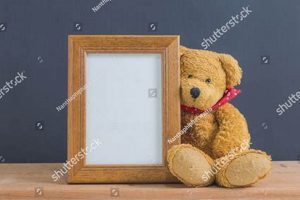
Charming displays featuring stuffed toy bears as focal points can transform ordinary tables into captivating centerpieces. These arrangements often incorporate complementary elements such as flowers, ribbons, balloons, or other decorative items relevant to a specific theme or occasion. A baby shower might feature pastel-colored bears nestled amongst bouquets of baby’s breath, while a birthday celebration could showcase a larger bear surrounded by colorful balloons and confetti.
Such decorative focal points offer a touch of whimsy and personalization to events, creating a warm and inviting atmosphere. They can serve as conversation starters, evoke cherished memories, and contribute significantly to the overall aesthetic appeal of a gathering. Historically, the teddy bear itself has held a special place in popular culture, symbolizing comfort, innocence, and childhood nostalgia. Integrating these beloved toys into table dcor allows hosts to tap into these sentimental associations, adding a unique and personal touch to their celebrations.
The following sections will delve into various aspects of creating and utilizing these delightful arrangements, exploring design ideas, material selection, and practical tips for crafting visually appealing and memorable table settings.
Tips for Creating Effective Bear-Themed Centerpieces
Careful planning and execution are crucial for creating visually appealing and memorable table decorations featuring stuffed bears.
Tip 1: Consider the Occasion: The event’s nature should heavily influence the design. A formal wedding might call for smaller, more subtly incorporated bears, while a child’s birthday party allows for larger, more playful arrangements.
Tip 2: Scale and Proportion: Bear size should be proportional to the table and surrounding elements. Oversized bears on small tables can appear overwhelming, while diminutive bears might get lost on larger surfaces.
Tip 3: Color Palette Cohesion: Bear colors should harmonize with the overall event dcor, including tablecloths, linens, and other decorative elements. Consider using complementary or analogous color schemes for a cohesive look.
Tip 4: Accessorize Thoughtfully: Enhance the arrangement with complementary items such as ribbons, flowers, balloons, or small gifts. These additions should enhance the theme without overshadowing the central bear element.
Tip 5: Secure Placement: Ensure bears are securely positioned to prevent accidental tipping or displacement. Consider using weighted bases, floral foam, or adhesive materials for added stability.
Tip 6: Vary Heights and Textures: Create visual interest by incorporating bears of varying sizes and textures. This can be achieved through the use of different bear types, fabrics, or accompanying decorative elements.
Tip 7: Maintain Focal Point: While accessories enhance the overall design, the bear should remain the primary focal point. Avoid excessive clutter that detracts from the central element.
By adhering to these guidelines, one can create captivating and memorable table centerpieces that enhance the ambiance of any event.
In conclusion, thoughtful design and attention to detail are essential for creating effective and engaging bear-themed centerpieces that leave a lasting impression.
1. Theme

Thematic coherence serves as a foundational element in the design of effective teddy bear table centerpieces. A well-defined theme provides direction and cohesiveness, ensuring all elements within the centerpiece contribute to a unified narrative. The theme acts as a guiding principle, influencing the choice of bears, accompanying accessories, and overall aesthetic. For instance, a “nautical” theme might incorporate sailor-suited bears alongside miniature anchors, ropes, and seashells. Conversely, a “winter wonderland” theme might feature white or polar bear plush toys amidst artificial snow, miniature evergreen trees, and silver or blue accents. Without a clearly established theme, arrangements risk appearing disjointed and lacking in visual impact.
Careful consideration of the event’s purpose and target audience informs theme selection. Children’s birthday parties often benefit from vibrant, playful themes featuring popular cartoon characters or storybook motifs. More sophisticated gatherings, such as anniversaries or bridal showers, might draw inspiration from elegant garden parties, vintage travel, or classic literature. The chosen theme provides a framework for creative expression, enabling cohesive integration of color palettes, textures, and decorative elements. Theme selection directly impacts the emotional resonance of the centerpiece, influencing the atmosphere and overall experience of the event.
Successful integration of a theme requires attention to detail and a thoughtful approach to material selection. Each element, from the bears themselves to the smallest accessory, should contribute to the overall narrative. Overly disparate elements can detract from the intended theme, creating a sense of visual clutter and thematic dissonance. Achieving thematic harmony elevates the centerpiece beyond mere decoration, transforming it into a storytelling device that enhances the event’s ambiance and creates a more engaging and memorable experience for attendees. Therefore, careful thematic planning represents a critical step in the design process for impactful and memorable teddy bear table centerpieces.
2. Bear Selection
Bear selection is paramount in crafting effective teddy bear table centerpieces. The chosen bears significantly influence the overall aesthetic, thematic coherence, and emotional impact of the arrangement. Careful consideration of factors such as size, color, style, and material contributes to a cohesive and engaging centerpiece design.
- Size and Scale
Bear size should be proportional to the table dimensions and surrounding dcor. Oversized bears on small tables can appear overwhelming, while smaller bears might be overlooked on larger surfaces. A balanced size relationship ensures visual harmony and allows the bears to function as intended focal points. For a small, intimate gathering, a single medium-sized bear might suffice, whereas a larger event might necessitate several smaller bears or a combination of sizes to create visual interest.
- Color and Material
Bear color should harmonize with the overall color palette of the event. Neutral-colored bears offer versatility and can be easily integrated into various color schemes. More vibrant colors can create a bolder statement, but require careful coordination with other decorative elements. Material choice also plays a role; plush bears convey a sense of softness and comfort, while bears made from alternative materials might project a more rustic or vintage aesthetic. A rustic-themed centerpiece might benefit from burlap-clad bears, while a more traditional setting might call for classic plush.
- Style and Design
Bear style contributes to the overall theme and narrative of the centerpiece. Traditional teddy bears evoke a sense of classic charm, while more contemporary designs offer a modern touch. Thematic bears, such as those dressed in specific costumes or holding props, can further enhance the centerpiece’s narrative. For a child’s birthday party, character-themed bears might be appropriate, whereas a wedding might benefit from more elegant, formally attired bears.
- Number and Arrangement
The number of bears used and their arrangement contribute significantly to the centerpiece’s visual impact. A single, prominent bear can serve as a strong focal point, while multiple bears can create a more dynamic and playful arrangement. Consider the table’s shape and size when determining the number and placement of bears. A circular table might benefit from a symmetrical arrangement, while a rectangular table might lend itself to a more linear or clustered placement. A single large bear surrounded by smaller bears can create a visually appealing hierarchy.
These considerations highlight the integral role of bear selection in creating successful teddy bear table centerpieces. A thoughtful approach to these elements ensures a cohesive design that enhances the overall aesthetic of the event and creates a memorable experience for attendees.
3. Color Palette

Color palette selection significantly impacts the overall aesthetic and thematic communication of teddy bear table centerpieces. A thoughtfully chosen palette harmonizes the various elements, creating a cohesive and visually appealing arrangement. Color choices influence the perceived mood and atmosphere, contributing to the event’s overall ambiance. A monochromatic scheme, utilizing varying shades of a single color, can evoke a sense of elegance and sophistication. Conversely, a vibrant, polychromatic palette might be more suitable for a lively, celebratory occasion, such as a child’s birthday party. For example, a pastel palette of soft pinks, blues, and lavenders might be chosen for a baby shower, while a richer palette of deep reds, greens, and golds could be appropriate for a holiday celebration. The interplay of colors within the centerpiece should complement the surrounding dcor, creating a harmonious visual flow throughout the event space.
The color of the teddy bears themselves plays a crucial role in the overall palette. Neutral-toned bears, such as beige or brown, offer versatility, allowing for integration into a wide range of color schemes. These neutral tones serve as a grounding element, allowing brighter accent colors to stand out. Alternatively, brightly colored bears can serve as the centerpiece’s focal point, with surrounding elements chosen to complement their hues. For instance, a vibrant red teddy bear might be paired with softer shades of cream and green to create a balanced and visually appealing composition. The chosen color palette should also reflect the event’s theme. A woodland-themed centerpiece might utilize earthy browns, greens, and blues, while a nautical theme might feature shades of blue, white, and red. Consideration of color psychology can further enhance the centerpiece’s impact, as certain colors evoke specific emotions and associations. Warm colors, such as reds and oranges, are often associated with energy and excitement, while cool colors, such as blues and greens, convey a sense of calmness and tranquility.
Effective color palette selection elevates teddy bear table centerpieces from simple decorations to thoughtfully curated design elements. Harmonizing colors create visual cohesion, enhance thematic communication, and contribute to the event’s overall atmosphere. Ignoring color relationships can result in a disjointed and visually jarring arrangement, detracting from the intended aesthetic. Therefore, careful color consideration is essential for achieving a cohesive and impactful design, ensuring the centerpiece enhances the event’s ambiance and creates a memorable experience for attendees.
4. Accessorization

Accessorization plays a crucial role in elevating teddy bear table centerpieces from simple arrangements to thoughtfully curated displays. Strategic use of complementary items enhances the thematic narrative, adds visual interest, and creates a more engaging overall presentation. Careful selection and placement of accessories contribute to a cohesive design that complements the chosen teddy bears and the event’s overall aesthetic.
- Thematic Reinforcement
Accessories can reinforce the centerpiece’s theme by incorporating elements that align with the chosen narrative. For a “garden party” theme, miniature watering cans, faux flowers, and small birdhouses can enhance the setting. A “nautical” theme might incorporate miniature anchors, seashells, and lengths of rope. These thematic accessories create a cohesive narrative and deepen the centerpiece’s visual impact.
- Textural Variety
Introducing textural variety adds depth and visual interest. Ribbons, fabrics, natural elements like pinecones or twigs, and metallic accents can create contrasting textures that enhance the overall composition. A centerpiece featuring a plush teddy bear might benefit from the contrasting texture of a burlap table runner or the smooth surface of glass beads. This interplay of textures prevents the arrangement from appearing flat or monotonous.
- Color Enhancement
Accessories offer opportunities to introduce and enhance color within the centerpiece. Colorful ribbons, flowers, or balloons can complement or contrast with the bear’s color, creating a visually dynamic arrangement. For example, a pastel-colored bear might be paired with brightly colored ribbons and balloons, while a darker-colored bear might be accented with metallic gold or silver elements. The interplay of colors contributes to the overall aesthetic and thematic coherence.
- Height and Dimension
Accessories can be used to create height and dimension within the centerpiece. Stacked books, tiered stands, or elevated platforms can add visual interest and prevent the arrangement from appearing flat. Varying the height of accessories also draws the eye around the centerpiece, creating a more dynamic and engaging display. Elevated floral arrangements or strategically placed candles can contribute to this sense of depth and dimension.
Successful accessorization requires a balanced approach, ensuring the chosen elements enhance rather than overwhelm the central teddy bear theme. Overly cluttered arrangements can detract from the intended focal point and create a sense of visual chaos. By thoughtfully selecting and arranging accessories, one can create harmonious and engaging teddy bear table centerpieces that enhance the overall event aesthetic and create a memorable experience for attendees.
5. Placement & Stability

Placement and stability are critical considerations in the design and execution of teddy bear table centerpieces. These factors directly impact the visual appeal, safety, and overall effectiveness of the arrangement. A strategically placed and stable centerpiece enhances the dining experience, while a precariously positioned or unstable arrangement can disrupt the event and pose a safety hazard. Careful planning and implementation of these elements ensures a visually appealing and functional centerpiece.
- Table Position
The centerpiece’s position on the table significantly influences its visibility and impact. Centerpieces placed directly in the table’s center create a formal, symmetrical arrangement, suitable for traditional events. Off-center placement can add a touch of asymmetry and visual interest, but requires careful consideration of the table’s shape and surrounding dcor. Additionally, the centerpiece’s position should not obstruct guests’ views or impede conversation. For rectangular tables, a linear arrangement down the center might be appropriate, while round tables might benefit from a centralized, radiating design.
- Base Stability
A stable base is essential for preventing accidental tipping or displacement of the centerpiece. The base material should be sturdy enough to support the weight of the teddy bears and any accompanying accessories. Consider using weighted platforms, sturdy containers, or floral foam to anchor the arrangement. A wobbly or unstable base detracts from the centerpiece’s visual appeal and poses a risk of damage or injury. Heavy bases, such as wooden plaques or metal trays, provide a secure foundation for the arrangement.
- Securing Elements
Individual elements within the centerpiece, such as the teddy bears and accessories, should be secured to prevent shifting or falling. Adhesive materials, such as floral tape or glue dots, can be used discreetly to secure items to the base or to each other. For larger bears or heavier accessories, consider using wire or fishing line to anchor them to the base or to heavier elements within the arrangement. This ensures that the centerpiece maintains its intended design throughout the event. Clear fishing line provides a discreet yet effective method for securing elements without detracting from the overall aesthetic.
- Environmental Considerations
External factors, such as air currents from open windows or accidental bumps from passing guests, can compromise the centerpiece’s stability. Place centerpieces away from high-traffic areas and consider using protective covers or enclosures in outdoor settings to shield them from wind or rain. For events in drafty locations, opt for heavier, more stable bases and ensure all elements are securely fastened. These precautions safeguard the centerpiece’s integrity and prevent accidental disruptions.
Careful consideration of placement and stability ensures the teddy bear table centerpiece enhances the event’s aesthetic and contributes to a positive guest experience. A stable and strategically placed centerpiece adds to the overall ambiance, while a poorly positioned or unstable arrangement can detract from the event and create potential hazards. By addressing these factors, one can create visually appealing and functional centerpieces that effectively complement the overall event design.
6. Size and Scale

Size and scale are critical factors influencing the visual harmony and impact of teddy bear table centerpieces. Proportionality between the bears, accompanying elements, and the table itself dictates the arrangement’s overall effectiveness. Disregarding scale can result in a visually jarring display, diminishing the centerpiece’s intended impact. A large bear on a small table overwhelms the space, while a diminutive bear on a large table becomes lost amongst the surrounding elements. Careful consideration of these proportions ensures the bears serve as focal points without dominating or disappearing within the overall tablescape. For instance, a single, large bear might be appropriate for a small, round table at an intimate gathering, whereas a larger, rectangular table at a more significant event might benefit from a grouping of smaller bears or a combination of sizes to create visual interest and balance.
Scale extends beyond the bears themselves, encompassing all elements within the centerpiece. Accessories, such as floral arrangements, ribbons, or other decorative items, must be scaled appropriately to maintain visual equilibrium. Oversized accessories can overshadow the bears and disrupt the intended focal point, while undersized accessories might appear insignificant and fail to contribute meaningfully to the overall design. Achieving proper scale involves considering the relative sizes of all components within the centerpiece and ensuring they work together harmoniously. A large bear paired with delicate, small flowers might appear unbalanced, whereas incorporating larger, more substantial floral elements would create a more visually cohesive arrangement. The scale of the centerpiece should also be considered in relation to the surrounding environment. A towering centerpiece in a room with low ceilings can feel oppressive, while a small centerpiece in a vast space might lack presence. Contextual awareness ensures the centerpiece complements the surrounding environment rather than competing with it.
Understanding the interplay of size and scale is essential for creating visually appealing and effective teddy bear table centerpieces. Careful consideration of proportions, relative sizes of elements, and the surrounding context ensures a harmonious and impactful design. Ignoring these factors can lead to unbalanced and visually distracting arrangements that detract from the event’s overall aesthetic. Strategic manipulation of size and scale allows for creative expression and thematic reinforcement, transforming the centerpiece into a thoughtfully curated element that enhances the event’s ambiance and creates a lasting impression. Skilled manipulation of size and scale elevates the centerpiece beyond mere decoration, transforming it into a cohesive design element integral to the overall event aesthetic.
7. Focal Point
Focal points are crucial for effective teddy bear table centerpieces. The inherent charm and nostalgic appeal of teddy bears naturally lend themselves to serving as captivating central elements. Establishing the bears as focal points ensures they draw the eye and anchor the overall design. Without a clear focal point, centerpieces risk appearing cluttered and lacking direction. A well-defined focal point, typically the largest or most prominently placed bear, provides a visual anchor, grounding the arrangement and guiding the viewer’s gaze. For example, a large, centrally placed teddy bear wearing a celebratory hat immediately draws attention, establishing itself as the centerpiece’s primary focus. Surrounding elements, such as smaller bears, flowers, or ribbons, then complement and enhance this central figure, creating a visually harmonious and engaging composition. Conversely, a centerpiece lacking a clear focal point might feature several similarly sized bears scattered amongst various decorations, resulting in a diffused and less impactful display.
Several techniques enhance the bear’s role as a focal point. Elevating the primary bear on a stand or platform creates visual hierarchy, immediately distinguishing it from surrounding elements. Strategic use of lighting, such as spotlights or strategically placed candles, further emphasizes the focal bear, drawing attention and enhancing its prominence. Additionally, color contrast plays a significant role; a brightly colored bear against a backdrop of neutral tones immediately captures the eye. Subtle accessorization of the focal bear, such as a bow tie, a small hat, or a miniature bouquet, further enhances its visual appeal and reinforces its central position within the arrangement. A focal point’s effectiveness relies not only on its inherent qualities but also on the considered arrangement of surrounding elements to support and enhance its prominence. These supporting elements should complement the focal point without competing for attention, creating a balanced and visually appealing composition.
Understanding the importance of focal points in teddy bear table centerpieces is crucial for creating visually impactful and engaging designs. A well-defined focal point, supported by thoughtfully arranged complementary elements, transforms a simple collection of objects into a cohesive and captivating display. By strategically manipulating elements such as placement, lighting, color, and accessorization, one can effectively establish the teddy bear as the centerpiece’s star, enhancing the overall aesthetic and creating a memorable focal point for the event. This understanding allows for a more nuanced and impactful approach to centerpiece design, maximizing the inherent charm and appeal of teddy bears to create truly captivating arrangements.
Frequently Asked Questions
This section addresses common inquiries regarding the creation and utilization of teddy bear-themed table centerpieces.
Question 1: What types of events are suitable for teddy bear centerpieces?
While often associated with children’s events, these centerpieces can be adapted for various occasions, including baby showers, bridal showers, anniversaries, and even themed weddings. Adaptation relies on careful selection of bear styles and accompanying accessories to align with the event’s tone and formality.
Question 2: How can one prevent teddy bear centerpieces from looking childish in more formal settings?
Incorporate smaller, more subtly colored bears. Choose sophisticated accessories such as elegant floral arrangements, pearls, or crystals. Opt for muted color palettes and refined textures to create a more mature and elegant aesthetic. Avoid overly playful elements like balloons or brightly colored ribbons.
Question 3: What are cost-effective alternatives to purchasing new teddy bears for centerpieces?
Repurpose existing teddy bears, perhaps from childhood collections. Thrift stores or online marketplaces often offer affordable options. Crafting bears from fabric remnants or utilizing alternative materials like felt or yarn provides a creative and budget-friendly solution.
Question 4: How can one ensure the stability of tall or elaborate teddy bear centerpieces?
Utilize sturdy bases like heavy planters, wooden boxes, or weighted platforms. Secure bears and accessories with floral wire, adhesive putty, or discreetly placed fishing line. Avoid top-heavy arrangements, ensuring a balanced distribution of weight to prevent tipping.
Question 5: How can these centerpieces be adapted for different seasons or holidays?
Incorporate seasonal elements. Autumnal themes might feature fall foliage and miniature pumpkins. Winter holidays could include miniature ornaments, pinecones, and faux snow. Spring and summer themes benefit from fresh flowers, greenery, and pastel accents.
Question 6: What steps ensure centerpieces do not obstruct guests’ views or impede conversation?
Maintain a reasonable height, ensuring centerpieces do not block sightlines across the table. Opt for lower, wider arrangements on smaller tables. Consider the overall table layout, ensuring sufficient space between centerpieces and place settings for comfortable dining and interaction.
Careful planning and thoughtful execution transform teddy bear table centerpieces into captivating and memorable elements that enhance any event, from casual gatherings to formal celebrations.
The following section provides practical tips for creating personalized teddy bear centerpieces.
Teddy Bear Table Centerpieces
This exploration has delved into the multifaceted aspects of crafting effective and engaging teddy bear table centerpieces. From thematic coherence and bear selection to color palettes, accessorization, placement, stability, size and scale, and the establishment of clear focal points, each element contributes significantly to the overall impact and success of these arrangements. Careful consideration of these factors elevates such centerpieces beyond mere decoration, transforming them into thoughtfully curated design elements capable of enhancing the ambiance of diverse events.
Teddy bear table centerpieces offer a unique opportunity to infuse events with personality and charm. Their inherent nostalgic appeal, combined with thoughtful design and execution, can create a lasting impression on guests. As celebrations continue to evolve and personalize, the potential for creative expression within this decorative realm remains vast, offering endless opportunities for innovation and the creation of truly memorable and heartwarming experiences.