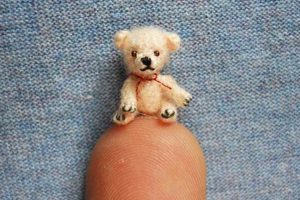
The concept of a plush toy undergoing a surgical procedure is a common theme in children’s literature and play. It often involves a child’s beloved toy becoming damaged and the imaginative process of repairing it, whether through actual stitching and patching by a caregiver or a fantastical narrative of a veterinary or medical professional attending to the toy. This serves as a symbolic representation of care, empathy, and the process of healing.
This symbolic act can be beneficial for a child’s development. It provides an opportunity to explore themes of illness, injury, and recovery in a safe and controlled environment. By engaging with this narrative, children can process anxieties surrounding these topics and develop a sense of agency and control. Historically, dolls and stuffed animals have played a crucial role in childhood development, offering comfort and serving as objects of affection. Repairing a damaged toy reinforces the emotional bond and demonstrates the value of caring for something precious.
This framework of a toy’s simulated medical treatment can be further explored through various lenses, including its psychological impact on children, the cultural significance of toys as transitional objects, and the evolving role of play in a child’s understanding of the world. Further examination could also address how this concept is depicted in different media and how it adapts to changing societal norms and values.
Tips for Addressing Toy Damage
When a cherished toy sustains damage, the emotional impact on a child can be significant. These tips offer guidance on navigating this situation constructively.
Tip 1: Acknowledge the Child’s Feelings: Validate the child’s distress and acknowledge the importance of the toy. Dismissing the damage as insignificant can minimize the child’s emotional experience.
Tip 2: Assess the Damage: Carefully examine the toy to determine the extent of the damage and the feasibility of repair.
Tip 3: Involve the Child in the Repair Process: If possible, include the child in the repair process, allowing them to choose fabrics, thread colors, or other materials. This fosters a sense of agency and control.
Tip 4: Create a Narrative Around the Repair: Framing the repair process as a “surgery” or other medical procedure can transform a potentially upsetting experience into a positive one. This allows the child to engage with themes of care and healing.
Tip 5: Use the Opportunity for Emotional Learning: Discuss the importance of caring for belongings and the concept of repairing damaged items. This can extend beyond physical objects to discussions about emotional healing and resilience.
Tip 6: Consider Professional Repair: For antique or irreplaceable toys, consulting a professional doll or toy restorer might be the best option to preserve the toy’s integrity.
Tip 7: Recognize When Replacement is Necessary: In some cases, repair may not be feasible. Acknowledge the loss and offer a suitable replacement, if appropriate.
By addressing toy damage thoughtfully, caregivers can support a child’s emotional development and foster valuable life skills.
These considerations offer a starting point for navigating the complexities of a child’s attachment to their toys and the impact of damage or loss. Further exploration of these themes can enrich the understanding of childhood development and the importance of play.
1. Childhood Anxiety

Childhood anxiety, a common experience encompassing various worries and fears, can be significantly impacted by symbolic play, particularly scenarios like “teddy bear has surgery.” This type of play provides a safe space for children to explore anxieties related to illness, injury, and medical procedures.
- Fear of the Unknown:
Medical settings and procedures can be intimidating for children due to their unfamiliarity. “Teddy bear has surgery” allows children to familiarize themselves with these concepts in a non-threatening way. A child might mimic a doctor’s actions, using pretend bandages and instruments, gaining a sense of control over the situation and reducing anxiety associated with the unknown. For instance, a child fearful of injections might act out giving a “shot” to their teddy bear, transforming a passive experience into an active, empowering one.
- Separation Anxiety:
Being separated from caregivers, especially during medical procedures, can trigger anxiety in children. When a teddy bear undergoes “surgery,” it can symbolize the child’s own potential separation from loved ones. By caring for the toy during this simulated experience, children can process their feelings about separation and develop coping mechanisms. A child might hug and comfort the bear after its “surgery,” mirroring the reassurance they seek during times of separation.
- Fear of Pain and Injury:
The possibility of physical pain or injury is a natural source of anxiety for children. “Teddy bear has surgery” allows them to explore these fears in a controlled environment. A child might examine the “incision” on their teddy bear, discussing how it might feel and how it will heal. This process can desensitize them to the idea of injury and promote understanding of the body’s ability to recover.
- Control and Mastery:
Children often feel a lack of control in medical situations. Through play, they can regain a sense of agency. By acting as the caregiver or doctor for their teddy bear, children can reverse roles and assume a position of power, alleviating anxiety stemming from feeling powerless. This control allows them to dictate the narrative, ensuring a positive outcome for the “patient” and reinforcing their ability to manage challenging situations.
By addressing these facets of childhood anxiety through the symbolic play of “teddy bear has surgery,” children can develop coping strategies, build resilience, and gain a greater understanding of medical experiences. This process fosters emotional growth and empowers children to navigate anxieties in a healthy and constructive manner. Further exploration could investigate how different cultural contexts influence the expression and management of childhood anxiety through play.
2. Symbolic Healing

Symbolic healing, a process where actions and rituals represent emotional or psychological repair, finds a poignant expression in the concept of “teddy bear has surgery.” This act, often initiated by a child after their toy sustains damage, transcends mere play and delves into the realm of emotional processing and restoration. The symbolic nature of the “surgery” allows children to engage with complex themes of vulnerability, care, and recovery in a safe and controlled environment.
- Externalizing Internal Distress:
Children often struggle to articulate emotional distress. “Teddy bear has surgery” provides a tangible outlet for these unexpressed feelings. A ripped seam or missing button can become a symbolic representation of internal hurts or anxieties. The act of repairing the toy becomes a proxy for addressing these internal struggles, allowing the child to externalize and process difficult emotions in a concrete and manageable way. For example, a child experiencing the stress of a parental argument might unconsciously project this stress onto their teddy bear, imagining it needs “surgery” after a fall.
- Ritual and Control:
The ritualistic nature of “surgery,” even in its pretend form, offers children a sense of control over situations that may feel overwhelming. The careful selection of “medical” tools, the application of bandages, and the nurturing care provided to the toy during its “recovery” empower the child to take an active role in a healing process. This can be particularly significant when a child feels powerless in the face of real-life illness or injury, whether their own or that of a loved one. The act of mending the toy becomes a symbolic act of mending their own sense of security.
- Mastery and Resilience:
Successfully completing the “surgery” and witnessing the toy’s “recovery” instills a sense of mastery and resilience in the child. This experience reinforces the idea that damage can be repaired and that healing is possible. It fosters optimism and a belief in their ability to overcome challenges, both physical and emotional. A child who meticulously stitches a tear in their teddy bear is not merely repairing a toy; they are building a framework for navigating future adversity.
- Empathy and Caregiving:
The act of caring for a “sick” or “injured” teddy bear cultivates empathy and nurturing behavior. By stepping into the role of caregiver, children develop a deeper understanding of the needs of others and the importance of providing comfort and support. This experience lays the foundation for future caregiving roles and strengthens their capacity for compassion. A child gently tending to their “recovering” teddy bear is practicing the very skills that contribute to strong and supportive relationships throughout life.
These interconnected aspects of symbolic healing demonstrate the profound significance of “teddy bear has surgery” in a child’s emotional development. This seemingly simple act of play becomes a powerful tool for processing complex emotions, building resilience, and fostering empathy. It provides a valuable lens through which to understand the intricate ways children navigate their inner worlds and make sense of the world around them. Further research could explore the cross-cultural variations in these symbolic acts and their potential therapeutic applications.
3. Emotional Attachment

Emotional attachment, the profound bond formed between a child and a cherished object like a teddy bear, plays a central role in the symbolic act of “teddy bear has surgery.” This connection transforms a simple toy into a significant emotional anchor, imbuing the “surgery” with deeper meaning and psychological impact. The perceived vulnerability of the toy mirrors the child’s own emotional vulnerabilities, magnifying the significance of the caregiving act.
This attachment fuels the child’s desire to mend and nurture the toy. The “surgery” becomes an act of restoring not just the physical integrity of the teddy bear but also the child’s sense of security and emotional well-being. A tattered ear or a loose limb becomes a focal point for anxieties, and the act of repair symbolizes the restoration of emotional equilibrium. For example, a child whose family is experiencing upheaval might become overly concerned with repairing a minor tear on their teddy bear, projecting their feelings of instability onto the toy and finding solace in the act of mending it. Similarly, a child experiencing separation anxiety might insist on their teddy bear having a “check-up” before bedtime, mirroring their own need for reassurance and comfort.
Understanding the interplay between emotional attachment and “teddy bear has surgery” offers valuable insights into child development. It highlights the importance of transitional objects in helping children navigate complex emotions and develop coping mechanisms. The act of caring for a damaged toy allows children to rehearse caregiving behaviors, process anxieties related to vulnerability and loss, and ultimately build resilience. This understanding can inform parenting practices, therapeutic interventions, and educational strategies. Recognizing the depth of emotional significance invested in these seemingly simple acts of play allows for a deeper appreciation of the rich inner world of a child. The act of “teddy bear has surgery” transcends the literal, serving as a potent symbol of a child’s emotional landscape and their journey towards emotional maturity. Further research could explore how different attachment styles influence the specific ways children engage with this symbolic play.
4. Imaginative Play

Imaginative play serves as the crucial foundation upon which the symbolic act of “teddy bear has surgery” is built. This form of play allows children to construct narratives, assign roles, and manipulate their environment to explore abstract concepts and process complex emotions. It provides a safe space to experiment with different scenarios and develop coping mechanisms for challenging situations. The “surgery” itself becomes a canvas for imaginative expression, with children improvising medical tools, procedures, and dialogues. A spoon transforms into a surgical instrument, a sock becomes a bandage, and whispered words of comfort mimic a doctor’s reassurance. This imaginative process empowers children to take control of a situation that might otherwise feel overwhelming and instills a sense of agency in their ability to care for and heal.
Consider a child witnessing a grandparent undergoing a medical procedure. The child may not fully grasp the complexities of the situation but absorbs the atmosphere of concern and anxiety. Through imaginative play, specifically “teddy bear has surgery,” the child can reenact elements of this experience. The teddy bear, standing in for the grandparent, undergoes a similar “procedure,” allowing the child to process their anxieties, explore their understanding of illness and healing, and ultimately gain a sense of mastery over the situation. Another example might involve a child experiencing a personal injury. By performing “surgery” on their teddy bear, they can project their own experience onto the toy, externalizing their fears and anxieties while simultaneously practicing caregiving behaviors and reinforcing the concept of recovery.
Understanding the integral role of imaginative play in “teddy bear has surgery” offers valuable insights into child development and underscores the importance of providing opportunities for such play. It highlights the capacity of children to process complex emotions, develop empathy, and build resilience through imaginative engagement. This understanding can inform parenting practices, educational strategies, and therapeutic interventions. Recognizing the power of imaginative play in fostering emotional growth and well-being enables adults to better support children as they navigate the challenges and complexities of life. This framework also underscores the importance of recognizing and valuing the nuances of children’s play, acknowledging its profound impact on their emotional and cognitive development. Further exploration could investigate the impact of different play environments and social interactions on the complexity and depth of imaginative play related to this theme.
5. Nurturing Behavior

Nurturing behavior, characterized by caregiving actions and empathetic responses, finds a significant outlet in the symbolic play of “teddy bear has surgery.” This activity provides children with a safe and controlled environment to practice and develop nurturing skills. The act of diagnosing, treating, and comforting a “sick” or “injured” toy allows children to rehearse behaviors associated with caregiving, fostering empathy and emotional intelligence. Cause and effect are clearly intertwined: a perceived need (the toy’s “injury”) triggers a nurturing response (the “surgery” and subsequent care). This dynamic reinforces the connection between recognizing a need and taking action to address it, a fundamental aspect of nurturing behavior.
The importance of nurturing behavior as a component of “teddy bear has surgery” cannot be overstated. It transforms the activity from simple play into a powerful learning experience. Consider a child carefully bandaging their teddy bear after a simulated fall. This seemingly simple act demonstrates an understanding of cause and effect (the fall caused the “injury”), problem-solving (the bandage addresses the “injury”), and empathy (comforting the “injured” toy). Another example might involve a child creating a makeshift “hospital” for their teddy bear, complete with a “waiting room” and “recovery area.” This elaborate scenario demonstrates advanced nurturing behavior, incorporating elements of planning, organization, and sustained caregiving. These examples illustrate how “teddy bear has surgery” provides a platform for children to explore and develop their nurturing instincts.
The practical significance of understanding this connection lies in its potential to inform parenting strategies, educational approaches, and therapeutic interventions. Recognizing “teddy bear has surgery” as an expression of nurturing behavior allows adults to support and encourage this development in children. Providing opportunities for such play, offering appropriate materials, and engaging in conversations about the child’s “patient” can further enhance the learning experience. This understanding also highlights the importance of recognizing and valuing the nuances of children’s play, acknowledging its profound impact on their emotional and social development. Challenges may arise in differentiating between typical nurturing behavior and potentially concerning patterns of play. Observing the context, frequency, and intensity of the play, along with the child’s overall emotional state, can help distinguish healthy exploration from potential indicators of underlying anxieties or difficulties. Ultimately, “teddy bear has surgery” provides a valuable window into a child’s developing capacity for empathy, compassion, and care, offering crucial insights into their emotional landscape and social growth.
Frequently Asked Questions
This section addresses common inquiries regarding the concept of children engaging in “teddy bear surgery” play, offering insights into its significance and potential implications for child development.
Question 1: Why do children engage in “surgery” on their toys?
This behavior often stems from a desire to emulate caregiving roles observed in real life or depicted in media. It can also serve as a coping mechanism for anxieties related to illness, injury, and medical procedures, allowing children to process these complex themes in a safe and controlled environment.
Question 2: Is “teddy bear surgery” an indicator of underlying emotional distress?
Not necessarily. It is typically a normal and healthy part of imaginative play. However, excessive preoccupation with this type of play, coupled with other behavioral changes, may warrant further observation and potential consultation with a child development specialist.
Question 3: How can caregivers support this type of play?
Providing materials like bandages, pretend medical kits, and designated “hospital” spaces can encourage and enrich this form of imaginative play. Engaging in conversations about the child’s “patient” and their “treatment” can further foster their emotional and cognitive development. Validation of the child’s feelings and concerns during this play is also crucial.
Question 4: What if a child becomes overly distressed by their toy’s simulated injury?
Acknowledge and validate the child’s feelings. Reassure them that the “injury” is not real and that the toy can be “healed” through their care. Focus on the restorative aspects of the play, emphasizing the child’s ability to provide comfort and care.
Question 5: At what age does this type of play typically emerge?
While the specific age can vary, this type of imaginative play often emerges during the preschool years, coinciding with increased social awareness, language development, and the ability to engage in symbolic thought.
Question 6: Can “teddy bear surgery” be used as a therapeutic tool?
Play therapy often incorporates similar activities to help children process emotions and develop coping mechanisms. While “teddy bear surgery” itself is not formal therapy, its underlying principles align with therapeutic approaches that utilize play for emotional expression and healing.
Understanding the significance of “teddy bear surgery” provides valuable insights into a child’s emotional landscape and their capacity for empathy and care. It emphasizes the importance of play in fostering healthy development.
Further exploration might delve into specific case studies, cross-cultural comparisons, or the application of these principles in educational settings.
Conclusion
The exploration of “teddy bear has surgery” reveals its multifaceted nature, encompassing imaginative play, emotional processing, and the development of nurturing behaviors. This seemingly simple act provides children with a powerful tool for navigating complex emotions related to illness, injury, and caregiving. The symbolic act of repair, fueled by emotional attachment to the toy, fosters resilience, empathy, and a sense of mastery over potentially distressing situations. By understanding the depth and complexity of this play, caregivers and educators gain valuable insights into a child’s inner world and their evolving understanding of themselves and the world around them.
The implications of “teddy bear has surgery” extend beyond childhood play. It underscores the importance of symbolic expression in navigating challenging experiences and highlights the profound impact of early childhood experiences on emotional development. Further research into the nuances of this phenomenon promises to enrich our understanding of childhood resilience, the role of play in emotional processing, and the development of empathy and caregiving behaviors. Recognizing and valuing the significance of these seemingly simple acts offers a crucial window into the complex and dynamic world of childhood.