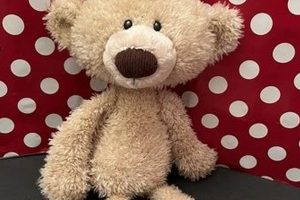
Certain stuffed toys achieve widespread recognition, often due to their connection with literature, film, television, or historical events. These iconic plush figures become cultural touchstones, representing childhood comfort, nostalgia, and sometimes, significant moments in history. For instance, Winnie-the-Pooh, originating in A. A. Milne’s stories, transformed into a globally recognized character synonymous with friendship and simple joys.
These celebrated playthings hold cultural significance beyond their status as mere toys. They can serve as valuable collectibles, embodying historical trends in toy manufacturing and design. Moreover, they evoke powerful emotional connections, linking generations through shared experiences and memories. Their enduring appeal lies in their ability to transcend childhood, acting as symbols of comfort and enduring affection. The preservation and study of these toys offer insights into evolving societal values and the lasting impact of popular culture.
This exploration will delve into specific examples of these celebrated toys, examining their origins, cultural impact, and enduring popularity. From classic literary figures to characters born from popular entertainment, the following sections will provide a comprehensive overview of their significance in the world of toys and popular culture.
Collecting and Caring for Iconic Plush Toys
Preserving the condition of cherished plush figures requires specific care and attention. These guidelines offer best practices for maintaining their value and extending their lifespan.
Tip 1: Proper Storage is Key: Avoid direct sunlight and extreme temperatures, which can fade fabrics and degrade materials. Acid-free tissue paper helps prevent discoloration and damage.
Tip 2: Gentle Cleaning Methods: Surface cleaning with a soft brush or lint roller is generally sufficient. Consult a professional for delicate or antique items before attempting more thorough cleaning.
Tip 3: Documentation is Crucial: Maintain records of provenance, including purchase date and any known history. This information enhances an item’s historical value.
Tip 4: Display with Care: Avoid overcrowding displays. Utilize appropriate supports to maintain the toy’s shape and prevent stress on seams.
Tip 5: Research and Authentication: Understanding the history and identifying marks of specific manufacturers can help determine authenticity and value.
Tip 6: Insurance for Valuable Items: Appraisals and appropriate insurance coverage are recommended for significant pieces within a collection.
Tip 7: Handling with Respect: Minimize handling to reduce wear and tear. When handling is necessary, support the toy fully to avoid strain on seams and joints.
Following these guidelines helps ensure the longevity and preservation of these treasured items, safeguarding their historical and sentimental value for future generations.
By understanding the importance of these preservation methods, collectors can contribute to the ongoing appreciation and understanding of these cultural icons.
1. Historical Significance

The historical significance of famous teddy bears extends beyond their role as children’s toys. These iconic figures often reflect specific eras, social trends, and technological advancements in toy manufacturing. Examining their history provides valuable insights into cultural shifts and the enduring appeal of these plush companions.
- Early 20th-Century Origins:
The concurrent emergence of the teddy bear in both the United States and Germany around 1902 marks a pivotal moment in toy history. The stories surrounding President Theodore Roosevelt’s refusal to shoot a bear cub and German toymaker Margarete Steiff’s creation of a jointed bear toy converged to create a phenomenon. This dual origin story highlights the confluence of political events and innovative toy design in shaping the teddy bear’s early popularity.
- Evolution of Materials and Manufacturing:
Early teddy bears were often crafted from mohair and stuffed with wood shavings or excelsior. The transition to synthetic materials like plush and polyester fillings reflects advancements in manufacturing processes and material science. Analyzing these changes offers a glimpse into evolving production techniques and the impact of industrialization on toy production.
- Reflection of Social and Cultural Values:
Teddy bears frequently mirror prevailing social and cultural values. During wartime, teddy bears provided comfort and solace to children. The emergence of character-based teddy bears, like Winnie-the-Pooh, reflects the growing influence of children’s literature and entertainment on toy design. These examples demonstrate the teddy bear’s role as a cultural artifact, reflecting societal trends and anxieties.
- Collectibles and Cultural Heritage:
Antique and vintage teddy bears represent significant cultural heritage. Their value as collectibles stems from their historical significance, rarity, and connection to specific manufacturers or historical figures. Preserving these bears contributes to maintaining a tangible link to the past, offering valuable insights into historical trends in toy making and design.
The historical significance of famous teddy bears provides a rich tapestry of cultural, social, and technological influences. From their origins in the early 20th century to their continued evolution, these plush figures offer a unique lens through which to examine historical trends and the enduring power of comfort objects. Their presence in museums and private collections underscores their value as historical artifacts and their lasting impact on popular culture.
2. Literary Connections
The enduring popularity of certain teddy bears is often intertwined with their presence in literature. These literary connections elevate these plush figures beyond mere playthings, imbuing them with rich narratives, symbolic meaning, and lasting cultural relevance. Exploring these connections provides valuable insights into the enduring power of storytelling and its impact on the world of toys.
- Classic Children’s Literature:
Winnie-the-Pooh, created by A. A. Milne, exemplifies the profound impact of literature on a teddy bear’s fame. Milne’s stories, featuring Christopher Robin’s beloved bear, transformed a simple stuffed toy into a literary icon, recognized and cherished globally. The enduring popularity of these stories solidified Winnie-the-Pooh’s place as a cultural touchstone, transcending generations.
- Character Development and Narrative:
Literary narratives provide depth and complexity to teddy bear characters. Paddington Bear, created by Michael Bond, embodies this concept. Paddington’s adventures, imbued with humor and heartwarming themes of belonging, resonate with readers of all ages. The stories shape his personality, making him more than just a toy, but a relatable character with distinct traits and experiences.
- Symbolic Representation and Emotional Resonance:
Teddy bears in literature often serve as symbolic representations of comfort, friendship, and childhood innocence. Corduroy, the bear in Don Freeman’s eponymous book, exemplifies this. Corduroy’s quest for a button symbolizes a child’s search for security and belonging. This symbolic representation resonates deeply with readers, imbuing the character with emotional depth.
- Cross-Media Adaptations and Expanded Reach:
Successful literary portrayals often lead to adaptations in other media, such as film and television. This expands the reach and cultural impact of the teddy bear character. The numerous adaptations of Winnie-the-Pooh and Paddington Bear demonstrate this phenomenon, solidifying their presence in popular culture and introducing them to new audiences.
The literary connections of famous teddy bears significantly contribute to their enduring appeal. By embodying complex narratives, symbolic meaning, and relatable characters, these literary figures transcend their status as mere playthings. Their presence in literature enriches their cultural significance and ensures their continued relevance across generations, demonstrating the powerful interplay between storytelling and the world of toys.
3. Commercial Success

Commercial success plays a crucial role in establishing and solidifying the fame of certain teddy bears. This success is driven by various factors, including effective marketing, licensing agreements, and the development of related merchandise. Analyzing these factors provides valuable insights into the complex interplay between commercialization and cultural impact within the world of toys.
- Licensing and Branding:
Licensing agreements allow manufacturers to produce teddy bears featuring popular characters from literature, film, and television. This association with established intellectual property significantly enhances marketability and drives consumer demand. The success of Winnie-the-Pooh and Paddington Bear merchandise exemplifies the power of licensing in creating commercially successful teddy bear lines. These agreements often involve careful branding strategies to maintain brand consistency and maximize market penetration.
- Merchandising and Product Diversification:
Successful teddy bear brands often expand beyond the core product to encompass a wide range of merchandise. This diversification can include clothing, accessories, home goods, and even food items. Creating a diverse product portfolio expands revenue streams and reinforces brand recognition. The prevalence of Winnie-the-Pooh-themed merchandise, from clothing to kitchenware, showcases the effectiveness of this strategy.
- Marketing and Advertising Campaigns:
Targeted marketing and advertising campaigns contribute significantly to commercial success. These campaigns often leverage nostalgic appeal, emotional connections, and the inherent cuteness of teddy bears to resonate with consumers. Effective advertising strategies can create heightened demand and establish a strong brand presence. The enduring popularity of classic teddy bear brands often stems from decades of consistent and effective marketing.
- Collectibility and Limited Editions:
Creating limited edition or special edition teddy bears can generate excitement and drive sales among collectors. These limited releases often feature unique designs, high-quality materials, or commemorative elements that enhance their perceived value. The strategy of scarcity and exclusivity can significantly boost demand and contribute to overall commercial success. Steiff, for instance, has long capitalized on this approach, releasing limited edition bears that become highly sought-after collectibles.
The commercial success of famous teddy bears demonstrates the intricate relationship between marketing, branding, and cultural impact. By leveraging intellectual property, diversifying product lines, and implementing effective marketing strategies, manufacturers can transform beloved plush companions into highly successful commercial ventures. The enduring popularity of certain teddy bears is often directly linked to these commercial strategies, demonstrating the powerful influence of market forces on the world of toys and popular culture.
4. Collectible Value

The collectible value of famous teddy bears represents a significant aspect of their enduring appeal. Certain bears transcend their status as mere playthings, becoming sought-after items for collectors worldwide. This value is influenced by a confluence of factors, including historical significance, rarity, condition, provenance, and manufacturer reputation. Understanding these factors provides valuable insights into the dynamics of the teddy bear collectibles market.
- Rarity and Limited Production:
Limited production runs or special editions significantly enhance a teddy bear’s collectible value. Scarcity drives demand, making these bears highly desirable among collectors. Examples include Steiff limited editions and bears commemorating specific historical events. The fewer examples in existence, the greater the potential value, often escalating significantly over time. This scarcity principle underpins much of the teddy bear collectibles market.
- Historical Significance and Provenance:
Bears associated with significant historical events or prominent figures can command high prices. Provenance, or documented history of ownership, further enhances value. A teddy bear belonging to a celebrity or historical figure, with documented proof, becomes a unique piece of history, significantly increasing its value beyond comparable examples. This connection to the past adds an element of historical significance prized by collectors.
- Manufacturer Reputation and Quality:
Established manufacturers, such as Steiff and Merrythought, enjoy a reputation for quality craftsmanship and design. Bears produced by these companies often hold higher collectible value due to their perceived quality and historical significance within the industry. Collectors often seek out bears from these renowned manufacturers, recognizing their enduring value and contribution to teddy bear history.
- Condition and Preservation:
A teddy bear’s condition significantly impacts its collectible value. Bears in pristine or near-mint condition, especially older examples, command higher prices. Proper storage and preservation methods are crucial for maintaining a bear’s condition and maximizing its potential value. Evidence of wear and tear, repairs, or alterations can diminish value, highlighting the importance of careful handling and storage.
The collectible value of famous teddy bears reflects a complex interplay of historical significance, rarity, condition, and manufacturer reputation. These factors contribute to a dynamic market where certain bears achieve significant financial value. Understanding these dynamics provides valuable insights into the motivations of collectors and the enduring fascination with these iconic plush figures. The pursuit of rare and historically significant teddy bears continues to drive a vibrant and evolving collector’s market.
5. Nostalgic Appeal

Nostalgia plays a powerful role in the enduring popularity of famous teddy bears. These cherished companions often represent a tangible link to childhood, evoking feelings of comfort, security, and simpler times. This emotional connection significantly contributes to their perceived value and cultural significance. The enduring appeal of classic teddy bears often stems from the potent memories and emotions they evoke.
Several factors contribute to the nostalgic appeal of famous teddy bears. Familiar characters from literature and film, such as Winnie-the-Pooh and Paddington Bear, reinforce these nostalgic connections. These characters, often encountered during formative years, become intertwined with childhood memories. Similarly, heirloom teddy bears passed down through generations embody family history and traditions, deepening their emotional resonance. These tangible connections to the past imbue these objects with sentimental value that transcends monetary worth. The act of rediscovering a childhood teddy bear can trigger a flood of memories and emotions, reinforcing the power of nostalgia.
Understanding the significance of nostalgia provides valuable insights into the enduring popularity of famous teddy bears. This emotional connection drives demand within the collector’s market, contributing to the value and desirability of certain bears. Moreover, manufacturers leverage nostalgic appeal in marketing campaigns, targeting adults seeking to reconnect with their childhoods. Recognizing the potent influence of nostalgia offers a deeper understanding of the cultural significance and enduring appeal of these cherished companions. Preserving and cherishing these objects contributes to maintaining a tangible link to the past and the enduring power of childhood memories.
6. Cultural Impact

The cultural impact of famous teddy bears extends beyond their role as children’s toys. These iconic figures permeate various aspects of society, from literature and film to art and design. Examining this influence provides valuable insights into their enduring appeal and their significance within popular culture.
- Popular Culture Icons:
Famous teddy bears often transcend their status as playthings to become recognizable symbols within popular culture. Characters like Winnie-the-Pooh and Paddington Bear achieve widespread recognition, appearing in books, films, television shows, and merchandise. Their ubiquitous presence solidifies their status as cultural icons, recognizable across generations and geographical boundaries. This widespread recognition contributes to their enduring popularity and commercial success.
- Objects of Comfort and Emotional Attachment:
Teddy bears frequently serve as objects of comfort and emotional attachment, providing solace and security to children and adults alike. This emotional connection contributes to their enduring appeal and explains their continued presence in popular culture. Their soft texture, comforting shape, and association with childhood memories contribute to their perceived emotional value. This role as a comfort object transcends cultural boundaries and contributes to their universal appeal.
- Inspiration for Art and Design:
The iconic image of the teddy bear frequently appears in art, design, and fashion. Artists and designers draw inspiration from their familiar form, incorporating them into paintings, sculptures, clothing, and accessories. This presence in various artistic mediums reinforces their cultural significance and demonstrates their enduring influence on creative expression. From high fashion runways to independent craft markets, the teddy bear motif continues to inspire creative endeavors.
- Reflections of Social and Cultural Values:
Teddy bears often reflect prevailing social and cultural values. Their evolving designs and representations in media can mirror changing attitudes towards childhood, family, and societal norms. Examining these representations provides insights into cultural shifts and the teddy bear’s evolving role within society. From wartime companions to symbols of consumerism, teddy bears reflect the changing societal landscape.
The cultural impact of famous teddy bears is multifaceted, encompassing their roles as popular culture icons, objects of comfort, artistic inspiration, and reflections of societal values. Their continued presence in various aspects of society underscores their enduring appeal and their significance as more than mere playthings. Understanding their cultural impact provides a deeper appreciation for their enduring popularity and their lasting contribution to popular culture.
Frequently Asked Questions
This section addresses common inquiries regarding iconic plush figures, offering concise and informative responses.
Question 1: What distinguishes a “famous” teddy bear from other teddy bears?
Widespread recognition through association with literature, film, television, historical events, or significant manufacturers distinguishes these bears. This recognition elevates them beyond typical toys, imbuing them with cultural significance and often, increased value.
Question 2: How can one determine the authenticity and value of a potentially collectible teddy bear?
Consulting reputable price guides, contacting expert appraisers specializing in antique toys, and researching manufacturer markings and historical context contribute to accurate assessments. Documentation and provenance play crucial roles in establishing authenticity and value.
Question 3: What are the most crucial factors to consider when preserving a valuable teddy bear?
Appropriate storage conditions, including protection from direct sunlight, extreme temperatures, and pests, are essential. Minimal handling, gentle cleaning methods, and the use of archival-quality storage materials contribute to long-term preservation.
Question 4: Where can one find reliable information about the history and origins of specific teddy bear manufacturers?
Reputable sources include dedicated teddy bear museums, historical societies, authoritative books on antique toys, and online resources maintained by established collector organizations. Cross-referencing information from multiple sources ensures accuracy.
Question 5: What are some of the most significant historical milestones in the evolution of teddy bears?
Key milestones include the concurrent origins in the United States and Germany around 1902, the development of jointed limbs, the shift from mohair to plush fabrics, and the emergence of character-licensed bears. These milestones reflect broader trends in toy manufacturing, popular culture, and social history.
Question 6: How does the commercial success of certain teddy bears contribute to their cultural impact?
Commercial success through licensing agreements, marketing campaigns, and merchandising expands a bear’s reach, reinforcing its presence in popular culture. This widespread availability and recognition solidifies its status as a cultural icon, impacting subsequent generations and influencing artistic expression.
Understanding these key aspects contributes to a more comprehensive appreciation of these iconic plush figures and their lasting cultural significance. This knowledge empowers collectors and enthusiasts to make informed decisions regarding acquisition, preservation, and appreciation of these treasured objects.
Further exploration of specific famous teddy bears and their individual stories will provide a richer understanding of their unique contributions to the world of toys and popular culture.
Famous Teddy Bears
Famous teddy bears represent more than simple playthings; they embody cultural history, artistic inspiration, and enduring emotional connections. From their origins in the early 20th century to their continued presence in modern society, these iconic figures reflect evolving social values, technological advancements in manufacturing, and the power of storytelling. Their significance stems from a confluence of factors, including historical context, literary associations, commercial success, collectible value, and nostalgic appeal. Examining these facets provides valuable insights into their enduring popularity and their multifaceted impact on popular culture.
The legacy of famous teddy bears continues to evolve. Preserving these treasured objects safeguards a tangible link to the past, ensuring that future generations can appreciate their historical and cultural significance. Continued research and exploration promise deeper understanding of their impact on society and their enduring power to evoke comfort, inspire creativity, and connect individuals across generations through shared memories and emotional resonance. Their stories, woven into the fabric of popular culture, offer a unique perspective on the evolving relationship between humans and their cherished companions.