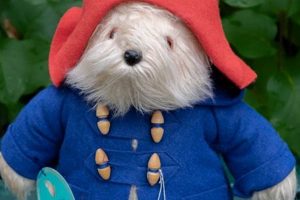
Proper preservation of plush toys involves careful consideration of environmental factors and handling techniques. For example, a cool, dry, and dark environment protects against extreme temperatures, humidity, and sunlight, which can damage delicate fabrics, stuffing, and embellishments. Using acid-free tissue paper or breathable cotton storage bags further safeguards against deterioration and dust accumulation.
Preserving these cherished items maintains their condition and sentimental value. Heirlooms and childhood companions often hold significant emotional weight, and appropriate safekeeping ensures they can be enjoyed for generations. Historically, plush toys, emerging in the late 19th and early 20th centuries, have become integral to childhood and popular culture, making their preservation a matter of both personal and cultural heritage.
This article will delve into the various methods and materials suitable for long-term and short-term plush toy preservation, exploring topics such as cleaning, pest control, and appropriate storage containers. It will also address specific concerns related to antique and vintage plush toys.
Tips for Plush Toy Preservation
Proper preservation ensures the longevity and condition of cherished plush toys. These guidelines offer practical advice for maintaining these items, whether for sentimental value or historical significance.
Tip 1: Cleanliness is paramount. Surface cleaning with a soft brush or lint roller removes dust and debris. For deeper cleaning, consult a professional specializing in textile conservation, especially for delicate or antique items.
Tip 2: Choose the right environment. A cool, dry, dark location is ideal. Avoid attics and basements, which are prone to temperature fluctuations and humidity.
Tip 3: Protect from pests. Cedar chips or lavender sachets can deter insects. Regular inspection is crucial to catch infestations early.
Tip 4: Utilize appropriate storage materials. Acid-free tissue paper or breathable cotton bags prevent discoloration and damage. Avoid plastic bags, which can trap moisture.
Tip 5: Handle with care. Avoid excessive squeezing or rough handling, which can damage stuffing and seams.
Tip 6: Rotate display items. Minimize exposure to light by rotating plush toys on display. UV rays can fade colors and weaken fabrics.
Tip 7: Document and appraise. Photograph and document the condition of valuable plush toys. Consider professional appraisal for antique or rare items.
Implementing these preservation strategies ensures that cherished plush toys remain in excellent condition, safeguarding both their physical integrity and sentimental value for years to come.
By following these recommendations, individuals can contribute to the preservation of personal and cultural heritage embodied in these beloved objects. Further exploration of specific material types and advanced preservation techniques will follow.
1. Cleanliness

Cleanliness plays a vital role in the long-term preservation of teddy bears. Accumulated dust and debris attract pests, contribute to fabric deterioration, and can trigger allergic reactions. Regular cleaning removes these contaminants, mitigating potential damage. For example, surface cleaning with a soft brush or lint roller prevents dust from settling into the fibers of the bear. More thorough cleaning, such as gentle hand-washing or professional dry cleaning, may be necessary for heavily soiled bears, especially before long-term storage. The chosen cleaning method must consider the bear’s material composition, age, and any delicate embellishments.
Neglecting cleanliness can lead to irreversible damage. Dust mites, moths, and other pests thrive in unclean environments, feeding on natural fibers and causing irreparable harm. Furthermore, accumulated dirt and grime can accelerate the breakdown of fabrics, leading to discoloration, weakening, and eventual tearing. A clean bear, free from dust and debris, is less susceptible to these detrimental effects. Practical applications include establishing a regular cleaning schedule, using appropriate cleaning materials, and storing clean bears in protective coverings.
In summary, prioritizing cleanliness significantly contributes to the successful preservation of teddy bears. It mitigates risks associated with pest infestations, material degradation, and allergen accumulation. Implementing a consistent cleaning regimen, tailored to the specific needs of each bear, ensures their longevity and maintains their value, whether sentimental or monetary. This proactive approach to cleanliness forms a cornerstone of effective teddy bear preservation strategies.
2. Environment

The environment plays a crucial role in the long-term preservation of teddy bears. Exposure to adverse environmental conditions can lead to significant deterioration, impacting both their physical integrity and sentimental value. Controlling environmental factors mitigates these risks, ensuring these cherished items remain in optimal condition.
- Temperature
Extreme temperatures, both hot and cold, can damage teddy bears. High temperatures can cause fading, drying, and cracking of materials, particularly in older or more delicate bears. Conversely, freezing temperatures can make materials brittle and prone to damage. Maintaining a stable, moderate temperature is essential. For example, storing bears in a climate-controlled environment, away from direct sunlight and heating vents, helps prevent temperature-related damage.
- Humidity
High humidity levels promote mold and mildew growth, which can stain and damage teddy bears. Excessive moisture can also weaken fabrics and stuffing, making them susceptible to tearing. Low humidity, on the other hand, can dry out materials, causing them to become brittle. Maintaining moderate humidity levels, ideally between 40% and 60%, is critical for preservation. Using dehumidifiers or silica gel packets in storage areas can help regulate humidity.
- Light Exposure
Exposure to light, especially direct sunlight and ultraviolet (UV) radiation, can cause fading and discoloration of teddy bear fabrics. Prolonged exposure can also weaken fibers, making them more prone to tearing. Storing bears in a dark or dimly lit environment minimizes light damage. Using UV-filtering window coverings in display areas can further protect against fading. Rotating displayed bears regularly ensures even light exposure and reduces the risk of localized fading.
- Air Quality
Poor air quality, including exposure to dust, pollutants, and smoke, can negatively impact teddy bears. Dust accumulation attracts pests and contributes to fabric deterioration. Airborne pollutants can cause discoloration and staining. Storing bears in clean, well-ventilated areas, away from sources of pollution, helps maintain their condition. Using air purifiers or regularly airing out storage areas can improve air quality and reduce the risk of damage.
Controlling these environmental factors significantly contributes to the successful preservation of teddy bears. By mitigating the risks associated with temperature fluctuations, humidity extremes, light exposure, and poor air quality, collectors can ensure the longevity and enduring appeal of these treasured possessions. Creating a stable and protective environment safeguards both the physical integrity and sentimental value of teddy bears for generations to come.
3. Containers

Appropriate containers are essential for protecting teddy bears during storage. The choice of container directly impacts the long-term preservation of these cherished items, safeguarding them from environmental hazards, pests, and physical damage. Selecting the correct container contributes significantly to maintaining a bear’s condition and value.
- Material
Container material significantly influences preservation. Breathable materials, such as acid-free archival boxes, cotton storage bags, or linen garment bags, allow air circulation, preventing moisture buildup and mildew growth. Non-breathable materials like plastic bags trap moisture, potentially leading to mold and mildew. Using archival-quality materials ensures long-term protection against deterioration. For instance, a vintage teddy bear stored in an acid-free box with tissue paper retains its integrity, while one stored in a plastic bag risks damage.
- Size
Properly sized containers prevent undue stress on a bear’s stuffing and seams. Overcrowding can deform the bear, while excessively large containers increase the risk of dust accumulation and pest infestation. A container should be large enough to accommodate the bear comfortably without compression, yet small enough to minimize empty space. Choosing the correct size ensures the bear maintains its shape and integrity. A small bear crammed into a large box might shift and become damaged, whereas a large bear forced into a small container will suffer compression and distortion.
- Construction
A well-constructed container provides physical protection. Sturdy containers, such as rigid boxes or chests, safeguard against crushing and accidental damage. Containers with secure closures prevent pests from entering and damaging the bear. For example, a cedar chest offers natural pest repellent properties alongside robust protection against physical damage. A flimsy cardboard box offers minimal protection against pests or accidental crushing.
- Placement
Strategic container placement within the storage environment further enhances preservation. Keeping containers off the floor protects against moisture and pests. Storing containers away from direct sunlight and heat sources prevents temperature-related damage. Organizing containers in a well-ventilated area promotes air circulation and minimizes the risk of mildew. For instance, placing containers on shelves in a climate-controlled room, away from windows and heating vents, provides optimal protection.
Consideration of these container-related factors ensures optimal preservation of teddy bears during storage. Selecting appropriate materials, sizes, construction, and placement safeguards these cherished items, maintaining their condition and value over time. By implementing these strategies, collectors contribute significantly to the longevity of their treasured teddy bears, preserving them for future generations to enjoy.
4. Pest Control

Pest control is a critical aspect of teddy bear preservation. Pests pose a significant threat to these cherished items, potentially causing irreparable damage to fabrics, stuffing, and embellishments. Implementing effective pest control measures safeguards these treasured possessions, maintaining their condition and value over time. Ignoring pest control can lead to irreversible damage and diminish a bear’s historical and sentimental significance.
- Types of Pests
Various pests target stored textiles, including clothes moths, carpet beetles, silverfish, and dust mites. Clothes moths and carpet beetles, particularly their larvae, consume natural fibers like wool, silk, and fur, commonly found in older teddy bears. Silverfish feed on cellulose-based materials, such as paper and cardboard, which might be used in storage containers or archival boxes. Dust mites, while not directly damaging to fabrics, can trigger allergic reactions. Identifying the specific pest threat informs appropriate control measures. For example, cedar chips effectively repel moths, while desiccants combat moisture-loving silverfish.
- Prevention Methods
Proactive measures significantly reduce the risk of infestation. Regular cleaning of storage areas and teddy bears removes food sources and debris that attract pests. Storing bears in tightly sealed containers prevents pests from accessing them. Natural repellents, such as cedar chips, lavender sachets, or bay leaves, deter pests without harming the bears. Proper ventilation and humidity control create an environment less conducive to pest activity. For instance, storing a clean teddy bear in a sealed cedar chest provides a multi-layered defense against pests.
- Detection and Monitoring
Regular inspection of stored teddy bears and their surroundings is essential for early detection of infestations. Signs of infestation include small holes in fabrics, shed larval skins, webbing, or frass (insect excrement). Sticky traps can monitor insect activity, providing early warning of a potential problem. Prompt detection allows for swift intervention, minimizing damage. For example, regularly checking storage containers for signs of moths or beetles allows for timely implementation of control measures before significant damage occurs.
- Treatment Options
Treatment options vary depending on the severity of the infestation and the type of pest involved. Freezing affected items kills insects and their larvae. Professional fumigation is an option for severe infestations. Targeted insecticides can eliminate specific pests, but should be used with caution, following manufacturer instructions carefully and considering the bear’s material composition. Consulting a professional pest control service is recommended for valuable or antique bears. For example, freezing a vintage teddy bear for several days in a sealed bag can effectively eliminate a minor moth infestation.
Implementing comprehensive pest control measures protects teddy bears from irreversible damage, preserving their value and ensuring their longevity. Integrating these strategies into a broader preservation plan safeguards these cherished items, maintaining their condition for future generations. A pest-free environment is essential for preserving the integrity and historical significance of these treasured possessions.
5. Handling

Proper handling techniques are integral to the long-term preservation of teddy bears. Mishandling can lead to a variety of issues, impacting both a bear’s physical condition and its value. The way a bear is handled directly influences its longevity and ability to withstand the rigors of time and storage. Damage incurred through improper handling can compromise even the most meticulous storage efforts. For example, routinely picking up a bear by an ear or limb places stress on seams and attachments, increasing the risk of tears and detachments. These vulnerabilities become more pronounced during storage, as subtle shifts in position can exacerbate existing weaknesses.
Careful handling minimizes wear and tear. Supporting a bear’s weight evenly during lifting and carrying reduces strain on seams and stuffing. Avoiding rough play or squeezing protects delicate features, such as glass eyes, stitched noses, and embellishments. Minimizing contact with oils and lotions from hands protects against staining and fabric deterioration. When accessing stored bears, gentle movements prevent accidental snags or tears. For instance, carefully lifting a bear from a storage container, supporting its body fully, prevents stress on its limbs and seams, preserving its original condition. Conversely, yanking a bear from a tight space could damage limbs or tear delicate fabrics.
Understanding the impact of handling on long-term preservation is essential for collectors and anyone seeking to maintain the condition of these cherished items. Gentle, supportive handling practices, coupled with appropriate storage techniques, contribute significantly to a bear’s longevity. This mindful approach acknowledges that preservation efforts extend beyond storage conditions, encompassing all interactions with these treasured possessions. Ultimately, meticulous handling, combined with appropriate storage, safeguards not only the physical integrity of teddy bears but also their historical and sentimental value.
6. Rotation

Rotation plays a crucial role in preserving teddy bears, particularly those displayed rather than stored long-term. Even in controlled environments, prolonged exposure to light, especially direct sunlight, can cause fading and discoloration of fabrics. Ultraviolet (UV) radiation, present even in indirect sunlight, accelerates this process. Rotation mitigates this risk by ensuring no single area of a bear receives continuous exposure. For example, rotating a displayed bear every few months ensures even distribution of light exposure, minimizing localized fading and maintaining a uniform appearance over time. This practice is especially important for bears made of delicate or light-sensitive materials, such as mohair or silk plush.
Implementing a rotation schedule depends on several factors, including the intensity and duration of light exposure, the bear’s material composition, and the display environment. Bears displayed in direct sunlight require more frequent rotation than those in dimly lit areas. Similarly, bears made of light-sensitive materials benefit from more frequent rotation than those made of more resilient fabrics. A practical approach involves documenting the initial display orientation and subsequently rotating the bear incrementally, ensuring each side receives equal exposure over a defined period. This systematic approach prevents uneven fading and preserves the bear’s overall appearance. Documentation also facilitates tracking rotation schedules, particularly for collections containing numerous bears.
Integrating rotation into a comprehensive preservation strategy contributes significantly to maintaining a teddy bear’s appearance and value. While proper storage in controlled environments addresses many preservation concerns, rotation specifically targets the detrimental effects of light exposure on displayed bears. This proactive measure, coupled with other preservation techniques, ensures these cherished items retain their vibrancy and appeal for years to come. Ultimately, rotation represents a simple yet effective method for mitigating light-induced damage, safeguarding the aesthetic integrity of displayed teddy bears and preserving their historical and sentimental significance.
Frequently Asked Questions
This section addresses common inquiries regarding the proper storage of teddy bears, providing practical guidance for maintaining their condition and value.
Question 1: What is the best way to store antique or vintage teddy bears?
Antique and vintage teddy bears require specialized care. Consulting a professional conservator is recommended for assessment and guidance. Generally, these bears should be stored in a cool, dry, dark environment within acid-free archival materials, away from direct sunlight and fluctuations in temperature or humidity. Handling should be minimized to prevent further wear and tear.
Question 2: How often should teddy bears be cleaned?
Regular surface cleaning with a soft brush or lint roller is recommended to prevent dust accumulation. Deeper cleaning, such as gentle hand-washing or professional dry cleaning, depends on the bear’s material, condition, and age. Consulting a textile conservator is advisable for delicate or antique bears.
Question 3: Can plastic bags be used for teddy bear storage?
Plastic bags are not recommended for long-term storage. They trap moisture, potentially leading to mold and mildew growth. Breathable materials, such as acid-free tissue paper, cotton storage bags, or archival boxes, are preferred.
Question 4: How can one protect teddy bears from pests?
Regular cleaning and inspection are crucial. Natural pest deterrents, such as cedar chips or lavender sachets, placed near storage containers, can help prevent infestations. Sealing storage containers also prevents pest access.
Question 5: What are the ideal temperature and humidity levels for teddy bear storage?
A cool, dry, and stable environment is ideal. A temperature range between 65-75F (18-24C) and humidity levels between 40-60% are generally recommended. Extremes in temperature and humidity should be avoided.
Question 6: Is it safe to store teddy bears in an attic or basement?
Attics and basements are generally not recommended for teddy bear storage due to temperature fluctuations, humidity issues, and potential pest activity. A climate-controlled environment within the main living area is preferable.
Prioritizing appropriate storage practices preserves the condition and value of teddy bears. These preventative measures ensure these cherished items remain treasured possessions for years to come.
For further information on specific materials or advanced preservation techniques, consult resources dedicated to textile conservation.
Conclusion
Proper storage of teddy bears safeguards these cherished items from environmental hazards, pests, and the ravages of time. This article explored critical aspects of preservation, including cleanliness, environmental control, appropriate container selection, pest management, careful handling techniques, and the importance of rotation for displayed items. Each element contributes significantly to maintaining a bear’s condition, preserving its value, and ensuring its longevity.
Preservation goes beyond safeguarding physical objects; it protects memories and legacies. By implementing these outlined strategies, individuals contribute to the preservation of personal and cultural heritage embodied in these beloved companions. The care invested in proper storage ensures these treasured possessions remain tangible links to the past, enriching present lives, and offering a legacy for future generations.