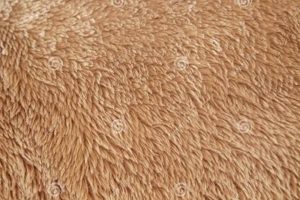
Certain breeds of sheep, prized for their exceptionally soft, curly fleece, resemble plush toys in appearance. This distinctive characteristic results from specific breeding practices and genetic traits. Valais Blacknose sheep, for instance, are often cited as an exemplar of this type, known for their black faces and legs contrasting sharply with their fluffy white bodies.
These animals offer several advantages for agricultural pursuits. Their unique fleece is highly sought after for its luxurious texture, often commanding premium prices in the textile industry. Furthermore, some breeds within this category are recognized for their docile temperament, simplifying handling and management. Historically, the development of such breeds reflects a human-driven selection for desirable traits, showcasing the impact of agricultural practices on animal phenotypes.
The following sections delve deeper into the specific breeds exhibiting these desirable qualities, exploring their origins, care requirements, and economic significance in greater detail.
Management and Care Tips for Sheep with Soft, Curly Fleece
Maintaining the health and fleece quality of sheep with exceptionally soft, curly coats requires specific approaches to husbandry.
Tip 1: Regular Shearing: Shearing should be performed at least annually, preferably in the spring. This prevents overheating and reduces the risk of fleece matting and parasite infestation.
Tip 2: Nutritional Considerations: A balanced diet, rich in protein and essential minerals, is crucial for maintaining fleece health and overall well-being. Consult with a veterinarian or animal nutritionist to formulate an appropriate feeding plan.
Tip 3: Parasite Control: Regular checks and preventative treatments for parasites, both internal and external, are essential. These animals’ dense fleece can create a favorable environment for parasites if not properly managed.
Tip 4: Hoof Care: Routine hoof trimming prevents overgrowth and lameness. Soft ground conditions can exacerbate hoof problems, so regular inspection is vital.
Tip 5: Shelter and Environment: Provide adequate shelter from extreme weather conditions, including direct sunlight, rain, and strong winds. A clean, dry environment minimizes the risk of fleece contamination and health issues.
Tip 6: Breeding Considerations: Careful selection of breeding stock is essential to maintain desirable fleece characteristics in subsequent generations. Genetic testing can aid in identifying individuals carrying specific traits.
Tip 7: Handling and Temperament: While many breeds known for soft fleece are docile, gentle handling practices are always recommended. This minimizes stress and fosters positive human-animal interactions.
Implementing these practices contributes significantly to the overall health and productivity of these specialized sheep breeds, ensuring the long-term quality and value of their distinctive fleece.
By understanding the specific needs of these animals, breeders and owners can ensure their continued well-being and contribute to the preservation of these unique breeds.
1. Soft, Curly Fleece

The defining characteristic of sheep often referred to as “teddy bear sheep” is their remarkably soft, curly fleece. This distinct texture stems from specific genetic traits influencing the structure and growth of wool fibers. Unlike the coarser, straighter wool of many breeds, the fleece of these animals exhibits a pronounced crimp, giving it a soft, plush feel and contributing to its dense, fluffy appearance. This dense, crimped fleece is a direct result of selective breeding, prioritizing softness and aesthetic appeal. Breeds like the Valais Blacknose and the Zwartbles, for instance, are renowned for this particular fleece type. Understanding the genetic basis of this fleece characteristic is crucial for maintaining it in future generations through informed breeding practices.
The unique fleece of these sheep breeds has significant implications beyond their appealing appearance. This soft wool is highly valued in the textile industry, commanding premium prices compared to coarser wools. It is often sought after for crafting high-end garments and other textile products due to its exceptional softness and warmth. Furthermore, the dense, crimped nature of the fleece provides excellent insulation, offering the animals natural protection against harsh weather conditions. This fleece characteristic, therefore, carries both economic and practical significance for both breeders and the animals themselves.
The connection between soft, curly fleece and the “teddy bear sheep” designation is undeniable. The fleece is not merely an aesthetic feature but a fundamental component of the breed’s identity and value. Understanding its genetic basis, economic importance, and role in animal welfare allows for informed management practices and contributes to the continued appreciation and preservation of these unique sheep breeds. Further research into the specific genes responsible for fleece characteristics can enhance breeding programs and potentially lead to the development of even more specialized wool types.
2. Specific Breeds
The term “teddy bear sheep” is not a formally recognized breed classification but rather a colloquialism used to describe sheep breeds possessing exceptionally soft, curly fleece, giving them a plush, toy-like appearance. Specific breeds consistently exhibit this desired trait, linking the term directly to their genetic lineage and resulting phenotype. The Valais Blacknose, originating in Switzerland, is a prime example. Its distinctive black face and legs, coupled with a dense, white, curly fleece, solidify its association with the “teddy bear” descriptor. Other breeds, such as the Zwartbles from the Netherlands, with its similar fleece characteristics and black markings, also fall under this informal category. Understanding the genetic basis of these traits within specific breeds is crucial for maintaining the desired fleece qualities through selective breeding.
The importance of specific breeds in perpetuating the “teddy bear sheep” characteristic lies in the heritability of the genes responsible for the soft, curly fleece. Breeding programs focusing on these select breeds ensure the continuation of this desirable trait. For instance, breeders specializing in Valais Blacknose sheep adhere to strict breeding standards to preserve the breed’s unique appearance and fleece quality. This careful selection process maintains the genetic integrity of the breed and ensures the consistent production of high-quality fleece. Similarly, Zwartbles breeders prioritize fleece characteristics in their breeding programs, contributing to the overall prevalence of the “teddy bear sheep” phenotype. The deliberate selection of breeding pairs within these specific breeds directly influences the prevalence and expression of the desired traits in subsequent generations.
Recognizing the connection between specific breeds and the “teddy bear sheep” concept allows for a more informed approach to sheep breeding and fleece production. By focusing on breeds known for their soft, curly fleece, breeders can ensure a consistent supply of this highly sought-after wool type. This understanding also facilitates the development of targeted breeding strategies aimed at enhancing fleece quality and overall animal welfare. Preserving the genetic diversity within these specific breeds is crucial for long-term sustainability and adaptability to changing environmental conditions. Continued research into the genetic markers associated with desired fleece characteristics can further refine breeding practices and contribute to the overall understanding and appreciation of these unique sheep breeds. The ongoing focus on specific breeds strengthens the link between genetics, phenotype, and economic value in the context of sheep farming.
3. Selective Breeding

The “teddy bear sheep” phenotype, characterized by exceptionally soft, curly fleece, is not a naturally occurring phenomenon but rather a direct result of selective breeding practices. Humans have intentionally manipulated sheep genetics over generations to achieve this specific trait, highlighting the significant influence of selective breeding on animal characteristics and agricultural practices.
- Targeted Trait Selection
Selective breeding involves choosing breeding pairs based on specific desired traits. In the case of “teddy bear sheep,” the primary target is the soft, curly fleece. By consistently breeding individuals exhibiting this trait, the likelihood of offspring inheriting the desired fleece characteristics increases over time. This targeted approach concentrates the genes responsible for soft fleece within the population, leading to a more pronounced expression of the trait.
- Genetic Inheritance and Phenotype
The underlying principle of selective breeding rests on the understanding of genetic inheritance and its influence on an organism’s observable characteristics, known as its phenotype. The genes responsible for fleece texture in sheep are passed down from parents to offspring. By selecting parents with the desired fleece type, breeders manipulate the genetic makeup of subsequent generations, thereby influencing the prevalence and expression of the “teddy bear sheep” phenotype. This demonstrates the direct link between genotype and phenotype and its manipulation through selective breeding.
- Breed Development and Standardization
Selective breeding plays a crucial role in the development and standardization of new breeds. Breeds like the Valais Blacknose, renowned for its “teddy bear” appearance, are a product of meticulous selective breeding over generations. Breed standards, which define the ideal characteristics of a breed, guide breeding practices and help maintain consistency within the population. This process reinforces the desired traits, ensuring the continued expression of the soft, curly fleece associated with “teddy bear sheep.”
- Long-Term Implications and Challenges
While selective breeding offers numerous benefits, including enhanced fleece quality and aesthetic appeal, it also presents potential challenges. Focusing on specific traits can sometimes inadvertently lead to a reduction in genetic diversity, potentially increasing the breed’s susceptibility to diseases or other health issues. Maintaining a balance between desired traits and overall genetic health is a crucial consideration in long-term selective breeding programs. This careful management ensures the sustainability and well-being of the breed while preserving the desired “teddy bear sheep” characteristics.
Selective breeding is intrinsically linked to the existence of “teddy bear sheep.” Understanding the genetic principles and breeding practices involved underscores the human influence on animal phenotypes and the importance of responsible breeding strategies for maintaining both desired traits and overall breed health. Continued research and careful management are essential for the long-term preservation and improvement of these unique sheep breeds.
4. Agricultural Importance

The agricultural importance of sheep breeds associated with the “teddy bear” descriptor extends beyond their charming appearance. Their unique characteristics contribute to various aspects of agricultural production, influencing economic viability and breeding practices.
- Fleece Production and Economic Value
The primary agricultural contribution of these sheep lies in their fleece production. The soft, curly fleece, a defining feature of “teddy bear sheep,” commands a premium price in the textile market compared to coarser wools. This increased economic value makes these breeds particularly attractive to farmers and fiber producers. The high demand for their fleece contributes significantly to the overall profitability of sheep farming operations specializing in these breeds. The economic benefits associated with their unique fleece directly influence breeding practices and market demand.
- Breeding and Genetic Management
The “teddy bear” characteristic, primarily driven by genetics, necessitates careful breeding management. Maintaining the desired fleece quality requires selective breeding practices, focusing on individuals exhibiting the soft, curly fleece trait. This targeted approach ensures the perpetuation of the desired phenotype in future generations, contributing to the consistent production of high-value fleece. Genetic testing and careful record-keeping are often employed to manage breeding programs effectively and maximize the expression of desirable traits.
- Tourism and Agritourism
The unique appearance of “teddy bear sheep,” particularly breeds like the Valais Blacknose, has led to their increasing popularity in agritourism. Farms featuring these animals often attract visitors interested in their distinctive appearance and soft fleece. This agritourism potential generates additional revenue streams for farmers and promotes public engagement with agricultural practices. The “teddy bear” sheep become a focal point for educational and recreational activities, contributing to the diversification of farm income.
- Land Management and Grazing
While fleece production remains the primary agricultural focus, these sheep also contribute to land management through grazing. Their grazing habits can contribute to vegetation control and land maintenance, offering ecological benefits in certain environments. While not their primary purpose, their role in grazing can contribute to sustainable land management practices as part of a broader agricultural system.
The agricultural significance of “teddy bear sheep” stems from a combination of factors. While their economic value through fleece production remains paramount, their contribution extends to breeding practices, agritourism opportunities, and even land management. Understanding these multifaceted contributions provides a comprehensive perspective on their role in agriculture and underscores their value beyond mere aesthetics. The intersection of genetics, economics, and agricultural practices highlights the dynamic interplay between human intervention and animal husbandry in shaping modern farming systems.
5. Unique Appearance

The designation “teddy bear sheep” stems directly from the animals’ distinctive appearance. This unique aesthetic contributes significantly to their popularity and differentiates them from other sheep breeds. Analyzing the components of this unique appearance provides insight into the specific traits that evoke the “teddy bear” association.
- Facial Features
Certain breeds, like the Valais Blacknose, possess distinct facial markings, often featuring black pigmentation around the eyes, nose, and ears, contrasting sharply with the white fleece. This combination creates a visually striking appearance reminiscent of a plush toy’s facial features. The dark markings accentuate the sheep’s expressions, enhancing the “teddy bear” likeness. These facial characteristics play a crucial role in the overall aesthetic that defines the “teddy bear sheep” concept.
- Fleece Texture and Density
The exceptionally soft, dense, and curly fleece contributes significantly to the “teddy bear” appearance. This fleece texture differs markedly from the coarser wool of other sheep breeds. The dense, crimped fibers create a fluffy, plush appearance, enhancing the resemblance to a stuffed toy. The fleece’s softness further reinforces the tactile association with a teddy bear.
- Body Shape and Proportions
While variations exist between breeds, “teddy bear sheep” often exhibit a compact, sturdy body shape. This, combined with the dense fleece, creates a rounded, cuddly appearance. The proportions contribute to the overall impression of a plush toy, reinforcing the “teddy bear” association. The compact body shape, coupled with the fluffy fleece, enhances the visual appeal and contributes to the perception of these animals as gentle and approachable.
- Overall Impression and Anthropomorphism
The combination of these featuresdistinct facial markings, soft, curly fleece, and a compact body shapecreates an overall impression that evokes the image of a teddy bear. This perception is further amplified by anthropomorphism, the tendency to attribute human characteristics to animals. The “teddy bear” label reflects this tendency, projecting cuddly and endearing qualities onto these sheep based on their appearance. This anthropomorphic association contributes significantly to their popularity and appeal.
The “teddy bear sheep” designation highlights the significance of visual characteristics in shaping human perception of animals. The combination of specific facial features, fleece texture, body proportions, and anthropomorphic projections contributes to the unique appeal of these breeds. This unique appearance not only drives their popularity but also influences breeding practices and economic value within the agricultural sector. Understanding the components of this distinctive appearance provides valuable insight into the human-animal relationship and the cultural significance of animal aesthetics.
Frequently Asked Questions about Sheep with a “Teddy Bear” Appearance
This section addresses common inquiries regarding sheep breeds often described as “teddy bear sheep,” providing factual information and clarifying potential misconceptions.
Question 1: What breeds are considered “teddy bear sheep”?
The term “teddy bear sheep” is not a formal breed classification. It’s a colloquialism applied to breeds with exceptionally soft, curly fleece and often distinct facial markings. Breeds like the Valais Blacknose and Zwartbles are commonly associated with this description.
Question 2: Is their fleece truly as soft as a teddy bear?
Their fleece is remarkably soft due to specific genetic traits affecting wool fiber structure. While individual sheep and fleece preparation methods can influence softness, it’s generally considered softer than the wool of many other sheep breeds.
Question 3: Are these sheep high-maintenance?
Their care requirements are generally similar to other sheep breeds, including regular shearing, parasite control, and hoof care. Their dense fleece, however, may necessitate more frequent checks for parasites and skin issues.
Question 4: Are “teddy bear sheep” primarily raised for their fleece?
While their soft fleece is highly valued in the textile industry, these sheep can also serve other agricultural purposes, including breeding and, in some cases, meat production, depending on the specific breed and farming practices.
Question 5: Are they suitable for small farms or hobby farms?
Their suitability for small farms depends on various factors, including available space, fencing requirements, and local regulations. Researching specific breed needs and consulting with experienced sheep farmers is essential before acquiring these animals.
Question 6: How can one acquire “teddy bear sheep”?
Reputable breeders specializing in breeds like the Valais Blacknose or Zwartbles are the best source. Researching breeders, verifying their practices, and ensuring the animals’ health and lineage is crucial before purchase.
Understanding these key aspects contributes to a more informed perspective on sheep often referred to as “teddy bear sheep,” facilitating responsible ownership and appreciation for their unique characteristics.
For further information on specific breeds, breeding practices, or fleece characteristics, consult specialized resources and agricultural organizations.
Teddy Bear Sheep
This exploration of “teddy bear sheep” has highlighted the interplay between selective breeding, genetic traits, and economic influences within the agricultural sector. The distinctive soft, curly fleece, a defining characteristic of these animals, is a direct result of human-driven selection for specific aesthetic and economic qualities. Breeds like the Valais Blacknose, often associated with the “teddy bear” descriptor, exemplify this connection between genetics, phenotype, and market value. The discussion encompassed not only the unique appearance and fleece characteristics but also the agricultural importance, management requirements, and frequently asked questions surrounding these specialized breeds. Understanding the origins, care, and economic impact of these animals provides a comprehensive perspective on their role in modern agriculture.
The increasing popularity of “teddy bear sheep” underscores the evolving relationship between humans and domesticated animals. As agricultural practices continue to adapt to changing demands and economic pressures, the focus on specific traits, such as soft fleece, will likely intensify. Further research into the genetic basis of these traits may lead to advancements in breeding practices, fleece production, and overall animal welfare. The future of “teddy bear sheep” rests on a balanced approach, integrating responsible breeding strategies with a deep understanding of animal needs and the sustainable management of agricultural resources. Continued exploration of these fascinating animals promises further insights into the complexities of animal husbandry and the human influence on the natural world.