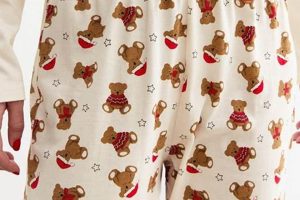
This soft, plush material is a type of fleece characterized by its dense, fuzzy pile reminiscent of a teddy bear’s fur. It is typically constructed from synthetic fibers, such as polyester, which contribute to its durability and easy care. A common example is its use in blankets, providing exceptional warmth and comfort.
The popularity of this cozy textile stems from its exceptional softness, warmth, and hypoallergenic properties. Its synthetic construction makes it resistant to shrinking, pilling, and wrinkles, while also being relatively inexpensive to produce. Historically, the development of synthetic fleece fabrics offered a more accessible and versatile alternative to natural materials like wool, expanding the options for warm and comfortable apparel and home goods.
Further exploration will cover the manufacturing process, various applications, and proper care instructions for this popular textile. Additional topics will include sustainable manufacturing practices and the future of this versatile material.
Care and Use Tips
Proper care ensures the longevity and continued softness of this versatile fabric. The following tips offer guidance on maintaining its quality and appearance.
Tip 1: Washing: Machine wash on a gentle cycle with cold water. Avoid using hot water, as it can damage the fibers and lead to shrinkage.
Tip 2: Detergents: Use mild detergents and avoid harsh chemicals, bleach, or fabric softeners. These can mat the fibers and reduce the fabric’s softness.
Tip 3: Drying: Tumble dry on low heat or air dry. High heat can cause shrinkage and damage the delicate fibers. Prompt removal from the dryer prevents wrinkles.
Tip 4: Storage: Store in a cool, dry place away from direct sunlight. Avoid storing in compressed or airtight containers to prevent mildew and maintain loft.
Tip 5: Stain Removal: Treat stains promptly with a gentle stain remover. Blot, do not rub, to avoid damaging the fibers. Test any cleaning solution on an inconspicuous area first.
Tip 6: Pilling: While resistant to pilling, occasional light pilling can occur. Use a fabric shaver or a lint roller to remove pills and maintain a smooth surface.
Tip 7: Ironing: Avoid ironing, as high heat can melt or damage the synthetic fibers. If necessary, use a low heat setting and a pressing cloth.
Adhering to these care instructions will ensure the fabric maintains its softness, warmth, and overall quality for years to come.
These practical tips provide a foundation for understanding proper care and maximizing the lifespan of this versatile material. The concluding section will summarize key findings and offer further resources.
1. Softness

Softness represents a defining characteristic of teddy fleece fabric, significantly contributing to its widespread popularity. This tactile quality arises from the fabric’s unique construction. Densely packed, short pile fibers create a plush, velvety texture that mimics the feel of a teddy bear’s fur, hence the name. This high-pile construction traps air, providing not only softness but also excellent insulation. The type of synthetic fibers used, typically polyester, also plays a role, as they possess inherent softness and flexibility. This combination of construction and material results in a fabric that is exceptionally soft to the touch, making it a preferred choice for items like blankets, baby clothes, and winter apparel.
The perceived softness influences consumer preference and dictates the fabric’s suitability for various applications. For instance, in children’s toys and blankets, softness is paramount for comfort and safety. In winter clothing, the soft texture enhances the feeling of warmth and coziness. Beyond tactile comfort, the softness contributes to a perception of luxury and quality. This perceived value influences purchasing decisions, making softness a key factor in the fabric’s market appeal. The practical implication of this understanding is the careful selection of manufacturing processes and materials to maintain and enhance this crucial attribute.
In summary, softness serves as a critical element of teddy fleece fabric’s identity and appeal. Achieving and maintaining this characteristic necessitates careful consideration of fiber type, pile construction, and manufacturing techniques. This understanding provides a foundation for appreciating the fabric’s widespread use and continued popularity in various applications requiring both comfort and warmth.
2. Warmth

Warmth represents a crucial characteristic of teddy fleece fabric, directly linked to its construction and material composition. The fabric’s thermal properties derive primarily from its dense, high-pile structure. This construction traps air within the numerous fibers, creating an insulating layer that effectively retains body heat. The trapped air minimizes heat transfer, preventing the escape of warmth and maintaining a comfortable temperature against the skin. The synthetic nature of the fibers, typically polyester, further contributes to this insulation. Polyester inherently possesses low thermal conductivity, meaning it does not readily transfer heat. This characteristic enhances the fabric’s ability to retain warmth. For example, a teddy fleece jacket effectively traps warm air, providing insulation in cold weather, while a teddy fleece blanket offers cozy warmth during sleep. The interplay of these factorsdense pile and low thermal conductivityresults in the exceptional warmth associated with this material.
The practical implications of this warmth are evident in the fabric’s diverse applications. In winter apparel, such as jackets, hats, and gloves, teddy fleece provides essential insulation against cold temperatures, enhancing comfort and protection. Its use in blankets, throws, and bedding contributes to a warm and cozy sleeping environment. Even in milder climates, the lightweight warmth of teddy fleece makes it a versatile choice for layering or providing comfortable warmth during cooler evenings. In performance apparel, the warmth-to-weight ratio makes it suitable for base layers or mid-layers, offering thermal regulation without excessive bulk. Understanding the source and effectiveness of this warmth allows for informed choices regarding appropriate applications and layering strategies.
In summary, the warmth provided by teddy fleece fabric is a key factor in its popularity and versatility. The combination of high-pile construction and the inherent thermal properties of polyester creates an effective insulating layer. This understanding is crucial for selecting appropriate applications, from winter outerwear to cozy home furnishings, and optimizing its use for maximum comfort and thermal efficiency.
3. Synthetic Construction

Synthetic construction is fundamental to the characteristics and benefits of teddy fleece fabric. Typically composed of polyester, this manufactured material provides distinct advantages over natural fibers like wool. Polyester’s inherent durability contributes to the fabric’s longevity, resisting wear and tear, even with frequent use and washing. Its resistance to shrinking and pilling maintains the fabric’s appearance and texture over time. The hydrophobic nature of polyester also contributes to the fabric’s quick-drying properties, making it practical for outerwear and blankets. Furthermore, synthetic production allows for a wider range of colors and patterns compared to natural fibers, increasing design versatility. For example, a teddy fleece jacket made of polyester offers durability and water resistance, beneficial for outdoor activities, unlike a wool jacket, which might be more susceptible to damage and slower to dry.
The choice of synthetic fibers also influences the fabric’s affordability. Polyester production is generally less resource-intensive than raising and processing natural fibers, resulting in a lower cost for consumers. This accessibility makes teddy fleece a popular choice for a wide range of applications, from budget-friendly blankets to performance apparel. Moreover, synthetic construction allows for specific tailoring of the fabric’s properties. Manufacturers can adjust fiber density, pile height, and finishing treatments to achieve desired levels of softness, warmth, and drape. This control over the final product ensures consistent quality and allows for customization based on specific end-uses, whether for a lightweight baby blanket or a heavy-duty winter coat.
In summary, the synthetic construction of teddy fleece fabric is integral to its performance and widespread use. Polyester’s durability, affordability, and versatility contribute to the fabric’s suitability for various applications, from clothing and blankets to upholstery and toys. Understanding this connection allows for informed choices regarding material selection, care, and utilization. This knowledge empowers consumers to maximize the benefits of this versatile and popular textile.
4. Versatile Applications

The versatility of teddy fleece fabric stems from the interplay of its inherent properties and adaptable construction. Its softness, warmth, and durability make it suitable for a wide range of applications, spanning apparel, home furnishings, and other consumer products. The lightweight nature of the fabric, combined with its excellent thermal retention, makes it ideal for winter clothing such as jackets, hats, scarves, and gloves. In home furnishings, its plush texture and cozy warmth lend themselves to blankets, throws, pillows, and even upholstery. The fabric’s durability and ease of care also make it a practical choice for children’s toys, pet beds, and other items subject to frequent use and washing. For example, its hypoallergenic properties and softness make it suitable for baby blankets and clothing, while its durability makes it ideal for high-use items like coats and blankets.
This versatility extends beyond consumer goods. In certain industrial applications, teddy fleece serves as a lining material for protective gear, providing insulation and cushioning. Its softness and hypoallergenic nature can also be beneficial in medical settings, such as for blankets or comforting aids. The adaptability of the fabric’s construction further expands its potential applications. Manufacturers can adjust the pile height, density, and finishing treatments to create variations suitable for specific needs, ranging from lightweight, breathable fabrics for athletic wear to heavier, more insulating materials for extreme cold weather gear. This adaptability allows for tailored solutions across diverse industries and product categories.
In conclusion, the versatile applications of teddy fleece fabric underscore its value and adaptability. The combination of inherent properties like softness, warmth, and durability, coupled with the flexibility of its construction, allows for a broad range of uses. From everyday apparel and home comforts to specialized industrial and medical applications, teddy fleece continues to demonstrate its adaptability and utility. This understanding of the fabric’s versatility provides valuable insights for manufacturers, designers, and consumers alike, enabling informed decisions regarding material selection and product development.
5. Easy Care

Ease of care represents a significant advantage of teddy fleece fabric, contributing to its popularity and practicality. This characteristic simplifies maintenance, reducing the time and effort required for cleaning and upkeep. Understanding the factors contributing to this ease of care provides valuable insights for consumers.
- Machine Washable
Most teddy fleece items are machine washable, eliminating the need for hand washing or professional cleaning. This convenience simplifies the cleaning process, saving time and effort. This attribute makes teddy fleece particularly practical for frequently used items like blankets, children’s clothing, and outerwear. The ability to simply toss these items in a washing machine contributes significantly to their everyday usability.
- Quick Drying
The synthetic nature of teddy fleece, typically polyester, allows for rapid drying. This characteristic minimizes drying time, whether air-dried or tumble-dried on low heat. Quick drying is advantageous for items like blankets and outerwear, allowing for faster turnaround between uses and reducing the risk of mildew or musty odors. This feature is particularly beneficial in humid climates or during travel.
- Wrinkle Resistance
Teddy fleece exhibits inherent wrinkle resistance due to the structure and properties of its synthetic fibers. This characteristic reduces the need for ironing, further simplifying care and saving time. Wrinkle resistance is particularly beneficial for travel or storage, as items maintain a presentable appearance without extensive care. This contributes to the fabric’s convenience and overall ease of maintenance.
- Durability
The inherent durability of polyester contributes to the long-term ease of care for teddy fleece. Resistance to pilling, shrinking, and fading minimizes the need for specialized treatments or repairs. This longevity ensures that the fabric maintains its appearance and performance over time, reducing the overall cost and effort associated with its upkeep.
The convergence of these factorsmachine washability, quick drying, wrinkle resistance, and durabilityestablishes teddy fleece fabric as a low-maintenance textile suitable for a variety of applications. This ease of care contributes significantly to the fabric’s widespread appeal, making it a practical choice for busy individuals and families seeking comfortable and convenient textiles.
Frequently Asked Questions
This section addresses common inquiries regarding teddy fleece fabric, providing concise and informative responses.
Question 1: Is teddy fleece fabric suitable for individuals with sensitive skin?
Generally considered hypoallergenic due to its synthetic composition, it rarely causes allergic reactions. However, individual sensitivities vary. If known skin sensitivities exist, testing a small swatch against the skin before prolonged contact is recommended.
Question 2: How does teddy fleece fabric compare to other fleece types in terms of warmth?
Its dense, high-pile construction provides exceptional warmth compared to other fleece varieties. This characteristic makes it particularly suitable for cold-weather apparel and blankets. However, its thickness may be less suitable for layering in milder temperatures.
Question 3: What are the recommended washing instructions for teddy fleece fabric?
Machine washing in cold water with a mild detergent is recommended. Avoid using bleach or fabric softeners, as these can damage the fibers and reduce softness. Tumble drying on low heat or air drying is preferred to maintain the fabric’s integrity.
Question 4: Is teddy fleece fabric prone to pilling or shedding?
While generally resistant to pilling, some pilling may occur with friction and repeated use. A fabric shaver or lint roller can effectively remove pills. Shedding is minimal due to the tightly woven construction of the fabric.
Question 5: Can teddy fleece fabric be used for outdoor apparel?
Its warmth and softness make it suitable for outerwear, but its water resistance is limited. While suitable for dry, cold conditions, it is not ideal for wet weather without a water-resistant outer layer. Its breathability can also be a factor to consider for high-intensity outdoor activities.
Question 6: How does the cost of teddy fleece fabric compare to other similar fabrics?
Typically, its cost is relatively low compared to natural fibers like wool or cashmere. The synthetic production process contributes to its affordability, making it a budget-friendly choice for various applications.
These responses offer a foundational understanding of key aspects related to teddy fleece fabric. Consulting specific product care instructions remains essential for optimal maintenance.
The following section delves into the sustainable manufacturing practices associated with teddy fleece production.
Conclusion
This exploration of teddy fleece fabric has provided a comprehensive overview of its properties, applications, and care. From its origins as a synthetic alternative to natural fibers, teddy fleece has become a ubiquitous material valued for its softness, warmth, and ease of maintenance. The examination of its synthetic construction highlighted the durability, affordability, and versatility that contribute to its widespread use in apparel, home furnishings, and other consumer products. Proper care practices, including washing and drying instructions, ensure the longevity and continued performance of this versatile textile. Addressing common questions regarding its suitability for sensitive skin, warmth compared to other fleece types, and appropriate applications further clarifies its advantages and limitations.
The future of teddy fleece fabric lies in the continued innovation of sustainable manufacturing processes and the exploration of new applications. As technology advances, the potential for recycled materials and eco-friendly production methods offers a promising path towards greater sustainability. Further research and development may also lead to enhanced performance characteristics, expanding its utility in diverse fields. Ultimately, understanding the properties and proper care of teddy fleece fabric empowers consumers to make informed decisions, maximizing its benefits while contributing to responsible consumption practices.