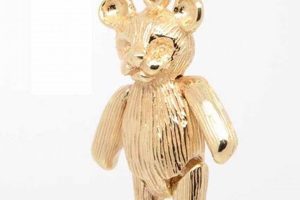
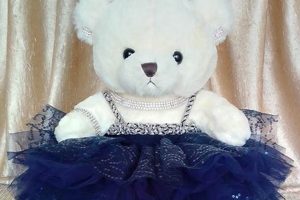
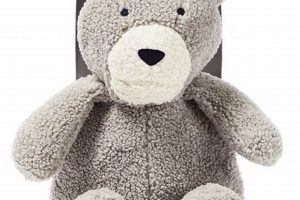
Small, plush keepsake bears designed to hold a small portion of cremated remains offer a tangible and comforting way to memorialize a loved one, whether a person or a pet. These keepsakes often have a small zippered pouch or compartment, discreetly placed on the back or within the stuffing.
These comforting objects offer a tangible connection to the deceased, providing solace and a physical reminder of cherished memories. This practice reflects a broader cultural shift towards personalized and meaningful mourning rituals, moving beyond traditional interment and offering more intimate ways to grieve. The history of keeping relics and mementos of loved ones spans centuries, and these memory bears represent a modern adaptation of this enduring human need for tangible connections to the past.
The following sections will explore the various materials, designs, and customization options available for these unique memorial keepsakes, as well as ethical considerations and the emotional benefits they provide.
Tips for Selecting and Caring for a Cremation Bear
Choosing and caring for a keepsake bear containing cremated remains requires consideration and sensitivity. The following tips offer guidance for this process.
Tip 1: Consider Material and Size: Keepsake bears are available in various sizes and materials. Smaller sizes are often preferred for portability, while larger bears may offer more space for embroidery or other personalization. Material selection should consider durability and personal preference.
Tip 2: Research Reputable Suppliers: Seek out established sellers specializing in memorial products to ensure quality craftsmanship and ethical sourcing of materials. Reviews and testimonials can offer valuable insights.
Tip 3: Filling the Bear: Most keepsake bears feature a small, zippered compartment for the ashes. Some providers offer filling services, while others provide instructions for self-filling. Exercise care and reverence during this process.
Tip 4: Personalization Options: Many keepsake bears can be personalized with embroidery, patches, or engraved pendants. Consider adding a name, dates, or a short, meaningful message.
Tip 5: Cleaning and Storage: Gentle spot cleaning with a damp cloth is typically recommended. Store the bear in a safe, dry place away from direct sunlight or extreme temperatures to preserve its condition.
Tip 6: Emotional Considerations: Choosing a keepsake bear is a deeply personal decision. Take time to reflect on what will bring the most comfort and serve as the most meaningful tribute.
Tip 7: Discuss with Family Members: If the keepsake is intended to be shared among family members, discuss preferences and consider individual needs for memorialization.
Careful consideration of these factors will ensure the selection of a meaningful and enduring tribute to a cherished individual or pet.
The concluding section will offer further resources and support for those navigating the grieving process.
1. Memorialization

Memorialization, the act of preserving and honoring the memory of a deceased individual, finds a unique expression through the use of teddy bears containing cremated remains. This approach offers a tangible and comforting way to maintain a connection with the departed, particularly when traditional burial or cremation practices feel impersonal or insufficient. The incorporation of ashes within a soft, familiar object like a teddy bear transforms it into a personalized memorial, imbued with emotional significance. This can be especially helpful for children grieving the loss of a parent or pet, as the familiar form of the bear provides a sense of security and comfort during a difficult time. For adults, the bear can serve as a tangible reminder of shared memories and a focal point for reflection. For example, a family might place the bear on a loved one’s favorite chair or in a shared space, allowing them to maintain a sense of continued presence.
This form of memorialization facilitates the grieving process by providing a physical object to hold and cherish. The tactile nature of the bear offers comfort and solace, while the personalization options, such as embroidery or engraved pendants, further enhance the emotional connection. This approach can be particularly beneficial for those struggling with abstract concepts of death and afterlife, as it provides a concrete representation of the enduring bond with the deceased. Practically, the smaller size and portability of these keepsakes make them suitable for display in various settings, allowing individuals to maintain a connection regardless of location. For instance, a small bear can be kept on a bedside table, carried in a bag, or displayed in a memorial shelf alongside photographs and other cherished items.
The use of teddy bears containing ashes represents a modern adaptation of ancient mourning practices. The human need to retain physical reminders of loved ones dates back centuries, exemplified by the preservation of lockets of hair, clothing, or personal effects. These modern keepsakes fulfill the same fundamental need for tangible connection, providing comfort and facilitating the grieving process in a way that resonates with contemporary sensibilities. While navigating grief is a uniquely individual journey, objects like these offer a tangible pathway toward healing and remembrance. The comfort and personalization they offer underscore their significance within the broader context of memorialization practices.
2. Comfort
The association between comfort and a teddy bear containing cremated remains stems from the inherent properties of both. Teddy bears, often associated with childhood and security, offer a sense of solace and familiarity. Their soft texture and huggable form provide tactile comfort, particularly during times of emotional distress. When combined with the ashes of a loved one, this existing comfort takes on a new dimension. The bear becomes a tangible link to the deceased, offering a source of solace through physical proximity to the remains. This can be especially significant during the initial stages of grief, when the loss feels most acute. For example, holding the bear while reminiscing about the deceased can provide a sense of closeness and continuity, mitigating feelings of isolation and despair.
The comforting nature of these keepsakes extends beyond mere tactile sensation. The personalized aspect of choosing and often customizing the bear contributes to its comforting effect. Selecting a bear that reflects the deceased’s personality or interests, or adding embroidery with their name or a significant date, further strengthens the emotional connection. This personalization transforms the bear into a unique and deeply meaningful symbol of remembrance, fostering a sense of continued connection and mitigating the finality of death. Furthermore, the portability of these keepsakes allows individuals to carry this comfort with them wherever they go. Having the bear nearby during challenging moments, such as anniversaries or holidays, can provide a sense of grounding and support.
Understanding the connection between comfort and these specialized teddy bears highlights their crucial role in the grieving process. They offer not just a physical object, but a source of solace and emotional support during a period of profound loss. This understanding can inform choices regarding the selection, personalization, and use of such keepsakes, ensuring they effectively serve their comforting purpose. The ability to personalize and maintain proximity to the remains underscores the unique comfort these objects offer, contrasting with more traditional memorial practices. This intimate approach to remembrance facilitates the grieving process by offering a tangible and personalized source of comfort.
3. Tangible Connection

The profound emotional impact of loss often underscores the human need for tangible connections to the deceased. A teddy bear containing cremated remains provides precisely this connection, transforming abstract grief into a concrete, manageable form. This physical embodiment of memory offers comfort and solace by allowing individuals to maintain a sense of proximity to their loved one. Unlike traditional memorial practices that may feel distant or impersonal, holding and interacting with the bear facilitates a continued bond, bridging the gap created by death. This tangible link becomes a focal point for remembrance, allowing individuals to express grief and celebrate the life of the departed in a deeply personal way. For instance, a child grieving the loss of a parent might find comfort in sleeping with the bear, feeling a sense of continued presence and protection.
The significance of this tangible connection extends beyond mere sentimentality. It addresses a fundamental human need to interact with memory in a physical, sensory way. The soft texture of the bear, its weight, and the knowledge of its contents create a multi-sensory experience that deepens the connection to the deceased. This tangible interaction can be particularly important for those struggling with abstract concepts of loss, especially children. The bear becomes a concrete representation of the deceased’s enduring presence, facilitating the grieving process and providing a sense of continuity. Furthermore, the portability of the bear allows this tangible connection to be maintained across various settings and life transitions, providing ongoing comfort and support.
The tangible connection facilitated by a teddy bear containing ashes offers a powerful means of navigating grief and maintaining a bond with the deceased. This approach addresses a fundamental human need for physical interaction with memory, providing comfort and facilitating the grieving process in a uniquely personal way. Recognizing the importance of this tangible connection underscores the value of these keepsakes as tools for coping with loss and honoring the enduring impact of loved ones. This understanding can guide individuals in selecting and utilizing such keepsakes in a way that maximizes their potential for healing and remembrance.
4. Personalized Grief
Personalized grief acknowledges the individual nature of mourning, recognizing that each person experiences and processes loss in their own unique way. A teddy bear containing cremated remains facilitates personalized grief by offering a tangible object for individual expression. Customization options, such as embroidered names, dates, or meaningful quotes, transform the bear into a unique memorial, reflecting the specific relationship between the bereaved and the deceased. This personalization allows individuals to express their grief in a way that feels authentic and meaningful to them, contrasting with more standardized mourning practices. For example, a parent who has lost a child might choose a bear matching the child’s favorite color and embroider it with the child’s nickname, creating a personalized tribute that resonates with their specific memories and emotions. This personalized approach can be particularly helpful for individuals who feel constrained by traditional mourning rituals or who find comfort in expressing their grief through tangible objects.
The ability to personalize the bear extends beyond aesthetics. The act of choosing the bear, selecting its features, and deciding on its placement within the home becomes a personalized ritual of remembrance. This active participation in creating a memorial can be a powerful step in the grieving process, allowing individuals to express their love and loss in a tangible way. Furthermore, the bear can serve as a catalyst for personalized mourning practices. For example, some individuals may choose to place the bear on a shelf alongside photographs and other mementos, creating a personalized memorial space for reflection and remembrance. Others may carry the bear with them, providing a sense of comfort and connection in various settings. These individual practices underscore the importance of personalized grief and the role of these keepsakes in facilitating this process. The practical significance of this understanding lies in its ability to empower individuals to grieve in a way that feels authentic and meaningful to them, promoting emotional healing and well-being.
The capacity for personalized grief offered by these keepsake bears underscores their value as tools for navigating loss. By providing a tangible object for individual expression and remembrance, these bears facilitate a more personalized and meaningful grieving process. This personalized approach recognizes the unique nature of each individual’s experience with loss and empowers them to express their grief in a way that feels authentic and healing. While societal norms and traditional rituals can offer structure and support, embracing personalized grief can be crucial for long-term healing and acceptance. The teddy bear, in this context, becomes more than just a comforting object; it becomes a tangible symbol of personalized remembrance and a powerful tool for navigating the complex landscape of grief.
5. Keepsake
Keepsakes serve as tangible reminders of cherished individuals, relationships, and experiences. In the context of a teddy bear containing cremated remains, the keepsake transcends its typical function, becoming a vessel for memory and a focal point for grief and remembrance. The following facets explore the multifaceted nature of keepsakes, specifically as they relate to these unique memorial objects.
- Emotional Significance
Keepsakes derive their value from the emotional weight they carry. They act as physical embodiments of memories, relationships, and emotions. A teddy bear containing ashes becomes imbued with the grief and love associated with the deceased, transforming it from a simple object into a powerful symbol of remembrance. This emotional significance distinguishes it from other possessions, elevating its importance within the bereaved individual’s life. For example, a bear received as a childhood gift and now containing a parent’s ashes becomes a repository of both childhood memories and the complex emotions associated with loss.
- Tangible Comfort
The physicality of a keepsake offers a source of comfort, particularly during times of emotional distress. The soft texture of a teddy bear, combined with the knowledge of its precious contents, provides tactile solace. Holding the bear can evoke a sense of closeness to the deceased, mitigating feelings of isolation and loss. This tangible comfort distinguishes the keepsake from abstract memories or digital representations, offering a direct, physical connection to the deceased. For instance, the weight and feel of the bear in one’s arms can provide a sense of grounding during moments of intense grief.
- Personalized Memorialization
Keepsakes offer a means of personalized memorialization, allowing individuals to express their grief and remembrance in unique and meaningful ways. A teddy bear containing ashes can be personalized through embroidery, patches, or added mementos, reflecting the individual’s relationship with the deceased. This customization transforms the keepsake into a unique tribute, contrasting with more standardized mourning practices. A bear embroidered with a loved one’s name or a significant date becomes a deeply personal symbol of remembrance, distinct from mass-produced memorial objects. This personalization reflects the individual nature of grief and the unique bond between the bereaved and the deceased.
- Legacy and Transmission
Keepsakes often play a role in preserving legacies and transmitting memories across generations. A teddy bear containing ashes can become a family heirloom, passed down through generations, carrying with it the stories and memories of the deceased. This transmission of memory imbues the keepsake with added significance, transforming it into a tangible representation of family history and emotional connection. For instance, a grandparent’s ashes within a teddy bear can become a cherished object for grandchildren, fostering a connection to a family member they may not have known directly. This intergenerational transmission of memory underscores the enduring power of keepsakes and their role in shaping family narratives.
These facets illuminate the significance of a teddy bear containing ashes as a keepsake, demonstrating its function as more than a simple object. It serves as a tangible representation of love, loss, and enduring connection, facilitating personalized grief and the transmission of memory across generations. The keepsake bear, in its unique capacity to hold both physical remains and emotional significance, becomes a powerful symbol of remembrance and a source of comfort during times of profound loss. Its role in facilitating personalized mourning practices and fostering connections across generations further underscores its value as a keepsake.
6. Cremation Urns Alternative
Cremation urns serve as the traditional vessels for cremated remains, but for some, the formality and permanence of an urn may not resonate with their grieving process or desired method of remembrance. This has led to the increasing popularity of cremation urns alternatives, offering more personalized and comforting ways to honor the deceased. A teddy bear containing ashes stands as one such alternative, providing a tangible, comforting keepsake that embodies emotional connection rather than solely serving as a repository for remains.
- Personalized Memorialization
Traditional urns, while often aesthetically pleasing, can lack the personal touch that some individuals seek when memorializing a loved one. Keepsake bears, on the other hand, offer an opportunity for personalization through embroidery, patches, or other embellishments. This customization reflects the unique bond between the bereaved and the deceased, transforming the keepsake into a unique tribute that resonates with individual memories and emotions. For example, a bear chosen to reflect the deceased’s favorite color or hobby, embroidered with their name, becomes a far more personalized memorial than a standard urn.
- Comfort and Tactility
The cold, hard surface of a traditional urn can feel emotionally distant, particularly during the raw stages of grief. The soft, huggable nature of a teddy bear offers a source of tactile comfort, allowing individuals to hold and cherish a physical representation of their loved one. This tangible comfort can be particularly soothing for children or those who find solace in physical touch. The act of holding the bear can provide a sense of closeness and continuity, mitigating the feeling of finality associated with death.
- Portability and Proximity
Urns are typically designed for placement in a fixed location, whether in a home, columbarium, or burial plot. A keepsake bear, due to its smaller size and portability, allows individuals to maintain proximity to their loved one’s remains regardless of location. This portability can be particularly meaningful for those who relocate frequently or who wish to keep their loved one close during travel or other life transitions. The bear can be placed on a bedside table, carried in a bag, or displayed in a variety of settings, ensuring a continued sense of connection.
- Accessibility for Children and Families
The concept of death and its associated rituals can be difficult for children to grasp. The familiar and comforting form of a teddy bear provides a more accessible way for children to engage with the concept of loss and remembrance. Similarly, for families grieving together, the bear can serve as a shared object of comfort and a focal point for shared memories. The tactile nature of the bear can facilitate conversations about the deceased and provide a sense of unity during a difficult time.
These facets illustrate how a teddy bear containing ashes serves as a viable and often preferred alternative to traditional cremation urns. By offering personalization, comfort, portability, and accessibility, these keepsakes provide a more intimate and emotionally resonant approach to memorialization. This shift reflects a broader cultural trend towards personalized mourning practices that prioritize emotional connection and individual expression of grief. While urns maintain their place in traditional memorialization, alternatives like the keepsake bear offer a valuable option for those seeking a more personalized and comforting way to honor the memory of their loved ones.
7. Pet or Human Remains
The concept of a teddy bear containing ashes encompasses both human and pet remains, reflecting the deep emotional bonds individuals form with both. This practice acknowledges the significant role that both human and animal companions play in people’s lives and the profound grief experienced upon their loss. The following explores the nuances of using these keepsake bears for both pet and human remains.
- Universality of Grief
Grief transcends the boundaries of species. The loss of a beloved pet can be as devastating as the loss of a human family member. Keepsake bears offer a universally comforting way to process this grief, regardless of whether the loss pertains to a person or a pet. The tangible nature of the bear provides solace and a focal point for remembrance, applicable to both human and animal companions. For example, a child who loses a pet hamster may find the same comfort in a keepsake bear as an adult grieving the loss of a parent. This universality speaks to the fundamental human need for comfort and tangible connection in the face of loss.
- Honoring Unique Bonds
The bond between humans and their pets is unique and often profound. Keepsake bears provide a way to honor this specific type of bond, acknowledging the significant role pets play in their owners’ lives. Similar to memorializing human loved ones, keepsake bears for pets can be personalized with the pet’s name, a significant date, or a paw print, creating a unique tribute that reflects the individual relationship. This personalization acknowledges the specific nature of the human-animal bond and the unique grief associated with pet loss. This acknowledgement is crucial for validating the grief experienced by pet owners and offering them a tangible means of remembrance.
- Practical Considerations for Pet Remains
The smaller size of keepsake bears often makes them particularly well-suited for holding the cremated remains of smaller pets, such as cats, dogs, birds, or hamsters. The proportionate size can feel more appropriate and comforting than placing a small amount of ashes in a larger, traditional urn. This practical consideration reflects the thoughtful approach behind these keepsakes, acknowledging the specific needs associated with memorializing pets. The option of a smaller bear allows for a more fitting and personalized tribute for smaller companions.
- Shared Grief and Family Memorialization
Pets are often considered integral members of the family. Keepsake bears containing pet remains can facilitate shared grieving among family members, providing a tangible object for collective remembrance. The bear can become a focal point for sharing stories and memories about the pet, fostering a sense of unity and support during a difficult time. This shared experience can strengthen family bonds and provide a sense of continuity in the face of loss. The bear, as a shared object of remembrance, can help families navigate the grieving process together, reinforcing the pet’s place within the family unit.
The suitability of teddy bears containing ashes for both pet and human remains underscores the universality of grief and the diverse ways in which individuals seek comfort and connection after loss. These keepsakes offer a tangible and personalized approach to memorialization, acknowledging the profound emotional bonds formed with both human and animal companions. The ability to customize the bear, coupled with its comforting form, allows for a unique expression of grief and remembrance, applicable to the loss of any cherished loved one, regardless of species. This inclusivity speaks to the fundamental human need to find solace and meaning in the face of loss, regardless of the nature of the relationship.
Frequently Asked Questions
This section addresses common inquiries regarding memorial teddy bears designed to hold cremated remains, offering clarity and guidance for those considering this unique form of remembrance.
Question 1: What is the typical capacity of a keepsake bear for ashes?
Capacity varies depending on the bear’s size, but generally, they hold a small portion of cremated remains, typically a symbolic amount rather than the entirety. This allows for distribution among family members or retention of a portion while the remainder is interred or scattered.
Question 2: Are these bears appropriate for children experiencing grief?
The comforting form of a teddy bear can provide solace to grieving children. However, individual circumstances and emotional maturity should be considered. Open communication and age-appropriate explanations about the bear’s purpose are essential. Guidance from grief counselors or therapists may be beneficial.
Question 3: What materials are typically used in the construction of these bears?
Common materials include soft plush fabrics, often polyester or cotton blends, chosen for their comforting texture. The inner compartment designed to hold the ashes is typically made of a secure, non-reactive material such as satin or velvet.
Question 4: How should a keepsake bear containing ashes be cleaned and cared for?
Gentle spot cleaning with a damp cloth is generally recommended. Avoid submerging the bear in water or using harsh cleaning chemicals. Storage in a cool, dry place away from direct sunlight will help preserve the bear’s condition and the integrity of the materials.
Question 5: Are there ethical considerations regarding the use of cremated remains in this manner?
Respectful handling of cremated remains is paramount. Decisions regarding their use should involve open communication among family members and adherence to any relevant cultural or religious customs. Choosing a reputable supplier who handles remains with sensitivity and dignity is crucial.
Question 6: Where can these memorial keepsake bears be purchased?
Reputable online retailers specializing in memorial products, funeral homes, and some specialty gift shops offer these keepsake bears. Researching providers and reading reviews can help ensure quality and ethical practices.
Careful consideration of these frequently asked questions will facilitate informed decisions regarding the selection and use of memorial teddy bears containing cremated remains. These keepsakes offer a unique and comforting approach to remembrance, providing a tangible connection to loved ones lost.
Additional resources and support for those navigating the grieving process can be found in the following section.
Conclusion
Keepsake teddy bears containing cremated remains offer a personalized approach to mourning, providing tangible comfort and facilitating a continued connection with the deceased. This exploration has highlighted their significance as alternatives to traditional urns, emphasizing the emotional benefits of tactile remembrance and personalized memorialization. Practical considerations regarding material, size, and ethical sourcing have been addressed, along with guidance for cleaning, care, and respectful handling of remains.
The enduring human need to memorialize loved ones finds a unique expression in these comforting keepsakes. Their capacity to hold both physical remains and emotional weight transforms them into powerful symbols of remembrance, offering solace and facilitating the complex journey through grief. Choosing a teddy bear containing ashes represents a conscious decision to embrace a tangible and personalized form of mourning, acknowledging the enduring impact of loved ones lost.