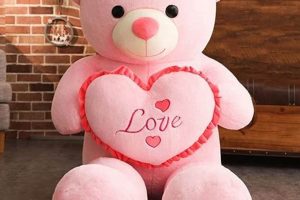
A plush toy, typically a bear, given to a child on their first birthday often serves as a keepsake commemorating this milestone. These toys are usually soft, cuddly, and designed with safety in mind for young children. An example would be a small, brown bear with an embroidered “1” on its foot or chest.
Such gifts hold sentimental value, becoming treasured companions during early childhood. They offer comfort and security, often becoming a child’s favorite toy and a symbol of their first year of life. This tradition connects to a broader cultural practice of gifting toys to mark important life events, signifying love and providing a tangible reminder of the occasion. The enduring popularity of these mementos points to their significance in both individual and family narratives.
This article will further explore the selection process, popular styles, and care instructions for these important keepsakes, offering guidance to those seeking the perfect commemorative gift for a child’s first birthday.
Tips for Selecting a First Birthday Commemorative Plush Toy
Choosing an appropriate plush toy for a first birthday requires consideration of several factors. The following tips offer guidance in selecting a gift that is both safe and cherished.
Tip 1: Prioritize Safety. Ensure the toy adheres to safety standards for infants. Check for small, detachable parts that could pose a choking hazard. Look for securely attached features like eyes and noses.
Tip 2: Consider Size and Weight. Opt for a size and weight suitable for small hands and developing motor skills. An overly large or heavy toy can be difficult for a one-year-old to manage.
Tip 3: Choose Durable Materials. Select a toy constructed from high-quality, durable materials that can withstand frequent handling and potential washing. Look for reinforced stitching and fabrics resistant to tearing.
Tip 4: Think About Cleanability. A washable toy is essential for hygiene. Check care instructions and prefer materials that can be easily cleaned or machine washed.
Tip 5: Personalize the Gift. Consider adding a personal touch, such as embroidery with the child’s name or birthdate. This enhances the sentimental value and creates a unique keepsake.
Tip 6: Opt for Classic Designs. Classic teddy bear designs often hold timeless appeal and can become cherished companions for years to come. Consider traditional colors and styles.
By following these guidelines, one can select a gift that not only commemorates a special occasion but also provides a safe and comforting companion for the child.
These tips provide a foundation for informed decision-making. The following section will discuss further considerations regarding storage and ongoing care.
1. Keepsake

The association between a first birthday teddy bear and its role as a keepsake stems from the inherent human desire to preserve memories of significant life events. A child’s first birthday represents a major milestone, marking the transition from infancy to toddlerhood. The teddy bear, gifted on this occasion, becomes a tangible embodiment of this transition, imbued with sentimental value that transcends its function as a simple toy. This transformation from plaything to keepsake occurs through continuous association with the event, strengthened by the emotional bonds formed between the child and the bear. For example, a well-loved teddy bear might accompany a child through various stages of development, offering comfort during periods of change or stress, further solidifying its emotional significance and keepsake status. The bear becomes a repository of memories, silently witnessing the child’s growth and development.
This inherent keepsake quality influences purchasing decisions. Parents and gift-givers often prioritize factors like durability, material quality, and classic design when selecting a first birthday teddy bear, recognizing its potential to become a cherished object for years to come. This awareness of the bear’s future role as a keepsake can even lead to personalization, such as embroidery with the child’s name and birthdate, further enhancing its sentimental value and uniqueness. The act of preserving the bear, often carefully stored and protected, reflects its elevated status within the family narrative. It becomes more than just a toy; it represents a tangible link to the past, capable of evoking powerful memories and emotions associated with the child’s early years.
Understanding the keepsake aspect of a first birthday teddy bear provides valuable insight into its enduring appeal. While trends in toys may fluctuate, the desire to commemorate significant life events remains constant. The teddy bear, in its simplicity and enduring design, effectively fulfills this need, serving as a tangible symbol of love, celebration, and the passage of time. This understanding informs both the selection and preservation of these treasured objects, ensuring their continued significance within family histories for generations to come.
2. Comfort Object

The connection between a comfort object and a first birthday teddy bear stems from the innate human need for security and emotional regulation, particularly during periods of stress or transition. A teddy bear, given at this crucial developmental stage, often becomes a source of solace and reassurance for a young child navigating a world of new experiences. The soft texture, familiar scent, and consistent presence of the bear offer a sense of stability and continuity, mitigating feelings of anxiety or distress. This attachment process transforms the inanimate object into a comfort object, imbued with emotional significance and capable of providing a sense of calm and security. For example, a child might cling to their teddy bear during bedtime, separation from caregivers, or when encountering unfamiliar situations. The tactile and olfactory familiarity of the bear helps regulate emotions and fosters a sense of safety.
The importance of a comfort object in the context of a first birthday teddy bear lies in its potential to facilitate emotional development and resilience. By providing a consistent source of comfort, the bear can help children learn to self-soothe and manage difficult emotions. This learned coping mechanism can have long-term benefits, contributing to emotional well-being and adaptability in later life. Furthermore, the comfort object often becomes a symbol of security and attachment, extending beyond the immediate family environment. The bear might accompany the child to daycare, preschool, or other new settings, providing a familiar presence and easing the transition into unfamiliar environments. This consistent presence reinforces the bear’s role as a source of comfort and support, fostering a sense of independence and self-reliance.
Understanding the significance of the comfort object aspect of a first birthday teddy bear provides valuable insights into child development and emotional well-being. Recognizing the bear’s potential to provide comfort and security underscores its importance as more than just a toy. This understanding informs the selection process, encouraging the choice of soft, durable, and easily washable materials. Furthermore, it highlights the value of allowing children to form attachments to these objects, recognizing their crucial role in emotional regulation and fostering a sense of safety and stability during formative years.
3. Safety Standards

Safety standards play a crucial role in the selection of a first birthday teddy bear, ensuring the toy poses no harm to the child. These standards address various potential hazards, providing guidelines for manufacturers and informing consumer choices. Adherence to these standards is paramount given the vulnerability of infants and their tendency to explore objects through touch and, often, ingestion.
- Choking Hazards
Small parts, such as buttons, beads, or loosely attached eyes and noses, present significant choking hazards for infants. Safety standards dictate size and attachment requirements for these components. For example, buttons must be securely fastened, and any small parts must be firmly attached to withstand pulling and chewing. These regulations aim to prevent detachment and subsequent ingestion, protecting infants from choking.
- Material Toxicity
Materials used in toy manufacturing must be non-toxic and free from harmful chemicals. Standards specify acceptable levels of heavy metals, such as lead and cadmium, and regulate the use of certain dyes and plastics. This safeguards children from exposure to potentially harmful substances that could leach from the toy, especially during mouthing or chewing. For instance, toys must comply with regulations regarding phthalate content, a chemical used to soften plastics, which has been linked to developmental issues.
- Flammability
Flammability standards dictate the use of flame-resistant or self-extinguishing materials in toy construction. This is particularly important for plush toys, which can be exposed to open flames or heat sources. Regulations ensure that the toy will not ignite easily or sustain a flame, reducing the risk of fire-related injuries. Flammability testing involves rigorous procedures that assess the toy’s resistance to ignition and its burning behavior.
- Sharp Edges and Points
Toys must be free from sharp edges or points that could cause cuts or punctures. This applies to both the exterior fabric and any internal components. Standards specify acceptable levels of sharpness and require smooth, rounded edges to prevent injuries during handling. This includes considerations for the stitching, seams, and any decorative elements on the toy.
Careful consideration of these safety standards ensures the selection of a first birthday teddy bear that prioritizes the child’s well-being. By adhering to these regulations, manufacturers and consumers contribute to a safer environment for infants, allowing them to enjoy the comfort and companionship of their plush toys without unnecessary risks. Selecting a toy that meets these standards provides peace of mind for caregivers and ensures a positive experience for the child. Consumers should look for certifications from reputable organizations, such as ASTM International or the Consumer Product Safety Commission (CPSC), as indicators of compliance with these crucial safety standards.
4. Softness

Softness represents a critical characteristic of a first birthday teddy bear, directly influencing its appeal and function as a comfort object. The tactile experience of softness contributes significantly to a child’s emotional connection with the toy. A soft, plush texture invites cuddling and provides a sense of security, particularly during a developmental stage characterized by rapid change and increasing independence. This inherent softness allows the bear to serve as a soothing presence, offering comfort and reassurance during periods of stress or transition. For example, a child might find solace in the softness of their teddy bear during bedtime, separation from caregivers, or when navigating unfamiliar environments. The gentle, yielding texture can have a calming effect, reducing anxiety and promoting a sense of well-being.
The practical significance of softness extends beyond emotional comfort. A soft teddy bear is less likely to cause injury during play, minimizing the risk of bumps or bruises. This is particularly important for infants who are still developing motor skills and coordination. The plush texture also makes the bear more suitable for cuddling and carrying, allowing the child to easily transport their comfort object and maintain a sense of security throughout the day. Furthermore, soft materials are often more gentle against sensitive skin, reducing the risk of irritation or discomfort. For instance, a teddy bear made from hypoallergenic, soft plush fabric can be especially beneficial for children with allergies or eczema.
The emphasis on softness in a first birthday teddy bear underscores its multifaceted role as a comfort object, plaything, and developmental tool. Choosing a soft, plush toy contributes not only to the child’s immediate emotional comfort but also to their overall sense of security and well-being. This understanding informs material selection, prioritizing fabrics that offer both softness and durability, ensuring the teddy bear remains a cherished companion for years to come. The enduring appeal of a soft teddy bear lies in its ability to provide tactile comfort and emotional reassurance, solidifying its place as a classic and enduring symbol of childhood.
5. Durability

Durability represents a critical factor in a first birthday teddy bear’s longevity, directly impacting its ability to withstand the rigors of daily use by a young child. Infants and toddlers often subject their toys to significant wear and tear, including squeezing, dropping, dragging, and even occasional chewing. A durable construction ensures the teddy bear remains intact despite this demanding treatment, preserving its physical integrity and sentimental value. Reinforced stitching, strong seams, and resilient fabrics contribute to a toy’s ability to endure the inevitable stresses of active play, frequent washing, and long-term storage. For example, a teddy bear constructed with tightly woven, tear-resistant fabric and securely attached features will better withstand the explorations of a one-year-old compared to a toy made with delicate materials and loose stitching.
The practical implications of durability extend beyond the toy’s physical lifespan. A well-constructed teddy bear offers a consistent source of comfort and security over time, reinforcing its role as a cherished companion. Frequent repairs or replacements can disrupt this emotional connection, particularly for young children who rely on the familiarity and predictability of their comfort objects. A durable teddy bear minimizes this disruption, providing a stable and enduring presence throughout the child’s early years. Furthermore, a durable toy contributes to sustainability by reducing the need for frequent replacements, minimizing waste and conserving resources. This aligns with increasing consumer awareness of environmental responsibility and the desire for products that offer long-term value.
Prioritizing durability in the selection of a first birthday teddy bear safeguards both its physical integrity and its sentimental value. A durable construction ensures the toy remains a cherished companion throughout childhood, providing consistent comfort and fostering lasting memories. This understanding informs consumer choices, encouraging the selection of high-quality materials and robust construction techniques. Investing in a durable teddy bear represents an investment in a child’s emotional well-being and contributes to a more sustainable approach to toy consumption. Durability, therefore, stands as a critical factor influencing a teddy bear’s ability to fulfill its role as a comforting, enduring presence in a child’s life.
6. Cleanability
Cleanability represents a crucial aspect of a first birthday teddy bear’s practicality and hygiene. Given the inevitable exposure to spills, dirt, and germs during a child’s early years, a readily cleanable teddy bear ensures a healthier and more pleasant experience. Regular cleaning minimizes the accumulation of allergens, bacteria, and other potential irritants, safeguarding the child’s well-being and preserving the teddy bear’s condition. This factor significantly influences the longevity and continued enjoyment of the toy.
- Material Suitability
The choice of materials significantly impacts a teddy bear’s cleanability. Machine-washable fabrics, such as polyester plush or cotton blends, offer convenience and thorough cleaning. These materials withstand frequent washing without significant deterioration, maintaining the teddy bear’s appearance and softness. Conversely, delicate materials like wool or silk may require specialized cleaning, limiting practicality and increasing the risk of damage. Surface treatments, such as stain resistance, can further enhance cleanability, simplifying the removal of spills and stains.
- Cleaning Methods
Effective cleaning methods depend on the teddy bear’s materials and construction. Machine washing on a gentle cycle with mild detergent is suitable for many plush toys. Hand washing with lukewarm water and soap is a gentler alternative for delicate materials or intricate details. Air drying, preferably in a well-ventilated area, helps maintain the teddy bear’s shape and prevents mildew growth. Spot cleaning with a damp cloth can address minor spills and stains between washes. Consulting the manufacturer’s care instructions provides specific guidance tailored to the teddy bear’s materials and construction.
- Hygiene and Health
Regular cleaning contributes significantly to a child’s health and hygiene. Teddy bears often accumulate dust mites, allergens, and bacteria, especially when used frequently and taken into various environments. Cleaning removes these potential irritants, minimizing the risk of allergic reactions, respiratory issues, and the spread of germs. For children with allergies or sensitivities, regular cleaning is essential to maintain a healthy environment. Washable toys offer a significant advantage in these cases, allowing for frequent and thorough cleaning.
- Longevity and Preservation
Cleanliness plays a key role in preserving a teddy bear’s appearance and extending its lifespan. Regular cleaning prevents the build-up of dirt and grime, which can degrade materials over time. Prompt removal of stains prevents permanent discoloration and maintains the teddy bear’s original appearance. Proper cleaning and drying techniques also help prevent mildew growth, preserving the toy’s integrity and preventing unpleasant odors. By maintaining a clean teddy bear, its condition and sentimental value are preserved for years to come.
Cleanability contributes significantly to a first birthday teddy bear’s overall value and practicality. A clean and hygienic teddy bear provides a safer and more enjoyable experience for the child, while regular cleaning ensures the toy’s longevity and preserves its sentimental value. By understanding the importance of cleanability and selecting a teddy bear that facilitates easy cleaning, parents and gift-givers can ensure the cherished companion remains a source of comfort and joy throughout childhood.
7. Symbolic Value

A first birthday teddy bear carries significant symbolic value, extending beyond its function as a simple plaything. It represents a tangible embodiment of love, care, and the commemoration of a significant milestone. This symbolic weight transforms the teddy bear into a cherished keepsake, imbued with meaning that deepens over time. The act of gifting the bear signifies the importance of the child’s first year of life and the anticipation of continued growth and happiness. This symbolic value resonates not only with the child but also with the gift-giver, strengthening familial bonds and creating lasting memories.
- Milestone Marker
The teddy bear serves as a tangible reminder of the child’s first birthday, marking a significant transition in their life and development. This milestone representation extends beyond the immediate celebration, serving as a physical embodiment of the passage of time and the child’s growth. For example, revisiting the teddy bear years later can evoke memories of the first birthday celebration and the emotions associated with that period. This function as a milestone marker adds to the bear’s sentimental value, transforming it from a simple toy into a cherished keepsake.
- Symbol of Love and Care
Gifting a teddy bear on a first birthday often represents an expression of love and care from family and friends. This symbolic gesture communicates affection and support, reinforcing emotional bonds between the child and their loved ones. The teddy bear becomes a tangible representation of these feelings, offering comfort and security to the child. For example, a grandparent gifting a teddy bear might symbolize their love and connection to the grandchild, strengthening intergenerational relationships. The bear becomes a physical manifestation of this emotional bond.
- Transitional Object
The teddy bear can function as a transitional object, helping the child navigate periods of separation or change. As children develop independence, the familiar presence of the teddy bear offers comfort and security in new or unfamiliar situations. For example, taking the bear to daycare or preschool can ease the transition into these new environments, providing a sense of familiarity and reducing anxiety. The bear becomes a symbol of stability and continuity amidst change.
- Legacy and Tradition
The tradition of gifting a teddy bear on a first birthday contributes to a sense of continuity and family history. This practice connects generations, often becoming a shared experience within families. The teddy bear can become a treasured heirloom, passed down through generations, carrying with it memories and stories associated with each child’s first birthday. This legacy aspect further enriches the bear’s symbolic value, representing family history and tradition. For example, a family might have a tradition of gifting the same type of teddy bear to each child on their first birthday, creating a tangible link between generations.
The symbolic value of a first birthday teddy bear contributes significantly to its enduring appeal and emotional resonance. It transcends its function as a plaything, becoming a symbol of love, milestones, and family tradition. This layered meaning enriches the child’s experience and strengthens familial bonds, transforming the teddy bear into a cherished keepsake with lasting significance.
Frequently Asked Questions
This section addresses common inquiries regarding the selection, care, and significance of commemorative plush toys for first birthdays.
Question 1: What makes a plush toy suitable for a one-year-old?
Suitability is determined by safety, size, and material. Toys should adhere to relevant safety standards, be free of choking hazards, and constructed from durable, non-toxic materials. Size and weight should be appropriate for small hands and developing motor skills.
Question 2: How can one personalize such a gift?
Personalization options include embroidery with the child’s name, birthdate, or a special message. Choosing a unique accessory, such as a personalized ribbon or small embroidered blanket, can also add a distinctive touch.
Question 3: What are the recommended cleaning methods for plush toys?
Cleaning methods depend on the specific materials. Many plush toys are machine washable on a gentle cycle. Hand washing with mild soap and lukewarm water is suitable for delicate materials. Air drying is generally recommended. Always check the manufacturer’s care instructions.
Question 4: Beyond commemorating the birthday, what are the benefits of giving a plush toy?
Plush toys can offer comfort and security, becoming cherished companions that aid in emotional development. They can also serve as transitional objects, easing anxiety during periods of change or separation.
Question 5: What should one consider when selecting a plush toy as a keepsake?
Keepsake considerations include durability, material quality, and classic design. High-quality materials and construction ensure the toy withstands the test of time. Classic designs offer timeless appeal.
Question 6: Where can one find reliable information regarding toy safety standards?
Reputable organizations such as ASTM International and the Consumer Product Safety Commission (CPSC) provide comprehensive information on toy safety standards and regulations. Manufacturers often display certifications on product packaging or websites.
Careful consideration of these frequently asked questions ensures a thoughtful and informed approach to selecting a commemorative plush toy for a first birthday. Prioritizing safety, durability, and cleanability ensures the gift provides lasting comfort and joy.
The next section offers a curated selection of recommended plush toys suitable for first birthdays.
A First Birthday Teddy Bear
This exploration has highlighted the multifaceted significance of a first birthday teddy bear, extending beyond its role as a simple plaything. Key considerations encompassing safety, durability, cleanability, and comfort underscore its practical value, while its symbolic representation of love, milestones, and family tradition reveals a deeper emotional resonance. The careful selection of such a gift demonstrates an understanding of these factors, ensuring the chosen plush companion offers both immediate comfort and lasting sentimental value.
The enduring appeal of a first birthday teddy bear lies in its ability to transcend generations, connecting past, present, and future. It serves as a tangible reminder of a significant milestone, a symbol of enduring love, and a source of comfort throughout childhood and beyond. This understanding encourages thoughtful consideration in the selection process, transforming a simple gift into a cherished keepsake, imbued with meaning and capable of sparking joy and fond memories for years to come.