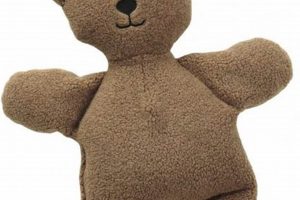
A simple, often rhyming prayer recited with a plush toy held closely is a common practice for young children. For example, a child might hold their stuffed animal and say a short prayer before bedtime, asking for protection and comfort. This practice combines the tangible comfort of a beloved toy with the intangible solace of prayer.
This ritual can offer numerous benefits for children’s development. It can foster a sense of security and routine, especially during times of stress or transition. The act of reciting a prayer with a cherished toy can also encourage early language development and introduce concepts of faith and spirituality in a gentle, age-appropriate manner. Historically, such practices have served as a bridge between the concrete world of childhood and the abstract concepts of belief systems. The stuffed animal becomes a tangible symbol of comfort and a focal point for prayer, helping children to connect with feelings of safety and reverence.
Further exploration will delve into the specific types of prayers commonly used, the psychological benefits associated with this practice, and how parents and caregivers can support and encourage this type of childhood ritual.
Tips for Encouraging Prayer with Plush Toys
These tips offer guidance for incorporating comforting bedtime rituals with stuffed animals for young children. This practice can establish healthy routines and introduce spiritual concepts in a developmentally appropriate manner.
Tip 1: Keep it Simple: Prayers should be short, easy to memorize, and use age-appropriate language. A simple prayer acknowledging gratitude for the day or requesting protection during the night is sufficient.
Tip 2: Incorporate the Toy: Involve the stuffed animal in the prayer. For example, the prayer might mention the toy by name or include a gesture like hugging the toy tightly.
Tip 3: Create a Consistent Routine: Establish a regular time and place for the prayer, such as before bedtime in the child’s room. Consistency helps create a sense of security and predictability.
Tip 4: Encourage Child-Led Participation: Allow children to lead the prayer, even if they make mistakes or deviate from the established wording. This fosters a sense of ownership and engagement.
Tip 5: Model the Behavior: Children often learn by observing. Parents or caregivers can demonstrate the practice by reciting their own prayers, either silently or aloud.
Tip 6: Focus on Comfort and Security: Emphasize the comforting aspects of the ritual. The stuffed animal serves as a tangible symbol of safety and love, enhancing the feeling of protection and peace during prayer.
Tip 7: Adapt to the Child’s Needs: The practice should be flexible and adaptable to the child’s developmental stage and individual preferences. Some children may prefer to whisper their prayers, while others may enjoy singing them.
By implementing these suggestions, caregivers can create a nurturing bedtime routine that promotes emotional well-being and spiritual development in young children. The combination of prayer and a cherished toy offers comfort, security, and a gentle introduction to concepts of faith.
These tips provide practical strategies for integrating prayer with plush toys. The following conclusion will summarize the key benefits and offer final thoughts on fostering spiritual development in early childhood.
1. Comfort
Comfort forms a cornerstone of the “teddy bear prayer” practice. A cherished plush toy provides a tangible source of solace, especially during times of stress, fear, or loneliness. The soft texture, familiar scent, and consistent presence of the toy offer a sense of security and stability. This inherent comfort amplifies the soothing effect of prayer, creating a powerful combination of emotional and spiritual support. For instance, a child experiencing a nightmare might find comfort in holding their teddy bear while reciting a simple prayer, transforming a frightening experience into a moment of calm and reassurance. The tactile comfort of the toy anchors the child in the present moment, allowing the prayer to offer a sense of peace and protection.
The importance of comfort within this practice extends beyond immediate emotional relief. The association of prayer with a comforting object can establish positive associations with spirituality from an early age. This can lay the groundwork for a lifelong connection to faith and create a positive framework for navigating future challenges. The act of praying with a beloved toy can become a source of resilience, providing a familiar ritual to draw upon during difficult times. This consistent association reinforces the comforting aspects of both the toy and the prayer, fostering a sense of safety and stability that can extend throughout life. Consider a child facing the first day of school; clutching their teddy bear and whispering a prayer can provide courage and reduce anxiety, demonstrating the practical significance of comfort in this practice.
In summary, comfort is not merely a byproduct of “teddy bear prayer,” but rather an integral component of its effectiveness. The inherent comfort of a plush toy enhances the soothing power of prayer, creating a powerful synergy that supports emotional well-being and fosters a positive connection to spirituality. While challenges such as the potential for over-reliance on the toy may arise, the overall benefit of incorporating comfort into prayer offers a valuable tool for navigating childhood anxieties and building a foundation for lifelong spiritual development.
2. Security

The concept of security plays a vital role in the practice of praying with a cherished plush toy. Children often perceive these toys as protectors and confidants, imbuing them with a sense of safety and stability. This perceived security enhances the efficacy of prayer by creating a safe space for emotional expression and spiritual connection. The following facets explore the multifaceted relationship between security and this childhood practice.
- Transitional Object
Stuffed animals often serve as transitional objects, bridging the gap between dependence and independence. These toys provide a sense of continuity and familiarity, particularly during times of transition or stress. In the context of prayer, the presence of a transitional object reinforces feelings of safety, allowing children to explore their spirituality within a secure emotional framework. For example, a child moving to a new home might find solace in praying with their teddy bear, maintaining a sense of normalcy amidst change.
- Symbolic Protection
Children frequently imbue their plush toys with protective qualities, viewing them as guardians against perceived threats, both real and imagined. This symbolic protection enhances the feeling of safety during prayer. The toy becomes a tangible representation of security, allowing children to express vulnerabilities and seek comfort without fear. A child afraid of the dark might hold their stuffed animal tightly while praying for protection, transforming the toy into a source of courage and reassurance.
- Emotional Regulation
Engaging in prayer with a beloved toy can facilitate emotional regulation. The act of holding the toy and reciting a prayer provides a structured outlet for expressing complex emotions like fear, anxiety, or sadness. This structured expression, within the perceived safety provided by the toy, promotes emotional processing and contributes to a sense of calm. A child experiencing sadness might find comfort in praying with their teddy bear, verbalizing their feelings within a safe and supportive context.
- Creation of Sacred Space
The combination of a cherished toy and prayer can transform a child’s personal space into a sanctuary. The familiar presence of the toy creates a sense of ownership and control, establishing a safe and sacred space for prayer. This designated space fosters a sense of reverence and encourages open communication within the prayer ritual. A child might designate a specific corner of their bedroom as their “prayer space” with their teddy bear, establishing a sense of privacy and connection to spirituality.
These facets demonstrate the integral role security plays in the efficacy of praying with a stuffed animal. The toy’s presence creates a secure environment for emotional expression and spiritual exploration, fostering a sense of comfort, protection, and connection to something beyond the self. This sense of security not only enhances the immediate benefits of prayer but also contributes to the development of a positive and resilient approach to spirituality throughout life.
3. Ritual
The act of praying with a teddy bear often develops into a comforting ritual for young children. Rituals provide structure and predictability, which can be particularly important during early childhood development. The consistent repetition of actions involved in a “teddy bear prayer”holding the toy, reciting specific words, perhaps performing a certain gesturecreates a sense of order and control in a world that can often feel overwhelming. This ritualistic element can be as simple as always placing the teddy bear in a specific position before prayer or kissing the toy goodnight afterward. These small, repeated actions contribute to the overall sense of security and comfort associated with the practice. The cause-and-effect relationship is clear: the ritual provides stability, and this stability enhances the emotional and spiritual benefits of the prayer itself. For instance, a child might always hold their teddy bear’s paw while reciting their prayer, establishing a comforting and predictable sequence.
The importance of ritual extends beyond providing comfort. Rituals often serve as a symbolic language, communicating values and beliefs nonverbally. In the context of “teddy bear prayer,” the ritual communicates the importance of prayer, connection to a higher power, and the value of the child’s emotional well-being. The ritual acts as a tangible expression of intangible concepts, making these concepts more accessible and understandable for young children. Regularly engaging in this ritual can instill a sense of reverence and respect for prayer, laying the foundation for a lifelong spiritual practice. Furthermore, the shared ritual of prayer, perhaps with a parent or caregiver, can strengthen familial bonds and create shared meaning. Consider a family that incorporates “teddy bear prayers” into their nightly routine; this shared ritual reinforces both spiritual and familial connections.
Understanding the significance of ritual in “teddy bear prayer” allows parents and caregivers to support and encourage this practice effectively. Recognizing the comfort and stability provided by the ritual can encourage consistency and sensitivity to the child’s individual needs. While challenges such as rigidity or over-reliance on the ritual might arise, the inherent benefits of structure and predictability significantly contribute to the positive impact of “teddy bear prayer” on a child’s emotional and spiritual development. By acknowledging the power of ritual, adults can help children cultivate a positive relationship with prayer, fostering a sense of connection, comfort, and security that can extend far beyond childhood.
4. Simple Prayers
Simple prayers form a cornerstone of the “teddy bear prayer” practice. Their brevity and straightforward language are crucial for young children’s developmental stage. Complex theological concepts are less accessible to young minds; therefore, simple expressions of gratitude, requests for protection, or blessings for loved ones resonate more effectively. This simplicity allows children to focus on the emotional connection fostered by the prayer, rather than struggling with complex vocabulary or abstract ideas. A child might say, “Thank you, God, for my teddy bear,” or “Please keep my family safe tonight.” These simple phrases, spoken with genuine feeling, hold significant meaning for a child. The cause-and-effect relationship is evident: simple prayers facilitate a direct connection to feelings of comfort, security, and love. This directness contributes to the efficacy of “teddy bear prayer” as a tool for emotional regulation and spiritual development.
The importance of simple prayers within this practice extends beyond mere accessibility. Simple prayers often rhyme or repeat phrases, making them easier to memorize and recite independently. This fosters a sense of ownership and control over the prayer ritual, empowering children to engage actively in their spiritual development. For example, a child might learn a short prayer like, “Now I lay me down to sleep, I pray the Lord my soul to keep.” The rhythmic nature of this prayer makes it easy to remember and repeat, contributing to a sense of mastery and confidence. This active participation reinforces the emotional and spiritual benefits of “teddy bear prayer,” transforming it from a passive activity into a powerful tool for self-soothing and connection to a higher power. Furthermore, the ability to recite prayers independently encourages a sense of autonomy and self-reliance, contributing to overall development.
In summary, the simplicity of prayers used in conjunction with a cherished toy is a defining characteristic of this practice. Simplicity facilitates accessibility, encourages active participation, and strengthens the emotional connection fostered by the ritual. While challenges might arise, such as ensuring the prayers align with family beliefs, the inherent benefits of simple language and structure significantly contribute to the positive impact of “teddy bear prayer” on a child’s emotional and spiritual growth. Recognizing this connection allows caregivers to select or create prayers that resonate with a child’s developmental stage and individual needs, maximizing the comforting and empowering effects of this practice.
5. Tangible Focus

The tangible focus provided by a plush toy is integral to the effectiveness of “teddy bear prayer.” Abstract concepts like prayer and spirituality can be challenging for young children to grasp. The presence of a beloved toy offers a concrete, familiar object to anchor these abstract ideas. Holding the toy while praying provides a tactile and emotional focus, making the experience more accessible and less intimidating. This tangible element bridges the gap between the child’s concrete world and the abstract realm of spirituality. The cause-and-effect relationship is clear: the tangible focus facilitates a deeper connection to the prayer, enhancing its emotional and spiritual impact. For example, a child might squeeze their teddy bear tightly during prayer, channeling feelings of anxiety or fear into the physical act of holding the toy. This physical act provides an outlet for emotions and grounds the child in the present moment, allowing the prayer to offer comfort and reassurance.
The importance of this tangible focus extends beyond simply making prayer more accessible. The toy becomes a symbol of comfort and security, further enhancing the emotional benefits of prayer. It provides a sense of continuity and familiarity, particularly during times of stress or transition. The act of praying with the toy can become a comforting ritual, reinforcing feelings of safety and connection to a higher power. The practical significance of this understanding lies in its ability to empower caregivers to support children’s spiritual development. Recognizing the importance of a tangible focus allows adults to create a supportive environment for prayer, encouraging children to connect with their spirituality in a way that feels safe, comfortable, and meaningful. Consider a child experiencing a hospital stay; the presence of their teddy bear during prayer can provide a much-needed sense of normalcy and comfort, demonstrating the practical application of this concept.
In summary, the tangible focus provided by the teddy bear in “teddy bear prayer” is a crucial element of its effectiveness. This tangible element grounds abstract concepts, enhances emotional connection, and fosters a sense of security. While potential challenges, such as over-reliance on the object, might arise, the overall benefit of providing a concrete focus significantly contributes to the positive impact of this practice on a child’s spiritual and emotional well-being. Understanding this connection allows for a more nuanced approach to supporting children’s spiritual development, recognizing the powerful interplay between tangible objects and intangible concepts in fostering a sense of connection, comfort, and peace.
6. Emotional Support

The act of praying with a cherished plush toy offers significant emotional support for young children. These toys often represent security, comfort, and companionship, creating a safe space for emotional expression during prayer. The combination of a tangible source of comfort and the act of prayer creates a powerful synergy, supporting children during times of stress, fear, or sadness. The cause-and-effect relationship is evident: the toy provides comfort, while prayer offers an outlet for emotional processing, resulting in a sense of calm and reassurance. For instance, a child experiencing anxiety about an upcoming event might find solace in holding their teddy bear while praying for courage. The physical presence of the toy, combined with the verbal expression of their fears, provides a healthy and effective way to manage complex emotions.
The importance of emotional support within “teddy bear prayer” extends beyond immediate comfort. This practice can foster emotional resilience by providing a consistent and reliable coping mechanism. Repeatedly turning to prayer with a beloved toy during challenging times establishes a healthy pattern for emotional regulation. This learned behavior can equip children with valuable tools for navigating future emotional difficulties. The practical significance of this understanding lies in its ability to empower caregivers to support children’s emotional development. By recognizing the emotional support provided by this practice, adults can create a safe and encouraging environment for children to express their feelings and connect with their spirituality. Consider a child struggling with grief; praying with their teddy bear can offer a sense of comfort and connection to a loved one, demonstrating the profound impact of emotional support within this practice.
In summary, emotional support is not merely a byproduct of “teddy bear prayer,” but rather a central component of its effectiveness. The combination of a comforting toy and the act of prayer creates a powerful tool for emotional regulation, fostering resilience and providing solace during challenging times. While potential challenges, such as over-dependence on the toy or difficulty expressing emotions verbally, might arise, the inherent benefits of emotional support within this practice significantly contribute to a child’s overall well-being. Understanding this connection allows for a more informed and compassionate approach to supporting children’s emotional and spiritual development.
7. Spiritual Introduction

Praying with a cherished plush toy can serve as a gentle introduction to spiritual concepts for young children. The familiar comfort of the toy creates a safe space for exploring abstract ideas like prayer, God, or a higher power. This tangible link to the intangible makes spirituality less intimidating and more accessible to young minds. The cause-and-effect relationship is subtle but significant: the comforting presence of the toy reduces anxiety, allowing a child to approach spiritual concepts with openness and curiosity. For example, a child might ask their teddy bear, “Do you think God hears me?” This simple question, posed within the safe context of play, represents an early exploration of communication with a higher power. The act of praying with the toy can also introduce basic spiritual practices like expressing gratitude, seeking comfort, or offering blessings, laying the groundwork for a more developed understanding of faith later in life. The toy acts as a bridge, connecting the child’s concrete world to the abstract realm of spirituality.
The importance of this gentle spiritual introduction extends beyond simply introducing basic concepts. It can foster a positive association with spirituality from an early age. By associating prayer with feelings of comfort, security, and love, children are more likely to develop a positive and resilient spiritual framework. This early introduction can shape their understanding of prayer as a source of comfort and strength, a tool for navigating life’s challenges. The practical significance of this understanding lies in its potential to influence a child’s long-term relationship with spirituality. Parents and caregivers who understand this connection can create supportive environments that encourage spiritual exploration and foster a sense of wonder and reverence. Consider a child who regularly prays with their teddy bear for their sick grandparent; this practice can introduce concepts of compassion, empathy, and the power of prayer in a tangible and meaningful way. This early experience can shape their understanding of faith as a source of comfort and hope during difficult times.
In summary, “teddy bear prayer” can be a valuable tool for introducing spiritual concepts to young children. The combination of tangible comfort and abstract ideas creates a safe and accessible entry point to the world of spirituality. While potential challenges exist, such as aligning the introduced concepts with family beliefs or ensuring the practice doesn’t become a substitute for genuine emotional processing, the inherent benefits of a gentle spiritual introduction through this practice significantly contribute to a child’s overall development. Recognizing this connection allows caregivers to nurture a child’s burgeoning spirituality, fostering a sense of connection, meaning, and purpose in the world.
Frequently Asked Questions
This section addresses common inquiries regarding the practice of young children praying with plush toys, offering clarity and guidance for parents and caregivers.
Question 1: At what age is it appropriate to introduce this practice?
While there’s no strict age requirement, most children begin to grasp simple prayer concepts between the ages of two and four. Developmental readiness is key; the child should be able to understand basic language and engage in simple rituals.
Question 2: What if the child becomes overly reliant on the toy for prayer?
Over-reliance can be addressed by gently encouraging prayer without the toy in other contexts. This helps the child understand that prayer is an internal process, not solely dependent on the object. Gradual transitions can prevent disruption to the child’s sense of security.
Question 3: How can this practice be adapted for families of different faiths or non-religious backgrounds?
The core principles of comfort, connection, and emotional expression can be adapted to any belief system. Secular families might focus on affirmations of love and gratitude, while families of different faiths can incorporate prayers aligned with their specific traditions.
Question 4: What if the child experiences nightmares or anxieties even after praying with the toy?
This practice is not a replacement for professional help. If anxieties persist, consulting a child psychologist or therapist is recommended. “Teddy bear prayer” can be a supportive tool within a broader mental health strategy.
Question 5: Are there specific types of prayers that are most effective?
Simple, rhyming prayers or expressions of gratitude tend to resonate most with young children. Focusing on themes of love, safety, and comfort is generally recommended. The specific wording should be tailored to the child’s individual needs and understanding.
Question 6: How can parents or caregivers participate in this practice without imposing their beliefs?
Participation can be as simple as creating a quiet, supportive environment for prayer. Respecting the child’s lead and allowing them to express themselves freely is crucial. Modeling positive behaviors related to emotional expression and self-soothing can be beneficial, regardless of specific beliefs.
These responses offer insights into incorporating this comforting practice into a child’s routine. Open communication and sensitivity to individual needs remain crucial for fostering emotional and spiritual well-being.
This FAQ section concludes the discussion on “teddy bear prayers,” offering a final opportunity for reflection.
Conclusion
This exploration of teddy bear prayer has illuminated its multifaceted nature, emphasizing the interplay of comfort, security, ritual, simple prayers, tangible focus, emotional support, and spiritual introduction. The practice offers a valuable tool for navigating childhood anxieties, fostering emotional regulation, and introducing spiritual concepts within a safe and comforting context. The tangible nature of the plush toy provides a crucial anchor for abstract ideas, making prayer more accessible and less intimidating for young children. The inherent comfort and security offered by the toy amplify the emotional and spiritual benefits of prayer, creating a powerful synergy that supports overall well-being. The establishment of a comforting ritual further solidifies the positive associations with prayer, fostering a sense of stability and predictability in a child’s world.
Teddy bear prayer represents more than a simple childhood practice; it signifies a profound connection between tangible comfort and intangible solace. Further research into the long-term effects of this practice on spiritual development could provide valuable insights. Cultivating an understanding of the nuanced benefits and potential challenges associated with teddy bear prayer empowers caregivers to support children’s emotional and spiritual growth effectively. This understanding fosters a nurturing environment where children can explore their spirituality, develop healthy coping mechanisms, and build a foundation for a lifelong positive relationship with prayer and faith.