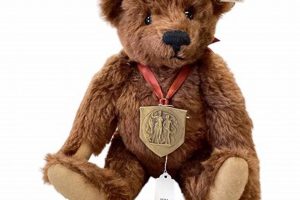
Antique, vintage, and limited-edition stuffed bears comprise a significant segment of the toy collecting market. These items often possess unique characteristics, such as handcrafted details, specific manufacturers’ marks, or connections to historical periods. Examples include early Steiff bears, Ideal Novelty and Toy Company’s Theodore “Teddy” Roosevelt bears, and modern artist-designed bears.
Preserving these playthings offers a tangible link to the past, reflecting evolving craftsmanship, design trends, and cultural values. Their value can appreciate significantly over time, driven by factors like rarity, condition, provenance, and historical significance. Collecting provides opportunities for historical research, community engagement through specialized clubs and shows, and the personal satisfaction of curating a meaningful collection.
This article will further explore the fascinating world of collecting these cherished childhood companions, delving into topics such as identification, valuation, preservation, and the thriving marketplace that surrounds them.
Tips for Collecting Antique and Vintage Bears
Building a meaningful collection requires careful consideration and informed decisions. The following tips provide guidance for navigating the complexities of the antique and vintage bear market.
Tip 1: Research Thoroughly: Understanding manufacturer marks, historical periods, and material variations is crucial for accurate identification and valuation. Specialized books, online resources, and reputable dealers can offer valuable insights.
Tip 2: Authenticate Carefully: Counterfeit bears exist. Examine stitching, materials, labels, and overall construction to ensure authenticity. Consulting with experienced collectors or appraisers can be beneficial.
Tip 3: Assess Condition: Condition significantly impacts value. Factors like wear, repairs, and missing parts should be carefully evaluated. Original condition is highly prized.
Tip 4: Consider Provenance: Documented history, such as previous ownership or exhibition records, can enhance a bear’s value and historical significance.
Tip 5: Handle with Care: Proper storage and handling are essential for preservation. Avoid direct sunlight, extreme temperatures, and excessive handling. Archival-quality materials are recommended for long-term storage.
Tip 6: Network with Experts: Joining collector clubs, attending shows, and engaging with reputable dealers provide valuable learning opportunities and access to rare finds.
Tip 7: Budget Wisely: Establish a budget and adhere to it. Prices can vary widely, so setting realistic expectations is essential.
By adhering to these guidelines, collectors can cultivate meaningful collections while mitigating risks and maximizing the enjoyment of these treasured objects.
These tips offer a solid foundation for navigating the exciting world of antique and vintage bear collecting. The following section will explore the specific characteristics of notable manufacturers and their contributions to this enduring market.
1. History

The historical context surrounding teddy bear collectibles significantly influences their value and appeal. Understanding the evolution of these toys provides crucial insights for collectors seeking to appreciate the rich tapestry woven by these iconic objects.
- Early 20th Century Origins:
The simultaneous creation of the teddy bear in the United States and Germany around 1902-1903 marked a pivotal moment in toy history. The American iteration, inspired by President Theodore Roosevelt’s hunting anecdote, and the German version, developed by Richard Steiff, quickly gained international popularity. These early bears, often crafted from mohair and featuring jointed limbs, represent the genesis of the modern teddy bear, setting the stage for future variations and innovations.
- wartime Influence:
Periods of conflict, particularly World War I and World War II, significantly impacted teddy bear production. Material shortages and economic constraints led to changes in design and manufacturing. Bears from these eras often exhibit simplified features and utilize alternative materials, reflecting the challenges of the times. These historical artifacts offer a glimpse into the resourcefulness and resilience of manufacturers during periods of adversity.
- Post-War Boom and Character Licensing:
The post-World War II era witnessed a resurgence in teddy bear production, accompanied by the rise of character licensing. Beloved characters from children’s literature, television, and film began appearing as plush toys, further expanding the market and diversifying the types of bears available to collectors. This period marks a shift towards mass production and the emergence of popular culture’s influence on teddy bear design.
- Modern Artist Bears and the Collector’s Market:
The late 20th and early 21st centuries saw the rise of artist-designed bears, often handcrafted in limited editions using premium materials. This development caters to a sophisticated collector’s market, emphasizing artistry, craftsmanship, and exclusivity. These modern interpretations contribute to the ongoing evolution of the teddy bear while paying homage to its rich history.
From their humble beginnings to their current status as cherished collectibles, teddy bears reflect evolving societal trends, technological advancements, and artistic expressions. Understanding these historical influences provides a deeper appreciation for the enduring legacy of these iconic companions.
2. Manufacturers

Specific manufacturers play a pivotal role in the world of teddy bear collectibles. A bear’s maker often significantly influences its value, desirability, and historical relevance. Understanding the contributions of key manufacturers is essential for serious collectors.
- Steiff:
Founded in Germany in 1880, Steiff is arguably the most iconic teddy bear manufacturer. Known for its high-quality materials, innovative designs, and the “button in ear” trademark, Steiff bears are highly sought after by collectors. Early Steiff bears, particularly those from the early 20th century, command premium prices due to their historical significance and rarity.
- Ideal Novelty and Toy Company:
This American company, founded in 1903, gained prominence as the original manufacturer of the “Teddy’s bear,” named after President Theodore Roosevelt. Ideal’s early bears, often featuring distinctive elongated snouts and humped backs, hold historical significance as representations of the earliest teddy bear designs.
- Schuco:
Established in Germany in 1912, Schuco initially focused on toy cars but later expanded into teddy bear production. Schuco bears, often featuring Yes/No mechanisms or other mechanical features, are recognized for their innovative designs and high-quality construction.
- Merrythought:
Founded in England in 1930, Merrythought continues to produce handcrafted teddy bears using traditional techniques. Merrythought bears are prized for their classic designs, high-quality materials, and enduring craftsmanship, representing a continuation of traditional teddy bear artistry.
The manufacturer’s mark serves as a crucial identifier, often indicating the bear’s age, origin, and potential value. Collectors often specialize in specific manufacturers, reflecting their appreciation for particular design aesthetics, historical periods, or manufacturing techniques. Understanding the nuances of each manufacturer’s history and production methods allows collectors to make informed decisions and cultivate collections that reflect their individual interests and expertise.
3. Materials

The materials used in crafting teddy bear collectibles significantly impact their value, durability, and aesthetic appeal. From the fabrics chosen for the exterior to the stuffing used to give them shape, understanding the different materials employed throughout history is essential for any serious collector.
- Mohair:
A luxurious fabric woven from the hair of the Angora goat, mohair is highly prized for its softness, durability, and distinctive sheen. Early Steiff bears, among others, frequently utilized mohair, contributing to their enduring appeal and high collectible value. The quality of mohair can vary, impacting a bear’s overall appearance and tactile experience.
- Synthetic Plush:
With advancements in textile technology, synthetic plush fabrics, often composed of polyester or acrylic fibers, became increasingly common in teddy bear production, especially after World War II. While generally less expensive than mohair, synthetic plush offers a wider range of color and texture options, expanding the possibilities for bear design and affordability.
- Stuffing:
The materials used to fill a teddy bear contribute significantly to its shape, weight, and feel. Early bears often utilized excelsior, a type of wood wool, which gave them a distinctive firmness and heft. Later, materials like kapok, cotton, and synthetic fibers became prevalent, offering varying degrees of softness and resilience. The stuffing material can impact a bear’s overall condition and its ability to withstand the test of time.
- Eyes and Noses:
The eyes and noses of teddy bear collectibles can be made from a variety of materials, including glass, plastic, and felt. Early bears often featured shoe button eyes, contributing to their antique charm. The choice of materials for these features affects a bear’s expression and overall aesthetic, adding to its unique character.
The evolution of materials used in teddy bear construction reflects broader trends in manufacturing and material science. Understanding these materials, their historical usage, and their impact on a bear’s value and appearance enhances the collector’s appreciation for the craftsmanship and artistry inherent in these treasured objects.
4. Rarity

Rarity significantly impacts the value and desirability of teddy bear collectibles. Several factors contribute to a bear’s rarity, including limited production numbers, unique characteristics, historical significance, and exceptional condition. Limited edition bears, particularly those produced by renowned manufacturers like Steiff, often appreciate in value due to their scarcity. Prototypes, one-of-a-kind creations, or bears with unusual features, such as unique fur colors or clothing, also command attention from collectors. Bears associated with historical events or prominent figures can become highly sought after due to their provenance and inherent historical value. Even common bears, when found in pristine, near-mint condition, can achieve a level of rarity, especially if they retain their original tags and packaging.
The interplay between rarity and condition is crucial. A common bear in poor condition holds minimal value, while a rare bear in excellent condition can be highly prized. The challenge for collectors lies in identifying genuinely rare bears and distinguishing them from more common variations. Thorough research, consultation with experts, and careful examination are essential for navigating the complexities of rarity in the teddy bear market. For instance, a Steiff bear from the early 1900s, produced in limited numbers and featuring unique characteristics like a distinctive fur pattern, will likely be significantly rarer, and therefore more valuable, than a mass-produced bear from the 1980s.
Understanding the factors contributing to rarity enables collectors to make informed decisions regarding acquisition and investment. Rarity, combined with other factors like historical significance, manufacturer provenance, and condition, ultimately determines a bear’s placement within the hierarchy of collectible teddy bears. Recognizing the interplay of these factors is essential for building a valuable and meaningful collection.
5. Condition
Condition is a paramount factor influencing the value and desirability of teddy bear collectibles. It represents the overall state of preservation, encompassing aspects of wear, repair, and originality. A thorough understanding of condition assessment is crucial for collectors seeking to make informed decisions about acquisition and care.
- Wear:
Wear refers to the natural deterioration a bear experiences over time. Minor wear, such as slight thinning of mohair or small areas of fur loss, is often expected in older bears and may not significantly detract from value. However, extensive wear, including large bald patches, significant seam separation, or substantial fading, can significantly diminish a bear’s desirability and impact its market value. The degree of wear must be carefully assessed in relation to the bear’s age and rarity.
- Repairs:
Repairs, while sometimes necessary for preservation, can affect a bear’s value. Invisible or expertly executed repairs, such as restitching a seam or replacing a small area of fur, may have minimal impact. However, significant repairs, particularly those involving major replacements or alterations, can detract from originality and decrease value. The extent and quality of repairs should be carefully documented and considered during evaluation.
- Originality:
Originality refers to the extent to which a bear retains its original components and features. A bear with its original eyes, nose, stuffing, and clothing is generally more valuable than one with replacements. Even seemingly minor alterations, such as replacing a worn ribbon or replacing the stuffing, can impact originality and affect value. Preserving a bear’s original condition is essential for maintaining its historical integrity and collectible status.
- Cleanliness:
Cleanliness, while not directly indicative of a bear’s age or rarity, contributes to its overall appearance and desirability. Excessive dirt, stains, or odors can detract from a bear’s appeal and potentially mask underlying condition issues. Careful cleaning, using appropriate methods that do not damage the bear’s delicate materials, can enhance its presentation and overall impression. However, excessive or improper cleaning can cause damage and diminish value, emphasizing the importance of informed cleaning practices.
The assessment of condition is a multifaceted process requiring careful observation, knowledge of manufacturing techniques, and an understanding of historical context. A bear’s condition directly impacts its value within the collector’s market, influencing its desirability and long-term investment potential. By considering these facets of condition, collectors can make informed decisions, ensuring the preservation and appreciation of these cherished objects.
6. Provenance
Provenance, the documented history of an object’s ownership, plays a crucial role in establishing the authenticity, historical significance, and value of teddy bear collectibles. A clear and well-documented provenance enhances a bear’s story, providing valuable context and increasing its desirability among discerning collectors. It offers a verifiable link to the past, connecting the bear to specific individuals, families, or historical events.
- Ownership History:
A detailed record of previous owners, including names, dates of ownership, and any relevant circumstances surrounding acquisition, constitutes a fundamental aspect of provenance. This historical record allows collectors to trace the bear’s journey through time, adding depth and meaning to its story. For example, a bear owned by a prominent historical figure or passed down through generations within a single family gains significant value and interest due to its documented ownership history.
- Supporting Documentation:
Supporting documentation, such as purchase receipts, auction catalogs, photographs, letters, or other archival materials, provides tangible evidence of a bear’s ownership history and authenticity. These documents corroborate the chain of ownership and add weight to the provenance. A photograph of a child holding a specific bear decades ago, coupled with family history linking that bear to the present day, strengthens its provenance and enhances its value.
- Exhibition History:
If a bear has been included in exhibitions, museum collections, or featured in publications, this exhibition history contributes significantly to its provenance and overall importance. Inclusion in prestigious collections or exhibitions validates the bear’s historical and cultural significance, increasing its value and appeal to collectors. For instance, a bear displayed in a renowned museum exhibition dedicated to historically significant toys gains prestige and desirability due to its documented exhibition history.
- Restoration and Repair Records:
While originality is generally preferred, a detailed record of any restoration or repair work performed on a bear contributes positively to its provenance. Transparency regarding repairs ensures that potential buyers are fully informed about the bear’s condition and any alterations it has undergone. Detailed records from reputable restorers, outlining the procedures performed and materials used, maintain the integrity of the bear’s history and allow for informed assessments of its value.
A strong provenance significantly elevates a teddy bear’s standing within the collector’s market. It transforms a simple toy into a tangible piece of history, imbued with stories and connections to the past. By understanding and valuing provenance, collectors gain a deeper appreciation for the historical and cultural significance embodied within these cherished objects. A well-documented provenance distinguishes a bear from similar examples, solidifying its authenticity and justifying its value within the competitive landscape of teddy bear collecting.
7. Market Value

Market value, representing the price a willing buyer would pay a willing seller in a fair transaction, plays a crucial role in the world of teddy bear collectibles. Understanding the factors that influence market value is essential for both buyers and sellers seeking to navigate this complex and often dynamic landscape. Several key factors contribute to a bear’s market value, transforming sentimental objects into potentially significant financial assets.
- Rarity and Condition:
Rarity and condition are inextricably linked in determining market value. A rare bear in excellent condition commands a premium price, while a common bear in poor condition holds minimal monetary worth. For example, a limited edition Steiff bear from the early 1900s in pristine condition could fetch thousands of dollars at auction, while a mass-produced bear from the 1980s, even in good condition, might only be worth a few dollars. The interplay of these factors necessitates careful assessment and understanding of market trends.
- Manufacturer and Historical Significance:
The manufacturer and historical significance of a bear significantly influence its value. Bears produced by renowned manufacturers like Steiff or Ideal, especially those with historical connections, often command higher prices. An original Ideal “Teddy’s bear” from 1903, representing the genesis of the teddy bear phenomenon, holds significantly more value than a generic modern bear due to its manufacturer and historical context. Collectors often prioritize bears from specific manufacturers or historical periods, driving demand and influencing market fluctuations.
- Provenance and Documentation:
Provenance, documented ownership history, adds value and authenticity to a bear. A bear with a well-documented history, perhaps owned by a prominent figure or with a clear chain of ownership, can significantly increase its market value. A bear accompanied by original purchase receipts, photographs, or letters documenting its history attracts serious collectors willing to pay premium prices for verifiable provenance, while a bear lacking such documentation might be viewed with skepticism and assigned a lower value.
- Current Market Trends and Demand:
Market trends and collector demand play a dynamic role in determining value. Fluctuations in popularity, influenced by factors like media attention, commemorative events, or renewed interest in specific manufacturers or historical periods, can impact prices. A sudden surge in demand for a specific type of bear can drive up prices, while a decline in interest can lead to decreased market value. Staying informed about current market trends through auction results, dealer catalogs, and collector publications is crucial for understanding value fluctuations.
The confluence of these factors determines a teddy bear’s market value, transforming sentimental toys into potentially valuable assets. Understanding these complex interactions is essential for collectors, investors, and anyone interested in the dynamic marketplace of teddy bear collectibles. Careful research, consultation with experts, and a discerning eye for quality and authenticity are crucial for navigating this specialized market and making informed decisions regarding acquisition, valuation, and potential investment.
Frequently Asked Questions about Teddy Bear Collectibles
This section addresses common inquiries regarding the acquisition, care, and valuation of teddy bear collectibles, providing concise and informative responses to assist both novice and experienced collectors.
Question 1: How can one differentiate between an antique, vintage, and modern teddy bear?
Generally, antique bears are those produced before 1930, vintage bears are those made between 1930 and 1980, and modern bears are those produced after 1980. However, specific manufacturers or stylistic periods may have different classifications.
Question 2: What factors contribute most significantly to a teddy bear’s value?
Rarity, condition, manufacturer, historical significance, and provenance are key determinants of value. Bears possessing a combination of these attributes typically command higher prices.
Question 3: How should antique and vintage teddy bears be cleaned and preserved?
Consulting a professional conservator is recommended for valuable or delicate bears. Surface cleaning with a soft brush or gentle vacuuming is generally acceptable for less fragile bears. Avoid harsh chemicals and excessive moisture. Archival-quality storage materials and stable environmental conditions are essential for long-term preservation.
Question 4: Where are the best places to acquire collectible teddy bears?
Reputable auction houses, antique shops, specialized teddy bear dealers, and online marketplaces offer avenues for acquisition. Thorough research and authentication are crucial, regardless of the source.
Question 5: How can one identify counterfeit or reproduction teddy bears?
Careful examination of materials, construction techniques, manufacturer marks, and overall style can help identify reproductions. Comparing the bear to documented examples from reputable sources is essential. Consulting with experienced collectors or appraisers is recommended when authenticity is uncertain.
Question 6: Is investing in teddy bear collectibles a sound financial strategy?
While certain bears can appreciate significantly in value, viewing collectibles solely as financial investments carries inherent risks. Market fluctuations, changing collector demand, and the subjective nature of value necessitate careful consideration and informed decision-making. Passion for the objects themselves should be a primary motivator for collecting.
These responses provide a foundational understanding of key considerations within the realm of teddy bear collecting. Further research and engagement with experienced collectors will enhance one’s knowledge and appreciation of these cherished objects.
For those interested in delving deeper into specific aspects of teddy bear collecting, the following resources offer valuable insights and guidance. [Transition to resource section or related articles]
Teddy Bear Collectibles
This exploration of antique, vintage, and modern teddy bear collectibles has highlighted the multifaceted nature of these cherished objects. From their historical origins and evolving manufacturing techniques to the intricacies of condition assessment and market valuation, the world of teddy bear collecting offers a rich tapestry of historical, cultural, and artistic significance. Key factors such as manufacturer provenance, material variations, rarity, and the importance of documented ownership history contribute to a deeper understanding of these treasured companions.
The enduring appeal of teddy bear collectibles lies not only in their monetary value but also in their ability to evoke nostalgia, spark historical inquiry, and connect collectors to a tangible past. As these objects continue to be cherished and preserved, they serve as a testament to the enduring power of playthings and their ability to transcend generations, offering a glimpse into the evolving landscape of childhood, artistry, and cultural heritage. Continued research, engagement with the collecting community, and a commitment to responsible preservation practices will ensure that future generations can appreciate the legacy embodied within these iconic plush companions.