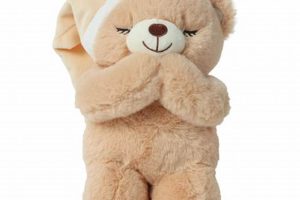
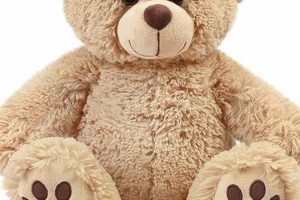
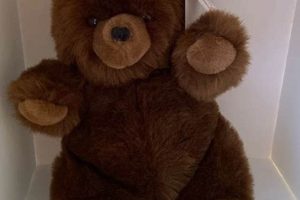
High-end plush toys often represent more than just playthings. These meticulously crafted collectibles can be made from premium materials like mohair, alpaca, or silk, and may feature intricate detailing, hand-stitching, and limited-edition designs. A handcrafted bear from a renowned maker, for example, might be considered a prime example.
The value of such items derives from factors beyond the materials. Historical significance, artisan skill, brand recognition, and limited availability contribute to their desirability among collectors. These plush toys can serve as investments, family heirlooms, or symbols of a special occasion. They can also offer a connection to a beloved brand or character, representing a tangible piece of nostalgia or personal history. Historically, certain manufacturers have gained prestige for their quality and craftsmanship, establishing a legacy that continues to influence the market today.
This exploration delves further into the world of high-end plush toys, examining the factors that contribute to their value, the history of prominent makers, and the motivations of collectors who appreciate these unique objects.
Tips for Acquiring and Caring for High-End Plush Collectibles
Acquiring and maintaining the quality of high-value plush toys requires careful consideration and specific practices. The following tips offer guidance for both seasoned collectors and those new to this specialized market.
Tip 1: Research the Maker: Provenance plays a vital role in determining value. Investigate the maker’s history, reputation, and the specific techniques employed in creating the plush toy. Look for established names known for quality and craftsmanship.
Tip 2: Authenticate the Item: Counterfeit items exist within the high-end collectibles market. Verify authenticity through certificates of authenticity, maker’s marks, and comparisons with established references. Consulting with reputable dealers or appraisers can provide additional assurance.
Tip 3: Assess the Condition: Condition significantly impacts value. Examine the plush toy for any signs of wear, damage, or repairs. Original condition, including tags and packaging, often commands a premium.
Tip 4: Understand the Materials: Familiarize oneself with the materials used in the construction of the plush toy. Premium materials like mohair or alpaca contribute to both value and long-term preservation.
Tip 5: Store Items Properly: Protect plush collectibles from environmental factors such as sunlight, humidity, and dust. Consider acid-free storage containers and climate-controlled environments for long-term preservation.
Tip 6: Handle with Care: Minimize handling to prevent wear and tear. When handling is necessary, support the plush toy fully and avoid pulling on limbs or accessories.
Tip 7: Clean with Caution: Cleaning methods should be appropriate for the specific materials and construction of the plush toy. Consult with a professional conservator for advice on cleaning delicate or antique items.
By following these guidelines, collectors can ensure the long-term preservation and value of their high-end plush toys, preserving these cherished objects for future generations.
This information provides a foundation for informed decision-making within the realm of high-value plush collectibles, allowing for confident navigation of this specialized market.
1. Collector's Item

The link between high-value plush toys and their status as collector’s items is fundamental. The desirability of these objects stems from factors beyond simple childhood affection. Rarity, historical significance, artistic merit, and brand recognition transform plush toys into sought-after collectibles. A limited-edition Steiff bear, for instance, becomes desirable due to its scarcity, while an antique teddy bear might hold value due to its historical context. The transformation into a collector’s item often correlates directly with an increase in monetary value, driven by demand within the collecting community.
This demand arises from various motivations. Collectors may seek to preserve history, acquire unique objects, or invest in tangible assets. The emotional connection to childhood or a specific character can also fuel the desire to own a particular plush toy. The meticulous craftsmanship and premium materials employed in creating these objects further enhance their appeal among discerning collectors. For example, a handmade bear using antique mohair and traditional techniques resonates with collectors who appreciate artistry and historical methods. This intricate interplay between tangible qualities and intangible emotional connections elevates certain plush toys to the coveted status of collector’s items.
Recognizing the “collector’s item” aspect provides a critical understanding of the market for high-value plush toys. This recognition explains the often substantial price tags associated with specific pieces and the dedication exhibited by collectors in acquiring and preserving them. Furthermore, understanding the criteria that contribute to an item’s collectibility allows for more informed decisions within the market, whether for investment, personal enjoyment, or historical preservation.
2. Investment Potential
Certain high-value plush toys possess investment potential, appreciating in value over time. This potential stems from a confluence of factors, including rarity, historical significance, condition, and provenance. Limited-edition releases from renowned makers, particularly those with historical importance or discontinued designs, often demonstrate strong appreciation. For instance, antique Steiff bears in pristine condition have achieved significant auction prices, demonstrating the potential for substantial returns. However, the market for collectible plush toys, like any investment market, carries inherent risks and requires careful research and due diligence.
Treating plush toys as investments requires a strategic approach. Collectors seeking to maximize returns should focus on acquiring authenticated pieces in excellent condition, with documented provenance whenever possible. Consulting price guides, auction records, and reputable dealers can provide valuable insights into market trends and potential investment opportunities. Diversifying a collection across different makers, eras, and character types can also mitigate risk. It’s crucial to recognize that market fluctuations exist, and not all plush toys appreciate in value. Speculative purchasing should be approached with caution, prioritizing informed decisions based on research and market analysis.
While the potential for financial gain exists within the high-value plush toy market, it’s essential to balance investment considerations with the intrinsic value and enjoyment these objects provide. The emotional connection, historical significance, and artistic merit of these collectibles contribute to their overall appeal, extending beyond purely monetary considerations. A thorough understanding of the market, combined with a passion for these unique objects, allows for informed decisions and a potentially rewarding collecting experience.
3. Luxury Materials

The use of luxury materials directly contributes to the elevated cost and perceived value of high-end plush toys. Materials like mohair, alpaca, and silk possess inherent qualities that distinguish them from common synthetics. Mohair, derived from the Angora goat, offers a unique softness, durability, and lustrous sheen. Alpaca fiber, known for its hypoallergenic properties and luxurious texture, contributes to both comfort and exclusivity. Silk, with its smooth, elegant drape and delicate shimmer, adds a touch of opulence. These materials often undergo specialized processing and dyeing techniques, further enhancing their quality and value. The selection of such premium materials reflects a commitment to craftsmanship and elevates the plush toy beyond a simple plaything.
The impact of material choice extends beyond aesthetics and tactile experience. Luxury materials often possess greater longevity and resilience compared to synthetic alternatives. Mohair, for example, resists matting and retains its shape over time. Alpaca fiber’s hypoallergenic nature makes it suitable for individuals with sensitivities. The inherent durability of these materials contributes to the long-term preservation of the plush toy, making it a potential heirloom. This inherent value distinguishes high-end plush toys from mass-produced items, justifying the higher price point and attracting discerning collectors. For instance, a Steiff bear crafted from premium mohair will likely command a higher price than a similar design made from synthetic plush.
Understanding the role of luxury materials provides key insights into the valuation and appreciation of high-end plush toys. The selection of these materials reflects a commitment to quality, craftsmanship, and longevity, contributing to the overall value and collectibility of the piece. This knowledge empowers collectors and enthusiasts to make informed decisions, appreciating the tangible and intangible qualities that distinguish these objects from mass-produced alternatives. The link between material and value underscores the significance of luxury materials in defining the “expensive teddy bear” market.
4. Artisan Craftsmanship
Artisan craftsmanship significantly contributes to the value of high-end plush toys, distinguishing them from mass-produced items. Hand-stitching, meticulous detailing, and the use of traditional techniques elevate these objects to works of art. The time and skill invested by artisans result in a level of quality and individuality rarely found in machine-made plush toys. A handmade bear, for example, might feature intricate jointing, embroidered details, and carefully sculpted facial features, demonstrating the artisan’s expertise. These handcrafted elements not only enhance the aesthetic appeal but also increase the plush toy’s value, reflecting the labor and artistry involved.
The impact of artisan craftsmanship extends beyond aesthetics. Hand-stitched seams offer greater durability and longevity compared to machine stitching. Traditional jointing techniques allow for greater posability and expressiveness. The careful selection and application of materials, often guided by generations of knowledge, contribute to the plush toy’s overall quality and resilience. These factors differentiate artisan-made plush toys from mass-produced counterparts, justifying the higher price point and attracting collectors who appreciate quality and craftsmanship. For instance, a R. John Wright bear, known for its meticulous hand-craftsmanship, commands a premium price due to the skill and artistry involved in its creation.
Recognizing the value of artisan craftsmanship is crucial for understanding the “expensive teddy bear” market. This understanding allows for informed decisions and appreciation of the unique qualities that distinguish these handcrafted treasures. The dedication to artistry, combined with premium materials and traditional techniques, results in enduring pieces that transcend mere playthings, becoming cherished collectibles and potential heirlooms.
5. Limited Editions
Limited edition releases constitute a significant factor influencing the value and desirability of high-end plush toys. Scarcity, inherent in the limited edition concept, drives demand among collectors. A plush toy produced in a restricted quantity, often numbered and accompanied by a certificate of authenticity, gains perceived value due to its exclusivity. This scarcity principle operates on the premise that limited availability increases desirability, driving prices upward. A Steiff bear released in a limited edition of 1,500 pieces worldwide, for example, will likely command a higher price than a Steiff bear produced in open-ended quantities.
The practice of releasing limited editions often intertwines with other factors contributing to a plush toy’s value. Limited editions frequently coincide with special occasions, anniversaries, or collaborations with artists and designers. These associations further enhance the collectible nature of the item, appealing to specific segments of the collecting community. A limited edition bear commemorating a historical event or featuring a design by a renowned artist gains added value due to its unique attributes. This confluence of limited availability and special significance contributes to the desirability and potential appreciation of the item over time.
Understanding the impact of limited editions provides crucial insights into the “expensive teddy bear” market. Recognizing the interplay between scarcity, desirability, and market value allows for informed collecting decisions. Furthermore, understanding the specific factors contributing to a limited edition’s value, such as historical significance or artistic collaboration, enables collectors to appreciate the nuances of the market and make strategic acquisitions. Limited editions offer a unique combination of exclusivity and collectibility, often representing the pinnacle of the high-end plush toy market.
6. Historical Significance
Historical significance plays a crucial role in determining the value and collectibility of high-end plush toys. A bear’s connection to a specific era, manufacturer, or historical event imbues it with a value that transcends mere material worth. This connection transforms the object into a tangible piece of history, attracting collectors and enthusiasts who appreciate the historical narrative embedded within these cherished items. Understanding the various facets of historical significance provides essential context for navigating the market and appreciating the unique stories these objects represent.
- Early Manufacturers and Designs
Bears produced by early manufacturers like Steiff, Ideal, and Schuco hold significant historical value. These companies pioneered the development of the teddy bear as we know it, establishing design conventions and manufacturing techniques that continue to influence the market today. Early Steiff bears, for example, with their distinctive button-in-ear, represent iconic pieces of toy history, commanding premium prices due to their age, rarity, and connection to a pioneering manufacturer. Their designs often reflect the stylistic trends of their respective eras, providing insights into historical aesthetics and manufacturing practices.
- Association with Historical Events
Plush toys associated with specific historical events or periods gain value due to their connection to a particular moment in time. Bears produced during wartime, for example, might feature patriotic designs or materials reflecting the resource constraints of the era. These items serve as tangible reminders of historical events, offering insights into the social and cultural context of their time. A teddy bear found in the belongings of a historical figure could also acquire significant value due to its provenance and connection to a noteworthy individual.
- Evolution of Materials and Techniques
The evolution of materials and manufacturing techniques contributes to the historical narrative of plush toys. Early bears, often made from mohair or other natural fibers, showcase the craftsmanship and materials available at the time. The transition to synthetic materials, the development of new jointing mechanisms, and the evolution of design aesthetics reflect the technological and stylistic changes over time. Examining the materials and construction of a bear can provide insights into its historical context and the manufacturing processes employed during its creation.
- Cultural Impact and Representation
Plush toys can reflect cultural trends and societal values of their respective eras. Character-based bears, for instance, provide insights into popular culture and entertainment. The portrayal of bears in literature, film, and advertising also influences their design and perceived value. The cultural impact of a specific bear, its representation in media, and its reflection of societal values contribute to its historical significance and collectibility. For example, Winnie-the-Pooh’s enduring popularity has significantly impacted the value of related plush toys, solidifying their place in cultural history.
These interconnected facets of historical significance demonstrate how certain plush toys transcend their identity as mere playthings. They become historical artifacts, cultural touchstones, and valuable collectibles, reflecting the passage of time, the evolution of manufacturing techniques, and the enduring appeal of these cherished objects. Appreciating the historical significance of a plush toy adds another layer of enjoyment and understanding to the collecting experience, enriching the connection between collector and collectible. The historical narrative embedded within these objects enhances their value, making them prized possessions for collectors and enthusiasts alike.
7. Brand Recognition
Brand recognition plays a significant role in the valuation and desirability of high-end plush toys. Established brands, often with a long history of quality and craftsmanship, command premium prices. This association between brand and value stems from factors such as reputation, limited production, use of premium materials, and historical significance. Brand recognition acts as a shorthand for quality and collectibility, influencing purchasing decisions and contributing to the overall market value of plush toys. The following facets explore the components, examples, and implications of brand recognition within the “expensive teddy bear” market.
- Established Makers
Certain manufacturers, such as Steiff, Hermann, and R. John Wright, have cultivated a reputation for excellence over decades, even centuries. Their names evoke a sense of quality, craftsmanship, and historical significance. Steiff, for example, with its iconic “button-in-ear” trademark, enjoys widespread recognition among collectors and enthusiasts, contributing to the high value of its plush toys. These established brands often maintain strict quality control standards and utilize premium materials, further solidifying their reputation and influencing market prices.
- Limited Production and Exclusivity
Many high-end brands employ limited production runs, creating a sense of exclusivity and scarcity. This strategy contributes to increased demand and higher prices. Limited edition releases from renowned makers, often numbered and accompanied by certificates of authenticity, become sought-after collector’s items. The combination of brand recognition and limited availability strengthens the perceived value and desirability of these plush toys. Brands like Charlie Bears, known for their limited edition releases, benefit from this strategy, attracting collectors who appreciate rarity and exclusivity.
- Historical Significance and Legacy
Brand recognition often intertwines with historical significance. Brands with a long history, particularly those that have played a pivotal role in the evolution of the teddy bear, gain value from their legacy and contribution to the industry. Steiff, for instance, benefits from its historical association with the creation of the first teddy bear. This historical context adds a layer of significance to the brand and its products, influencing collector interest and market values. Antique bears from established makers often command premium prices due to their age, rarity, and historical connection to the brand.
- Marketing and Brand Storytelling
Effective marketing and brand storytelling contribute to brand recognition and perceived value. Brands that cultivate a strong narrative around their products, emphasizing craftsmanship, history, and exclusivity, create a sense of desirability and emotional connection with consumers. This brand storytelling enhances the perceived value of the plush toy, justifying the higher price point and attracting collectors who resonate with the brand’s message. Companies like Vermont Teddy Bear, known for their personalized and occasion-specific bears, utilize storytelling to connect with consumers on an emotional level, strengthening brand loyalty and contributing to market success.
These facets demonstrate the multifaceted nature of brand recognition and its impact on the “expensive teddy bear” market. Established makers with a history of quality, combined with limited production, historical significance, and effective marketing, create a powerful combination that drives demand and elevates prices. Brand recognition serves as a guarantee of quality and collectibility, attracting discerning collectors and enthusiasts willing to invest in these cherished objects. Understanding the influence of brand recognition provides essential insights for navigating the high-end plush toy market and appreciating the factors that contribute to their value.
Frequently Asked Questions
This section addresses common inquiries regarding high-value plush toys, providing clarity on factors influencing cost, collectibility, and market dynamics.
Question 1: What factors contribute to the high cost of certain plush toys?
Several factors contribute to elevated prices, including the use of premium materials like mohair or alpaca, intricate hand-craftsmanship, limited production runs, historical significance, and brand recognition. A combination of these factors can significantly impact a plush toy’s market value.
Question 2: Are expensive plush toys a good investment?
Certain plush toys demonstrate investment potential, particularly limited editions from renowned makers or those with historical significance. However, market fluctuations exist, and thorough research is crucial before considering plush toys as investments. Not all plush toys appreciate in value.
Question 3: How can one authenticate a high-value plush toy?
Authentication relies on several factors, including maker’s marks, certificates of authenticity, and provenance. Consulting with reputable dealers or appraisers specializing in collectible plush toys can provide expert authentication services.
Question 4: What is the best way to care for and preserve a valuable plush toy?
Proper storage in a climate-controlled environment, away from direct sunlight and humidity, is essential. Minimizing handling and consulting with professional conservators for cleaning advice are also recommended for preserving the plush toy’s condition.
Question 5: Where can one purchase high-end plush collectibles?
Reputable auction houses, specialized dealers, and online marketplaces offer avenues for acquiring high-end plush toys. Thorough research and authentication are crucial before making any purchase.
Question 6: How can one determine the current market value of a plush toy?
Consulting recent auction records, price guides, and reputable appraisers can provide insights into current market values. Factors such as condition, rarity, and provenance significantly influence valuation.
Understanding these factors provides a foundation for informed decision-making within the high-value plush toy market, enabling confident navigation of this specialized field. Due diligence and thorough research remain paramount for successful collecting and investment.
This FAQ section provides a starting point for further exploration of the high-value plush toy market. The provided information assists collectors and enthusiasts in making informed decisions, appreciating the nuances of this specialized field, and navigating the market with confidence.
Expensive Teddy Bear
This exploration has delved into the multifaceted realm of high-value plush toys, examining the factors that contribute to their elevated cost and desirability. From the utilization of luxury materials and artisan craftsmanship to the influence of brand recognition, limited editions, and historical significance, the market for these cherished objects reflects a complex interplay of tangible and intangible qualities. The investment potential of certain plush toys, coupled with their status as collector’s items, further underscores their significance within a specialized market driven by passion, historical appreciation, and the pursuit of unique, handcrafted objects.
The enduring appeal of high-value plush toys extends beyond mere childhood nostalgia. These objects represent a convergence of artistry, history, and investment potential, captivating collectors and enthusiasts alike. As the market continues to evolve, driven by evolving collector preferences and emerging artists, the appreciation for these meticulously crafted treasures is likely to endure, solidifying their position as cherished collectibles and tangible links to both personal and cultural history. Further research and engagement within this specialized field offer opportunities for continued discovery and deeper appreciation of the artistry, history, and market dynamics that shape the world of high-value plush toys.