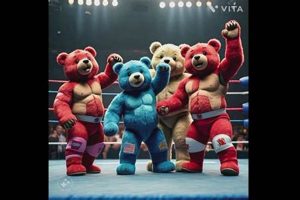
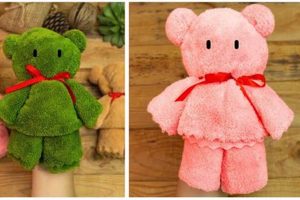
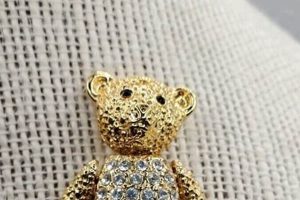
A plush toy, typically resembling a bear, often comes with interchangeable clothing accessories. These accessories can range from simple dresses and hats to elaborate costumes and uniforms, allowing for customization and imaginative play. A classic example is a brown plush bear dressed in a sailor suit or a miniature replica of a popular fictional character’s outfit.
Dressable plush toys offer significant developmental benefits for children. Changing clothes encourages fine motor skill development, fosters creativity through imaginative play scenarios, and can help children learn about different professions, cultures, and historical periods through themed outfits. Furthermore, these toys can become cherished companions, offering comfort and emotional security. Historically, the availability of clothing for plush toys has reflected broader fashion trends and cultural shifts, providing a fascinating lens through which to examine changing tastes over time.
This article will explore various aspects of these customizable playthings, covering topics such as the history of their production, popular outfit themes, the impact on child development, and collecting as a hobby.
Tips for Selecting and Caring for Dressable Plush Toys
Choosing and maintaining a plush toy with interchangeable clothing requires consideration of several factors to ensure both enjoyment and longevity.
Tip 1: Consider the intended recipient’s age. Smaller accessories pose choking hazards for younger children. Larger, simpler outfits are more suitable for toddlers.
Tip 2: Evaluate the quality of the base toy. Durable stitching and high-quality fabrics contribute to a longer lifespan. Look for features like embroidered details instead of glued-on pieces.
Tip 3: Examine the outfit construction. Well-made clothing will have secure closures, such as Velcro or snaps, that withstand repeated use. Check for reinforced seams to prevent fraying.
Tip 4: Choose outfits appropriate for the toy’s size and style. Ill-fitting clothing detracts from the overall aesthetic. Consider the toy’s character and select outfits that enhance its persona.
Tip 5: Explore themed outfit sets. These collections can spark imaginative play scenarios and provide opportunities for storytelling. Popular themes include historical periods, occupations, and holidays.
Tip 6: Implement proper cleaning techniques. Follow the manufacturer’s instructions for washing both the toy and its clothing. Air drying is often recommended to prevent damage.
Tip 7: Store outfits carefully to prevent loss or damage. Consider dedicated storage solutions, such as small containers or drawers, to keep outfits organized.
By following these guidelines, one can ensure the selection of a durable and enjoyable toy that provides lasting play value while maintaining its aesthetic appeal over time.
These practical tips offer guidance for making informed decisions when choosing and caring for dressable plush toys. The following section will explore the broader cultural significance of these beloved companions.
1. Teddy bear (plush toy)

The foundational element of “teddy bear with outfits” is the plush toy itself. A teddy bear, in its simplest form, provides a base upon which the concept of interchangeable clothing builds. Examining the core aspects of the plush toy reveals its integral role in the overall appeal and functionality of the dressed figure.
- Material and Construction
The materials and construction of the teddy bear influence the practicality of dressing it. A firmly stuffed bear with sturdy stitching provides a robust form for supporting clothing. Plush materials like mohair or synthetic fabrics offer different textures and durability, affecting the fit and longevity of outfits. For example, a loosely stuffed bear might not hold clothing as effectively as one with denser filling.
- Size and Shape
The size and shape of the teddy bear dictate the types of outfits that can be created and worn. A larger bear allows for more elaborate designs and easier manipulation of clothing items by smaller hands. The classic teddy bear shape, with its rounded body and limbs, lends itself to a wide range of clothing styles, from simple dresses to complex costumes. A smaller, more slender bear may require specifically tailored outfits.
- Facial Features and Expression
The facial features and expression of the teddy bear contribute to the overall character and the narrative potential of the dressed figure. A smiling bear might be dressed in cheerful, bright outfits, while a more serious expression might suit period costumes or uniforms. The embroidered or painted features can influence the perceived personality of the bear and guide outfit choices.
- Posability
The posability of the teddy bear enhances the interactive play experience and allows for dynamic presentation of outfits. Jointed limbs allow the bear to be posed in different positions, showcasing the clothing and creating opportunities for storytelling. A static pose may limit the display options for certain outfits.
These fundamental aspects of the teddy bear as a plush toy directly influence the effectiveness and appeal of adding outfits. The material, size, shape, features, and posability all interact with the clothing to create a complete and engaging play experience. Consideration of these factors contributes to a deeper understanding of the enduring popularity of teddy bears with outfits.
2. Outfits (clothing)
The clothing component of “teddy bear with outfits” elevates the plush toy from a simple companion to a platform for creative expression and storytelling. The availability of outfits transforms the bear into a dynamic character capable of embodying various roles, professions, and personalities. Understanding the nuances of these outfits provides insight into the broader appeal of dressable plush toys.
- Design and Aesthetics
Outfit design encompasses style, color palettes, and overall aesthetic appeal. A miniature sailor suit evokes nautical adventures, while a princess gown suggests fairytale narratives. The choice of fabrics, patterns, and embellishments contributes to the outfit’s visual impact and its ability to convey a specific theme or character. A well-designed outfit enhances the teddy bear’s personality and expands play possibilities.
- Functionality and Fit
The practicality of an outfit relates to its ease of use and how well it fits the teddy bear. Secure closures, such as Velcro or snaps, ensure the outfit stays in place during play. Properly scaled garments allow for comfortable dressing and undressing, promoting fine motor skill development in children. A poorly fitting or difficult-to-manage outfit can detract from the play experience.
- Cultural and Historical Representation
Outfits can reflect broader cultural trends and historical periods. A teddy bear dressed in traditional clothing from different cultures can introduce children to global diversity. Period costumes, such as Victorian dresses or cowboy attire, offer glimpses into historical fashion and lifestyles. These miniature garments serve as tangible representations of history and culture.
- Materials and Durability
The materials used in constructing the outfits affect their durability and longevity. High-quality fabrics and robust stitching withstand repeated handling and washing. Durable outfits contribute to the long-term value of the plush toy and its continued enjoyment. Delicate materials may require more careful handling, limiting play options.
These interconnected facets of outfit design, functionality, cultural representation, and material durability collectively contribute to the enduring appeal of teddy bears with outfits. The clothing options available for these plush toys enhance their play value, educational potential, and overall collectibility. A thoughtfully curated wardrobe expands the narrative possibilities and transforms the teddy bear into a versatile companion capable of inhabiting a myriad of roles and identities.
3. Customization

Customization lies at the heart of the appeal of teddy bears with outfits. The ability to change a bear’s appearance through clothing allows for personalized expression and imaginative play. This fundamental connection transforms the toy from a static object into a dynamic character capable of reflecting individual preferences and storytelling narratives. The act of selecting and changing outfits fosters creativity and encourages engagement with the toy on a deeper level. For example, a child might choose a firefighter outfit for their bear, reflecting an aspiration or admiration for that profession, or create a story where the bear attends a royal ball in a miniature gown.
The availability of diverse outfit options expands the customization potential. Themed sets, ranging from historical costumes to career uniforms, provide a wealth of possibilities for creating unique personas and scenarios. This variety caters to individual interests and encourages exploration of different roles and identities. Furthermore, the option to create custom-made outfits adds another layer of personalization, enabling owners to design clothing that reflects specific interests or storylines, such as a hand-knitted sweater or a miniature replica of a favorite character’s costume. This level of customization strengthens the bond between owner and toy, imbuing it with sentimental value.
The significance of customization in the context of teddy bears with outfits extends beyond mere aesthetics. It contributes to the enduring appeal of these toys by providing a platform for self-expression, imaginative play, and the development of storytelling skills. The ability to personalize a cherished companion strengthens the emotional connection and transforms the toy into a dynamic element within a child’s world. While challenges such as the cost and availability of specific outfits may arise, the inherent value of customization remains a driving force behind the enduring popularity of teddy bears with outfits.
4. Play Value
Play value represents a crucial aspect of toys, encompassing their capacity to engage, entertain, and educate. In the context of teddy bears with outfits, play value extends beyond simple companionship, offering opportunities for creative expression, storytelling, and cognitive development. The interchangeable clothing adds a dynamic layer to the play experience, transforming the static plush toy into a versatile character capable of inhabiting various roles and scenarios.
- Imaginative Play
Outfits facilitate imaginative play scenarios, allowing children to create narratives and explore different roles. A bear dressed as a doctor might attend to other toys in a makeshift clinic, while a bear in a pirate costume embarks on imaginary treasure hunts. These scenarios foster creativity, problem-solving skills, and emotional development. The act of changing outfits itself becomes part of the play, encouraging children to experiment with different identities and narratives.
- Role-Playing and Social Skills
Dressing teddy bears in various outfits encourages role-playing, allowing children to explore social interactions and relationships. A tea party with bears dressed in formal attire provides a context for practicing social etiquette and communication. Assigning roles and creating dialogues for the dressed bears fosters empathy and understanding of social dynamics, preparing children for real-world interactions. For example, children might act out scenarios involving conflict resolution or cooperation between their dressed bears.
- Cognitive Development
The process of selecting, dressing, and undressing a teddy bear enhances fine motor skills and hand-eye coordination. Choosing appropriate outfits for different scenarios encourages decision-making and critical thinking. Matching accessories and creating cohesive ensembles stimulates creativity and aesthetic awareness. These activities contribute to cognitive development by challenging children to solve problems, make choices, and express themselves creatively.
- Emotional Comfort and Security
While outfits enhance the dynamic play experience, the underlying emotional comfort provided by the teddy bear remains significant. The familiar, cuddly companion offers a sense of security and emotional support, especially during times of stress or change. Dressing the bear in different outfits can further personalize this connection, allowing children to project their emotions and experiences onto their cherished companion. For instance, a child might dress their bear in pajamas during bedtime, extending the comforting ritual to their toy.
These facets of play value demonstrate how outfits transform a teddy bear from a passive recipient of affection into an active participant in a child’s imaginative world. The ability to customize the bear’s appearance through clothing enhances engagement, fosters creativity, and contributes to cognitive and social-emotional development. The enduring appeal of teddy bears with outfits lies in this dynamic interplay between comfort, imaginative play, and personalized expression, making them valuable companions throughout childhood.
5. Collectibility

Collectibility adds another dimension to the appeal of teddy bears with outfits, transforming them from playthings into sought-after items with potential investment value. The rarity, historical significance, and condition of both the bear and its clothing contribute to their desirability among collectors. Specific manufacturers, limited-edition releases, and unique designs further enhance collectibility, creating a market driven by scarcity and historical context.
- Limited Editions and Special Releases
Limited-edition teddy bears, often produced to commemorate specific events or anniversaries, hold significant appeal for collectors. The scarcity of these releases drives demand and increases their value over time. Special collaborations with designers or artists further enhance their exclusivity and desirability. For example, a Steiff bear produced in a limited run with a designer outfit from a renowned fashion house would likely command a premium price among collectors. The certificates of authenticity and original packaging accompanying these releases contribute to their provenance and collectibility.
- Vintage and Antique Bears and Outfits
Vintage and antique teddy bears, especially those with original or historically significant outfits, represent a significant segment of the collector market. These bears offer a glimpse into past eras, reflecting historical fashion trends and manufacturing techniques. Their age, condition, and provenance contribute to their value, making them prized possessions for collectors. A well-preserved teddy bear from the early 20th century, dressed in its original hand-made outfit, could hold significant historical and monetary value.
- Designer and Artist Collaborations
Collaborations between teddy bear manufacturers and fashion designers or artists create highly collectible items. These partnerships often result in unique designs and limited-edition releases, appealing to both toy enthusiasts and art collectors. The combination of a renowned teddy bear brand with a respected designer’s aesthetic vision elevates the toy beyond its play function, transforming it into a collectible art piece. A bear designed by a famous artist and dressed in a miniature replica of one of their iconic creations would likely attract significant interest from collectors.
- Condition and Completeness
The condition of both the teddy bear and its outfits significantly impacts collectibility. Bears in pristine condition, with minimal wear and tear, retain higher value. The completeness of an outfit, including all original accessories and tags, also contributes to its desirability. Original packaging, especially for limited-edition releases, further enhances collectibility. Collectors often seek complete sets of outfits or variations within a specific theme, increasing the overall value and desirability of their collection.
These facets of collectibility demonstrate the potential for teddy bears with outfits to transcend their role as playthings and become valuable assets. The combination of historical significance, limited availability, and unique designs elevates these toys to a collectible status, attracting enthusiasts and investors alike. While play value remains important, the collectibility aspect adds a layer of investment potential and historical preservation, ensuring the enduring legacy of these cherished companions.
6. Child Development

Dressable teddy bears offer significant contributions to various facets of child development. The act of manipulating small clothing items and fasteners fosters fine motor skill development, crucial for tasks like writing and dressing oneself. Successfully buttoning a tiny shirt or tying a miniature ribbon strengthens dexterity and hand-eye coordination. For example, a child struggling with shoe-tying might practice the skill on their bear’s shoes, building confidence and translating the learned skill to real-life application.
Furthermore, imaginative play with dressed teddy bears stimulates cognitive and social-emotional growth. Creating narratives and assigning roles to the bears cultivates creativity, language skills, and emotional intelligence. A child might create a scenario where their bear, dressed as a chef, prepares a meal for other toys, narrating the process and developing vocabulary related to cooking and social interaction. This type of play encourages problem-solving, as children navigate imaginary situations and devise solutions. The ability to project emotions onto the bear and explore different social dynamics through role-playing promotes empathy and understanding of interpersonal relationships. For instance, a child might comfort their bear after a pretend fall, practicing nurturing behaviors and emotional regulation. These imaginative play scenarios also provide a safe space to explore complex emotions and experiences, contributing to emotional resilience.
The developmental benefits extend beyond individual play. Sharing dressed teddy bears and engaging in collaborative storytelling with peers fosters social interaction and communication skills. Children learn to negotiate roles, share ideas, and resolve conflicts, strengthening their social competence. Challenges may arise, such as disagreements over storylines or possession of specific outfits, but these situations provide valuable opportunities for learning conflict resolution and compromise. Ultimately, the interactive nature of play with dressable teddy bears contributes significantly to a child’s holistic development, fostering essential skills across cognitive, social-emotional, and physical domains.
7. Historical Context

Examining the historical context of teddy bears with outfits provides valuable insights into evolving social trends, fashion, and childhood itself. The emergence of the teddy bear in the early 20th century coincided with a growing recognition of the importance of play in child development. Early examples of bear clothing often reflected contemporary fashion, mirroring adult attire and providing a miniature representation of societal norms. For example, teddy bears dressed in sailor suits or flapper dresses mirrored popular styles of the 1920s, offering a glimpse into the prevailing aesthetics of the time. This connection between bear outfits and contemporary fashion underscores the toy’s role as a reflection of broader cultural trends.
Furthermore, the availability and style of teddy bear outfits have evolved alongside societal changes. Post-World War II, mass production made clothing for plush toys more accessible, leading to a proliferation of diverse outfits reflecting expanding career options and leisure activities. The rise of popular culture also influenced outfit design, with characters from books, films, and television shows inspiring themed costumes for teddy bears. For instance, the popularity of space exploration in the 1960s led to the creation of astronaut outfits for teddy bears, reflecting the societal fascination with scientific advancement. The evolution of materials and manufacturing techniques also played a role, with synthetic fabrics and improved production methods enabling more complex and detailed outfit designs.
Understanding the historical context of teddy bears with outfits provides a unique perspective on changing social values, technological advancements, and the evolving nature of childhood. Analyzing these miniature garments offers valuable insights into broader historical narratives and the enduring appeal of these cherished companions. While challenges exist in preserving fragile historical examples and accurately dating specific outfits, the study of these artifacts provides a tangible connection to the past and enhances our understanding of the cultural significance of these seemingly simple toys.
Frequently Asked Questions
This section addresses common inquiries regarding teddy bears with outfits, providing concise and informative responses.
Question 1: What are the primary factors affecting the value of a collectible teddy bear with outfits?
Key factors include the bear’s manufacturer, age, condition, rarity, and the presence of original outfits and accessories. Limited-edition releases and collaborations with notable designers or artists also significantly influence value.
Question 2: How should vintage teddy bear outfits be cleaned and preserved?
Gentle hand-washing with mild detergent is often recommended for delicate vintage fabrics. Air drying is preferable to prevent shrinkage or damage. Consult a textile preservation specialist for guidance on cleaning particularly fragile or valuable items. Proper storage, away from direct sunlight and humidity, is crucial for long-term preservation.
Question 3: What are the key considerations when selecting outfits for a child’s teddy bear?
Safety is paramount. Avoid small buttons, beads, or other detachable parts that could pose choking hazards for younger children. Durability and ease of cleaning are also important factors. Consider the child’s interests and preferences when selecting outfit themes.
Question 4: Where can one find outfits for non-standard-sized teddy bears?
Online marketplaces, craft fairs, and independent artisans often offer custom-made outfits for teddy bears of varying sizes. Some teddy bear manufacturers also provide made-to-order clothing options for their specific models.
Question 5: Are there specific outfit themes that hold particular historical significance?
Military uniforms, representing specific historical periods or conflicts, often hold historical value. Vintage nurse or doctor outfits can reflect advancements in medical care. Period clothing, such as Victorian dresses or flapper attire, provides insights into fashion trends of bygone eras.
Question 6: How can one distinguish between an original vintage teddy bear outfit and a reproduction?
Careful examination of materials, construction techniques, and labeling can help differentiate between originals and reproductions. Consulting with experienced collectors or teddy bear experts can provide valuable insights and authentication assistance.
Understanding these key aspects contributes to informed decisions regarding the selection, care, and appreciation of teddy bears with outfits.
The subsequent sections will delve further into specific areas of interest related to this topic.
Conclusion
This exploration of teddy bears with outfits has traversed a multifaceted landscape, encompassing historical context, developmental significance, and the nuances of collectibility. From their emergence as reflections of societal trends to their role as catalysts for imaginative play, these seemingly simple objects hold a complex position within both childhood and broader cultural narratives. The examination of material construction, design aesthetics, and the interplay between toy and garment has illuminated the enduring appeal of these customizable companions. Furthermore, the discussion of preservation techniques and market dynamics underscores the potential for these items to transcend their play function and become valuable collectibles, preserving glimpses into past eras and personal histories.
The enduring presence of teddy bears with outfits serves as a testament to the power of imaginative play and the enduring human need for comfort and connection. Further research into the evolving design trends, manufacturing processes, and cultural interpretations of these objects promises to yield richer insights into their significance within the tapestry of human experience. The preservation and appreciation of these artifacts offer a tangible link to the past, reminding us of the enduring power of play and the importance of cherishing objects that hold personal and cultural meaning.