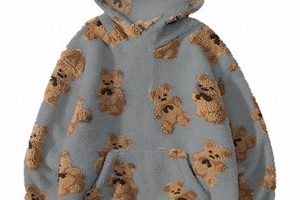
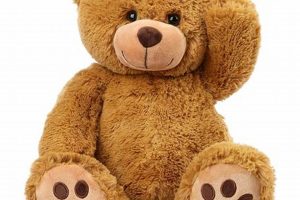
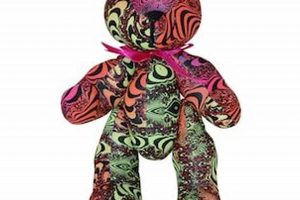
A high-quality plush toy, often larger and made with superior materials than standard versions, represents a specific product category within the broader toy market. These toys may feature detailed craftsmanship, premium fabrics like mohair or alpaca, and articulate joints. An example would be a limited-edition collectible bear made with hand-stitched detailing and dressed in miniature designer clothing.
Such toys can hold significant value, both sentimental and monetary. They often serve as cherished childhood companions, treasured family heirlooms, or sought-after collector’s items. The historical context of plush toys dates back to the late 19th and early 20th centuries, evolving from simple playthings to sophisticated objects of artistry and investment. The demand for these premium products reflects a desire for enduring quality and craftsmanship.
This exploration will delve further into the specifics of high-end plush toy manufacturing, market trends, and the factors driving their desirability. Subsequent sections will examine material sourcing, design processes, and the role of limited-edition releases in shaping the market.
Caring for Premium Plush Toys
Preserving the condition of high-quality plush toys requires specific care practices. These guidelines ensure long-term enjoyment and value retention.
Tip 1: Surface Cleaning: Regular dusting with a soft brush or lint roller prevents dirt buildup. For delicate fabrics, a low-suction vacuum cleaner with an upholstery attachment can be used.
Tip 2: Stain Removal: Spot cleaning with a damp cloth and mild detergent is recommended for minor stains. Always test in an inconspicuous area first. Avoid harsh chemicals or excessive rubbing.
Tip 3: Storage: Store in a cool, dry, and dark environment to prevent fading and deterioration. Acid-free tissue paper helps maintain shape and absorbs moisture. Avoid direct sunlight and extreme temperatures.
Tip 4: Handling: Gentle handling minimizes wear and tear. Avoid pulling on limbs or accessories. For antique or delicate items, handling should be minimized.
Tip 5: Professional Cleaning: For valuable or antique plush toys, professional cleaning by a textile conservator is recommended. This ensures appropriate techniques and materials are used.
Tip 6: Display: When displaying, choose a stable and secure location away from direct sunlight, heat sources, and high-traffic areas. Rotating displays minimizes prolonged exposure to light.
Proper care significantly extends the lifespan and preserves the value of these cherished items. These practices safeguard both the physical integrity and sentimental significance of high-quality plush toys.
By understanding these care guidelines, collectors and owners can ensure these treasured items remain in optimal condition for generations to come.
1. High-quality Materials

The use of high-quality materials is integral to the concept of a “supreme teddy bear,” directly influencing its value, longevity, and overall appeal. Material selection distinguishes a premium plush toy from mass-produced alternatives. Superior materials offer enhanced durability, softness, and a luxurious tactile experience. For instance, mohair, prized for its silk-like texture and durability, contributes to a plush toy’s heirloom quality. Alpaca fiber, known for its hypoallergenic properties and softness, provides a luxurious feel. The utilization of these premium materials elevates the perceived value and desirability of the final product.
The selection of high-quality materials extends beyond the outer fabric. Internal stuffing materials also play a crucial role. Traditionally, premium plush toys utilized wood wool or excelsior, offering superior weight, shape retention, and a unique tactile experience compared to synthetic fillings. Modern variations might incorporate organic cotton or other natural fibers, catering to ethical and environmental considerations. Thread choice also contributes to the overall quality. Strong, durable threads, often made of linen or silk, ensure seams withstand the test of time and contribute to the structural integrity of the toy.
The connection between material quality and perceived value is undeniable. Discerning collectors and consumers recognize the inherent value in premium materials. These materials not only enhance the aesthetic and tactile qualities of the plush toy but also contribute to its longevity, making it a potential heirloom piece. The investment in high-quality materials reflects a commitment to craftsmanship and enduring quality, solidifying the “supreme teddy bear” as a premium product within the plush toy market. Understanding this connection is crucial for both manufacturers and consumers seeking exceptional quality and long-term value in a plush toy.
2. Exquisite Craftsmanship

Exquisite craftsmanship stands as a cornerstone of the “supreme teddy bear” concept, differentiating it from mass-produced toys. The meticulous attention to detail and adherence to traditional techniques elevate these objects to works of art. This craftsmanship directly impacts the toy’s perceived value, durability, and overall aesthetic appeal.
- Hand-Stitching:
Hand-stitching, a hallmark of traditional toy making, exemplifies meticulous craftsmanship. This labor-intensive process allows for greater precision and control over seam placement and tension, resulting in stronger, more refined seams. Hand-stitched details, such as facial features and paw pads, imbue the toy with character and personality, showcasing the artisan’s skill. This contrasts sharply with machine-stitched seams, which often lack the same level of refinement and durability.
- Joint Articulation:
The inclusion of articulated joints, carefully designed and implemented, enhances the toy’s poseability and interactive potential. Traditional methods often involve the use of cotter pins and discs, allowing for smooth and durable movement. This attention to detail transforms the toy from a static object into a dynamic companion, capable of expressing a range of poses and personalities. The complexity and precision of joint articulation demonstrate the craftsman’s commitment to quality and functionality.
- Material Selection and Application:
Exquisite craftsmanship extends beyond construction techniques to encompass the selection and application of materials. Carefully chosen fabrics, like mohair or alpaca, are skillfully applied to enhance the toy’s aesthetic appeal and tactile experience. Pattern matching and seam placement demonstrate attention to detail, while the skillful use of embroidery or appliqu adds intricate embellishments. The considered application of these materials contributes to the overall impression of quality and artistry.
- Finishing Touches:
The finishing touches, often subtle yet impactful, distinguish a truly handcrafted toy. These might include hand-painted details, carefully applied accessories, or the addition of a personalized tag or certificate of authenticity. These final flourishes demonstrate a dedication to quality and attention to detail that elevates the toy beyond a simple plaything. These nuanced details contribute significantly to the perceived value and collectibility of the piece.
These facets of exquisite craftsmanship, when combined, contribute to the enduring appeal and value of a “supreme teddy bear.” The meticulous attention to detail, the skillful application of traditional techniques, and the considered selection of materials result in a unique and cherished object, representing not just a toy but a testament to artistry and craftsmanship. This dedication to quality distinguishes these pieces from mass-produced items, solidifying their status as treasured collectibles and potential heirlooms.
3. Collectibility and Rarity

Collectibility and rarity significantly contribute to the allure and value of a “supreme teddy bear.” Limited production runs, special editions, and collaborations with renowned artists create an aura of exclusivity, driving demand among discerning collectors. These factors transform the plush toy from a simple plaything into a sought-after collectible, often appreciating in value over time. The scarcity of these items, coupled with their inherent quality and craftsmanship, fuels a collector’s market where provenance and authenticity play crucial roles.
Several factors contribute to a “supreme teddy bear’s” collectibility. Limited edition releases, often numbered and accompanied by certificates of authenticity, create a sense of scarcity and exclusivity. Collaborations with renowned artists or designers introduce unique artistic elements, further enhancing desirability. Historic significance, such as association with a particular era or manufacturer, can also elevate a toy’s collectibility. For example, Steiff bears, particularly early examples or limited editions, are highly sought after by collectors due to their historical significance and reputation for quality. Similarly, teddy bears associated with specific cultural events or historical figures can command premium prices. Understanding these drivers of collectibility provides valuable insights into the market dynamics and investment potential of these unique items.
The interplay between collectibility, rarity, and market value is complex and dynamic. Condition plays a crucial role, with pristine, well-preserved examples commanding higher prices. Provenance, documented ownership history, adds another layer of value, particularly for historically significant pieces. Market trends and collector preferences also influence desirability, contributing to fluctuations in value. The careful assessment of these factors, coupled with knowledge of market dynamics, is essential for both collectors and investors seeking to navigate the “supreme teddy bear” market effectively. Ultimately, the combination of exquisite craftsmanship, high-quality materials, and carefully cultivated rarity elevates these objects beyond mere toys, transforming them into cherished collectibles and potential investment pieces.
4. Enduring Design

Enduring design constitutes a critical element of the “supreme teddy bear” concept. It represents a timeless aesthetic that transcends fleeting trends, ensuring sustained appeal across generations. This enduring quality stems from a combination of classic proportions, carefully considered features, and an adherence to traditional design principles. Such designs often evoke a sense of nostalgia and comfort, contributing to the emotional connection individuals form with these objects. The enduring design distinguishes a truly “supreme” example from novelty or trendy plush toys, which may quickly fall out of favor. Classic teddy bear designs, such as those inspired by early 20th-century archetypes, exemplify this principle. Their simple yet expressive forms continue to resonate with collectors and enthusiasts decades later. The Steiff “PB55” bear, with its iconic humpback and endearing expression, serves as a prime example of enduring design. Its appeal has remained consistent since its introduction in the early 1900s, demonstrating the power of timeless aesthetics.
The impact of enduring design extends beyond mere aesthetics. It contributes significantly to a “supreme teddy bear’s” collectibility and potential investment value. Toys featuring classic designs often hold their value over time, particularly if they are well-preserved or represent historically significant examples. The enduring appeal of these designs ensures continued demand among collectors, driving value in the secondary market. Moreover, enduring design contributes to the emotional connection individuals develop with these objects. A classic teddy bear can evoke cherished childhood memories, fostering a sense of comfort and nostalgia that transcends generations. This emotional resonance further enhances the perceived value and desirability of these items, solidifying their position as treasured heirlooms. Consider the enduring popularity of Winnie-the-Pooh merchandise, which continues to captivate audiences despite decades since its initial introduction. The enduring design of the character, rooted in classic teddy bear archetypes, plays a significant role in its continued appeal.
In summary, enduring design serves as a crucial component of the “supreme teddy bear” concept. It contributes to the toy’s aesthetic appeal, collectibility, and enduring emotional resonance. By understanding the principles of enduring design, collectors and enthusiasts can better appreciate the factors that distinguish a truly “supreme” example from its more transient counterparts. This understanding also provides insights into the market dynamics and investment potential of these cherished objects. The combination of timeless aesthetics, high-quality craftsmanship, and carefully chosen materials ensures the continued desirability of “supreme teddy bears” for generations to come.
5. Investment Potential

The investment potential of a “supreme teddy bear” represents a significant aspect of its overall value proposition. While primarily cherished for their sentimental value, certain high-quality plush toys can appreciate significantly over time, transforming them into valuable assets. Understanding the factors that contribute to this investment potential is crucial for collectors and investors seeking to navigate this specialized market.
- Rarity and Limited Editions:
Rarity plays a pivotal role in determining a collectible’s investment potential. Limited edition releases, often numbered and accompanied by certificates of authenticity, create scarcity. This scarcity, coupled with high demand, can drive prices upwards, particularly for sought-after editions or collaborations with renowned artists. The Steiff limited edition Diamond Jubilee Bear, released in 2012 to commemorate Queen Elizabeth II’s Diamond Jubilee, exemplifies this principle. Its limited production run and association with a significant historical event contributed to its high market value.
- Historical Significance and Provenance:
Historical significance and documented provenance can significantly enhance a “supreme teddy bear’s” investment potential. Toys associated with specific historical events, prominent figures, or renowned manufacturers often command premium prices. Early Steiff bears, particularly those with documented provenance, exemplify this. Their historical significance within the plush toy industry, combined with their rarity, contributes to their high value among collectors. Similarly, teddy bears owned by celebrities or historical figures can acquire significant value due to their provenance.
- Condition and Preservation:
Condition plays a critical role in determining a collectible’s market value. “Supreme teddy bears” in pristine condition, free from damage or excessive wear, command higher prices than those exhibiting signs of deterioration. Proper storage and meticulous care are essential for preserving a toy’s condition and maximizing its investment potential. For example, a first-edition Steiff bear in mint condition, with original tags and packaging, will likely hold significantly greater value than a similar bear showing signs of wear or damage.
- Market Trends and Collector Demand:
Market trends and collector demand influence the investment potential of “supreme teddy bears.” Fluctuations in demand, driven by factors such as changing collector preferences, economic conditions, or media attention, can impact market prices. Staying informed about market trends and collector preferences is crucial for making informed investment decisions. For example, a renewed interest in vintage toys might drive up the value of antique teddy bears, while a decline in collector interest could lead to decreased market values.
These interconnected factors contribute to the overall investment potential of “supreme teddy bears.” Understanding these dynamics allows collectors and investors to appreciate the nuances of this specialized market. While the primary motivation for acquiring these items often stems from sentimental value or a passion for collecting, recognizing their investment potential adds another dimension to their appeal. By carefully considering factors like rarity, historical significance, condition, and market trends, collectors can make informed decisions that balance their passion for these cherished objects with the potential for long-term value appreciation.
Frequently Asked Questions
This section addresses common inquiries regarding high-quality plush toys, offering clarity on topics ranging from valuation to preservation.
Question 1: How is the value of a premium plush toy determined?
Value is determined by a confluence of factors, including rarity, condition, provenance, maker, materials, and current market demand. Limited editions, historical significance, and pristine condition typically command higher valuations.
Question 2: What distinguishes a premium plush toy from a standard one?
Key distinctions include superior materials (e.g., mohair, alpaca), meticulous craftsmanship (e.g., hand-stitching, articulated joints), limited production runs, and often, historical or artistic significance.
Question 3: How should a premium plush toy be cleaned and maintained?
Regular dusting and gentle spot cleaning are recommended. Avoid harsh chemicals and excessive moisture. Consulting a textile conservator is advisable for valuable or antique items.
Question 4: Are premium plush toys a good investment?
While not guaranteed, certain premium plush toys can appreciate in value over time, particularly rare or historically significant examples. Market trends and collector demand influence investment potential.
Question 5: Where can premium plush toys be purchased?
Reputable auction houses, specialized dealers, and online marketplaces offer avenues for acquisition. Thorough research and authentication are crucial before purchase.
Question 6: How can the authenticity of a premium plush toy be verified?
Certificates of authenticity, maker’s marks, and documented provenance contribute to verifying authenticity. Consulting with reputable experts or appraisers is advisable for valuable or antique items.
Careful consideration of these points empowers informed decisions regarding the acquisition, care, and valuation of high-quality plush toys.
The subsequent section will delve into specific examples of highly sought-after plush toys, illustrating the principles discussed herein.
Supreme Teddy Bear
This exploration has delved into the multifaceted nature of the “supreme teddy bear,” examining the factors that distinguish these objects from standard plush toys. Material quality, craftsmanship, collectibility, enduring design, and investment potential contribute to their elevated status. The analysis highlighted the importance of premium materials like mohair and alpaca, the significance of meticulous hand-craftsmanship, and the impact of limited production runs on market value. The enduring appeal of classic designs and the potential for long-term value appreciation were also underscored.
The “supreme teddy bear” represents more than a mere plaything; it embodies artistry, craftsmanship, and enduring value. Careful consideration of the factors discussed herein empowers informed decisions regarding acquisition, care, and appreciation of these cherished objects. The market for high-quality plush toys continues to evolve, driven by collector demand and evolving artistic trends. Further research and engagement within this specialized market offer opportunities for continued discovery and appreciation of the “supreme teddy bear’s” unique qualities.