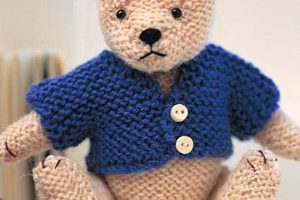
Chairs constructed with a soft, plush fabric reminiscent of teddy bears offer a unique combination of comfort and visual appeal. These fabrics, often composed of polyester or other synthetic fibers, mimic the texture and appearance of traditional plush toys. An example would be a child’s armchair covered in a shaggy, brown synthetic material.
The appeal of such furniture lies in its inherent coziness and inviting nature. The soft texture provides a comfortable seating experience, while the familiar, playful aesthetic can contribute to a relaxed and welcoming atmosphere. Historically, furniture designed for children frequently incorporated plush materials to enhance comfort and appeal, a trend that continues in contemporary design with variations catering to broader audiences. This style can evoke feelings of nostalgia and comfort, making it a popular choice for nurseries, children’s bedrooms, or even more eclectic living spaces.
This article will further explore the various aspects of chairs utilizing this type of upholstery, including manufacturing processes, design variations, care instructions, and their growing popularity in interior design.
Care and Selection Tips for Plush Fabric Chairs
Maintaining the appearance and comfort of plush fabric chairs requires specific care and attention. Selecting the right chair for individual needs also involves consideration of various factors.
Tip 1: Regular Vacuuming: Frequent vacuuming with an upholstery attachment is crucial for preventing dust and debris from becoming embedded within the fibers. This helps maintain the chair’s appearance and prolongs its lifespan.
Tip 2: Spot Cleaning: Address spills and stains promptly using a mild detergent and a damp cloth. Blot gently; avoid rubbing, as this can damage the fabric. Always test cleaning solutions on an inconspicuous area first.
Tip 3: Professional Cleaning: Periodic professional cleaning is recommended, especially for deeper stains or heavily soiled areas. Consult a professional upholstery cleaner specializing in delicate fabrics.
Tip 4: Sun Protection: Avoid placing plush fabric chairs in direct sunlight, as prolonged exposure can cause fading and discoloration. Utilize window coverings or strategically position the furniture to minimize sun exposure.
Tip 5: Consider Usage: When selecting a chair, consider its intended use. High-traffic areas may require a more durable fabric and construction than less frequently used spaces.
Tip 6: Assess Fabric Quality: Evaluate the fabric’s density and pile height. A denser, higher pile will generally be more luxurious and durable.
Tip 7: Check Frame Construction: Ensure the chair’s frame is sturdy and well-constructed to provide adequate support and longevity.
Following these guidelines ensures the longevity and continued enjoyment of plush fabric chairs. Proper care and informed selection contribute to a comfortable and aesthetically pleasing addition to any living space.
By understanding the nuances of care and selection, one can make informed decisions that lead to a satisfying and long-lasting furniture investment.
1. Comfort
Comfort forms a central aspect of the appeal of chairs upholstered in teddy-like material. This comfort derives from several factors inherent in the material itself. The soft, plush texture provides a cushioning effect, conforming to the body’s contours and reducing pressure points. The often-synthetic fibers trap air, creating a warm and insulating seating experience. This combination of tactile softness and thermal insulation contributes significantly to perceived comfort. For instance, a reading nook furnished with such a chair encourages relaxation and prolonged periods of comfortable sitting. Similarly, placement in a child’s bedroom provides a cozy and secure space for play or quiet time.
The density and pile height of the teddy material further influence comfort levels. A denser, higher pile typically offers greater plushness and a more luxurious feel, enhancing the overall comfort experience. However, excessively high pile can sometimes trap excessive heat, potentially leading to discomfort in warmer climates. The balance between plushness and breathability requires careful consideration during material selection. Consider a home theater setting. A plush, teddy material chair can significantly enhance the viewing experience, providing comfortable seating for extended durations. Conversely, in a brightly lit, sun-drenched room, a similar chair might prove too warm, necessitating a material with better breathability.
Comfort, in the context of teddy material chairs, extends beyond mere physical sensation. The visual and tactile appeal of the fabric contributes to a sense of psychological comfort and well-being. The familiar, often nostalgic, association with childhood toys and comfort objects can evoke feelings of security and relaxation. This psychological dimension of comfort plays a significant role in the widespread popularity of this furniture style. Selecting the appropriate teddy material and construction for a given environment allows for maximizing both physical and psychological comfort, resulting in a truly satisfying and enriching furniture experience.
2. Durability
Durability is a critical factor influencing the lifespan and overall value of a teddy material chair. This characteristic encompasses the fabric’s resistance to wear and tear, its structural integrity, and its ability to maintain its appearance over time. A durable chair withstands daily use, retaining its comfort and aesthetic appeal, thereby representing a sound investment.
- Fabric Resilience
The resilience of the teddy material, typically a synthetic polyester, determines its resistance to abrasion, pilling, and tearing. High-quality fabrics maintain their soft texture and appearance despite regular use. For example, a chair in a high-traffic family room requires a more resilient fabric than one in a guest bedroom. Resilient fabrics contribute to the chair’s longevity, ensuring it remains comfortable and visually appealing for an extended period.
- Seam Strength
The strength and integrity of the seams significantly impact the chair’s structural durability. Reinforced seams, particularly in high-stress areas like armrests and seat cushions, prevent unraveling and tearing. Well-constructed seams contribute to the chair’s overall stability, ensuring it can withstand regular use without structural failure. A child’s chair, for instance, experiences considerable stress, requiring robust seam construction to prevent premature wear.
- Frame Construction
The underlying frame provides the chair’s foundational support. A sturdy frame, constructed from solid wood or durable metal, ensures stability and longevity. A well-designed frame resists warping and breakage, contributing to the chair’s overall durability. A rocking chair, for example, requires a particularly robust frame to withstand the repetitive rocking motion. The frame’s construction directly impacts the chair’s ability to maintain its shape and functionality over time.
- Filling Quality
The quality of the filling material within the cushions influences both comfort and durability. High-density foam padding retains its shape and resilience over time, preventing sagging and flattening. Durable filling contributes to the chair’s long-term comfort and aesthetic appeal. A chair intended for daily use requires a higher-density filling than one used less frequently. The filling’s quality directly impacts the chair’s ability to maintain its supportive and comfortable structure throughout its lifespan.
By understanding these facets of durability, consumers can make informed decisions, selecting a teddy material chair that meets their specific needs and expectations. A durable chair represents a worthwhile investment, providing long-lasting comfort and aesthetic appeal.
3. Aesthetics

Aesthetics play a significant role in the appeal of teddy material chairs. The visual characteristics of these chairs contribute to their integration within various interior design schemes and evoke specific emotional responses. The interplay of color, texture, and form defines the aesthetic impact of these pieces, influencing their perceived comfort and overall appeal.
The texture of teddy material, often described as plush, soft, and inviting, contributes significantly to its aesthetic appeal. This tactile quality evokes feelings of comfort and warmth, influencing the overall perception of the chair. The visual softness of the material complements various design styles, from minimalist to maximalist, depending on the chair’s overall design and color. For example, a neutral-toned teddy material chair can seamlessly integrate into a minimalist living room, adding a touch of warmth and texture without overwhelming the space. Conversely, a brightly colored teddy material chair can serve as a statement piece in a more eclectic or bohemian setting.
Color significantly impacts the aesthetic versatility of teddy material chairs. Neutral colors like beige, cream, or gray offer a timeless appeal, readily blending with various color palettes and design styles. Brighter colors, such as pastel pink, blue, or yellow, can add a playful touch, particularly suitable for children’s rooms or more vibrant spaces. The chosen color influences the chair’s overall aesthetic impact, determining its role within the broader interior design scheme. A deep jewel-toned teddy material chair, for example, might serve as a focal point in a sophisticated living room, while a muted pastel version complements a calming nursery environment.
The chair’s form and design also contribute to its aesthetic appeal. A classic armchair silhouette upholstered in teddy material offers a traditional yet comforting aesthetic. More contemporary designs, incorporating sleek lines and geometric shapes, provide a modern interpretation of this material’s inherent coziness. The interplay between form and material creates a unique aesthetic statement, reflecting individual preferences and design sensibilities. A minimalist, low-slung teddy material chair, for example, can complement a modern loft apartment, while a more traditional wingback style suits a classic or vintage-inspired interior.
4. Maintenance
Maintaining the appearance and longevity of a teddy material chair requires consistent care. Proper maintenance practices preserve the chair’s comfort, hygiene, and aesthetic appeal, ensuring its continued enjoyment and value over time. Neglecting these practices can lead to premature wear, discoloration, and a decline in overall comfort. The following facets outline essential maintenance procedures.
- Regular Cleaning
Regular cleaning is paramount for preventing the accumulation of dust, dirt, and allergens within the teddy material’s fibers. Vacuuming with an upholstery attachment weekly removes surface debris, while more thorough cleaning, such as steam cleaning or professional upholstery cleaning, is recommended periodically, especially for heavily used chairs. For example, a chair located in a high-traffic family room requires more frequent cleaning than one in a guest room. Regular cleaning maintains the chair’s hygiene and prevents the embedding of dirt particles that can contribute to fabric wear.
- Stain Removal
Prompt stain removal is essential for preserving the chair’s appearance. Addressing spills immediately prevents them from setting into the fibers. Blot spills gently with a clean, absorbent cloth, avoiding rubbing, which can spread the stain. Mild detergent solutions can be used for more stubborn stains, but always test in an inconspicuous area first. Different stain types, such as those from food or ink, require specific cleaning approaches. Effective stain removal maintains the chair’s visual appeal and prevents long-term discoloration.
- Odor Control
Odor control is crucial for maintaining a fresh and inviting environment. Teddy material can absorb odors from pets, smoke, or spills. Regular vacuuming helps minimize odor buildup. Specialized upholstery deodorizers or baking soda can be used to neutralize lingering odors. Proper ventilation also plays a role in odor prevention. For households with pets, regular odor control measures are particularly important. Effective odor management ensures the chair remains a pleasant and comfortable seating option.
- Protection from Sunlight and Moisture
Protecting the chair from direct sunlight and excessive moisture helps preserve its color and prevent mildew growth. Positioning the chair away from windows or using window coverings minimizes sun exposure, which can cause fading. Promptly addressing spills and ensuring adequate ventilation prevents moisture buildup. In humid climates, these precautions are particularly important. Protecting the chair from these environmental factors extends its lifespan and maintains its aesthetic appeal.
Implementing these maintenance practices contributes significantly to the longevity and continued enjoyment of a teddy material chair. Consistent care preserves the chair’s comfort, appearance, and hygiene, ensuring it remains a valued piece of furniture for years to come. By understanding and addressing these maintenance needs, owners can maximize their investment and enjoy the unique comfort and aesthetic appeal of their teddy material chair.
5. Cost
Cost represents a significant factor influencing consumer decisions regarding teddy material chairs. Understanding the various cost determinants provides valuable insights for navigating the market and selecting a chair that aligns with budgetary constraints and quality expectations. Several interconnected elements contribute to the overall cost of these chairs, impacting their accessibility and perceived value.
- Material Quality
The quality of the teddy material directly impacts the chair’s cost. Higher-quality fabrics, often characterized by denser pile, superior resilience, and enhanced durability, typically command a higher price. These materials offer increased longevity and resistance to wear and tear, justifying the increased investment. Conversely, lower-quality materials may offer a more affordable initial purchase price but might compromise on durability and longevity. For instance, a chair constructed with premium, stain-resistant teddy material will likely cost more than one made with a basic, less durable fabric. The material quality significantly influences the chair’s overall cost and long-term value.
- Construction and Design
The chair’s construction and design intricately influence its cost. A chair featuring a robust frame, reinforced seams, and high-density foam padding will typically cost more than one with a simpler construction. Design complexity, such as intricate stitching, unique shapes, or added features like reclining mechanisms, also contributes to increased costs. A handcrafted, designer teddy material chair, for example, will typically command a higher price than a mass-produced, simpler design. The construction and design reflect the chair’s quality and features, directly impacting its overall cost.
- Brand and Retailer
Brand recognition and retailer markups contribute to the final cost of a teddy material chair. Established brands often command premium prices due to their reputation for quality and design. Retailer markups, reflecting operational costs and profit margins, further influence the consumer price. Purchasing directly from the manufacturer or opting for lesser-known brands can sometimes offer cost savings. A designer brand teddy material chair sold at a high-end furniture store will likely have a higher price tag than a similar chair from a lesser-known brand sold at a discount retailer. Brand recognition and retail channels play a significant role in determining the final cost.
- Size and Features
The chair’s size and incorporated features influence its overall cost. Larger chairs requiring more material and labor during manufacturing naturally incur higher costs. Additional features, such as integrated footrests, reclining mechanisms, or built-in storage compartments, also contribute to increased prices. A large, sectional teddy material sofa with a built-in recliner will typically cost more than a smaller, single-seat armchair. Size and added features directly correlate with material usage and manufacturing complexity, impacting the final cost.
Understanding these cost components empowers consumers to make informed decisions when selecting a teddy material chair. Evaluating the interplay between material quality, construction, brand, size, and features allows for selecting a chair that offers optimal value and aligns with individual budgetary considerations. A thorough cost analysis ensures a satisfying purchase that balances quality, features, and affordability.
6. Versatility

Versatility stands as a defining characteristic of the teddy material chair, contributing significantly to its widespread appeal and integration within diverse interior design schemes. This adaptability stems from the material’s inherent qualities, combined with the wide range of available designs and configurations. The soft, plush texture lends itself to both casual and more formal settings, while the variety of colors and styles allows for seamless incorporation into various aesthetic sensibilities. A neutral-toned teddy material armchair, for example, can complement a minimalist living room, while a brightly colored beanbag chair constructed from the same material provides a playful touch to a child’s bedroom. This inherent adaptability allows the teddy material chair to transcend stylistic boundaries, functioning effectively within various contexts.
The versatility of teddy material chairs extends beyond mere aesthetics. Their adaptable nature makes them suitable for a range of functionalities. A plush armchair provides comfortable seating for reading or relaxation, while a teddy material beanbag chair offers a casual and playful seating option for children and adults alike. Furthermore, the material’s durability allows for its use in high-traffic areas, while its inherent comfort makes it suitable for spaces intended for relaxation and leisure. Consider a home office setting. A teddy material chair can introduce an element of comfort and warmth, fostering a more relaxed and productive work environment. Similarly, in a shared living space, a teddy material sofa can serve as a central gathering point, providing comfortable seating for social interaction. This functional versatility contributes to the chair’s practicality and overall value.
The teddy material chair’s versatility positions it as a valuable asset within contemporary interior design. Its adaptability to various styles, functionalities, and spaces makes it a practical and aesthetically pleasing choice for diverse environments. Understanding this inherent versatility empowers consumers to explore the full potential of these chairs, integrating them seamlessly into their existing dcor or utilizing them to create unique and inviting spaces. From minimalist apartments to vibrant children’s playrooms, the teddy material chair’s adaptability ensures its relevance and appeal across a broad spectrum of interior design contexts.
Frequently Asked Questions
This section addresses common inquiries regarding chairs constructed with teddy-like materials, providing concise and informative responses to facilitate informed purchasing decisions and proper care.
Question 1: What are the primary advantages of choosing a chair made with this material?
Key advantages include exceptional comfort derived from the soft, plush texture, a welcoming aesthetic that complements various interior design styles, and the material’s inherent durability, ensuring long-term use.
Question 2: How does one effectively clean and maintain a chair upholstered in this material?
Regular vacuuming with an upholstery attachment removes surface dust and debris. Promptly addressing spills and stains with a mild detergent solution and a clean cloth prevents setting. Professional cleaning is recommended for deeper stains or periodic deep cleaning.
Question 3: Is this material suitable for individuals with allergies?
While the material itself is typically hypoallergenic, dust and other allergens can accumulate within the fibers. Regular cleaning, as described above, minimizes allergen buildup, making these chairs suitable for most individuals, even those with mild allergies. Consultation with an allergist is recommended for individuals with severe allergies.
Question 4: What is the typical lifespan of a chair upholstered with this material?
Lifespan depends on factors such as material quality, construction, usage frequency, and maintenance practices. High-quality chairs, coupled with proper care, can last for many years, often exceeding a decade of regular use. Choosing durable materials and adhering to recommended cleaning procedures contributes significantly to longevity.
Question 5: Are these chairs suitable for high-traffic areas within a home?
Suitability for high-traffic areas depends on the specific fabric’s durability and construction. Opting for a chair with a high-density pile, reinforced seams, and a sturdy frame ensures it can withstand frequent use without premature wear or structural damage. Considering the anticipated usage level informs appropriate material and construction choices.
Question 6: Where can one purchase chairs made with this unique material?
These chairs are available from various furniture retailers, both online and in physical stores. Specialty children’s furniture stores often carry a wide selection, while larger furniture retailers and online marketplaces offer a broader range of styles and price points. Comparing options across different retailers ensures selection of the best chair to meet individual needs and budget constraints.
This FAQ section offers valuable insights into the key considerations surrounding teddy material chairs. Understanding these aspects empowers informed purchasing decisions, ensuring long-term satisfaction and enjoyment of these unique and comfortable pieces of furniture.
For further information regarding specific product details, care instructions, or design considerations, consulting individual retailer resources or manufacturer specifications is recommended.
Teddy Material Chair
This exploration of teddy material chairs has provided a comprehensive overview of their key attributes, encompassing comfort, durability, aesthetics, maintenance requirements, cost considerations, and overall versatility. The material’s unique tactile qualities, combined with diverse design options, position these chairs as versatile additions to various interior settings. Understanding the nuances of material selection, construction quality, and proper care practices ensures informed purchasing decisions and long-term satisfaction.
The enduring appeal of teddy material chairs lies in their ability to seamlessly blend comfort, aesthetics, and practicality. As design trends continue to evolve, the adaptability of this material suggests its continued relevance within the ever-changing landscape of interior design. Careful consideration of individual needs and preferences, coupled with a thorough understanding of the factors discussed herein, empowers consumers to select the ideal teddy material chair to enhance their living spaces.