Discerning the provenance and authenticity of early teddy bears involves a multifaceted process of examination. This process considers factors such as manufacturers’ marks, material composition (mohair, wood wool, etc.), button and eye types, stitching techniques, and overall wear patterns. An example would be identifying a Steiff bear by its characteristic “button in ear” trademark and assessing its age based on the button’s design and the bear’s overall condition.
Accurate assessment provides crucial information regarding a bear’s historical significance, potential value, and proper care. Understanding the nuances of specific manufacturers, eras, and production methods helps preserve these treasured objects for future generations. The historical context, spanning from the early 1900s onward, adds another layer of complexity and fascination to the process, linking individual bears to specific time periods and manufacturing traditions.
This exploration will delve into the key aspects of evaluating these vintage playthings, covering topics such as prominent manufacturers, materials and construction techniques, and the telltale signs of age and authenticity. Further sections will address common pitfalls to avoid and resources available to assist in the authentication journey.
Tips for Authenticating Antique Teddy Bears
Careful observation and research are essential for accurate authentication. The following tips provide guidance for navigating the complexities of evaluating antique bears.
Tip 1: Examine the Eyes. Early teddy bears often feature glass eyes, sometimes with boot button pupils. Later examples might use plastic or celluloid. Note the material, color, and any signs of wear or replacement.
Tip 2: Analyze the Seams and Stitching. Hand-stitching is characteristic of older bears. Observe the stitch type, thread material, and overall tightness. Machine stitching often indicates a later production date.
Tip 3: Check for Manufacturer’s Marks. Look for tags, buttons, or embroidered marks. These markings can provide valuable clues about the bear’s origin and age. Research these marks thoroughly to confirm authenticity.
Tip 4: Assess the Stuffing. Early bears were typically stuffed with wood wool or excelsior. Later examples might contain kapok or other synthetic fillings. The type of stuffing can help determine the bear’s era.
Tip 5: Consider the Mohair. The quality, color, and wear of the mohair fabric offer valuable insights. Antique mohair often has a distinctive texture and sheen. Note any repairs or replacements.
Tip 6: Evaluate the Overall Condition. Wear patterns, repairs, and replacements are part of a bear’s history. While pristine condition can be desirable, signs of age and use can add to a bear’s character and value.
Tip 7: Consult Reputable Resources. Reference books, online databases, and experienced collectors can provide invaluable assistance in the authentication process. Don’t hesitate to seek expert advice.
By carefully considering these factors, one gains a deeper understanding of a bear’s history and authenticity. This careful analysis helps ensure informed decisions regarding value, preservation, and appreciation.
With a firm grasp of these key elements, the next section will explore some of the most prominent antique teddy bear manufacturers and their unique characteristics.
1. Manufacturer Marks

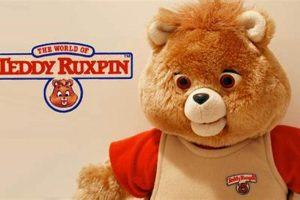
Manufacturer marks serve as crucial signposts in antique teddy bear identification. These marks, often found as tags, buttons, or embroidered symbols, directly link a bear to its maker and, consequently, its potential age, origin, and value. The presence, absence, or specific style of a mark contributes significantly to the authentication process. For example, the renowned Steiff button-in-ear, with its evolving design variations over time, offers a precise method for dating Steiff bears. Similarly, the distinctive metal button used by Ideal Toy Company on early Teddy Ruxpin toys assists in differentiating originals from later reproductions. Understanding these markings allows collectors and enthusiasts to establish a bears provenance, placing it within the broader historical narrative of teddy bear manufacturing.
Beyond simple identification of the maker, manufacturer marks offer deeper insights. Variations in tags or buttons, such as changes in font, material, or attachment method, often reflect specific production periods. Examining these nuances provides a granular level of detail, enabling researchers to pinpoint a bear’s manufacturing date within a narrower timeframe. For instance, early Steiff buttons were made of nickel-plated steel, while later versions transitioned to brass or aluminum. This material shift provides a tangible clue for dating. Additionally, the presence or absence of a trademark registration symbol on a tag can indicate the period of manufacture. This level of detail is essential for accurate appraisals and scholarly research.
Careful analysis of manufacturer marks is essential for informed collecting and preservation. Recognizing authentic marks versus reproductions or forgeries safeguards against misidentification and potential financial loss. Furthermore, understanding the evolution of these marks within a specific manufacturer’s history provides a tangible connection to the past, enriching the appreciation of these treasured objects. However, relying solely on marks can be misleading; some antique bears might lack original tags due to wear or replacement. Therefore, a comprehensive approach, combining mark analysis with other identification factors such as material composition, stitching, and overall style, is crucial for accurate and reliable authentication.
2. Material Composition
Material composition plays a vital role in antique teddy bear identification, offering crucial clues about a bear’s age, manufacturer, and overall value. Analyzing the materials used in construction provides a tangible link to specific manufacturing practices and historical periods. Different eras favored different materials, and understanding these trends is essential for accurate authentication.
- Fabric
The type of fabric used is a primary indicator. Early bears frequently feature mohair plush, a luxurious material woven from Angora goat hair. Variations in mohair quality, pile length, and color can signal different manufacturers and time periods. Later bears might utilize less expensive materials such as synthetic plush or other woven fabrics. Identifying the specific fabric type helps narrow down the potential age range and origin.
- Stuffing
Examining the stuffing provides further insights. Early bears were often stuffed with wood wool (excelsior), a readily available and affordable material. Later, kapok, a fluffy plant fiber, became popular. Synthetic fillings, such as polyester fibers, typically indicate more recent production. The stuffing material offers a tangible clue about a bear’s age and manufacturing techniques.
- Eyes
The material of the eyes contributes significantly to identification. Early bears commonly feature glass eyes, sometimes with unique characteristics like boot button pupils. Celluloid or plastic eyes typically appear in later bears. Examining the eye material, color, and construction helps determine a bear’s era and authenticity.
- Joints
Analyzing the joint mechanisms aids in pinpointing the bear’s age. Early bears might feature disc or cotter pin joints, while later bears often utilize more complex mechanisms. The materials used in the joints themselves, such as metal or plastic, also offer clues. Examining the joint construction and materials assists in placing the bear within a specific manufacturing period.
By carefully considering these material components, one gains a more comprehensive understanding of a bear’s history and authenticity. This detailed analysis, combined with other identification factors such as manufacturer marks and stitching techniques, allows for more accurate assessment and informed decision-making regarding a bear’s value, preservation, and place within the historical narrative of teddy bear manufacturing.
3. Stitching Techniques

Stitching techniques offer critical insights into antique teddy bear identification. The method of stitching employed in a bear’s construction provides valuable clues regarding its age, manufacturer, and overall quality. Hand-stitching, a hallmark of earlier bears, signifies a specific era of production and often indicates greater value compared to later machine-stitched examples. Variations in hand-stitching techniques, such as the use of back stitch, overcast stitch, or ladder stitch, can further refine identification, potentially linking a bear to a particular manufacturer or region. For example, early Steiff bears frequently exhibit meticulous hand-stitching with tightly spaced, even stitches, reflecting the company’s commitment to quality craftsmanship. Conversely, the presence of machine stitching, while sometimes found in later antique bears, generally suggests a more recent production date, particularly after the 1930s. The type of thread used, whether cotton, linen, or silk, offers additional clues. Silk thread, for instance, often denotes a higher-quality bear. Examining the seams closely reveals not only the stitching method but also the thread’s condition, color, and any signs of repair or replacement, which can further inform the authentication process.
The location and style of stitching contribute significantly to a bear’s character and identification. The way seams are joined, whether through simple straight seams or more complex gusseting, can indicate the bear’s maker and era. The presence of embroidered details, such as nose and mouth features, also offers valuable clues. Early embroidered features often exhibit a simple, hand-stitched design, while later examples might feature more intricate machine embroidery. Analyzing the density and precision of these embroidered elements helps determine the bear’s age and origin. Furthermore, the stitching used to attach limbs and other features can reveal the bear’s construction method and overall quality. Loose or uneven stitching might indicate a less skilled maker or a later repair, whereas tight, consistent stitching suggests a higher level of craftsmanship and potentially greater value.
Understanding stitching techniques provides a crucial foundation for accurate antique teddy bear identification. This knowledge, combined with analysis of other factors such as material composition and manufacturer marks, enables informed assessments of authenticity, age, and value. However, variations and exceptions exist, and relying solely on stitching for identification can be misleading. Therefore, a comprehensive approach considering all available evidence is essential for a thorough and reliable evaluation. Careful examination of stitching techniques allows collectors and enthusiasts to appreciate the craftsmanship and historical context embodied in these treasured objects, ensuring their preservation and accurate placement within the rich tapestry of teddy bear history.
4. Facial Features

Facial features constitute a significant aspect of antique teddy bear identification. The design, placement, and material of eyes, noses, and mouths offer valuable clues regarding a bear’s age, maker, and overall authenticity. Subtle variations in these features can distinguish between different manufacturers, production periods, and even specific models. For instance, early Steiff bears often possess relatively small, closely set glass eyes with pronounced boot-button pupils, while later Steiff bears might exhibit larger, more widely spaced eyes with simpler pupils. Similarly, the shape and stitching of a bear’s nose can be indicative of its origin. A long, slender, hand-stitched nose might suggest an early German manufacturer, whereas a shorter, more rounded, machine-embroidered nose could point to a later American-made bear. The material used for the nose, whether felt, embroidery, or plastic, also provides clues about the bear’s age. Plastic noses, for example, generally appear on later bears.
Beyond the individual components, the overall arrangement and expression created by the facial features contribute significantly to a bear’s character and identification. The tilt of the eyes, the curve of the mouth, and the placement of the nose all contribute to the bear’s perceived personality and can assist in identifying its maker and era. For example, certain manufacturers, such as Schuco, were known for creating bears with distinctive, expressive faces, often featuring wide-set eyes and smiling mouths. These characteristics, combined with an analysis of other features like material composition and stitching, help collectors and enthusiasts differentiate between authentic antique bears and later reproductions. Moreover, the condition of the facial features, including any signs of wear, repair, or replacement, informs a bears history and can influence its value. A replaced nose, for instance, while potentially diminishing value, also tells a story about the bear’s past and the care it has received.
Careful examination of facial features provides essential information for accurate antique teddy bear identification. This analysis, combined with other authentication methods, enables a thorough understanding of a bears provenance, age, and significance. However, relying solely on facial features can be misleading, as variations and exceptions exist. A comprehensive approach, considering all available evidence, remains crucial for reliable authentication. By studying these nuanced characteristics, collectors and enthusiasts gain a deeper appreciation for the artistry and history embodied in these cherished objects.
5. Overall Condition

Overall condition forms an integral component of antique teddy bear identification, offering essential clues about a bear’s history, authenticity, and value. While specific features like manufacturer’s marks and material composition provide foundational information, the bear’s overall state of preservation adds a crucial layer of understanding. Condition encompasses factors such as wear patterns, repairs, and alterations, each contributing to the narrative of the bear’s individual journey through time. For example, significant wear to the mohair plush in areas of frequent handling, such as the paws and muzzle, might suggest a well-loved childhood companion. Conversely, pristine, untouched condition could indicate careful preservation or limited handling, potentially impacting value differently. Repairs, while sometimes viewed as detracting from value, can also provide valuable historical context. A professionally restored tear in the fabric might demonstrate a commitment to preserving the bear’s original integrity, while amateur repairs could indicate a different level of care or a later attempt at restoration. These nuances of condition influence not only a bear’s monetary worth but also its historical significance and emotional resonance.
The interplay between condition and other identification factors is crucial for accurate assessment. A bear with original manufacturer’s tags but significant wear and repairs might present a different valuation scenario compared to a tag-less bear in near-mint condition. Understanding how condition impacts value requires careful consideration of the bear’s overall history and the potential reasons behind its current state. For instance, a bear with extensive wear but documented provenance tracing back to a prominent historical figure might hold significant historical value despite its condition. Likewise, a bear with minimal wear but suspected of being a skillfully crafted reproduction necessitates careful scrutiny of other factors like material composition and stitching techniques to determine authenticity. This holistic approach, integrating condition assessment with other identification methods, enables a more nuanced and accurate understanding of a bear’s place within the broader context of antique teddy bear collecting.
Assessing overall condition requires careful observation and informed judgment. Recognizing the difference between age-related wear and deliberate damage is essential for accurate evaluation. Factors such as fading of the mohair due to light exposure, minor thinning of the plush in high-contact areas, or slight loosening of joints due to play are generally considered acceptable signs of age and use. However, significant tears, missing limbs, or substantial alterations might raise concerns regarding authenticity or significantly impact value. Consulting reputable resources, including expert appraisers and experienced collectors, provides invaluable guidance in navigating the complexities of condition assessment. This careful consideration of overall condition, integrated with other identification factors, enables a comprehensive understanding of a bear’s unique history and significance, contributing to informed collecting practices and the ongoing preservation of these treasured objects.
6. Historical Context

Historical context provides a crucial framework for antique teddy bear identification, enabling a deeper understanding of a bear’s origins, significance, and potential value. Analyzing a bear within its historical period illuminates the manufacturing techniques, materials, and stylistic trends prevalent during its creation. This contextual understanding informs the authentication process, helping to distinguish genuine antique bears from later reproductions or forgeries. For instance, teddy bears manufactured during World War I often exhibit simpler designs and utilize less elaborate materials due to wartime shortages. Recognizing these historical influences allows collectors and experts to accurately assess a bear’s authenticity based on its alignment with the prevailing production practices of its era. Furthermore, historical context sheds light on the social and cultural factors that shaped teddy bear design and popularity. The rise of the teddy bear coincided with evolving societal attitudes towards childhood and play, influencing the types of bears produced and their intended purpose. Understanding these cultural nuances enhances the appreciation and interpretation of antique teddy bears as historical artifacts.
Specific historical events and trends can significantly impact teddy bear characteristics. The development of new manufacturing technologies, shifts in material availability, and evolving aesthetic preferences all leave their mark on teddy bear design. For example, the introduction of synthetic plush fabrics in the mid-20th century influenced the texture and appearance of later bears. Similarly, changing safety regulations regarding toy manufacturing impacted the materials used for eyes, noses, and other features. Examining these historical developments provides valuable clues for dating and authenticating antique bears. Researching historical trends in toy design, manufacturing practices, and popular culture enhances the ability to accurately place a bear within its appropriate historical context. Moreover, understanding the historical context surrounding a specific manufacturer, such as the evolution of Steiff’s button-in-ear design, adds another layer of precision to the identification process.
Integrating historical context with other identification methods, such as material analysis and stylistic assessment, provides a comprehensive approach to authentication. This holistic perspective allows for a more nuanced understanding of a bear’s significance and value. However, accessing and interpreting historical information can pose challenges. Limited documentation, evolving manufacturing practices, and the potential for deliberate misrepresentation require careful research and critical evaluation of available evidence. Despite these challenges, the insights gained from historical context contribute significantly to the preservation, appreciation, and accurate identification of antique teddy bears, ensuring their continued relevance as tangible links to the past.
7. Expert Consultation

Expert consultation plays a critical role in antique teddy bear identification, providing specialized knowledge and experience crucial for navigating the complexities of authentication. Given the nuanced variations in manufacturers, materials, and production techniques across different eras, consulting with recognized experts offers invaluable support, particularly for rare or complex cases where readily available information may be insufficient. This consultation process often involves a combination of visual inspection, historical research, and comparative analysis, leveraging the expert’s deep understanding of the field to arrive at informed conclusions regarding a bear’s authenticity, age, and significance.
- Authentication of Manufacturers
Experts possess in-depth knowledge of specific manufacturers, including their historical production methods, materials used, and identifying marks. This expertise is essential for verifying the authenticity of manufacturer’s marks and distinguishing genuine antique bears from reproductions or forgeries. For example, an expert can differentiate between an original Steiff button and a counterfeit based on subtle variations in material, construction, or attachment method.
- Material Analysis and Dating
Experts can analyze the materials used in a bear’s construction, such as mohair, stuffing, and eye types, to provide insights into its age and origin. This analysis considers factors such as the type of mohair used, the presence of wood wool or kapok stuffing, and the style of glass or plastic eyes. This specialized knowledge allows for a more precise dating of the bear, placing it within a specific historical period and manufacturing context. For example, an expert can differentiate between early mohair plush and later synthetic alternatives based on texture, sheen, and fiber composition.
- Assessment of Condition and Restoration
Experts can assess a bear’s overall condition, identifying signs of wear, repair, and restoration. This evaluation considers factors such as the extent of mohair loss, the presence of repairs or replacements, and the overall structural integrity of the bear. Expert assessment helps determine the originality of components and the potential impact of restoration on the bear’s value. For example, an expert can identify if a bear’s nose has been replaced, if limbs have been re-stuffed, or if the mohair has been extensively patched. This assessment provides critical information for informed decision-making regarding potential purchase or restoration.
- Provenance Research and Documentation
Experts can conduct provenance research, tracing a bear’s ownership history and documenting its historical significance. This research involves examining historical records, photographs, and other documentation to establish the bear’s lineage and any associated historical context. This documentation can significantly enhance a bear’s value and provide insights into its unique story. For example, an expert might uncover evidence that a particular bear belonged to a prominent historical figure or was featured in a significant historical event, adding a layer of historical importance beyond its inherent value as an antique toy.
These facets of expert consultation contribute significantly to a comprehensive understanding of antique teddy bears. By combining expert analysis with other identification methods, collectors gain a more nuanced and informed perspective, enabling more accurate authentication, valuation, and preservation of these treasured historical objects. The insights provided by expert consultation ensure that the rich history and individual stories embedded within each antique teddy bear are recognized and preserved for future generations. This detailed analysis, combined with careful consideration of historical context and market trends, allows collectors and enthusiasts to make informed decisions and appreciate the unique qualities of each individual bear.
Frequently Asked Questions
This section addresses common inquiries regarding the identification of antique teddy bears, providing concise and informative responses to facilitate informed collecting and appreciation.
Question 1: How can one differentiate between an antique teddy bear and a modern reproduction?
Several key factors distinguish antique bears from reproductions. Material composition, stitching techniques, manufacturer’s marks, and overall wear patterns offer crucial clues. Antique bears often feature mohair plush, hand-stitching, and specific historical markings. Reproductions might utilize synthetic materials, machine stitching, and replicated or absent markings. Careful examination of these elements aids in accurate differentiation.
Question 2: What are the most reliable indicators of an antique teddy bear’s age?
A combination of factors contributes to accurate age determination. Manufacturer’s marks, particularly those with documented historical variations, provide strong indicators. Material composition, such as the use of wood wool stuffing or early glass eyes, offers further clues. Stitching techniques, specifically hand-stitching versus machine stitching, also assist in narrowing down the production period.
Question 3: Where can one find reliable resources for antique teddy bear identification?
Reputable resources include specialized books, online databases maintained by collector organizations, and experienced antique toy appraisers. Museum collections and archival resources can also provide valuable information regarding historical manufacturing practices and specific manufacturers.
Question 4: Do repairs or restorations significantly impact an antique teddy bear’s value?
Repairs and restorations can influence value depending on their extent and nature. Professional, historically accurate restorations might preserve value, while poorly executed repairs or significant alterations could diminish it. Transparency regarding repairs is essential for ethical collecting and valuation.
Question 5: What are some common misconceptions about antique teddy bear identification?
One common misconception is that all old teddy bears are valuable. Value depends on factors such as rarity, condition, provenance, and manufacturer. Another misconception is that pristine condition always equates to higher value. While condition is important, moderate wear consistent with age and use can add to a bear’s character and historical significance.
Question 6: How does one determine the value of an antique teddy bear?
Accurate valuation requires considering multiple factors, including manufacturer, age, rarity, condition, provenance, and current market trends. Consulting with reputable appraisers specializing in antique toys provides the most reliable valuation assessments.
Careful consideration of these frequently asked questions provides a solid foundation for informed antique teddy bear identification. This knowledge equips collectors and enthusiasts to approach the authentication process with greater confidence and understanding.
Building upon this foundational knowledge, the subsequent section will explore specific case studies of notable antique teddy bears, illustrating the practical application of the identification principles discussed throughout this guide.
Antique Teddy Bears Identification
Accurate antique teddy bear identification represents a multifaceted pursuit, demanding careful consideration of various factors. Manufacturer’s marks, material composition, stitching techniques, facial features, overall condition, and historical context each contribute crucial clues to unraveling a bear’s unique history and significance. Expert consultation provides invaluable support in navigating the complexities of authentication, particularly for rare or challenging cases. Understanding these elements empowers informed collecting practices, ensuring responsible preservation and accurate valuation of these treasured objects.
The enduring appeal of antique teddy bears lies not only in their inherent charm but also in the tangible connection they offer to the past. Preserving these historical artifacts requires ongoing research, education, and a commitment to ethical collecting practices. Accurate identification serves as the cornerstone of this preservation effort, safeguarding the legacy of these cherished companions for generations to come. Through diligent study and informed appreciation, the rich history embodied within each antique teddy bear continues to unfold, enriching our understanding of cultural heritage and the enduring power of nostalgic objects.