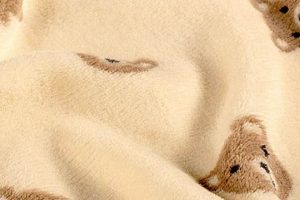
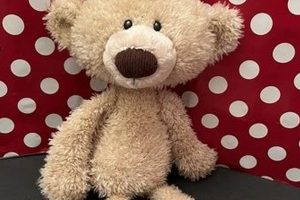
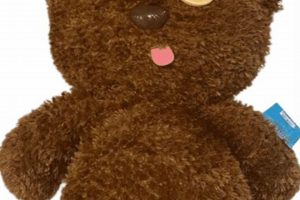
A plush toy, often a teddy bear, designed to be held and comforted during sleep or relaxation, frequently featuring soft, pajama-like attire. These comforting objects often become integral to bedtime routines, especially for children.
These cherished companions offer emotional support and a sense of security, easing anxiety and promoting restful sleep. Historically, plush toys have served as transitional objects, bridging the gap between dependence and independence, particularly during childhood. Their presence can foster a sense of comfort and familiarity, which can be especially valuable during travel or in unfamiliar environments. This can lead to improved sleep quality and a greater sense of well-being.
This understanding of their significance provides a foundation for exploring related topics such as the role of comfort objects in child development, the market for sleep-related products, and the psychology of attachment.
Tips for Selecting and Caring for a Plush Sleep Companion
Choosing and maintaining a plush sleep companion involves considerations that ensure both comfort and hygiene. The following tips offer guidance for maximizing the benefits of these cherished objects.
Tip 1: Choose Soft, Hypoallergenic Materials: Opt for plush toys made from materials gentle on skin and less likely to cause allergic reactions. Natural fibers like organic cotton or bamboo are excellent choices.
Tip 2: Select an Appropriate Size: A sleep companion should be easily held and cuddled without being overly large or cumbersome in bed. Consider the age and preferences of the individual.
Tip 3: Ensure Durability and Seam Strength: Regularly inspect seams for weaknesses to prevent filling from escaping, especially for younger children who may be more prone to pulling or chewing.
Tip 4: Prioritize Washable Materials: Choose a plush toy that can be easily laundered to maintain hygiene and remove dust mites or allergens. Follow manufacturer’s instructions for washing and drying.
Tip 5: Establish a Cleaning Routine: Regularly cleaning the sleep companion, whether through washing or spot cleaning, helps maintain a healthy sleep environment.
Tip 6: Allow for Air Drying When Possible: Air drying helps maintain the plush toy’s shape and softness, minimizing wear and tear from machine drying.
Tip 7: Inspect for Wear and Tear: Periodically check for loose seams, tears, or other damage. Prompt repairs or replacements can prevent potential choking hazards and extend the lifespan of the companion.
By following these guidelines, individuals can ensure their plush sleep companions remain sources of comfort and security for years to come, contributing to healthy sleep habits and overall well-being.
These practical considerations underscore the importance of thoughtful selection and care, leading to a deeper appreciation for the role these objects play in promoting comfort and security.
1. Comfort Object

Comfort objects, often plush toys, serve a crucial role in providing solace and security, particularly during childhood. A “pj teddy,” specifically a teddy bear clad in pajamas, epitomizes this concept. Its association with sleep and relaxation amplifies its comforting qualities. The following facets explore the multifaceted nature of comfort objects, particularly within the context of a pj teddy.
- Emotional Security
Comfort objects offer a tangible source of emotional security, helping individuals, especially children, cope with anxiety, fear, or loneliness. A pj teddy, clutched during bedtime, can alleviate separation anxiety and promote feelings of safety. This tangible comfort aids in emotional regulation, particularly during transitions or stressful periods. For instance, a child starting at a new school might find solace in their pj teddy, easing the adjustment process.
- Transitional Object
Pediatric developmental theory posits that comfort objects can serve as transitional objects, bridging the gap between dependence and independence. A pj teddy can symbolize parental comfort and presence, facilitating a child’s gradual autonomy. This symbolic representation aids in the development of self-soothing skills, crucial for navigating emotional challenges. A child gradually relying less on their pj teddy over time demonstrates this transition.
- Sensory Comfort
The soft texture and familiar scent of a pj teddy provide sensory comfort, promoting relaxation and sleep. The tactile experience of holding the plush toy can be inherently calming, contributing to a sense of well-being. The familiar sensory input creates a consistent and predictable experience, further enhancing its comforting qualities. This sensory engagement can be particularly beneficial for individuals with sensory processing sensitivities.
- Personalized Attachment
A pj teddy often becomes deeply personalized, imbued with individual meaning and memories. This personalized attachment strengthens the emotional bond, transforming the object from a simple toy into a cherished companion. The unique experiences shared with the pj teddy, such as bedtime stories or travel adventures, contribute to its sentimental value. This individualized significance differentiates it from other plush toys, solidifying its role as a unique source of comfort.
These facets illustrate how a pj teddy transcends its function as a mere toy, embodying the essence of a comfort object. Its ability to provide emotional security, facilitate transitions, offer sensory comfort, and foster personalized attachment underscores its significance in promoting well-being, particularly during childhood. Understanding these aspects allows for a deeper appreciation of the role comfort objects play in human development and emotional regulation.
2. Sleep aid

The connection between “sleep aid” and “pj teddy” hinges on the psychological and emotional benefits provided by the presence of a comforting object during sleep. A “pj teddy” functions as a tangible symbol of security, easing anxiety and promoting relaxation, thereby facilitating sleep onset. This can be particularly effective for children experiencing separation anxiety or fear of the dark. The tactile comfort and familiar scent of the “pj teddy” further contribute to a sense of calm and well-being, conducive to sleep. For example, a child clutching their “pj teddy” might feel less vulnerable and more secure in their bedroom at night, leading to improved sleep quality.
This sleep-promoting effect stems from the “pj teddy’s” role as a transitional object, bridging the gap between dependence and independence. It provides a sense of continuity and familiarity, particularly in unfamiliar environments or during periods of stress. The “pj teddy” can become associated with positive sleep routines, such as bedtime stories or lullabies, further reinforcing its sleep-inducing properties. This association creates a conditioned response, where the presence of the “pj teddy” signals sleep and relaxation. For instance, a child accustomed to falling asleep with their “pj teddy” might find it difficult to sleep without it, highlighting its established role in their sleep routine.
Understanding the connection between “sleep aid” and “pj teddy” underscores the importance of emotional and psychological well-being in promoting healthy sleep. Addressing anxieties and fostering a sense of security within the sleep environment can be crucial for improving sleep quality, especially in children. While a “pj teddy” is not a substitute for addressing underlying sleep disorders, its role as a comforting presence can be a valuable component of a healthy sleep routine. This understanding can inform strategies for creating a sleep-conducive environment and addressing sleep challenges related to anxiety and emotional regulation. The consistent presence of a “pj teddy” offers a sense of stability and reassurance, contributing to a more restful and consistent sleep pattern.
3. Soft, plush material
The inherent softness of a “pj teddy” is fundamental to its comforting nature and appeal. The tactile quality of plush material plays a crucial role in its function as a comfort object, sleep aid, and cherished companion. The following facets explore the significance of soft, plush material in the context of a “pj teddy.”
- Tactile Comfort and Sensory Stimulation
The soft, plush texture of a “pj teddy” provides a soothing tactile experience, promoting relaxation and a sense of security. This sensory input can be particularly calming for children and individuals with sensory sensitivities. The act of stroking or cuddling the soft material can release endorphins, contributing to feelings of well-being. For instance, a child anxious about a thunderstorm might find comfort in the familiar softness of their “pj teddy.”
- Association with Warmth and Security
Soft, plush materials often evoke feelings of warmth and security, reminiscent of gentle touch and physical closeness. This association links the “pj teddy” to positive emotions and experiences, strengthening its role as a comfort object. The warmth provided by the plush material, both literal and perceived, contributes to its comforting properties. A child associating their “pj teddy” with parental cuddles exemplifies this connection.
- Durability and Longevity
The quality and durability of the plush material contribute to the “pj teddy’s” longevity as a cherished companion. A well-made “pj teddy” can withstand years of cuddling and washing, maintaining its softness and shape. This durability ensures the “pj teddy” remains a consistent source of comfort throughout childhood and beyond. A “pj teddy” passed down through generations exemplifies this enduring quality.
- Hygiene and Care
The choice of plush material also impacts hygiene and ease of care. Materials that are easily washable and resistant to allergens are essential for maintaining a healthy sleep environment. The ability to regularly clean the “pj teddy” ensures its continued role as a safe and comforting companion. Selecting a hypoallergenic material minimizes the risk of allergic reactions, further contributing to its role in promoting healthy sleep.
These facets highlight the integral role of soft, plush material in defining the essence of a “pj teddy.” From tactile comfort and sensory stimulation to associations with warmth and security, the material composition significantly impacts its effectiveness as a comfort object and sleep aid. Furthermore, the durability and hygiene considerations underscore the practical aspects of choosing and maintaining a “pj teddy” as a cherished companion throughout childhood and beyond. The careful selection of soft, plush material contributes significantly to the enduring appeal and comforting properties of a “pj teddy,” ensuring its continued role as a source of solace and security.
4. Clad in pajamas
The “pj” in “pj teddy” signifies pajamas, directly linking the plush toy to sleep and bedtime routines. This association enhances the object’s perceived role as a sleep companion and comfort object. “Clad in pajamas” imbues the teddy bear with a sense of shared experience, as if participating in the bedtime ritual alongside the child. This shared experience fosters a stronger emotional connection and reinforces the teddy bear’s role as a source of comfort and security. For example, a child seeing their “pj teddy” also dressed for bed strengthens the sense of companionship and shared routine.
This attire also contributes to the “pj teddy’s” anthropomorphic qualities, making it seem more like a friend or confidant. The pajamas, often miniature versions of children’s sleepwear, further personalize the toy and enhance its appeal. This personalization strengthens the child’s bond with the “pj teddy,” transforming it from a simple toy into a cherished companion. The act of dressing and undressing the “pj teddy” can also become incorporated into play routines, further deepening the connection. For instance, a child might choose matching pajamas for themselves and their “pj teddy,” reinforcing the sense of shared identity and companionship.
The “clad in pajamas” aspect of a “pj teddy” strengthens its symbolic connection to sleep, comfort, and security. This understanding highlights the importance of seemingly minor details in shaping a child’s perception and emotional attachment to a comfort object. Recognizing the significance of these details can inform the design and selection of “pj teddies” and other comfort objects, optimizing their effectiveness in promoting emotional well-being and healthy sleep habits. The pajamas serve as a visual cue, reinforcing the association between the “pj teddy” and bedtime, contributing to a sense of predictability and routine which is crucial for children’s emotional regulation and sleep hygiene.
5. Childhood companion

A “pj teddy” frequently transcends its identity as a mere plush toy, evolving into a cherished childhood companion. This transformation stems from the object’s consistent presence during formative years, offering comfort, security, and a sense of continuity amidst developmental changes. The “pj teddy” becomes a steadfast presence in a child’s life, often accompanying them through various experiences, from bedtime stories to travels and even challenging emotional periods. This constant companionship fosters a deep emotional bond, imbuing the object with personal meaning and significance. For instance, a child might confide secrets in their “pj teddy,” treating it as a silent confidant and source of unwavering support. This constant presence can be particularly crucial during times of transition or stress, such as starting school or moving to a new home, where the familiar comfort of the “pj teddy” provides a sense of stability and reassurance.
The “pj teddy’s” role as a childhood companion extends beyond emotional support. It can also facilitate imaginative play and social development. Children often incorporate their “pj teddies” into imaginative scenarios, assigning them roles and personalities, fostering creativity and storytelling skills. The “pj teddy” can also serve as a social bridge, providing a shared point of interest for interacting with other children. Sharing stories about their “pj teddies” or engaging in pretend play with them can facilitate social interaction and bonding among children. For example, a group of children might create a tea party scenario with their “pj teddies,” learning to share, cooperate, and engage in social interaction through the shared experience.
Understanding the significance of a “pj teddy” as a childhood companion highlights the importance of comfort objects in child development. These objects provide not only emotional security but also contribute to imaginative play, social interaction, and the development of crucial life skills. Recognizing the multifaceted role of these companions allows for a deeper appreciation of their impact on a child’s emotional well-being and overall development. While the specific attachment to a “pj teddy” might eventually fade, the skills and emotional resilience fostered during this period can have lasting positive effects, contributing to healthy emotional development throughout life. The “pj teddy” serves as a tangible symbol of comfort, security, and companionship, leaving a lasting imprint on a child’s formative years.
Frequently Asked Questions
This section addresses common inquiries regarding plush sleep companions, often referred to as “pj teddies,” focusing on practical considerations and developmental aspects.
Question 1: At what age do children typically develop attachments to comfort objects?
Attachments often emerge during infancy, peaking between 18 and 24 months, coinciding with increased awareness of separation from caregivers. However, attachments can develop at any age, particularly during periods of stress or transition.
Question 2: Are there potential downsides to allowing a child to rely on a comfort object?
Over-reliance can sometimes hinder the development of independent self-soothing skills. However, moderate attachment is generally considered a normal part of development and can offer significant emotional benefits.
Question 3: How can one ensure the hygiene of a plush sleep companion?
Regular laundering, following manufacturer instructions, is crucial. Choosing washable materials and air drying when possible helps maintain hygiene and extend the lifespan of the object.
Question 4: What factors should be considered when selecting a plush sleep companion for a child?
Soft, hypoallergenic materials, appropriate size, and durable construction are key factors. Consider the child’s age, preferences, and any existing allergies or sensitivities.
Question 5: When should a comfort object be replaced?
Replacement is advisable when the object exhibits significant wear and tear, poses a potential choking hazard, or becomes excessively soiled despite cleaning efforts.
Question 6: Can comfort objects benefit adults as well as children?
While primarily associated with childhood, comfort objects can provide solace and emotional support to individuals of any age, particularly during periods of stress, grief, or illness.
Understanding the developmental and practical aspects of comfort objects empowers informed decisions regarding their selection, care, and role in promoting emotional well-being.
The following section explores the broader market for sleep-related products, examining trends and consumer preferences.
Conclusion
Examination of “pj teddy” reveals a multifaceted concept encompassing comfort object, sleep aid, and childhood companion. The interplay of soft, plush material, pajama-clad design, and inherent cuddly nature contributes to its efficacy in providing emotional security and promoting restful sleep. Understanding the psychological and developmental significance underscores the value of these objects in childhood and beyond.
Further exploration of comfort objects and their impact on emotional well-being remains a pertinent area of study. Thoughtful consideration of material composition, design, and hygiene practices ensures the continued positive impact of these cherished companions on individuals seeking solace and security. The enduring appeal of “pj teddy” speaks to a fundamental human need for comfort and connection, highlighting the powerful role of tangible objects in shaping emotional well-being.