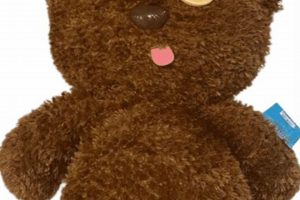
This soft, plush fabric, characterized by its deep pile and fuzzy texture, is a type of polyester microfiber. Similar in appearance to a teddy bear’s fur, it offers exceptional warmth and a comforting feel. A common example of its application is in blankets, but it’s also found in various garments and home furnishings.
The material’s high-loft construction traps air, creating an insulating layer that provides excellent thermal retention. Its hypoallergenic nature makes it suitable for individuals with sensitivities. Durable and easy to care for, this textile has become a popular choice for items requiring both comfort and practicality. Initially gaining popularity in children’s products, its versatility has led to widespread adoption in diverse markets.
This exploration of the material’s qualities serves as a foundation for understanding its applications in various contexts. Further sections will detail manufacturing processes, care instructions, and its impact on industries such as fashion and home dcor.
Care and Maintenance Tips
Proper care ensures the longevity and continued softness of this popular fabric. Following these guidelines will help maintain its quality and appearance over time.
Tip 1: Washing: Machine wash in cold water using a gentle cycle. Avoid harsh detergents and bleach, as these can damage the fibers and diminish softness.
Tip 2: Drying: Tumble dry on low heat or air dry to prevent shrinkage and maintain the fabric’s plush texture. High heat can melt the delicate fibers.
Tip 3: Storage: Store in a cool, dry place away from direct sunlight to prevent fading and discoloration. Avoid storing in compressed or airtight containers to maintain loft.
Tip 4: Stain Removal: Treat stains promptly with a mild stain remover. Blot gently; avoid rubbing, which can damage the fibers. Test any cleaning solution on an inconspicuous area first.
Tip 5: Pilling: Occasional pilling is normal. A fabric shaver or a lint roller can be used to remove pills and restore a smooth surface.
Tip 6: Avoid Fabric Softener: Fabric softener can coat the fibers, reducing their ability to trap air and diminishing the fabric’s warmth and softness over time.
Adhering to these care instructions will maximize the lifespan of items made from this material, ensuring continued comfort and enjoyment.
By understanding these practical care tips, one can fully appreciate the benefits and longevity of this versatile fabric. This knowledge contributes to making informed decisions about product selection and maintenance.
1. Softness
Softness represents a defining characteristic of this specific fleece. This tactile quality arises from the fabric’s unique construction: a dense, high-pile weave of polyester microfibers. These fine fibers create a plush, velvety surface that mimics the feel of a teddy bear’s fur, hence the name. This inherent softness contributes significantly to the material’s popularity in items like blankets, baby clothes, and loungewear, where comfort is paramount. The density of the pile traps air, further enhancing the perception of softness and providing exceptional warmth.
The importance of softness in this context extends beyond mere comfort. In applications such as children’s toys and blankets, the gentle texture provides a sense of security and promotes relaxation. For individuals with sensitive skin, the non-abrasive nature of the fabric offers a welcome alternative to other materials. Furthermore, the perceived softness influences consumer purchasing decisions, making it a key selling point for products utilizing this material. This preference for softness drives demand and influences design trends in various industries.
The pursuit of softness in textile manufacturing often involves careful consideration of fiber selection, weaving techniques, and finishing processes. Maintaining this softness throughout the product’s lifecycle requires adherence to specific care instructions. Challenges such as pilling can detract from the perceived softness over time, necessitating appropriate maintenance. Understanding the factors that contribute to and maintain softness in this type of fleece allows for informed choices regarding product selection, care, and overall consumer satisfaction. This knowledge ultimately underscores the significance of softness as a critical attribute of the material.
2. Warmth
Warmth represents a crucial characteristic of teddy bear fleece, directly linked to its structure and composition. The dense, high-pile construction traps air, creating an insulating layer that effectively retains body heat. This air trapping mechanism minimizes heat loss, making the fabric exceptionally warm relative to its weight. The synthetic polyester fibers further contribute to thermal efficiency, offering inherent insulation properties. This combination of factors results in a material highly effective at providing warmth in cool environments. Examples include its widespread use in winter apparel, blankets, and linings for cold-weather gear, demonstrating its practical application in maintaining thermal comfort.
The importance of warmth as a key attribute of this fabric extends beyond mere comfort. In applications such as outdoor clothing and emergency blankets, the material’s ability to retain heat becomes crucial for safety and well-being. The effectiveness of the insulation provided by the fleece impacts consumer perception and purchasing decisions, influencing its popularity in specific product categories. Manufacturers often highlight thermal performance as a key selling point, particularly for products intended for cold climates. This focus on warmth drives innovation in textile design, leading to the development of variations with enhanced thermal properties, such as double-layered fleece or those incorporating windproof membranes.
Maintaining optimal warmth requires proper care and maintenance. Compressing the fabric reduces its loft and diminishes its ability to trap air, thereby impacting its insulating effectiveness. Similarly, excessive wear and tear can damage the fibers and reduce the overall density of the pile, leading to diminished thermal performance. Understanding the relationship between the fabric’s structure, its composition, and its ability to provide warmth allows consumers to make informed decisions about product selection and care. This knowledge ensures appropriate utilization and maximizes the benefits of this fabric in applications where warmth is essential. Further investigation into the specific thermal properties of different fleece variations can contribute to a more comprehensive understanding of this crucial attribute.
3. Durability
Durability constitutes a significant advantage of teddy bear fleece, contributing to its widespread use and appeal. The inherent strength of the polyester fibers, combined with the tight weave of the fabric, provides resistance to tearing, ripping, and abrasion. This resilience allows the material to withstand regular use and frequent washing without significant degradation. The fabric’s ability to maintain its structural integrity over time translates into a longer lifespan for products made from it, representing a practical benefit for consumers. Examples include children’s toys, blankets, and outerwear, which often experience considerable wear and tear. The durability of teddy bear fleece makes it a suitable choice for these applications, ensuring continued functionality and value.
The importance of durability in teddy bear fleece extends beyond mere longevity. In applications such as outdoor gear and workwear, resistance to abrasion and tearing becomes crucial for protection and safety. The fabric’s ability to withstand harsh conditions contributes to its suitability for demanding environments. Furthermore, the durability of the material affects its overall cost-effectiveness. While the initial cost might be higher than some less durable alternatives, the extended lifespan often justifies the investment, resulting in long-term savings. This economic advantage further reinforces the appeal of this fabric for consumers and manufacturers alike.
Several factors influence the durability of teddy bear fleece. The density of the weave and the quality of the polyester fibers play crucial roles. Higher-density fabrics tend to offer greater resistance to wear and tear. Manufacturing processes, including finishing treatments, also impact durability. Understanding these factors allows consumers to make informed decisions about product selection, balancing cost with desired performance characteristics. Additionally, proper care and maintenance contribute to preserving the fabric’s durability. Avoiding harsh detergents and excessive heat during washing and drying helps maintain the integrity of the fibers and prolong the lifespan of the material. Recognizing the interplay between these factors allows for optimal utilization and maximizes the practical benefits of this durable and versatile fabric.
4. Synthetic Material

The synthetic nature of teddy bear fleece, primarily composed of polyester, defines many of its key characteristics and contributes significantly to its widespread use. Understanding the implications of this synthetic composition provides essential context for appreciating the fabric’s properties and applications. This exploration delves into the specific aspects of its synthetic nature, highlighting their impact on performance, care, and overall utility.
- Hypoallergenicity
Polyester, unlike natural fibers like wool, is less likely to harbor allergens such as dust mites and mold. This hypoallergenic quality makes teddy bear fleece a suitable choice for individuals with sensitivities or allergies. This characteristic expands the fabric’s usability, making it a viable option for bedding, children’s clothing, and other items where close contact with skin is common. The reduced risk of allergic reactions contributes to the material’s popularity in sensitive applications.
- Ease of Care
Synthetic fibers like polyester are generally easier to care for than natural fibers. Teddy bear fleece is typically machine washable and dryable, requiring minimal effort to maintain. Its resistance to shrinking, wrinkling, and fading further simplifies care, contributing to its practicality and convenience for consumers. This ease of maintenance reduces the time and effort required for upkeep, a significant advantage in busy lifestyles.
- Cost-Effectiveness
Polyester production is often more cost-effective than producing natural fibers. This translates into lower prices for consumers, making teddy bear fleece a readily accessible and affordable option. The lower cost, combined with the material’s durability, further enhances its value proposition. This affordability expands the market reach of products made from the fabric, making it a viable option for a wider range of consumers.
- Moisture Management
While not as absorbent as natural fibers, polyester exhibits moisture-wicking properties. This allows teddy bear fleece to transport moisture away from the skin, contributing to comfort in various applications, especially activewear and linings for outerwear. Though not a primary function, this moisture management capability enhances the fabric’s versatility and performance in specific contexts.
The synthetic nature of teddy bear fleece, characterized by its polyester composition, ultimately defines its practicality, affordability, and suitability for diverse applications. These attributes, stemming directly from the material’s synthetic construction, contribute significantly to its widespread adoption in consumer products and industrial uses. Further exploration into the specific properties of polyester and advancements in synthetic fiber technology can provide additional insights into the continued evolution and potential of this versatile fabric.
5. Versatile Applications
The versatility of teddy bear fleece stems from its unique combination of desirable properties: softness, warmth, durability, and ease of care. This adaptability allows its use across a wide range of product categories, impacting diverse industries from fashion to home furnishings and beyond. Exploring these diverse applications provides insight into the material’s widespread appeal and its significance in various consumer and commercial contexts.
- Apparel
In apparel, the soft, warm nature of teddy bear fleece makes it ideal for garments ranging from jackets and hoodies to pajamas and loungewear. Its comfort and thermal properties make it particularly suitable for cold-weather clothing, while its versatility allows for incorporation into various styles and designs. Examples include lined jackets for added warmth, cozy sweaters, and comfortable robes. The fabric’s adaptability in apparel contributes significantly to its market presence.
- Home Furnishings
Within home furnishings, teddy bear fleece finds extensive use in blankets, throws, pillows, and even upholstery. Its plush texture and warmth create a cozy and inviting atmosphere. The material’s durability and ease of care make it a practical choice for items subjected to regular use. Examples include blankets for sofas, decorative throws for bedrooms, and plush cushions for added comfort. Its presence in home dcor reflects its contribution to creating comfortable and aesthetically pleasing living spaces.
- Children’s Products
The softness and hypoallergenic nature of teddy bear fleece make it particularly well-suited for children’s products. It is commonly used in blankets, stuffed toys, and baby clothing. The gentle texture provides comfort and security, while its ease of care simplifies cleaning and maintenance. Examples include baby blankets, soft toys, and warm winter clothing. The material’s safety and comfort features contribute significantly to its popularity in this market segment.
- Craft and DIY Projects
The versatility of teddy bear fleece extends to craft and DIY projects. Its ease of sewing and wide availability in various colors and patterns make it a popular choice for hobbyists and crafters. Examples include handmade blankets, scarves, hats, and even pet accessories. This adaptability allows for creative expression and personalized projects, further demonstrating the material’s widespread utility.
These varied applications of teddy bear fleece underscore its adaptability and widespread appeal across diverse markets. From fashion and home dcor to children’s products and craft projects, the material’s inherent properties and ease of use contribute to its continued popularity and its established presence in numerous consumer and commercial sectors. Further investigation into emerging applications and technological advancements promises to reveal even more diverse uses for this versatile fabric in the future.
Frequently Asked Questions
This section addresses common inquiries regarding this specific type of fleece, providing concise and informative responses to clarify potential uncertainties and misconceptions.
Question 1: Is this fabric suitable for individuals with sensitive skin?
Generally considered hypoallergenic due to its synthetic composition, it is often a suitable choice for those with sensitive skin. However, individual reactions can vary. Testing a small area before prolonged contact is recommended.
Question 2: How does one maintain the softness of this fabric?
Washing in cold water with a gentle detergent and avoiding harsh chemicals, including fabric softener, helps preserve softness. Air drying or tumble drying on low heat is also recommended.
Question 3: What causes pilling, and how can it be addressed?
Pilling results from friction and is a normal occurrence with this type of fabric. A fabric shaver or lint roller effectively removes pills and restores a smooth surface.
Question 4: Is this material flame-resistant?
While inherently somewhat flame-resistant due to its synthetic composition, it is not explicitly fireproof. Exercise caution near open flames and adhere to relevant safety regulations.
Question 5: How does this fabric compare to other fleece varieties?
Characterized by a denser, higher pile, it provides superior softness and warmth compared to standard fleece. This distinction makes it particularly desirable for applications requiring exceptional comfort.
Question 6: Is this fabric environmentally friendly?
As a synthetic material derived from petroleum, it is not inherently eco-friendly. However, recycled polyester versions exist, offering a more sustainable alternative. Proper disposal and recycling practices minimize environmental impact.
Understanding these key aspects contributes to informed decision-making regarding selection, care, and utilization of this versatile fabric. This knowledge empowers consumers to maximize the benefits and address potential concerns associated with this popular material.
The subsequent section will explore the manufacturing process of this specific fleece, offering deeper insights into its production and supply chain.
Conclusion
This exploration has provided a comprehensive overview of teddy bear fleece, encompassing its defining characteristics, benefits, proper care, diverse applications, and environmental considerations. From its origins as a popular material for children’s products to its widespread adoption in various industries, the fabric’s versatility and enduring appeal stem from its unique combination of softness, warmth, durability, and ease of care. The analysis of its synthetic nature, primarily composed of polyester, highlighted both its advantages, such as hypoallergenicity and cost-effectiveness, and its environmental impact, prompting consideration of sustainable alternatives like recycled polyester. Understanding the nuances of proper care ensures the longevity and continued performance of this material, maximizing its value and practicality for consumers.
The future of teddy bear fleece likely involves continued innovation in manufacturing processes, focusing on sustainable practices and enhanced performance characteristics. Exploration of alternative fiber compositions and finishing treatments may yield even softer, more durable, and environmentally friendly variations. As consumer demand for comfortable and functional textiles persists, this fabric remains a prominent choice, its evolution driven by technological advancements and a growing awareness of ecological responsibility. Ultimately, informed consumer choices, guided by a comprehensive understanding of the material’s properties and lifecycle, will shape the future trajectory of this versatile and ubiquitous fabric.