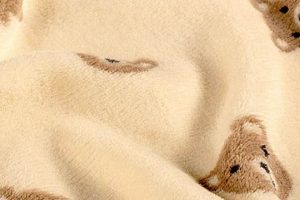
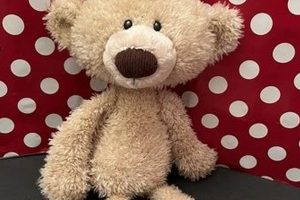
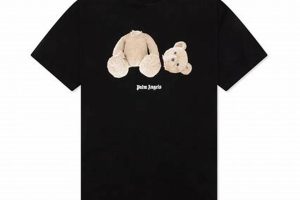
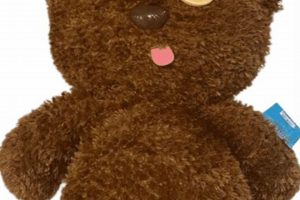
A customizable plush toy featuring designs applied through various printing methods, such as heat transfer or direct-to-garment printing, allows for personalized imagery, logos, or text. This can range from a child’s name and birthdate to complex photographic reproductions or corporate branding.
These personalized plush toys offer a unique blend of comfort and individual expression. They serve as cherished keepsakes for commemorating special occasions, promoting brand awareness, or expressing personal sentiments. The evolution of printing technologies has made producing these items increasingly accessible and affordable, enabling widespread customization options and opening new avenues for creative expression and commercial applications.
The following sections will explore the various printing methods used, the different materials employed in their creation, and the diverse range of applications for these versatile items.
Tips for Selecting and Utilizing Custom Plush Toys
Choosing and using custom-designed plush toys requires consideration of several factors to maximize their impact and longevity.
Tip 1: Material Selection: Consider the recipient’s age and the intended use when selecting materials. Durable, washable fabrics are ideal for children’s toys, while softer, more delicate materials might be suitable for display items.
Tip 2: Printing Method: Different printing methods offer varying levels of detail and durability. Heat transfer is suitable for simple designs, while direct-to-garment printing allows for more complex, full-color imagery.
Tip 3: Design Considerations: Ensure the chosen design is appropriate for the intended recipient and purpose. High-resolution images are crucial for achieving optimal print quality.
Tip 4: Care Instructions: Provide clear care instructions to maintain the plush toy’s appearance and extend its lifespan. These instructions should be tailored to the specific materials and printing method used.
Tip 5: Ethical Sourcing: Consider the ethical implications of production, including fair labor practices and environmentally sustainable materials.
Tip 6: Budgeting: Different customization options and order sizes influence the overall cost. Establish a budget beforehand to guide decision-making.
Tip 7: Lead Times: Factor in production and delivery times, especially for time-sensitive occasions or promotional events.
Careful consideration of these factors ensures a successful outcome, resulting in a high-quality, personalized item that meets specific needs and expectations.
By understanding the nuances of customization, one can fully leverage the potential of these versatile items for personal expression, commemorative gifts, or effective marketing tools.
1. Customization

Customization lies at the heart of the printed teddy bear concept. It transforms a standard plush toy into a unique item imbued with personal meaning or specific branding. This capability is facilitated by advancements in printing technologies, enabling a wide array of design options. The ability to add names, dates, photos, logos, or custom artwork distinguishes these items from mass-produced toys. For instance, a child might receive a teddy bear printed with their birthdate and name, creating a cherished keepsake. Similarly, businesses leverage this customization to create promotional items featuring company logos or mascots, increasing brand visibility and engagement. The impact of customization extends beyond mere aesthetics; it imbues the object with sentimental value or marketing potential, expanding its utility beyond a simple plaything.
The degree of customization achievable depends on the chosen printing method. Simpler techniques, such as heat transfer, are well-suited for single-color designs and text. More complex methods, like direct-to-garment printing, allow for intricate, full-color designs and photographic reproduction, offering greater creative freedom. The choice of customization options impacts not only the visual appeal but also the production cost and turnaround time. Understanding these trade-offs allows for informed decisions aligned with specific project goals and budget constraints.
In essence, customization elevates the printed teddy bear from a generic product to a personalized expression or a targeted marketing tool. The ability to tailor the design to individual preferences or brand identities significantly enhances its value and broadens its applications. This understanding underscores the importance of customization as a defining characteristic and a key driver of the increasing popularity and utility of printed teddy bears.
2. Personalization
Personalization distinguishes the printed teddy bear from a generic plush toy, transforming it into a meaningful keepsake or a targeted promotional item. This process imbues the object with individual significance through custom designs, fostering a stronger emotional connection with the recipient. Adding a name, a significant date, or a personal message elevates the teddy bear from a simple gift to a treasured memento. For example, a teddy bear printed with a newborn’s name and birthdate becomes a cherished reminder of that special moment. Similarly, incorporating inside jokes, shared memories, or personal photos onto the design further enhances the emotional resonance of the gift. In a corporate context, personalized teddy bears can strengthen client relationships or reward employee achievements, enhancing brand loyalty and fostering a sense of connection.
The ability to personalize these items also opens up avenues for creative expression. Artists and designers can utilize printed teddy bears as a canvas for their work, showcasing unique designs or limited-edition collections. Furthermore, educational institutions can incorporate personalized teddy bears into learning activities, creating engaging tools for teaching and reinforcing concepts. The practical applications of personalization extend beyond individual gifting, encompassing diverse fields like education, art, and corporate branding. This adaptability underscores the significance of personalization as a key component of the printed teddy bear’s versatility.
Ultimately, personalization represents a significant shift from mass production to individualized creation. It acknowledges the importance of individual expression and the desire for unique, meaningful objects. This focus on personalization not only adds value to the printed teddy bear but also reflects a broader cultural trend towards customized experiences and products. Understanding the role of personalization in the creation and reception of these items provides valuable insights into their enduring appeal and expanding applications.
3. Gifting
The act of gifting a printed teddy bear transcends the simple exchange of a physical object; it represents the conveyance of sentiment and the strengthening of interpersonal bonds. The inherent customizability of these items amplifies their gifting potential. A printed teddy bear becomes a tangible embodiment of shared memories, inside jokes, or significant milestones. For example, a teddy bear imprinted with a wedding date serves as a lasting memento of the couple’s special day. Similarly, a child receiving a teddy bear personalized with their name experiences a sense of ownership and comfort. The ability to tailor the design to the recipient’s personality and interests further enhances the emotional value of the gift.
Furthermore, the versatility of printed teddy bears extends their suitability for a broad spectrum of occasions. They serve as appropriate gifts for birthdays, graduations, anniversaries, or as expressions of sympathy and support. In a corporate setting, these personalized gifts can strengthen client relationships or acknowledge employee contributions. The practicality of printed teddy bears as gifts is further enhanced by their durability and ease of care. High-quality printing ensures the longevity of the design, preserving the sentimental value of the gift for years to come.
In conclusion, the enduring appeal of printed teddy bears as gifts stems from their ability to personalize an otherwise commonplace item. This customization transforms the object into a vessel of shared memories and emotions, fostering a deeper connection between the giver and the recipient. The adaptability of these items across various occasions and their inherent durability solidifies their position as a thoughtful and enduring gift choice. Understanding this connection between gifting and personalized plush toys provides insights into the enduring power of tangible expressions of sentiment in an increasingly digital world.
4. Promotional Items

Printed teddy bears represent a versatile and engaging option within the broader landscape of promotional items. Their inherent appeal and customizability make them effective tools for enhancing brand visibility, fostering customer loyalty, and conveying specific marketing messages.
- Brand Recognition
Printed teddy bears offer a tangible platform for displaying company logos, slogans, or mascots. Distributing these customized plush toys at trade shows, conferences, or as part of customer loyalty programs reinforces brand recognition. A potential customer encountering a teddy bear imprinted with a company logo is more likely to recall that brand in the future. This repeated exposure contributes to building brand awareness and establishing a positive association with the company.
- Emotional Connection
Unlike traditional promotional items, teddy bears possess an inherent emotional appeal. This emotional connection enhances the effectiveness of the promotional message. Recipients are more likely to retain and cherish a cuddly teddy bear compared to a pen or keychain. This positive association extends to the imprinted brand, fostering a sense of goodwill and customer loyalty.
- Targeted Marketing
The customizability of printed teddy bears allows for targeted marketing campaigns. Designs can be tailored to specific demographics or events. For example, a company specializing in children’s products might distribute teddy bears printed with characters from a popular children’s book. This targeted approach maximizes the impact of the promotional campaign by resonating with the specific interests of the target audience.
- Longevity and Recall
Promotional items often have a short lifespan, ending up discarded or forgotten. However, the inherent appeal and durability of teddy bears increase the likelihood of long-term retention. A child receiving a printed teddy bear is likely to keep it for years, providing sustained exposure to the imprinted branding. This longevity maximizes the return on investment for promotional campaigns.
In summary, printed teddy bears offer a distinct advantage as promotional items due to their ability to combine brand messaging with emotional connection and longevity. Their customizable nature allows for targeted campaigns that resonate with specific audiences, while their inherent appeal ensures lasting brand visibility and enhanced recall. This combination of factors contributes to their effectiveness in building brand awareness, fostering customer loyalty, and ultimately driving business growth.
5. Printing techniques
Printing techniques are fundamental to the creation of personalized teddy bears, dictating the design’s complexity, durability, and overall aesthetic. The chosen method directly impacts the final product, influencing factors such as image resolution, color vibrancy, and the ability to reproduce intricate details. Several techniques are commonly employed, each offering distinct advantages and limitations. Heat transfer, a cost-effective method, applies designs to the fabric using heat and pressure. This technique is well-suited for simple graphics and text-based designs but may not be ideal for complex imagery or achieving a seamless finish. Direct-to-garment (DTG) printing, a more sophisticated approach, utilizes inkjet technology to print directly onto the fabric, allowing for greater detail and color accuracy. DTG excels in reproducing photographic images and intricate designs, resulting in a high-quality, durable print. Embroidery, while not strictly a printing technique, offers another avenue for personalization, creating textured designs with thread. This method is particularly suitable for names, monograms, or simple logos, adding a tactile dimension to the finished product.
The selection of a printing technique requires careful consideration of the desired outcome. For high-volume production runs of simple designs, heat transfer offers an economical solution. Conversely, projects demanding intricate detail and vibrant colors benefit from the precision of DTG printing. Embroidery provides a unique tactile element, enhancing the perceived value of the finished product. For instance, a company seeking promotional teddy bears with their logo might opt for heat transfer for a cost-effective, large-scale production. An individual seeking a personalized teddy bear with a photograph might choose DTG printing to capture the image’s detail and vibrancy. Understanding the capabilities and limitations of each technique allows for informed decision-making, ensuring the final product aligns with the project’s specific requirements and budget constraints.
In summary, the chosen printing technique profoundly influences the aesthetic and practical aspects of a printed teddy bear. Careful consideration of factors like design complexity, budget, and desired durability is essential for selecting the most appropriate method. Understanding the interplay between printing techniques and the final product empowers consumers and businesses alike to make informed decisions, maximizing the potential of personalized teddy bears for gifting, promotional purposes, or personal expression. Further exploration of specific printing methods, including emerging technologies, continues to expand the possibilities for customization and personalization within this evolving market.
6. Material Choices

Material choices significantly influence the final quality, safety, and overall appeal of a printed teddy bear. The selected fabrics impact not only the plush toy’s tactile comfort and durability but also the effectiveness of the printing process. Different materials interact uniquely with various printing techniques, affecting the vibrancy, longevity, and texture of the printed design. For instance, a plush teddy bear crafted from high-quality microfiber polyester offers a soft, luxurious feel and readily accepts vibrant prints, while an organic cotton teddy bear provides a natural, hypoallergenic option suitable for sensitive skin. Understanding these material properties is crucial for achieving desired outcomes. A manufacturer aiming for a premium product might opt for plush minky fabric, recognizing its superior softness and print receptivity. Conversely, a company prioritizing eco-consciousness might select organic cotton, prioritizing sustainability and minimizing environmental impact.
Beyond the primary fabric, material choices extend to the filling, stitching, and any added embellishments. Hypoallergenic polyester fill ensures safety and minimizes allergic reactions, particularly for children. Durable stitching using reinforced threads enhances the toy’s longevity, preventing seam separation and ensuring the structural integrity of the finished product. Embellishments such as embroidered details or sewn-on accessories further contribute to the overall aesthetic and tactile experience. Careful selection of these supplementary materials contributes to both the perceived quality and the practical functionality of the printed teddy bear. Choosing high-quality materials ensures the product withstands regular handling and maintains its appearance over time, whether intended as a cherished keepsake or a promotional item subject to frequent use.
In summary, material selection represents a critical aspect of the printed teddy bear’s creation, influencing its tactile appeal, durability, and overall quality. The interplay between material properties and printing techniques requires careful consideration to achieve optimal results. Choosing appropriate materials aligns the final product with specific needs, whether prioritizing softness, durability, sustainability, or hypoallergenic properties. This understanding empowers manufacturers and consumers alike to make informed decisions, ensuring the printed teddy bear fulfills its intended purpose, whether as a cherished gift, a promotional tool, or a personalized expression of creativity.
Frequently Asked Questions
This section addresses common inquiries regarding custom-printed teddy bears, providing concise and informative responses.
Question 1: What printing methods are typically used for customizing teddy bears?
Common methods include heat transfer, suitable for simple designs and text; direct-to-garment (DTG) printing, ideal for complex imagery and photographs; and embroidery, which adds a textured, tactile element.
Question 2: How durable are the printed designs on teddy bears?
Design durability depends on the printing method and material used. DTG and embroidery generally offer greater longevity compared to heat transfer. Proper care, as outlined in provided instructions, maximizes the lifespan of the print.
Question 3: What materials are commonly used for printed teddy bears?
Plush fabrics like microfiber polyester and minky offer softness and excellent print receptivity. Organic cotton provides a natural, hypoallergenic alternative. Filling typically consists of hypoallergenic polyester fiberfill.
Question 4: What are the typical turnaround times for custom-printed teddy bear orders?
Turnaround times vary based on order size, design complexity, and the chosen vendor. Consulting directly with the provider yields the most accurate estimates for specific projects.
Question 5: What is the price range for custom-printed teddy bears?
Pricing depends on factors like order volume, material selection, printing technique, and design complexity. Requesting quotes from multiple vendors facilitates cost comparisons and informed decision-making.
Question 6: Are custom-printed teddy bears safe for children?
Reputable vendors prioritize safety, utilizing non-toxic materials and adhering to relevant safety standards. Confirming compliance with applicable regulations before purchase ensures product suitability for children.
Understanding these key aspects of custom-printed teddy bears facilitates informed purchasing decisions, ensuring the final product meets specific requirements and expectations.
For further information or specific inquiries, consult directly with chosen vendors or explore specialized resources related to custom plush toy production.
Printed Teddy Bear
This exploration has illuminated the multifaceted nature of the printed teddy bear, extending beyond its traditional role as a simple plush toy. The convergence of customizable printing technologies and diverse material options positions these items as unique expressions of sentiment, effective marketing tools, and cherished keepsakes. From personalized gifts commemorating special occasions to promotional items reinforcing brand identity, the printed teddy bear demonstrates remarkable versatility. The examination of various printing techniques, material considerations, and ethical sourcing practices underscores the complexity and potential inherent within this seemingly simple object.
The continued evolution of printing technologies and the increasing demand for personalized products suggest an expanding future for the printed teddy bear. As advancements in printing techniques and material sciences progress, the potential for customization and personalization will only amplify. This evolution promises to further solidify the printed teddy bear’s position as a versatile and enduring symbol of comfort, connection, and creative expression.