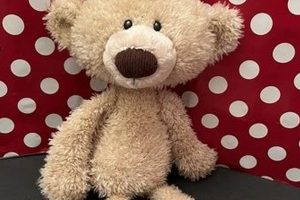
A vintage or antique teddy bear, often characterized by well-loved wear, repairs, and a classic design, evokes a sense of nostalgia and comfort. These heirloom toys frequently feature traditional materials like mohair or velvet and may exhibit signs of aging such as fading, patching, or loose stuffing. An example might be a worn Steiff bear from the early 20th century, passed down through generations.
Such cherished playthings represent more than just toys; they embody family history and emotional connection. Their enduring appeal stems from the comfort and security they offer, bridging generations and serving as tangible links to the past. Historically, these toys were often handmade or produced in smaller quantities, contributing to their perceived value and rarity in the present day. Preserving these objects contributes to maintaining tangible family history and provides insights into past manufacturing techniques and societal values.
This exploration delves further into the significance of these treasured objects, examining their role in childhood development, their value as collectibles, and the techniques used in their conservation and restoration.
Preservation Tips for Vintage Teddy Bears
Maintaining the condition of vintage teddy bears ensures their longevity and preserves their historical and sentimental value. Proper care requires attention to specific details and materials.
Tip 1: Handling with Care: Avoid picking up vintage bears by the limbs, as this can stress fragile seams and joints. Support the bear’s body from underneath when lifting.
Tip 2: Cleaning and Dust Removal: Surface dust can be gently removed with a soft-bristled brush or a low-suction vacuum cleaner fitted with a brush attachment. Avoid harsh chemicals or wet cleaning methods.
Tip 3: Storage Considerations: Store vintage bears in a cool, dry, and dark environment. Avoid direct sunlight, which can fade fabrics, and excessive humidity, which can promote mold growth. Acid-free tissue paper can protect delicate materials.
Tip 4: Repair and Restoration: Entrust significant repairs to professional teddy bear restorers, especially for antique or valuable specimens. Improper repairs can diminish a bear’s value.
Tip 5: Displaying Vintage Bears: If displaying a vintage bear, avoid placing it in direct sunlight or near heat sources. A stable, dust-free display case is recommended.
Tip 6: Documentation and Identification: Photograph and document any unique markings, tags, or labels. Researching the bear’s manufacturer and approximate age can add to its historical significance.
Tip 7: Pest Prevention: Regularly inspect storage areas for signs of pests such as moths or insects. Cedar chips or lavender sachets can act as natural deterrents.
By following these guidelines, the legacy of these treasured objects can be protected for future generations to appreciate and enjoy. These measures ensure the preservation of both the physical integrity and the historical significance of these cherished companions.
This guidance provides a foundation for preserving the condition of these irreplaceable heirlooms, connecting past and present through the continued enjoyment of these cherished objects.
1. Vintage Charm
Vintage charm, a defining characteristic of a granny teddy bear, stems from the tangible evidence of its history and the passage of time. This charm is not derived from pristine condition, but rather from the accumulated imperfections that tell a story of love and companionship. Faded fur, worn patches, loose stitching, and even missing button eyes contribute to an aesthetic that transcends mere appearance and evokes a sense of nostalgia and emotional connection. These imperfections are not flaws, but rather testaments to a life well-loved, whispering tales of bedtime stories, comforting hugs, and childhood adventures. For example, a worn patch might mark the spot where a child frequently held the bear, imbuing the object with sentimental value far exceeding its monetary worth. This inherent value distinguishes a granny teddy bear from a mass-produced modern toy.
The appeal of vintage charm lies in its authenticity and uniqueness. In a world of mass production, a granny teddy bear stands apart as a one-of-a-kind artifact. Each stitch, each imperfection, each sign of wear contributes to its individuality. This individuality fosters a deeper emotional connection, linking the owner to the past and serving as a tangible representation of family history. The wear and tear, rather than diminishing the bear’s value, enhance it, transforming it from a simple plaything into a treasured heirloom. Consider a bear with a replaced button eye, perhaps sewn on by a grandmother decades ago. This seemingly minor repair adds a layer of personal history, making the bear even more precious to subsequent generations.
Understanding the significance of vintage charm in a granny teddy bear provides insight into the enduring appeal of these objects. It highlights the importance of preserving these tangible links to the past, recognizing their value not in monetary terms, but in their capacity to evoke emotion, connect generations, and preserve family history. The challenge lies in balancing preservation with the understanding that these objects are meant to be loved and cherished, allowing the accumulation of new memories to further enrich their unique narratives. This delicate balance ensures that the vintage charm, so integral to the granny teddy bear’s identity, continues to deepen with each passing generation.
2. Well-loved appearance

The well-loved appearance of a granny teddy bear serves as a visual testament to its history, embodying the accumulated memories and affections of previous generations. Unlike the pristine condition of a new toy, a well-loved appearance signifies an active role within a family’s narrative, transforming the bear from a mere object into a cherished heirloom.
- Visible Mending:
Repairs, such as restitched seams, replaced button eyes, or reattached limbs, are not blemishes but badges of honor. These visible mendings often reflect the care and attention given to the bear throughout its life. A neatly darned patch, for instance, might signify a loving repair performed by a parent or grandparent, adding another layer of emotional significance to the object.
- Faded Fabric and Fur:
The softened texture and faded colors of a well-loved bear speak volumes about its history. Years of hugs and bedtime snuggles inevitably leave their mark, resulting in a patina that speaks of enduring comfort and companionship. This gentle wear, far from detracting from the bear’s appeal, imbues it with a sense of familiarity and warmth.
- Loose Stuffing or Compaction:
The distribution of stuffing within a granny teddy bear often shifts over time, resulting in areas of compaction or looseness. These changes reflect the bear’s physical journey, mirroring the unique ways it has been held and cherished throughout its life. A flattened ear or a slightly deflated belly adds character and contributes to the bear’s unique personality.
- Surface Marks and Stains:
Small marks or stains can add to a granny teddy bear’s narrative, serving as subtle reminders of past adventures. A faint discoloration might be the lingering evidence of a childhood spill, while a small tear could commemorate a particularly boisterous playtime. These imperfections, while noticeable, contribute to the bear’s overall charm and authenticity.
These facets of a well-loved appearance contribute to the unique charm and emotional resonance of a granny teddy bear. They transform the object from a simple plaything into a tangible embodiment of family history, connecting generations through shared memories and a sense of enduring affection. The well-worn condition, far from diminishing its value, enhances its significance as a treasured heirloom, imbued with the love and memories of those who cherished it before.
3. Family Heirloom

The designation of “family heirloom” elevates a granny teddy bear beyond a simple plaything, transforming it into a tangible embodiment of family history and intergenerational connection. This status is conferred not by monetary value, but by the accumulated memories, emotions, and stories associated with the object. The bear becomes a vessel of shared experiences, passed down through generations, carrying with it the echoes of childhoods past. A simple, worn teddy bear, perhaps missing an eye or bearing carefully stitched repairs, can hold immense significance as a tangible link to ancestors, representing a continuous thread connecting past, present, and future generations. For example, a bear passed down from a grandparent might evoke memories of bedtime stories, offering a comforting connection to a loved one who may no longer be present. This emotional resonance solidifies the bear’s position as a cherished family heirloom.
The process of inheriting a granny teddy bear strengthens familial bonds, providing a tangible connection to previous generations. The act of receiving such a treasured object signifies the continuation of a family narrative, allowing younger generations to touch and hold a piece of their family’s history. The bear acts as a catalyst for storytelling, prompting older relatives to share memories and anecdotes associated with the object, fostering a deeper understanding of family heritage. For instance, a child receiving their grandmother’s well-loved bear might learn about their grandmother’s own childhood, creating a shared connection across time. This exchange reinforces family identity and strengthens the bonds between generations.
Preserving a granny teddy bear as a family heirloom necessitates careful consideration of storage, handling, and potential restoration. Maintaining the bear’s physical integrity ensures that future generations can continue to appreciate its historical and emotional significance. This preservation can involve simple measures, such as storing the bear in a protective environment away from direct sunlight and extreme temperatures, or more complex interventions, like professional restoration to repair damage. The challenge lies in balancing the desire to preserve the bear’s original condition with the understanding that it is a loved object meant to be handled and cherished. This careful stewardship ensures the continued passage of the heirloom through generations, allowing the bear to continue its role as a tangible symbol of family history and connection.
4. Childhood Memories

A granny teddy bear often serves as a powerful repository of childhood memories, acting as a tangible link to a period of innocence and comfort. The bear becomes more than just a toy; it transforms into a confidant, a source of solace, and a constant companion through formative years. These associations imbue the object with deep emotional significance, contributing to its enduring value within a family’s history.
- Sensory Recall:
The tactile experience of a granny teddy bear the softness of its fur, the weight of its body, the texture of its worn patches can trigger vivid sensory memories. The scent of the bear, perhaps faintly tinged with the aroma of a familiar home or a favorite laundry detergent, can transport an individual back to their childhood in an instant. For example, the feel of a worn satin ribbon tied around the bear’s neck might evoke memories of a specific holiday or birthday celebration.
- Emotional Comfort:
Granny teddy bears frequently serve as objects of emotional comfort during childhood, providing a sense of security and stability during times of stress or uncertainty. The bear becomes a steadfast companion, offering solace during difficult moments and a sense of continuity amidst change. A child might cling to their bear during a thunderstorm, finding reassurance in its familiar presence. This association with comfort and security can persist into adulthood, with the bear serving as a tangible reminder of a simpler time.
- Imaginative Play:
Granny teddy bears often play a central role in childhood imaginative play, becoming characters in elaborate narratives and adventures. The bear might be a trusted sidekick, a brave explorer, or a wise confidant, enriching a child’s imaginative world and fostering creativity. A child might create elaborate backstories for their bear, assigning it a name, a personality, and a role within their imaginary world. These imaginative play scenarios contribute to cognitive development and create lasting memories associated with the bear.
- Intergenerational Connection:
When a granny teddy bear is passed down through generations, it carries with it the accumulated memories of multiple childhoods. This creates a unique intergenerational connection, allowing younger generations to glimpse into the lives of their elders. A child holding their grandmother’s bear might hear stories of their grandmother’s own childhood, fostering a sense of shared history and familial continuity. This shared experience strengthens family bonds and imbues the bear with even greater emotional significance.
These intertwined facets of childhood memories contribute to the enduring power and emotional resonance of a granny teddy bear. The bear becomes a tangible embodiment of these memories, serving as a powerful reminder of a cherished period in life. This connection to the past enriches the present, providing comfort, connection, and a sense of belonging within a family’s ongoing narrative.
5. Intergenerational Connection

Intergenerational connection, facilitated by a granny teddy bear, represents a powerful link between family members of different ages, fostering a sense of shared history and emotional continuity. These well-loved objects act as tangible conduits for storytelling, memory sharing, and the transmission of family values and traditions. A granny teddy bear, passed down through generations, embodies this connection, serving as a physical representation of family history and a catalyst for meaningful interaction between family members.
- Shared History and Storytelling:
A granny teddy bear often serves as a starting point for conversations about family history. Older generations can share anecdotes and memories associated with the bear from their own childhoods, providing younger family members with a glimpse into the past. This shared narrative creates a sense of continuity and strengthens familial bonds. For instance, a grandmother might recount receiving the bear as a gift from her own parents, detailing the context of the gift and the emotions associated with it. This storytelling fosters a deeper understanding of family history and creates a shared experience across generations. The bear becomes a tangible representation of this shared narrative, a physical embodiment of family history.
- Transmission of Values and Traditions:
The act of passing down a granny teddy bear can symbolize the transmission of family values and traditions. The bear, imbued with the memories and experiences of previous generations, carries with it an implicit message of love, care, and continuity. This symbolic transfer reinforces family identity and strengthens the connection between past and present. For example, a family might have a tradition of photographing each child with the same teddy bear, creating a visual record of family history and highlighting the enduring presence of this cherished object across generations. This ritual reinforces the bear’s significance as a symbol of family tradition and continuity.
- Emotional Bonding and Empathy:
Sharing a granny teddy bear can foster emotional bonding and empathy between family members. Younger generations gain a deeper appreciation for the experiences of their elders, while older generations find joy in sharing cherished memories and witnessing the continued love for a treasured object. This shared emotional experience strengthens intergenerational relationships and creates a sense of belonging within the family unit. A child cuddling with their great-grandmother’s bear, for example, might develop a stronger sense of connection to their great-grandmother, even if they never met her. The bear acts as a bridge between generations, fostering empathy and understanding.
- Tangible Legacy and Continuity:
A granny teddy bear represents a tangible legacy, a physical object that embodies the continuity of family history. Its presence within the family serves as a constant reminder of shared heritage and the enduring bonds between generations. This tangible link to the past provides a sense of stability and belonging, reinforcing family identity and fostering a deeper appreciation for the interconnectedness of generations. The bear, passed down through time, becomes a symbol of this ongoing legacy, a physical manifestation of the family’s enduring narrative.
These interconnected facets highlight the significant role a granny teddy bear plays in fostering intergenerational connection. The bear transcends its function as a simple plaything, becoming a vessel of shared memories, a symbol of family history, and a catalyst for meaningful interaction between generations. Its enduring presence within the family strengthens bonds, promotes understanding, and ensures the continued transmission of cherished values and traditions.
6. Symbol of Comfort

The concept of a “granny teddy bear” intrinsically links to comfort. These often well-worn, vintage objects represent more than just toys; they embody emotional security, serving as tangible reminders of cherished relationships and simpler times. This connection to comfort stems from a combination of sensory experiences, emotional associations, and the bear’s enduring presence throughout significant life events.
- Tactile Reassurance:
The soft fur, worn patches, and familiar weight of a granny teddy bear provide a unique form of tactile reassurance. The act of holding and cuddling the bear can evoke a sense of calm and security, reminiscent of the comfort experienced during childhood. This physical connection can be particularly important during times of stress or emotional distress, offering a tangible source of solace and grounding.
- Emotional Continuity:
A granny teddy bear often represents a continuous thread connecting different life stages, from childhood to adulthood. Its enduring presence offers a sense of stability and familiarity amidst life’s changes and challenges. This emotional continuity can be especially significant for individuals navigating transitions or facing difficult circumstances, providing a tangible link to a sense of self and a reminder of enduring love and support. The bear’s unchanging presence offers a source of comfort and reassurance during times of flux.
- Associative Memory:
Granny teddy bears often hold a wealth of associative memories, linking the object to specific people, places, and events. These memories, often imbued with positive emotions, contribute to the bear’s comforting presence. The scent of the bear, the feel of its worn fabric, or the sight of a repaired seam can trigger a cascade of comforting memories, providing a sense of connection to the past and a reminder of cherished relationships. This link to positive memories strengthens the bear’s role as a symbol of comfort.
- Intergenerational Comfort:
The passing down of a granny teddy bear through generations amplifies its comforting qualities. Knowing that the bear provided comfort and security to previous generations adds another layer of emotional resonance. This shared history strengthens the bear’s symbolic power, representing a continuous thread of love and support across time. A child receiving their grandmother’s bear inherits not just a toy, but also a tangible piece of family history imbued with comforting associations.
These interconnected facets demonstrate the profound connection between granny teddy bears and the concept of comfort. These objects transcend their function as simple playthings, becoming powerful symbols of emotional security, continuity, and familial connection. Their enduring presence offers solace, triggers cherished memories, and provides a tangible link to a sense of belonging and love, solidifying their role as cherished symbols of comfort across generations.
Frequently Asked Questions
This section addresses common inquiries regarding antique and vintage teddy bears, often referred to as “granny teddy bears,” providing clarity on topics related to their value, care, and historical significance.
Question 1: How is the value of a vintage teddy bear determined?
Several factors influence value, including manufacturer, age, condition, rarity, and provenance. Bears by renowned makers like Steiff or Ideal often command higher prices. A bear’s condition, considering wear, repairs, and originality, significantly impacts its value. Rarity, based on limited production numbers or unique features, can also increase value. Documented ownership history, or provenance, further contributes to a bear’s worth.
Question 2: What are the best practices for cleaning a vintage teddy bear?
Gentle surface cleaning is recommended. A soft-bristled brush or low-suction vacuum with a brush attachment can remove dust. Avoid harsh chemicals or submerging the bear in water. Consulting a professional conservator is advisable for delicate or antique bears.
Question 3: How can one identify the maker of a vintage teddy bear?
Manufacturers often used tags, buttons, or embroidered markings. Examining these markings can help identify the maker. Reference books and online resources specializing in antique toys can assist in identifying less common manufacturers. Consulting with a teddy bear specialist or appraiser may also be beneficial.
Question 4: Where are the best places to find vintage teddy bears for sale?
Reputable antique shops, online marketplaces specializing in vintage toys, and dedicated teddy bear auctions offer potential avenues for acquisition. Exercising caution and verifying seller reputations is crucial when purchasing online or through auction houses.
Question 5: What are common signs of damage to look for in a vintage teddy bear?
Mohair loss, seam tears, loose joints, insect damage, and fading are common signs of wear and damage. Inspecting the bear carefully for these issues is essential before purchase or when assessing its condition for insurance or restoration purposes.
Question 6: What is the historical significance of teddy bears?
Teddy bears emerged in the early 20th century, concurrent with a story about President Theodore Roosevelt and a bear cub. They quickly became popular children’s toys and evolved alongside manufacturing advancements. Vintage teddy bears offer insights into historical manufacturing techniques, material usage, and evolving design aesthetics.
This FAQ section provides a foundational understanding of key aspects related to vintage and antique teddy bears. Further research and consultation with specialists can provide more in-depth knowledge for collectors, enthusiasts, and individuals seeking to preserve family heirlooms.
The following section explores specific examples of renowned teddy bear manufacturers and their historical contributions to the enduring popularity of these cherished objects.
Conclusion
This exploration has delved into the multifaceted significance of vintage teddy bears, often affectionately termed “granny teddy bears.” From their tangible representation of family history and emotional connection to their role as comforting companions and cherished heirlooms, these objects hold a unique place within the cultural landscape. The examination of their well-loved appearance, including visible mending, faded fabrics, and shifted stuffing, underscores their enduring appeal, demonstrating that their value lies not in pristine condition but in the evidence of a life well-loved. Furthermore, the discussion of their significance as family heirlooms highlighted their role in connecting generations through shared memories and storytelling, emphasizing the importance of preserving these tangible links to the past. Finally, the exploration of these bears as symbols of comfort underscored their ability to evoke feelings of security, continuity, and emotional grounding.
The enduring appeal of these vintage companions lies in their capacity to transcend their material form and embody cherished memories, familial connections, and a sense of enduring comfort. Preserving these objects contributes not only to maintaining tangible family history but also to safeguarding the emotional legacies they represent. Their continued presence within families serves as a poignant reminder of the importance of cherishing objects that connect us to our past and offer solace in the present.