The process of creating a stuffed toy bear involves numerous considerations, from selecting fabrics and colors to determining size, shape, and features. This can range from sketching initial concepts and selecting materials to prototyping and refining the final product. For example, one might choose soft plush fur for a child’s toy, while a collector’s item might incorporate mohair or alpaca.
Creating custom stuffed bears offers opportunities for personal expression and creativity. Historically, teddy bears have held a special place in childhood and popular culture, evolving from simple playthings to cherished companions and collectibles. The act of crafting a unique bear can be a deeply rewarding experience, allowing for the embodiment of sentiment and memory in a tangible form. This can also be a valuable skill for aspiring toy designers or entrepreneurs.
The following sections will explore the key aspects of this creative endeavor, delving into material selection, design principles, construction techniques, and potential avenues for personalization.
Tips for Teddy Bear Design
Careful planning and execution are crucial for a successful teddy bear design. The following tips offer guidance throughout the creation process.
Tip 1: Material Selection: Fabric choice significantly impacts the final product. Consider durability, texture, and ease of care. Plush fabrics are suitable for children’s toys, while mohair or alpaca offer a luxurious feel for collector’s items. Safety and non-toxicity are paramount, especially for toys intended for young children.
Tip 2: Defining the Character: Before beginning construction, envision the bear’s personality. Will it be classic and cuddly, or modern and quirky? This informs design choices from facial features to accessories.
Tip 3: Sketching and Prototyping: Initial sketches help visualize the design and proportions. Creating a simple prototype from inexpensive materials allows for adjustments before working with final fabrics.
Tip 4: Seam Strength and Construction: Secure seams are essential for durability. Reinforce joints and stress points. Consider using strong thread and appropriate stitching techniques for the chosen fabric.
Tip 5: Facial Features: Eyes, nose, and mouth imbue the bear with personality. Embroidery, safety eyes, or glass eyes offer different aesthetics. Consider the intended recipient when making these choices.
Tip 6: Stuffing and Shaping: Even stuffing distribution creates a smooth, appealing form. High-quality filling materials maintain their shape over time. Adjust stuffing density to achieve desired firmness.
Tip 7: Accessorizing and Personalization: Consider adding clothing, bows, or other accessories to enhance the bear’s character. Embroidery or personalized patches offer opportunities for unique touches.
Adhering to these guidelines ensures a well-crafted and enduring teddy bear, whether intended as a cherished gift or a personal creative accomplishment.
The following section will delve into advanced techniques and resources for those wishing to further refine their teddy bear creations.
1. Purpose (Gift, Toy, Collectible)

The intended purpose of a teddy bear significantly influences design choices, impacting material selection, construction techniques, and overall aesthetic. Understanding this purpose is fundamental to creating a successful and appropriate design.
- Gift
A teddy bear intended as a gift often incorporates personalized elements, reflecting the recipient’s interests or the occasion. This might include embroidered names, specific color schemes, or accessories relevant to a shared memory. Material choices might prioritize softness and luxurious textures, while construction emphasizes durability for long-term enjoyment.
- Toy
Teddy bears designed as toys prioritize safety and durability. Material selection focuses on non-toxic, washable fabrics. Features like embroidered eyes minimize choking hazards. Construction emphasizes robust seams and reinforced joints to withstand the rigors of play. The design often favors bright colors and engaging textures to stimulate a child’s senses.
- Collectible
Collectible teddy bears emphasize high-quality materials, intricate detailing, and limited production runs. Designers may utilize premium mohair or alpaca fabrics and employ specialized jointing techniques. Facial features and accessories exhibit meticulous craftsmanship. The design often draws inspiration from historical patterns or artistic themes, enhancing their value and appeal to collectors.
Careful consideration of the teddy bear’s intended purpose ensures that the final design aligns with the specific needs and expectations of the recipient or collector. This understanding informs every aspect of the creation process, from initial concept to final embellishments, resulting in a truly bespoke and meaningful piece.
2. Size and Shape

Size and shape are fundamental considerations in teddy bear design, impacting not only the bear’s aesthetic appeal but also its functionality and perceived character. These elements influence material choices, construction techniques, and the overall impression the bear conveys. Careful consideration of size and shape ensures the final product aligns with the intended purpose and desired aesthetic.
- Scale and Proportion
Scale refers to the overall size of the bear, ranging from miniature collectibles to oversized companions. Proportion dictates the relationship between the bear’s various body parts, influencing its perceived realism or stylized appearance. A realistically proportioned bear adheres to anatomical accuracy, while a stylized bear might feature exaggerated features like a larger head or longer limbs. These choices significantly impact the bear’s character and appeal.
- Body Type
Traditional teddy bears often feature a classic, rounded body shape. However, variations exist, including slender, elongated bodies or more squat, chubby forms. The chosen body type contributes to the bear’s personality and perceived cuddliness. A slender bear might appear more sophisticated, while a chubby bear evokes a sense of comfort and warmth. The body type also influences the choice of clothing and accessories.
- Limb Structure
The design of a bear’s limbs impacts its poseability and overall aesthetic. Jointed limbs allow for a range of positions, encouraging interactive play. Fixed limbs create a more static, traditional look. The length and thickness of the limbs also contribute to the bear’s overall proportions and perceived character. Longer, thinner limbs create a more elegant appearance, while shorter, thicker limbs convey a sense of sturdiness.
- Head Shape
The shape of a bear’s head is a defining characteristic, contributing significantly to its personality. A rounded head evokes a sense of innocence and cuteness, while a more angular head might appear more mature or sophisticated. The placement and size of the ears, muzzle, and eyes further refine the bear’s expression and overall character. These features work in harmony to create a unique and expressive face.
The interplay of scale, proportion, body type, limb structure, and head shape defines the overall silhouette and character of a teddy bear. These elements work together to create a cohesive design that aligns with the intended purpose, whether it be a playful toy, a cherished gift, or a treasured collectible.
3. Fabric and Texture

Fabric and texture are integral to the design of a teddy bear, significantly influencing its tactile appeal, aesthetic qualities, and perceived value. The chosen materials directly impact the final product’s durability, softness, and overall impression. A deep understanding of fabric properties and textural nuances allows for informed design choices that align with the intended purpose and desired aesthetic of the bear.
The selection of appropriate fabrics plays a crucial role in determining the bear’s character and longevity. Soft, plush fabrics like microfiber plush or faux fur create a cuddly feel, ideal for children’s toys or comfort objects. These materials offer a pleasing tactile experience and are generally easy to clean, enhancing their practicality. For collectible bears, luxurious materials like mohair or alpaca provide a premium feel and contribute to the bear’s perceived value. These fabrics possess a distinctive texture and sheen, elevating the overall aesthetic and providing a sense of sophistication. The choice of fabric also impacts the bear’s construction; densely woven fabrics hold stitches well and maintain their shape over time, while loosely woven fabrics require careful handling and may necessitate additional reinforcement.
Texture contributes significantly to the bear’s visual and tactile appeal. A short-pile plush fabric creates a smooth, uniform surface, while a long-pile faux fur evokes a sense of fluffiness and warmth. The texture of the fabric can also be manipulated through techniques like brushing, trimming, or embossing, adding depth and visual interest. Consider a teddy bear designed with a combination of short-pile plush for the body and long-pile faux fur for the ears and paws; this combination creates a visually appealing contrast and offers a varied tactile experience. Understanding the interplay between fabric and texture allows designers to craft bears with distinct personalities and sensory appeal, enhancing their overall impact and ensuring they resonate with their intended audience.
4. Color Palette

Color palettes play a crucial role in teddy bear design, influencing the final product’s perceived character, emotional impact, and overall aesthetic. Color choices evoke specific feelings and associations, contributing significantly to the bear’s personality and appeal. Careful consideration of color palettes ensures that the final design aligns with the intended purpose and target audience.
- Primary Color Selection
The dominant color of the bear’s fur establishes the foundation of the design. Classic choices like warm browns and honey tones evoke a sense of tradition and comfort, while vibrant hues like blues, pinks, or greens create a more contemporary and playful feel. Neutral tones, such as creams and grays, offer a sophisticated and versatile base for further embellishments.
- Accent Colors
Accent colors, used for features like paw pads, inner ears, or embroidered details, complement the primary color and add depth to the design. Contrasting colors create visual interest, while harmonious color combinations enhance the overall sense of balance and cohesion. For example, a deep brown bear might feature cream-colored paw pads and light brown inner ears, creating a subtle yet appealing contrast.
- Pattern and Texture Integration
Color palettes can be further enhanced through the incorporation of patterns and textures. Printed fabrics with floral motifs, stripes, or polka dots introduce visual complexity and personality. The interplay of color and texture can create a rich and engaging tactile experience, further enhancing the bear’s appeal. Consider a pastel-colored bear with a subtle floral print, adding a touch of whimsy and charm.
- Emotional Impact and Symbolism
Colors carry inherent emotional and symbolic meanings. Warm colors like reds and oranges evoke feelings of energy and excitement, while cool colors like blues and greens convey tranquility and serenity. Consider the intended recipient or purpose when selecting colors; a vibrant red bear might be suitable for a celebratory occasion, while a calming blue bear might offer comfort. Understanding color psychology enhances the design’s emotional impact.
The strategic use of color palettes allows designers to imbue teddy bears with distinct personalities and emotional resonance. The interplay of primary colors, accent colors, patterns, and textures creates a cohesive and visually appealing design. By considering the psychological impact of color choices, designers can create teddy bears that resonate deeply with their intended audience, transforming them from simple playthings into cherished companions and treasured keepsakes.
5. Facial Features

A teddy bear’s facial features are central to its personality and expressiveness. These details, crafted through careful placement and stitching, transform a simple stuffed animal into a character with a unique identity. The design of these features significantly impacts the bear’s overall aesthetic and emotional resonance. Understanding the interplay of eyes, nose, mouth, and other facial elements allows creators to imbue their creations with distinct personalities and charm.
- Eyes
Eyes serve as focal points, conveying a range of emotions from innocence to curiosity. Material choices range from simple embroidered eyes for a classic look to glass or safety eyes for added realism. The size, shape, and placement of the eyes significantly impact the bear’s expression. Wide-set eyes might convey innocence, while close-set eyes suggest a more mischievous nature. Subtle variations in angle and tilt can further enhance the bear’s perceived emotion.
- Nose
The nose contributes significantly to a teddy bear’s character. Traditional designs often feature a simple embroidered triangle or a small, button-like nose. More elaborate designs might incorporate sculpted noses made from polymer clay or other materials. The shape and color of the nose can alter the bear’s perceived age and personality. A large, round nose might suggest youthfulness, while a smaller, more pointed nose conveys a sense of maturity.
- Mouth
The mouth, whether embroidered or sculpted, determines the bear’s apparent mood. A simple curved line can suggest a gentle smile, while a more complex shape might convey a playful grin or a thoughtful frown. The placement of the mouth in relation to the nose and eyes further influences the bear’s overall expression. A slightly upturned mouth creates a cheerful look, while a downturned mouth might suggest sadness or contemplation.
- Additional Embellishments
Beyond the core features, additional embellishments, such as eyebrows, cheeks, or chin dimples, can further personalize the bear’s face. These details, often created through subtle stitching or shading, add depth and complexity to the bear’s expression. Eyebrows can convey surprise or concern, while rosy cheeks suggest youthfulness and vibrancy. Such subtle additions enhance the bear’s individuality and emotional depth.
The careful consideration and execution of facial features elevate a teddy bear from a simple stuffed toy to a character with personality and charm. The interplay of eyes, nose, mouth, and other embellishments creates a unique and expressive face, conveying a range of emotions and capturing the hearts of those who encounter them. These meticulously crafted details contribute significantly to the enduring appeal of teddy bears across generations.
6. Accessories and Embellishments

Accessories and embellishments play a crucial role in teddy bear design, transforming a basic form into a unique character with personality and charm. These additions, ranging from simple bows to elaborate outfits, enhance the bear’s aesthetic appeal and contribute to its narrative. Careful selection and application of these elements elevate the design, reflecting the creator’s vision and enhancing the bear’s overall impact.
- Clothing
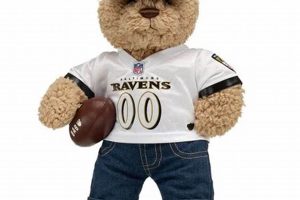
Clothing provides a powerful means of personalization, imbuing the bear with character and narrative. A simple knitted sweater suggests warmth and comfort, while a miniature replica of a historical costume evokes a sense of time and place. Clothing choices reflect the bear’s intended personality, whether it be a playful child, a sophisticated traveler, or a whimsical character from a storybook. The fit, fabric, and detailing of the clothing contribute significantly to the overall aesthetic and perceived value.
- Bows and Ribbons
Bows and ribbons offer classic embellishments, adding a touch of elegance or playfulness. A satin bow tied around the neck conveys a sense of formality, while a brightly colored grosgrain ribbon adds a touch of whimsy. The placement, size, and material of the bow or ribbon contribute to the bear’s overall aesthetic and can signify specific occasions or themes. A strategically placed bow can draw attention to the bear’s facial features or complement its clothing.
- Embroidery and Appliqu
Embroidery and appliqu techniques provide opportunities for personalized details and intricate designs. Embroidered initials, dates, or special messages add sentimental value, transforming the bear into a cherished keepsake. Appliqud motifs, such as flowers, hearts, or geometric patterns, enhance the bear’s visual appeal and contribute to its narrative. These techniques allow for intricate detailing and personalized touches, enhancing the bear’s uniqueness.
- Jewelry and Charms
Small-scale jewelry, such as miniature lockets, pendants, or charms, adds a touch of elegance and sophistication. These details, carefully chosen to complement the bear’s overall design, enhance its perceived value and contribute to its narrative. A delicate silver locket might contain a miniature photograph, adding a personal touch, while a charm shaped like a key might symbolize unlocking a special memory. These small details contribute significantly to the bear’s overall charm and personality.
The thoughtful selection and application of accessories and embellishments elevate teddy bear design, transforming simple forms into unique and cherished companions. These details, reflecting the creator’s vision and the bear’s intended personality, contribute significantly to its emotional resonance and enduring appeal. From clothing and bows to embroidery and jewelry, these finishing touches imbue the bear with character and narrative, solidifying its place as a treasured keepsake or a beloved playmate.
7. Construction Techniques
Construction techniques are fundamental to the creation of a well-crafted and durable teddy bear. These techniques, ranging from basic seam construction to advanced jointing methods, directly influence the bear’s structural integrity, poseability, and overall aesthetic. A thorough understanding of these techniques is essential for achieving a professional finish and ensuring the longevity of the finished piece.
- Pattern Making and Cutting
Precise pattern making and accurate cutting are foundational steps. Well-drafted patterns ensure proper proportions and minimize fabric waste. Accurate cutting, following the pattern guidelines precisely, ensures that the individual pieces fit together seamlessly during assembly. Careful attention to grain lines and fabric nap maximizes the material’s integrity and contributes to a polished final product. For example, improperly cut fabric can lead to distorted shapes and compromised seam strength.
- Seam Construction and Finishing
Secure and durable seams are crucial for a teddy bear’s longevity. Strong, even stitching, using appropriate thread weight and stitch type, ensures the bear can withstand handling and play. Seam finishes, such as serging or pinking shears, prevent fraying and contribute to a professional look. Reinforcing seams at stress points, like joints and limb attachments, further enhances the bear’s durability. Hidden seams, where the raw edges are enclosed within the seam allowance, create a clean finish and minimize the risk of fraying.
- Jointing Methods
Jointing methods determine the bear’s poseability and range of motion. Traditional techniques, such as cotter pin joints or button joints, provide secure and durable articulation. More advanced methods, like disc or lock-nut joints, offer greater flexibility and range of motion, allowing the bear to be posed in a variety of positions. The choice of jointing method depends on the bear’s intended use and desired level of articulation. A collector’s item might feature intricate jointing for display purposes, while a child’s toy might utilize simpler, more robust joints to withstand rigorous play.
- Stuffing and Shaping
Proper stuffing techniques are essential for achieving a smooth, even shape and desired firmness. Evenly distributed filling prevents lumps and ensures the bear maintains its form over time. Different filling materials, such as polyester fiberfill or wool stuffing, offer varying levels of firmness and resilience. The amount of stuffing used influences the bear’s overall feel and weight. A densely stuffed bear offers a firm, supportive feel, while a lightly stuffed bear provides a more relaxed and cuddly experience. Skilled stuffing and shaping contribute significantly to the bear’s tactile appeal and overall aesthetic.
Mastery of these construction techniques is essential for transforming a design concept into a well-crafted and enduring teddy bear. The interplay of pattern making, seam construction, jointing methods, and stuffing techniques dictates the bear’s structural integrity, poseability, and overall aesthetic. Careful attention to these details ensures the creation of a high-quality piece, whether intended as a cherished gift, a beloved playmate, or a treasured collectible.
Frequently Asked Questions
This section addresses common inquiries regarding the creation of custom teddy bears. The provided information aims to clarify potential uncertainties and offer practical guidance for those embarking on this creative endeavor.
Question 1: What materials are recommended for beginners?
readily available and cost-effective materials like plush fabric, polyester fiberfill, and basic sewing supplies are recommended for initial projects. These materials allow for experimentation and skill development without significant financial investment.
Question 2: How complex are traditional jointing methods?
Traditional jointing methods, such as cotter pin or button joints, are relatively straightforward to learn with practice. Numerous online tutorials and instructional resources offer step-by-step guidance for mastering these techniques.
Question 3: What safety considerations are relevant when designing for children?
Safety is paramount when designing for children. Non-toxic materials, securely attached features, and age-appropriate designs are essential. Embroidered eyes are generally preferred over plastic or glass eyes to eliminate choking hazards. Adherence to relevant safety standards is highly recommended.
Question 4: How can one achieve a professional finish without specialized equipment?
Careful attention to detail, precise stitching, and proper finishing techniques contribute to a professional appearance even without specialized equipment. Thorough pressing, trimming stray threads, and using appropriate seam finishes enhance the overall quality of the finished piece.
Question 5: Where can one find reliable patterns and design inspiration?
Numerous online resources, craft books, and dedicated teddy bear supply stores offer a wide range of patterns and design inspiration. Exploring these resources can provide valuable insights and spark creative ideas.
Question 6: What are the advantages of using higher-quality materials, such as mohair?
Higher-quality materials, such as mohair, offer enhanced durability, a luxurious feel, and contribute to a more refined finished product. These materials often hold their shape better over time and provide a greater sense of realism and artistry.
Addressing these common inquiries provides a solid foundation for embarking on the rewarding journey of teddy bear creation. Careful planning, attention to detail, and a willingness to learn contribute significantly to the successful realization of one’s creative vision.
The subsequent section delves into advanced techniques for experienced creators, exploring specialized tools and intricate design elements.
Designing a Teddy Bear
Crafting a teddy bear involves a multifaceted process encompassing material selection, design principles, construction techniques, and personalized embellishments. From the initial concept to the final stitch, each element contributes to the bear’s unique character and enduring appeal. Careful consideration of purpose, size, shape, fabric, color, facial features, and accessories shapes the final product. A thorough understanding of construction techniques, including pattern making, seam construction, jointing methods, and stuffing techniques, ensures a well-crafted and durable creation.
The endeavor offers a tangible expression of creativity and craftsmanship. Whether intended as a cherished gift, a beloved playmate, or a treasured collectible, a thoughtfully designed teddy bear embodies artistry and sentiment. The potential for personalization and the integration of individual expression transform each creation into a unique and meaningful piece, carrying stories and emotions within its stitched seams. The enduring appeal of teddy bears lies not only in their cuddly forms but also in the creative journey that brings them to life.