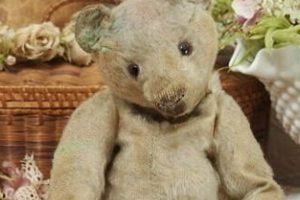
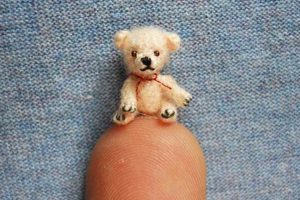
High-end plush toys often represent a significant departure from mass-produced playthings. These meticulously crafted collectibles are typically made with premium materials such as mohair, alpaca, or silk, and may feature intricate detailing like hand-stitched embroidery or antique embellishments. Examples include limited-edition bears from renowned manufacturers like Steiff or Hermann, or bespoke creations from independent artists.
The value of these upscale toys extends beyond mere playthings. They can serve as cherished heirlooms, embodying sentimental value and capturing a moment in time. Historically, handcrafted bears have been gifted to mark special occasions, serving as tangible reminders of significant events. The enduring popularity of these collectibles is further fueled by their potential for appreciation in value, making them attractive investments for discerning collectors. Moreover, the market for luxury plush toys often supports skilled artisans and traditional craftsmanship, preserving valuable techniques and contributing to a unique artistic landscape.
This exploration delves into the multifaceted world of these treasured collectibles, examining their craftsmanship, historical significance, and the factors contributing to their enduring appeal. Topics covered include the history of renowned manufacturers, the artistry involved in creating these unique pieces, and the growing market for high-end plush toys.
Tips for Acquiring and Caring for High-End Plush Toys
Acquiring and maintaining premium-quality plush toys requires careful consideration and attention to detail. The following tips offer guidance for collectors and enthusiasts.
Tip 1: Research and Authentication: Thorough research is crucial before any purchase. Investigate the manufacturer’s history, look for certificates of authenticity, and examine the toy for hallmarks of quality craftsmanship. Reputable dealers and auction houses can provide valuable expertise and verification.
Tip 2: Material Assessment: Evaluate the materials used. High-quality plush toys are often made with mohair, alpaca, or silk. Assess the density and feel of the fur, noting any unique characteristics or textures.
Tip 3: Construction Quality: Examine stitching, joint mechanisms, and facial features. Hand-stitching and securely fastened joints are indicators of superior craftsmanship. Look for well-defined and expressive features.
Tip 4: Limited Editions and Provenance: Limited edition pieces and those with documented provenance often command higher values. Seek out toys with accompanying paperwork, such as original boxes, certificates, or historical documentation.
Tip 5: Proper Storage: Protect investments by storing them in a cool, dry environment away from direct sunlight. Avoid overcrowding and use acid-free tissue paper to prevent discoloration and maintain the integrity of the materials.
Tip 6: Handling and Cleaning: Gentle handling is paramount. Avoid excessive squeezing or rough play. Consult a professional for cleaning and restoration, especially for antique or delicate pieces.
Tip 7: Insurance and Appraisal: Consider insuring valuable plush toys against damage or loss. Regular appraisals can help track their value and ensure adequate coverage.
By adhering to these guidelines, collectors can ensure the long-term preservation and enjoyment of these treasured objects. Proper care and informed decision-making contribute to the lasting value and legacy of these unique collectibles.
These considerations provide a foundation for appreciating the artistry and investment potential of high-end plush toys. The subsequent conclusion summarizes the key elements discussed and reinforces their significance within the broader context of collecting and craftsmanship.
1. Rarity

Rarity plays a crucial role in determining the value of high-end plush toys. Scarcity increases desirability, driving prices upward for collectors seeking unique and exclusive items. This section explores the key facets contributing to rarity in the context of these sought-after collectibles.
- Limited Production Numbers
Manufacturers often release limited edition bears, creating inherent scarcity. A pre-determined production run, sometimes numbered, ensures that only a finite number of these toys exist. This restricted availability fuels demand among collectors. For instance, Steiff’s annual limited editions are highly anticipated and often sell out quickly.
- Discontinued Lines and Vintage Bears
Bears from discontinued product lines or those manufactured decades ago become increasingly rare as time passes. Vintage or antique bears, especially those in good condition, are particularly prized by collectors. The scarcity of these older pieces reflects both their limited original production and the attrition of surviving examples. A Steiff bear from the 1920s, for example, is inherently rarer than a contemporary model.
- Unique Materials and Designs
Bears crafted from unusual materials or featuring unique designs are inherently rarer. This might include the use of special fabrics, custom embroidery, or innovative design features. A bear made with vintage silk or one featuring a bespoke outfit designed by a renowned artist represents a unique creation, contributing to its rarity and value. These unique attributes differentiate them from mass-produced toys.
- Historical Significance and Provenance
Bears with documented historical significance or provenance achieve a level of rarity extending beyond manufacturing limitations. Bears associated with historical figures, events, or those with a clear chain of ownership documented through provenance paperwork become exceptionally rare. This historical context imbues them with added value, further increasing their desirability among collectors.
These facets of rarity intertwine to establish a hierarchy of value within the market for high-end plush toys. The convergence of limited production, historical context, and unique design elements results in exceptionally rare and highly sought-after collectibles. Understanding these factors provides valuable insight into the dynamics driving desirability and price within this specialized market.
2. Materials (Mohair, Alpaca)

The materials used in crafting plush toys directly influence their value, durability, and aesthetic appeal. In the realm of high-end plush toys, premium materials like mohair and alpaca distinguish these collectibles from mass-produced alternatives. This section explores the significance of these materials and their contribution to the overall value and desirability of expensive teddy bears.
- Mohair
Mohair, derived from the Angora goat, is a luxurious fiber prized for its softness, durability, and luster. Its unique properties allow for intricate detailing and a realistic fur-like texture. Steiff, a renowned manufacturer of high-end plush toys, has long favored mohair for its premium bears. The use of mohair contributes significantly to the elevated price point of these collectibles, reflecting the inherent quality and craftsmanship involved.
- Alpaca
Alpaca fiber, sourced from the Alpaca, offers exceptional softness and warmth. Its hypoallergenic nature and resistance to pilling make it a desirable material for plush toys. While less common than mohair, alpaca’s luxurious feel and unique properties enhance the desirability and value of high-end bears. Certain manufacturers specialize in using alpaca, creating distinctive and highly sought-after pieces.
- Synthetic Alternatives
While natural fibers dominate the high-end market, synthetic alternatives offer durability and affordability. Plush toys made with high-quality synthetic fibers can provide a softer, more accessible option, while still maintaining a level of craftsmanship and attention to detail. These alternatives cater to a broader market while allowing for intricate designs and varied textures.
- Material Impact on Value
The choice of material directly impacts a plush toy’s value. Mohair and alpaca, due to their inherent quality and desirability, contribute to higher price points. The density, length, and overall quality of the fiber influence the final cost. Furthermore, the use of rare or vintage materials, such as antique mohair, can significantly increase a bear’s value due to its scarcity and historical significance.
The selection of materials represents a crucial aspect of craftsmanship in high-end plush toys. The use of premium fibers like mohair and alpaca distinguishes these collectibles, contributing to their luxurious feel, enduring appeal, and elevated market value. The interplay between material quality, craftsmanship, and market demand establishes a complex dynamic that ultimately determines the value and desirability of these treasured objects.
3. Brand (Steiff, Hermann)
Specific brands hold significant weight in the market for high-end plush toys, often commanding premium prices due to their history, reputation for quality, and collectability. Steiff and Hermann, two prominent names in the industry, exemplify this phenomenon. Their influence on the perception and valuation of expensive teddy bears warrants detailed exploration.
- Steiff’s Legacy of Innovation and Quality
Founded in 1880, Steiff established itself early as an innovator in plush toy manufacturing. The company’s use of high-quality materials, such as mohair, and its patented “button in ear” trademark became hallmarks of quality and authenticity. Steiff’s limited edition releases and collaborations with renowned artists further enhance their desirability and collectability, driving prices upward. A vintage Steiff bear in pristine condition can fetch thousands of dollars at auction, reflecting the brand’s enduring legacy.
- Hermann’s Artistry and Limited Production
Hermann Coburg, founded in 1920, gained recognition for its meticulously crafted, limited-edition bears. Often made with premium mohair and featuring intricate detailing, Hermann bears appeal to discerning collectors. The company’s focus on artistry and craftsmanship, combined with limited production numbers, contributes to their higher price point. Certain rare Hermann bears, especially those with unique designs or historical significance, command substantial prices among collectors.
- Brand Recognition and Market Value
Brand recognition serves as a crucial factor influencing the price of high-end plush toys. Established brands like Steiff and Hermann benefit from decades of reputation-building and a loyal collector base. This established reputation translates into higher market values, as collectors are often willing to pay a premium for the assurance of quality and authenticity associated with a recognized brand. The presence of original tags, boxes, and certificates of authenticity further enhances value, particularly for vintage or limited-edition pieces.
- Beyond Steiff and Hermann: Other Notable Makers
While Steiff and Hermann dominate the high-end market, other notable manufacturers contribute to the landscape of expensive plush toys. Companies like Merrythought, Dean’s Rag Book Co., and R. John Wright Dolls produce high-quality collectibles that appeal to discerning collectors. These manufacturers often focus on specific niches, such as traditional designs or character-based creations, further diversifying the market for high-end plush toys.
The brand associated with a plush toy exerts a significant influence on its market value, especially in the realm of expensive teddy bears. Established brands like Steiff and Hermann, along with other notable manufacturers, shape collector demand and contribute to the enduring appeal of these treasured objects. Understanding the history, craftsmanship, and market dynamics associated with specific brands provides essential insights into the complex world of high-end plush toy collecting.
4. Craftsmanship (Handmade, Antique)
Craftsmanship stands as a pivotal factor influencing the value and desirability of expensive teddy bears. The meticulous detail, hand-stitched precision, and use of traditional techniques elevate these plush toys from mass-produced playthings to cherished collectibles. This exploration delves into the key facets of craftsmanship that contribute to the elevated status and price of these sought-after objects.
- Hand-Stitching and Jointing Techniques
Hand-stitching, a hallmark of traditional teddy bear craftsmanship, distinguishes high-end pieces. The time and skill required for hand-stitching contribute significantly to a bear’s value. Intricate jointing techniques, often employing cotter pin or disc joints, allow for poseability and durability. These traditional methods, rarely found in mass-produced toys, exemplify the meticulous attention to detail characteristic of expensive teddy bears. For example, early Steiff bears are known for their meticulously hand-stitched features and robust jointing.
- Material Selection and Embellishments
Material selection goes beyond the type of fur used. Antique or rare mohair, silk, or even vintage fabrics contribute to a bear’s uniqueness and value. Hand-embroidered facial features, glass eyes, and antique accessories further enhance their appeal. The use of high-quality materials and intricate embellishments reflects the artisan’s dedication to creating an heirloom-quality piece. A bear adorned with antique lace or featuring hand-painted glass eyes exemplifies this commitment to detail.
- Antique Bears and Restoration Techniques
Antique bears, particularly those in good condition or professionally restored, represent a unique category of collectible. Restoration requires specialized skills to preserve the bear’s original character while addressing wear and tear. The rarity and historical significance of antique bears, coupled with expert restoration, contribute to their substantial market value. A pre-1920s Steiff bear, carefully restored to its former glory, exemplifies the value placed on preserving these historical artifacts.
- The Artistry of Contemporary Bear Makers
Contemporary artisans continue the tradition of handcrafting teddy bears, often pushing the boundaries of design and technique. These artists create one-of-a-kind or limited-edition bears, employing innovative materials and intricate detailing. The unique artistry and limited availability of these contemporary creations often command high prices, appealing to collectors seeking unique and exquisitely crafted pieces. A bespoke bear created by a renowned contemporary artist, using unique materials and innovative design elements, exemplifies this evolving field.
The intersection of meticulous handcraftsmanship, material selection, and historical context distinguishes expensive teddy bears. Whether antique or contemporary, the value of these collectibles stems from the dedication to quality, artistry, and the enduring appeal of handcrafted objects. This emphasis on craftsmanship positions these plush toys not merely as playthings, but as treasured works of art, reflecting a rich history and enduring legacy.
5. Historical Significance
Historical significance plays a crucial role in determining the value of expensive teddy bears. The connection between a bear’s past and its present market value stems from several factors, including provenance, association with historical events, and the evolution of manufacturing techniques. Bears with documented provenance, tracing ownership through time, often command higher prices. A clear lineage establishes authenticity and adds a layer of narrative, increasing desirability among collectors. For instance, a teddy bear belonging to a prominent historical figure, with documented ownership history, would likely hold substantial value.
Association with significant historical events can also impact a bear’s worth. Bears produced during wartime, or those representing specific cultural moments, gain value through their connection to these periods. A teddy bear manufactured during World War I, for example, reflecting the wartime shortages and material substitutions of that era, would hold historical significance. Similarly, bears commemorating specific historical events, such as royal coronations or world fairs, acquire added value due to their association with these occasions. These tangible links to the past imbue these objects with a narrative that resonates with collectors.
The evolution of manufacturing techniques also contributes to historical significance. Early teddy bears, often handmade with primitive materials and simpler designs, offer insights into the history of plush toy production. These early examples represent a significant stage in the development of the modern teddy bear. The shift from handcrafted toys to mass-produced items marks a pivotal moment in manufacturing history. Examining the construction techniques, materials used, and design elements of antique bears provides valuable insight into this historical progression. Therefore, an early Steiff bear, showcasing the company’s innovative use of mohair and its early jointing mechanisms, holds historical significance beyond its inherent monetary value. Understanding these historical nuances allows collectors to appreciate the broader context surrounding these cherished objects.
Frequently Asked Questions about High-Value Plush Toys
This section addresses common inquiries regarding the acquisition, care, and valuation of high-value plush toys. Clear and concise responses aim to provide practical guidance for collectors and enthusiasts.
Question 1: What factors contribute most significantly to a plush toy’s value?
Rarity, brand recognition (e.g., Steiff, Hermann), material quality (e.g., mohair, alpaca), craftsmanship (e.g., hand-stitching), and historical significance are primary determinants of value. A confluence of these factors can result in exceptional valuations.
Question 2: How can one authenticate a vintage or antique plush toy?
Thorough research is essential. Examine the toy for manufacturer’s marks, tags, and buttons. Consult reputable dealers, auction houses, or independent appraisers specializing in plush toys for expert authentication services. Certificates of authenticity accompanying the toy add to its provenance.
Question 3: What are the best practices for storing and preserving high-value plush toys?
Store in a cool, dry environment away from direct sunlight and humidity. Avoid overcrowding and use acid-free tissue paper for wrapping. Regular dusting with a soft brush helps maintain cleanliness. Professional cleaning and restoration are recommended for delicate or antique pieces.
Question 4: Where are the best places to acquire these collectibles?
Reputable auction houses, antique shops, specialized dealers, and online marketplaces specializing in vintage and antique toys are potential sources. Exercise caution when purchasing online and verify the seller’s reputation and authenticity guarantees.
Question 5: Are high-value plush toys a good investment?
While certain plush toys have appreciated significantly over time, viewing them solely as financial investments carries inherent risks. Market fluctuations, changing collector preferences, and the potential for damage can influence value. Acquiring pieces based on personal appreciation and historical significance provides a more stable foundation for collecting.
Question 6: How can one determine the current market value of a plush toy?
Consulting recent auction records, price guides specializing in plush toys, and obtaining appraisals from qualified professionals offer insights into current market values. Factors such as condition, rarity, and provenance influence valuations significantly.
Careful consideration of these factors provides a foundation for navigating the market for high-value plush toys. Informed decision-making and meticulous care contribute to the preservation and enjoyment of these treasured collectibles.
The following conclusion summarizes the key aspects discussed throughout this exploration and offers final insights into the world of expensive teddy bears.
Expensive Teddy Bears
This exploration has delved into the multifaceted world of high-value plush toys, examining the factors that contribute to their elevated status and price. From the legacy of renowned manufacturers like Steiff and Hermann to the meticulous craftsmanship involved in hand-stitching and material selection, the value of these collectibles extends beyond mere sentimentality. Rarity, historical significance, and the use of premium materials like mohair and alpaca all play crucial roles in determining market value. The interplay of these factors establishes a complex dynamic, driving demand among discerning collectors and enthusiasts. Understanding these nuances provides a foundation for appreciating the artistry, history, and investment potential inherent in these treasured objects.
The market for expensive teddy bears reflects a convergence of artistry, history, and investment potential. As collecting trends evolve and appreciation for handcrafted objects endures, these meticulously crafted collectibles retain their allure. Further research and engagement with reputable experts and fellow enthusiasts can deepen understanding and appreciation for these unique and enduring treasures. Preserving these objects contributes to the ongoing narrative of craftsmanship, artistry, and the enduring legacy of these cherished companions.