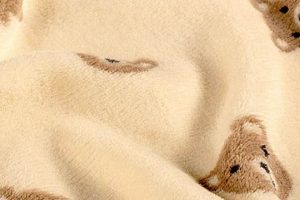
Plush toys equipped with a mechanism that simulates a rhythmic, gentle heartbeat are designed to soothe and comfort infants. These toys often offer additional features like white noise or vibration, mimicking the familiar sensations of the womb. A typical example is a soft, cuddly bear with a battery-operated device inside producing a heartbeat sound.
The soothing sounds and tactile experience offered by these comforting companions can ease the transition from womb to world, potentially reducing anxiety and promoting sleep. This can be particularly helpful for newborns adjusting to the unfamiliar environment outside the womb. Historically, parents have employed various methods to calm infants, including rocking, shushing, and swaddling. These simulated heartbeat toys offer a modern approach to replicating these comforting sensations, offering a consistent source of reassurance for the baby.
Further exploration of this topic will cover the different types of heartbeat toys available, their impact on infant development, parental experiences and recommendations, and potential safety considerations.
Tips for Utilizing Soothing Heartbeat Toys
Optimal use of heartbeat toys can maximize their calming effects on infants. Careful consideration of placement, volume, and hygiene practices ensures safe and effective use.
Tip 1: Introduce the toy gradually. Rather than placing the toy directly into the crib with a newborn, allow the infant to become accustomed to its presence. Initial short periods of exposure during awake time can facilitate familiarity.
Tip 2: Monitor volume levels. The simulated heartbeat should be soft and gentle, mimicking the muffled sound experienced in the womb. Excessively loud sounds can be startling and counterproductive.
Tip 3: Supervise usage. While these toys offer comfort, direct supervision is crucial, especially for younger infants. Ensure the toy remains in a safe position and does not pose a suffocation hazard.
Tip 4: Maintain hygiene. Regular cleaning of the toy is essential to prevent the accumulation of dust and allergens. Follow manufacturer instructions for cleaning and ensure thorough drying before returning it to the infant.
Tip 5: Observe infant response. Every infant responds differently to stimuli. Observe the infant’s reactions to the heartbeat toy and adjust usage accordingly. If signs of distress are observed, discontinue use.
Tip 6: Consider alternative comfort measures. Heartbeat toys are one of many tools available for soothing infants. Combining their use with other methods like swaddling or gentle rocking can enhance their effectiveness.
Tip 7: Discontinue use as the child grows. As the infant develops and transitions to different sleep patterns, the need for a heartbeat toy may diminish. Monitor the child’s dependence on the toy and phase it out when appropriate.
By following these guidelines, caregivers can ensure that these comforting aids are utilized safely and effectively, promoting a sense of calm and security for newborns.
These practical tips provide a foundation for effectively integrating heartbeat toys into an infant’s routine. Ultimately, parental observation and responsiveness to the infant’s individual needs remain paramount.
1. Comfort and Security

The fundamental need for comfort and security in newborns is deeply intertwined with their overall well-being and development. A heartbeat teddy bear, designed to mimic the soothing sounds and sensations experienced in the womb, plays a significant role in addressing this essential need. Understanding the specific ways these toys contribute to a newborn’s sense of comfort and security offers valuable insights into their potential benefits.
- Auditory Soothing
The rhythmic pulse emitted by the teddy bear replicates the familiar sound of a mother’s heartbeat, creating a calming auditory environment. This familiar sound can reduce anxiety and promote a sense of security, particularly during transitions from sleep to wakefulness or in unfamiliar surroundings. The consistent presence of this gentle sound can be especially beneficial for infants experiencing separation anxiety or difficulty settling down.
- Tactile Comfort
The soft texture and cuddly nature of the teddy bear provide a comforting tactile experience. The physical presence of a soft object to hold onto can offer a sense of security and reassurance. This tactile stimulation can be particularly beneficial for infants who find comfort in physical touch and closeness.
- Emotional Regulation
The combined auditory and tactile stimulation provided by the heartbeat teddy bear can contribute to emotional regulation in newborns. The familiar sensations can help soothe distress, reduce crying, and promote calmness. This can be particularly valuable during periods of fussiness or overstimulation.
- Transitional Object
A heartbeat teddy bear can function as a transitional object, providing a consistent source of comfort and security as the infant navigates new experiences. This constant companion can ease the transition from the familiar environment of the womb to the outside world, offering a sense of stability and familiarity.
By addressing the core need for comfort and security through auditory and tactile stimulation, a heartbeat teddy bear can contribute significantly to an infant’s well-being and facilitate a smoother transition into the world outside the womb. This understanding underscores the importance of these seemingly simple toys in providing essential comfort and promoting a sense of security during a crucial period of development.
2. Sleep Aid
The association between sleep aids and heartbeat teddy bears for newborns stems from the creation of a sleep-conducive environment. Newborns, accustomed to the rhythmic sounds and enclosed comfort of the womb, often find the transition to the outside world disruptive to their sleep patterns. A heartbeat teddy bear addresses this disruption by replicating familiar intrauterine sensations. The gentle, rhythmic pulse of the toy mimics the mother’s heartbeat, creating a soothing auditory backdrop that can lull a newborn to sleep. This auditory stimulation, combined with the soft, tactile comfort of the plush toy, can promote relaxation and reduce sleep-onset latency. For example, a newborn experiencing difficulty settling down might find comfort and fall asleep more readily when cuddling a heartbeat teddy bear. This can be particularly beneficial for infants struggling with colic or exhibiting signs of overstimulation. The consistent presence of a familiar, soothing rhythm can aid in establishing regular sleep patterns, a critical component of healthy infant development.
The efficacy of a heartbeat teddy bear as a sleep aid lies in its ability to reduce environmental stressors that contribute to infant sleep disturbances. White noise, often incorporated into these toys, masks disruptive background noises, creating a more consistent and peaceful auditory environment. This can be especially helpful in households with other children or pets. The gentle vibrations some heartbeat teddy bears offer can further enhance relaxation and promote sleep by mimicking the subtle movements experienced in utero. Furthermore, the teddy bear itself serves as a comforting presence, offering a sense of security that can ease separation anxiety and promote longer, more restful sleep periods. Parents reporting improved infant sleep after introducing a heartbeat teddy bear provide anecdotal evidence supporting the toys sleep-inducing benefits.
Understanding the relationship between sleep aids and heartbeat teddy bears allows caregivers to optimize their use for promoting healthy infant sleep. While these toys offer valuable support, they should be viewed as part of a broader sleep hygiene strategy. Factors such as establishing a consistent bedtime routine, creating a dark and quiet sleep environment, and ensuring appropriate room temperature remain crucial for optimal infant sleep. The judicious use of a heartbeat teddy bear, integrated into a comprehensive sleep routine, can significantly contribute to a newborns sleep quality and overall well-being. Recognizing the potential challenges, such as over-reliance or the development of sleep associations, ensures that the benefits of these comforting aids are maximized without creating unintended dependencies.
3. Transitional Object

The concept of a transitional object holds significant relevance in understanding the role of a heartbeat teddy bear for newborns. These objects, often soft and cuddly, provide comfort and security during times of stress or transition, bridging the gap between dependence and independence. A heartbeat teddy bear, with its soothing rhythmic pulse and soft texture, embodies the qualities of a transitional object, offering a sense of continuity and familiarity as the newborn adapts to the world outside the womb.
- Security and Comfort
Transitional objects offer a sense of security and comfort, especially during periods of separation or anxiety. A heartbeat teddy bear, mimicking the familiar sounds and sensations of the womb, can provide this much-needed reassurance. For instance, a newborn placed in a crib might feel less anxious clutching a heartbeat teddy bear, associating it with the comfort and security previously experienced in the mother’s arms.
- Emotional Regulation
These objects can aid in emotional regulation by providing a tangible focus for comfort and self-soothing. The rhythmic pulse of the heartbeat teddy bear can have a calming effect, helping newborns manage stress and regulate their emotional responses. Observing an infant quietly sucking their thumb while clutching a heartbeat teddy bear demonstrates this self-soothing behavior.
- Bridge to Independence
Transitional objects facilitate the gradual shift towards independence. The heartbeat teddy bear acts as a constant companion, providing a sense of familiarity and continuity as the infant explores new environments and experiences. This allows for a smoother transition towards independent exploration and play.
- Symbolic Representation
Transitional objects can hold symbolic meaning for infants, representing comfort, security, and connection to caregivers. The heartbeat teddy bear, imbued with the familiar maternal heartbeat, can become a powerful symbol of comfort and reassurance, especially during periods of separation. This symbolic significance contributes to the object’s ability to soothe and calm the infant.
The multifaceted role of a heartbeat teddy bear as a transitional object underscores its significance in supporting newborns through a crucial period of development. By providing comfort, security, and aiding in emotional regulation, these objects contribute to the infant’s overall well-being and facilitate a smoother transition to the outside world. Further research exploring the long-term effects of transitional objects and their impact on emotional development could provide valuable insights into their enduring significance.
4. Mimicking Womb Sounds

The efficacy of heartbeat teddy bears for newborns rests significantly on their ability to replicate the familiar auditory environment of the womb. These sounds, experienced consistently for nine months, become deeply ingrained and associated with comfort and security. Replicating these sounds plays a crucial role in easing the newborn’s transition into the external world, reducing anxiety, and promoting a sense of calm.
- Maternal Heartbeat
The most prominent and impactful sound experienced in utero is the rhythmic beat of the mother’s heart. This consistent, predictable sound becomes a source of comfort and reassurance for the developing fetus. Heartbeat teddy bears aim to replicate this crucial sound, providing a familiar auditory anchor in the otherwise unfamiliar environment outside the womb. Studies suggest that exposure to a simulated heartbeat can have a calming effect on newborns, reducing stress hormones and promoting physiological stability. A newborn resting peacefully against a heartbeat teddy bear demonstrates the potential soothing power of this familiar sound.
- Intrauterine Noises
Beyond the maternal heartbeat, the womb presents a complex tapestry of sounds, including muffled voices, rushing blood flow, and digestive noises. While not as distinct as the heartbeat, these sounds contribute to the overall auditory environment experienced by the fetus. Some heartbeat teddy bears incorporate white noise or other ambient sounds designed to mimic this intrauterine soundscape. The gentle whooshing of white noise can mask disruptive external sounds, creating a more consistent and womb-like auditory experience. This can be particularly beneficial in busy households or environments with unpredictable noises.
- Filtered External Sounds
While in the womb, the fetus is also exposed to filtered external sounds, such as voices and music. These sounds, though muffled, contribute to the developing auditory system and can become familiar and comforting. While heartbeat teddy bears primarily focus on replicating internal womb sounds, the muffled nature of the simulated heartbeat itself can evoke a sense of the filtered auditory experience of the womb. This further enhances the feeling of familiarity and security, aiding the newborn’s adaptation to the outside world.
- Impact on Neurodevelopment
Emerging research suggests that exposure to familiar womb sounds during early infancy may positively influence neurodevelopment. The consistent, predictable nature of these sounds can promote a sense of stability and reduce stress, which are crucial for optimal brain development. The use of heartbeat teddy bears, by replicating these sounds, may contribute to this positive impact, although further research is needed to fully understand the long-term effects.
By effectively mimicking the complex auditory environment of the womb, heartbeat teddy bears provide a valuable tool for soothing newborns, promoting sleep, and easing the transition to the external world. The replication of these key sounds taps into a deeply ingrained sense of comfort and security, offering a familiar anchor during a period of significant change and adaptation. Further investigation into the specific impact of individual womb sounds and their long-term effects on infant development could provide valuable insights into optimizing the design and application of these comforting aids.
5. Parental Relief
The introduction of a heartbeat teddy bear often correlates with a sense of relief for parents navigating the challenges of newborn care. The demanding nature of newborn care, characterized by frequent feedings, interrupted sleep, and the constant need for soothing, can contribute to parental stress and fatigue. A tool that offers even a brief respite or aids in calming a fussy infant can significantly impact parental well-being. The potential for a heartbeat teddy bear to provide such relief warrants exploration.
- Reduced Crying and Fussiness
Newborn crying, while a normal form of communication, can be distressing for parents. A heartbeat teddy bear, by mimicking the familiar sounds and sensations of the womb, may soothe a fussy infant, leading to reduced crying episodes. This can provide parents with a much-needed break and reduce feelings of helplessness or frustration. A parent observing their previously inconsolable newborn quietly comforted by a heartbeat teddy bear might experience a profound sense of relief.
- Improved Sleep Quality
Sleep deprivation is a common challenge for new parents. A heartbeat teddy bear’s potential to aid in infant sleep can have a ripple effect on parental sleep quality. Even a slight increase in infant sleep duration can provide parents with more consolidated rest, improving their overall well-being and ability to cope with the demands of newborn care. A parent finally able to experience a few uninterrupted hours of sleep due to their infant’s improved sleep patterns, facilitated by a heartbeat teddy bear, understands the tangible relief it offers.
- Increased Sense of Control
The unpredictable nature of newborn care can leave parents feeling overwhelmed and lacking control. A heartbeat teddy bear, by offering a predictable and often effective method for soothing an infant, can restore a sense of agency and control. This can reduce parental anxiety and empower them to manage challenging situations more effectively. A parent successfully calming their infant with a heartbeat teddy bear might feel more confident and in control of the situation, reducing their overall stress levels.
- Enhanced Bonding Opportunities
While the heartbeat teddy bear offers comfort and security to the infant, it can also indirectly facilitate bonding between parent and child. By reducing stress and promoting calmness in both the infant and caregiver, it creates a more conducive environment for positive interaction. The shared experience of comfort and security fostered by the heartbeat teddy bear can contribute to a deeper connection between parent and child.
The potential for parental relief offered by a heartbeat teddy bear extends beyond simply calming a fussy infant. By contributing to improved infant sleep, reducing parental stress, and fostering a sense of control, these comforting companions can significantly impact the overall well-being of the entire family. While individual experiences vary, the documented benefits highlight the valuable role these seemingly simple objects can play in navigating the challenges of newborn care and supporting parental well-being during a demanding period. Further research exploring the specific ways in which heartbeat teddy bears contribute to parental stress reduction and improve family dynamics could provide valuable insights for supporting new parents.
Frequently Asked Questions
Addressing common inquiries regarding heartbeat teddy bears for newborns provides clarity for caregivers considering their use. The following questions and answers offer practical guidance and address potential concerns.
Question 1: At what age is a heartbeat teddy bear most appropriate for an infant?
While parental discretion is advised, these toys are generally most suitable for newborns and infants up to six months of age. During this period, the familiar rhythmic sounds and tactile sensations offer the greatest comfort and support as the infant adjusts to the outside world.
Question 2: Are there safety concerns associated with using heartbeat teddy bears?
As with any infant product, responsible usage is paramount. Ensure the device within the toy is securely fastened and inaccessible to the infant. Supervise usage, especially for younger infants, and remove the toy from the crib during sleep once the infant exhibits signs of rolling or increased mobility to mitigate suffocation hazards. Adhering to manufacturer guidelines regarding battery replacement and cleaning is essential.
Question 3: Can a heartbeat teddy bear replace parental comfort and interaction?
These toys serve as a supplemental comfort measure, not a replacement for parental presence and interaction. Human connection remains crucial for infant development. Heartbeat teddy bears provide a supportive tool for soothing and calming, allowing parents to address other needs while ensuring the infant feels secure.
Question 4: What are the potential benefits of using a heartbeat teddy bear?
Potential benefits include improved sleep quality, reduced anxiety and fussiness, and a smoother transition from the womb to the external world. The rhythmic pulse and soft texture can offer a sense of comfort and security, promoting relaxation and emotional regulation. Observed benefits may vary depending on individual infant temperament and needs.
Question 5: How should a heartbeat teddy bear be cleaned?
Refer to the manufacturer’s instructions for specific cleaning guidelines. Generally, surface cleaning with a damp cloth and mild detergent is recommended. Ensure the electronic components remain dry. Regular cleaning prevents the accumulation of dust and allergens, maintaining a hygienic environment for the infant.
Question 6: What is the typical lifespan of a heartbeat teddy bear’s mechanism?
The lifespan varies depending on usage frequency and battery type. Most heartbeat mechanisms operate for several months with regular use. Follow manufacturer instructions for battery replacement and ensure the toy continues to function safely and effectively.
Careful consideration of these frequently asked questions empowers parents to make informed decisions regarding the use of heartbeat teddy bears for their newborns. Understanding potential benefits, safety precautions, and appropriate usage ensures these comforting aids enhance the well-being of both infant and caregiver.
Exploring parental testimonials and real-world experiences with heartbeat teddy bears provides further valuable insights into their practical application and potential impact on family life.
Heartbeat Teddy Bears for Newborns
This exploration of heartbeat teddy bears for newborns has delved into their potential benefits, addressing comfort, sleep promotion, and the role of transitional objects. The significance of mimicking womb sounds, including the maternal heartbeat and intrauterine noises, has been highlighted, alongside the potential for parental relief offered by these comforting aids. Practical considerations, such as appropriate usage, safety precautions, and cleaning procedures, have been addressed to provide comprehensive guidance for caregivers.
Ultimately, the decision to incorporate a heartbeat teddy bear into a newborn’s routine rests with parental discretion. A thorough understanding of their function, potential benefits, and responsible usage empowers caregivers to make informed choices aligned with individual infant needs and family dynamics. Continued research exploring the long-term effects of these comforting companions on infant development and parental well-being promises further valuable insights into their role in supporting the crucial transition from womb to world.