The question of a teddy bear’s age can refer to its manufacturing date or its perceived age within a narrative or play scenario. For antique or collectible bears, determining the date of production involves examining features like materials, labels, and stylistic elements. Within children’s play, a teddy bear’s age is often assigned imaginatively by the child, contributing to the toy’s personality and role in their games.
Understanding the age of a teddy bear can be significant for several reasons. In collecting, age contributes to the bear’s value and historical relevance. Collectors often research specific manufacturers, production periods, and limited editions to ascertain a bear’s provenance. For children, assigning an age to their teddy bear helps them develop empathy, creativity, and narrative skills. It adds depth to their imaginative play and strengthens their bond with the toy. Preserving the history of teddy bears provides valuable insights into evolving toy manufacturing techniques, cultural trends, and the enduring appeal of this classic toy.
This concept of age, whether literal or imagined, influences how we interact with and value teddy bears. Exploring specific aspects, such as the history of bear manufacturers, the evolution of teddy bear designs, and the psychological role of teddy bears in child development, provides further understanding of this beloved toy’s significance.
Tips for Determining Teddy Bear Age
Assessing a teddy bear’s age requires careful observation and research. These tips provide guidance for evaluating potential indicators of a bear’s era and origin.
Tip 1: Examine Materials. Early teddy bears were often made of mohair plush. Later examples might utilize synthetic fabrics. Note the material type and quality as clues.
Tip 2: Check for Labels or Tags. Original manufacturer labels or store tags offer valuable information regarding the bear’s provenance. Look for names like Steiff, Ideal, or Merrythought.
Tip 3: Analyze Facial Features. Consider the bear’s eyes (glass, plastic, shoe-button), nose (embroidered, stitched, plastic), and mouth stitching. These elements can indicate specific eras and manufacturers.
Tip 4: Observe the Bear’s Style. Long, jointed limbs often suggest an earlier bear. Later examples might feature shorter limbs and a more compact form. Note any unique stylistic features.
Tip 5: Research Manufacturers and Their History. Familiarize oneself with prominent teddy bear manufacturers and their production timelines. This knowledge aids in attributing a bear to a specific period.
Tip 6: Consult Price Guides and Expert Resources. Numerous books and online resources offer valuable information regarding teddy bear identification and valuation. Utilize these resources to gain further insights.
Tip 7: Consider the Bear’s Condition. Wear and tear, repairs, and alterations can impact a bear’s value but also offer insights into its history. Document these characteristics for a comprehensive assessment.
By applying these tips, one gains a deeper understanding of a teddy bear’s potential age and historical context. This information is crucial for collectors, enthusiasts, and anyone seeking to uncover the stories behind these cherished companions.
Through careful examination and research, the mystery of a teddy bear’s age can often be unravelled, enriching one’s appreciation for these timeless treasures.
1. Manufacturer

The manufacturer plays a crucial role in determining a teddy bear’s age. Established manufacturers, such as Steiff, Ideal, and Merrythought, possess documented histories and production timelines. Identifying the manufacturer often provides a starting point for dating a bear. Steiff, for example, introduced the button-in-ear trademark in 1904, providing a clear indicator for bears produced after that date. Similarly, Ideal’s production of Winnie-the-Pooh bears began in 1930, establishing a timeframe for those specific models. Knowledge of a manufacturer’s history, including mergers, acquisitions, and changes in production techniques, contributes significantly to accurate age assessment. Unmarked bears present a greater challenge, requiring analysis of other features to estimate their age.
Manufacturer markings, including labels, tags, and stamps, offer valuable clues. These markings often include the manufacturer’s name, location, and sometimes even a date or production code. Researchers utilize these markings to trace a bear’s origins and place it within a specific production period. The presence or absence of specific markings can also indicate a bear’s authenticity and value. Collectors often consult manufacturer catalogs and archives to verify markings and gather further information about a bear’s production history. Understanding variations in markings over time is essential for accurate dating and authentication.
Establishing the manufacturer provides a foundation for understanding a teddy bear’s history and potential age. This knowledge is crucial for collectors, historians, and anyone seeking to unravel the stories behind these cherished toys. While manufacturer information is a significant factor, it should be considered in conjunction with other characteristics, such as materials and construction techniques, for a comprehensive assessment. Combining these elements allows for a more nuanced understanding of a bear’s place within the broader history of teddy bear manufacturing.
2. Materials

The materials used in a teddy bear’s construction offer significant clues to its age. Analyzing fabric type, stuffing, and other components provides valuable insights for dating and authentication. Different eras utilized specific materials, reflecting evolving manufacturing processes and available resources.
- Fabric
Early teddy bears frequently employed mohair plush, a durable and luxurious fabric. Later, manufacturers transitioned to synthetic materials like rayon plush and other synthetic fibers. Identifying the fabric type helps narrow down a bear’s potential production period. Mohair, for instance, suggests a pre-1950s origin, while synthetic fabrics indicate a more recent manufacture. The quality and weave of the fabric also offer clues. Antique mohair often exhibits a distinctive texture and sheen, differing from modern synthetic plush.
- Stuffing
Early teddy bears were typically stuffed with excelsior, wood wool, or kapok. Later, manufacturers adopted synthetic fillings like polyester fiberfill. Examining the stuffing material provides additional clues for dating. Excelsior, for instance, points towards an older bear, while polyester fiberfill indicates a more contemporary production. The density and distribution of the stuffing also contribute to a bear’s overall feel and appearance, reflecting evolving manufacturing techniques.
- Eyes
Teddy bear eyes evolved from simple shoe buttons to glass, then plastic. Early bears often featured shoe-button eyes, while later examples utilized glass or plastic eyes. The type of eye material offers valuable dating information. Shoe-button eyes, for example, indicate an early production, while plastic eyes suggest a later manufacture. Glass eyes were popular during a specific period, further refining the potential timeframe. The eye’s style, color, and attachment method provide additional clues.
- Nose and Mouth
Early teddy bear noses were often embroidered or stitched using thread. Later, manufacturers incorporated plastic noses. Similar to the eyes, the material used for the nose and mouth aids in dating. An embroidered nose often signifies an older bear, while a plastic nose indicates a more recent manufacture. Examining the stitching technique and thread type provides further insights. The shape and size of the nose and mouth also contribute to a bear’s overall appearance, reflecting stylistic trends of different periods.
By carefully examining these material components, one gains a deeper understanding of a teddy bear’s potential age and historical context. Combining material analysis with other factors like manufacturer markings and stylistic elements allows for a more precise dating assessment. Understanding the evolution of teddy bear materials over time enhances one’s appreciation for these cherished companions and provides insights into the changing landscape of toy manufacturing.
3. Construction

A teddy bear’s construction offers crucial insights into its age. Examining seams, joints, and stuffing methods reveals manufacturing techniques characteristic of specific periods. These construction details provide a framework for understanding a bear’s place within the historical evolution of teddy bear production.
- Seams
Early teddy bears often feature hand-stitched seams, a labor-intensive process indicative of early manufacturing practices. Later, machine stitching became prevalent, increasing production efficiency. Analyzing seam type, stitch length, and thread material helps determine a bear’s potential age. Hand-stitched seams, for example, suggest an earlier production, while uniform machine stitching points towards a later manufacture. The visibility and neatness of the seams also reflect evolving quality standards.
- Joints
Early teddy bears frequently employed disk or cotter-pin joints, allowing for limb movement. Later, manufacturers adopted simpler and more cost-effective methods like lock-nut joints or plastic joints. The type of joint used aids in dating a bear. Disk or cotter-pin joints, for instance, suggest an earlier origin, while lock-nut or plastic joints indicate later production. The presence or absence of joint covers and the material used for the joints offer further clues.
- Stuffing and Shaping
Early teddy bears were often stuffed firmly with excelsior or wood wool, resulting in a distinct shape and feel. Later, softer fillings like kapok and synthetic fibers became prevalent, changing the bear’s overall form. Observing the stuffing density and distribution, along with any evidence of reshaping or restuffing, provides insights into the bear’s age and history. A firmly stuffed bear with uneven distribution often indicates an earlier production, while a uniformly soft and evenly stuffed bear suggests a later manufacture.
- Embellishments
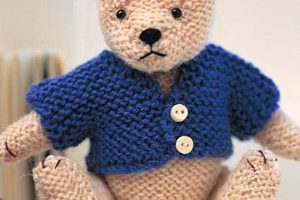
Added details like embroidered features, clothing, or accessories contribute to a teddy bear’s character and can also offer clues about its age. Early embroidered features were often simpler, while later examples exhibit greater complexity. The presence of original clothing or accessories, along with their style and materials, provides further context for dating. Examining the stitching, fabric type, and fastening methods of these embellishments reveals manufacturing techniques prevalent during specific periods. The presence of manufacturer-specific embellishments, like Steiff’s button-in-ear, provides conclusive dating information.
By considering these construction elements collectively, one gains a comprehensive understanding of a teddy bear’s potential age. These structural details, combined with material analysis and manufacturer markings, provide a framework for placing a bear within the broader history of teddy bear manufacturing. Analyzing construction techniques offers valuable insights into the evolution of toy-making practices and allows for a more informed appreciation of these cherished companions.
4. Features
Specific features play a crucial role in determining a teddy bear’s age. These distinctive characteristics, often subtle, provide valuable clues for discerning a bear’s era and provenance. Analyzing elements like facial features, paw pads, and stylistic details allows collectors and enthusiasts to place a bear within a specific timeframe.
Facial features offer significant insights. Eye type, for example, evolved over time. Early bears often featured shoe-button eyes, followed by glass eyes, and eventually, plastic eyes. Nose construction also provides clues. Embroidered noses predate stitched and plastic noses. The shape and stitching of the mouth, along with the presence of a tongue, contribute further information. Paw pads, whether felt, embroidered, or plastic, offer additional indicators. Bears with simple felt paw pads likely predate those with more complex embroidered or plastic pads. Stylistic elements, such as humpbacks, long limbs, or specific proportions, reflect design trends characteristic of particular periods. For instance, early Steiff bears often possessed a distinctive hump and elongated limbs.
Understanding the evolution of these features allows one to create a timeline for a bear’s potential production. A bear with shoe-button eyes, an embroidered nose, and felt paw pads likely originates from an earlier period than a bear with plastic eyes, a plastic nose, and embroidered paw pads. Combining feature analysis with other factors, like manufacturer markings and material composition, refines age determination. Recognizing and interpreting these subtle characteristics provides a deeper understanding of a teddy bear’s history and significance within the broader context of teddy bear manufacturing.
5. Condition
A teddy bear’s condition provides crucial insights into its age and history. Wear patterns, repairs, and alterations offer a tangible record of the bear’s journey through time. Analyzing these characteristics helps establish a relative timeline and contributes to a deeper understanding of the bear’s past.
Wear, such as thinning fur, loose seams, or compressed stuffing, reflects the extent of handling and play over time. Significant wear often suggests an older bear, having endured years of hugs and adventures. Repairs, like restitched seams or replaced paw pads, indicate efforts to preserve the bear, adding layers to its story. Alterations, such as added clothing or replaced eyes, reflect changing tastes and owner preferences throughout the bear’s life. For example, a bear with extensively worn fur, several repaired seams, and replaced button eyes likely originates from an earlier period than a bear with minimal wear and all original features. The presence of moth holes, fading due to sunlight exposure, or stains also contribute to the narrative of the bear’s existence.
Assessing condition requires careful observation and nuanced interpretation. While significant wear might suggest an older bear, it’s essential to consider other factors, such as material type and construction techniques. A well-preserved antique bear might exhibit less wear than a more recently manufactured bear subjected to heavy use. Understanding the interplay between condition, materials, and construction allows for a more accurate age assessment. Documentation of a bear’s condition, including photographs and detailed descriptions, provides valuable information for collectors, historians, and anyone seeking to preserve the legacy of these cherished companions. Careful consideration of condition nuances contributes significantly to unraveling the stories embedded within each teddy bear’s unique history.
6. Provenance
Provenance, the documented history of an object’s ownership, plays a crucial role in determining a teddy bear’s age and authenticity. A clear provenance establishes a chain of custody, tracing the bear’s journey from its original owner through subsequent custodians. This documented history provides valuable context for understanding the bear’s age, particularly for antique and collectible bears. A bear with documented ownership dating back to the early 20th century, for example, offers compelling evidence of its age and historical significance. Conversely, a bear lacking provenance presents challenges for accurate dating, requiring greater reliance on other factors such as materials, construction, and stylistic features.
Real-life examples illustrate provenance’s impact. A Steiff bear accompanied by original purchase receipts, family photographs, and letters referencing the bear strengthens the assessment of its age and increases its historical value. Similarly, a bear originating from a prominent collection with documented auction records gains credibility and desirability. Provenance gaps, however, introduce uncertainty. A bear acquired from an antique store without prior ownership documentation requires more extensive analysis of its physical characteristics to estimate its age. Challenges arise when evaluating undocumented bears, necessitating careful examination of materials, construction techniques, and stylistic elements to establish a potential timeframe. Bears with fabricated or incomplete provenance require expert authentication to verify their claims.
Understanding the significance of provenance contributes to informed collecting practices and accurate historical preservation. Documented ownership provides a crucial framework for evaluating a teddy bear’s age, authenticity, and historical value. While provenance serves as a powerful tool, it should be considered in conjunction with other factors. A comprehensive assessment incorporates material analysis, construction techniques, stylistic features, and condition evaluation. Integrating these elements offers a more nuanced understanding of a teddy bear’s place within the broader historical narrative of teddy bear manufacturing and collecting. This multifaceted approach ensures responsible stewardship of these cherished objects and safeguards their historical legacy.
Frequently Asked Questions
This section addresses common inquiries regarding teddy bear age determination. Understanding these key aspects facilitates accurate assessment and informed collecting practices.
Question 1: How can one determine the age of a teddy bear without manufacturer markings?
Bears lacking manufacturer markings require careful analysis of materials, construction techniques, and stylistic features. Comparing these elements to documented examples of dated bears helps establish a potential timeframe.
Question 2: Do repairs or alterations affect a teddy bear’s value?
While original condition generally commands higher value, professional, historically appropriate repairs can enhance a bear’s appeal. Unprofessional or significant alterations might negatively impact value. Transparency regarding repairs and alterations is crucial.
Question 3: What are the most valuable antique teddy bears?
Rarity, provenance, and condition contribute significantly to a teddy bear’s value. Early Steiff bears, particularly those with exceptional provenance and pristine condition, often achieve high valuations. Other sought-after manufacturers include Ideal and Merrythought. Limited edition or historically significant bears also command premium prices.
Question 4: How does one distinguish between an antique teddy bear and a reproduction?
Careful examination of materials, construction techniques, and stylistic details helps differentiate between antique and reproduction bears. Reproductions often utilize modern materials and construction methods. Inconsistencies in features or stylistic elements can also indicate a reproduction. Consulting expert resources and seeking professional authentication provide further assurance.
Question 5: Where can one find reliable information about teddy bear manufacturers and their history?
Numerous books, online resources, and teddy bear societies offer valuable information regarding manufacturers and their history. Reputable auction houses and antique dealers specializing in teddy bears also provide expert knowledge and authentication services.
Question 6: How should one store antique teddy bears to preserve their condition?
Store antique teddy bears in a cool, dry, and dark environment. Avoid direct sunlight and extreme temperature fluctuations. Utilize acid-free tissue paper or archival-quality storage containers to prevent deterioration. Handle antique bears with clean hands and avoid exposing them to excessive moisture or dust.
Accurate age determination requires a comprehensive approach, considering all available evidence. Consulting expert resources and engaging with the collector community enhances understanding and facilitates responsible preservation of these treasured objects.
This concludes the frequently asked questions section. The next section will further explore (transition to the next topic).
Conclusion
Determining a teddy bear’s age involves a multifaceted approach encompassing careful observation, research, and nuanced interpretation. Factors such as manufacturer markings, materials, construction techniques, stylistic features, condition, and provenance contribute significantly to this process. While specific indicators, like Steiff’s button-in-ear, provide conclusive evidence for certain bears, others require a more comprehensive analysis, considering the interplay of multiple factors. Bears lacking clear provenance or manufacturer markings necessitate meticulous examination of material composition, construction details, and stylistic elements to establish a potential timeframe. Understanding the evolution of teddy bear manufacturing practices and stylistic trends over time enhances one’s ability to accurately assess a bear’s age and historical significance.
The pursuit of determining a teddy bear’s age extends beyond mere curiosity. It represents a journey into the rich history of these cherished companions, reflecting evolving manufacturing techniques, cultural trends, and the enduring appeal of this classic toy. Accurate age determination facilitates informed collecting practices, responsible preservation, and a deeper appreciation for the stories embedded within each bear’s unique history. This endeavor fosters a greater understanding of the cultural legacy surrounding teddy bears and their enduring place within the hearts of collectors and enthusiasts worldwide.