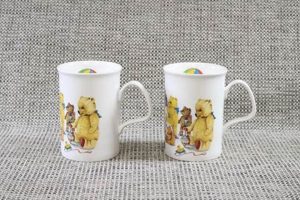
This gentle style evokes feelings of comfort, innocence, and nostalgia, often incorporating soft, plush textures, warm neutral colors like beige and brown, and rounded, cuddly shapes. A typical example might include a room decorated with plush blankets, fuzzy rugs, and gentle lighting, creating a cozy and inviting atmosphere.
The popularity of this comforting style stems from its ability to create a sense of security and warmth, often associated with childhood memories and a simpler time. It provides a welcome respite from the stresses of modern life, offering a sanctuary of calm and relaxation. This aesthetic has enduring appeal, finding its roots in the timeless popularity of the classic plaything from which it draws inspiration. Its continued relevance in interior design, fashion, and even digital spaces speaks to a deep-seated human desire for comfort and emotional connection.
This exploration will further delve into specific elements and applications of this cozy style, examining its manifestations in various contexts and offering practical advice for incorporating its essence into everyday life.
Tips for Cultivating a Cozy Atmosphere
These suggestions offer practical guidance for incorporating elements of gentle comfort and warmth into various aspects of one’s surroundings.
Tip 1: Embrace Soft Textures: Incorporating plush materials like faux fur, velvet, and sherpa into blankets, throws, and cushions enhances the sense of tactile comfort crucial to this aesthetic.
Tip 2: Utilize a Warm, Neutral Palette: Creams, beiges, browns, and soft pastels create a soothing backdrop, promoting relaxation and a sense of tranquility.
Tip 3: Incorporate Rounded Shapes: Furniture and decor with soft, rounded edges contribute to the overall gentle and inviting atmosphere.
Tip 4: Introduce Gentle Lighting: Soft, warm lighting from lamps, fairy lights, or candles enhances the cozy ambiance.
Tip 5: Integrate Natural Elements: Wooden accents, houseplants, and dried flowers add an organic touch, further enhancing the sense of warmth and connection to nature.
Tip 6: Personalize with Sentimental Objects: Beloved stuffed animals, cherished books, or family photos contribute a layer of personal meaning and nostalgic charm.
Tip 7: Maintain a Clutter-Free Environment: A tidy and organized space promotes a sense of calm and allows the comforting elements to shine.
By implementing these suggestions, one can create a space that fosters a sense of peace, security, and well-being.
These practical tips offer a starting point for cultivating an environment that embraces comforting simplicity and promotes a sense of gentle well-being.
1. Softness

Softness forms the cornerstone of the teddy bear aesthetic. It serves as the primary tactile element, evoking feelings of comfort, security, and gentle affection. This emphasis on softness directly connects to the plush, cuddly nature of teddy bears themselves. The inherent desire to touch and be enveloped by soft textures drives the aesthetic’s appeal, creating a sense of warmth and ease. Examples include the use of plush blankets, fuzzy rugs, and soft, rounded furniture in interior design, or the preference for cozy sweaters and knitwear in fashion. This focus on tactile comfort contributes significantly to the overall calming and inviting atmosphere associated with the aesthetic.
The importance of softness within this aesthetic extends beyond mere tactile pleasure. It plays a crucial role in establishing the overall mood and atmosphere. The presence of soft textures creates a sense of vulnerability and encourages relaxation. Imagine sinking into a plush armchair draped with a soft throw blanket; the tactile experience directly contributes to feelings of ease and contentment. This connection between softness and emotional well-being underscores its significance as a defining characteristic. In practical terms, incorporating soft textures into one’s environment can foster a greater sense of calm and relaxation, promoting a more tranquil and inviting atmosphere.
Softness remains a crucial defining characteristic. Its connection to comfort, security, and emotional well-being solidifies its importance within this aesthetic. By understanding the significance of softness, one can effectively cultivate environments and experiences that evoke the desired sense of gentle comfort and warmth.
2. Warm Neutrals

Warm neutrals play a crucial role in establishing the comforting and inviting atmosphere characteristic of the teddy bear aesthetic. These colors evoke a sense of calm and serenity, creating a backdrop that promotes relaxation and well-being. Their connection to nature, reminiscent of earth tones and natural fibers, further enhances the sense of gentle comfort.
- Creating a Sense of Calm:
Colors like beige, cream, and soft browns have a naturally calming effect, reducing visual stimulation and promoting a sense of tranquility. This contributes to the overall cozy and inviting atmosphere associated with the aesthetic, creating a space where one can feel safe and secure. These hues are often found in nurseries and bedrooms, spaces designed for rest and relaxation.
- Connection to Nature:
Warm neutrals often evoke the colors of nature, such as sand, wood, and unbleached wool. This connection to the natural world fosters a sense of grounding and tranquility. The use of natural materials like linen and cotton in these colors further strengthens this association, enhancing the overall organic and comforting feel. This natural connection adds to the overall sense of warmth and ease.
- Versatility and Pairing:
Warm neutrals provide a versatile backdrop that allows for easy integration of other colors and textures. They serve as a foundation upon which to build, allowing for pops of color or contrasting textures without overwhelming the overall aesthetic. This versatility makes them ideal for creating a cohesive and harmonious space. For example, a warm beige wall can complement both pastel accents and richer, darker browns.
- Timeless Appeal:
Unlike trendy colors that quickly fall out of favor, warm neutrals possess a timeless quality. Their enduring appeal ensures that spaces designed with these colors will remain stylish and inviting for years to come. This longevity contributes to the sustainable nature of the aesthetic, emphasizing quality and enduring comfort over fleeting trends. This timeless quality aligns with the enduring popularity of the classic teddy bear itself.
The use of warm neutrals is integral to achieving the full effect of the teddy bear aesthetic. These colors establish a foundation of comfort and serenity, creating a space that feels both inviting and timeless. Their versatility, connection to nature, and calming influence contribute significantly to the overall sense of gentle well-being associated with this aesthetic.
3. Rounded Shapes
Rounded shapes contribute significantly to the gentle and approachable nature of the teddy bear aesthetic. Their absence of harsh angles and sharp lines creates a visual softness that complements the tactile softness of plush textures and warm neutral colors. This inherent gentleness evokes feelings of comfort and security, aligning with the overall nurturing and comforting essence of the aesthetic. Consider the classic teddy bear itself: its rounded form contributes to its cuddly and approachable nature. This principle extends to furniture and decor within this aesthetic, favoring soft, curved edges in sofas, armchairs, rugs, and decorative objects. Examples include circular mirrors, oval-shaped coffee tables, and rounded cushions, all contributing to a harmonious and inviting atmosphere. The psychological impact of rounded shapes reinforces feelings of safety and relaxation, further enhancing the desired mood.
The prevalence of rounded shapes within this aesthetic also connects to biophilic design principles, which emphasize incorporating natural forms and patterns into built environments. Rounded shapes are frequently found in nature, from rolling hills to smooth stones and the curves of leaves and petals. This inherent connection to the natural world reinforces the calming and grounding effect of the aesthetic. Furthermore, the use of rounded shapes in architecture and interior design can soften the visual impact of a space, creating a more welcoming and less imposing environment. This is particularly relevant in spaces intended for relaxation and rejuvenation, such as bedrooms and living rooms, where the gentle curves contribute to a sense of ease and tranquility.
Understanding the role of rounded shapes offers practical guidance for implementing the teddy bear aesthetic. Consciously selecting furniture and decor with soft, curved edges, avoiding sharp angles and harsh lines, contributes significantly to establishing the desired atmosphere. This awareness allows for the creation of spaces that promote comfort, security, and a sense of gentle well-being, aligning with the core principles of the aesthetic. The consistent application of this principle reinforces the overall cohesive and harmonious feel, ensuring a truly immersive and comforting experience.
4. Nostalgia
Nostalgia serves as a significant underpinning for the teddy bear aesthetic. The inherent connection to childhood, often a period associated with comfort, security, and innocence, fuels the emotional resonance of this style. Teddy bears themselves frequently symbolize cherished childhood memories, acting as transitional objects and sources of comfort. This association imbues the aesthetic with a sense of warmth and familiarity, drawing upon positive emotional connections from the past. For instance, the use of plush textures and soft, warm lighting can evoke the comforting environment of a childhood bedroom, triggering feelings of safety and contentment. The presence of vintage or antique teddy bears in interior design further reinforces this nostalgic element, adding a layer of personal history and sentimental value.
This nostalgic element contributes significantly to the aesthetic’s enduring appeal. In a fast-paced, often stressful world, the teddy bear aesthetic offers a retreat to a simpler time, evoking feelings of comfort and security. This nostalgic pull explains its continued relevance in various contexts, from interior design and fashion to popular culture. Consider the enduring popularity of children’s literature and films featuring teddy bears; these narratives often tap into universal themes of childhood innocence and the importance of emotional connection. Similarly, the incorporation of teddy bear motifs in fashion and accessories can evoke a sense of playful nostalgia, appealing to a desire for comfort and emotional connection. This understanding allows for the strategic use of nostalgic elements to create spaces and experiences that resonate deeply with individuals.
The integration of nostalgia within the teddy bear aesthetic adds depth and emotional resonance. By understanding the psychological power of nostalgia, one can appreciate the enduring appeal of this comforting style. The connection to childhood memories and feelings of security reinforces the aesthetic’s ability to create spaces that foster a sense of warmth, comfort, and emotional well-being. This understanding allows for the thoughtful incorporation of nostalgic elements to enhance the overall impact and effectiveness of the teddy bear aesthetic. Recognizing the potential challenges associated with excessive nostalgia, such as idealizing the past or avoiding present realities, ensures a balanced and nuanced approach to its application within this aesthetic.
5. Comfort
Comfort forms the core principle of the teddy bear aesthetic. This prioritization of physical and emotional ease influences every aspect of the aesthetic, from the selection of materials and colors to the arrangement of spaces. The inherent desire for comfort, deeply rooted in human experience, drives the appeal of this aesthetic. Soft textures, like plush faux fur and velvety fabrics, provide tactile comfort, inviting touch and relaxation. Warm, neutral colors create a visually soothing environment, promoting a sense of calm and tranquility. Rounded shapes in furniture and decor further enhance this sense of ease, eliminating harsh angles and creating a more approachable atmosphere. The cumulative effect of these elements establishes a space that prioritizes physical and emotional well-being, fostering a sense of security and contentment.
The emphasis on comfort extends beyond mere physical sensations; it encompasses a broader sense of emotional well-being. The teddy bear aesthetic often incorporates elements of nostalgia, connecting to positive childhood memories and feelings of safety and security. This emotional connection strengthens the overall sense of comfort, creating a space that feels both familiar and nurturing. Consider, for example, a reading nook furnished with a plush armchair, a soft throw blanket, and warm lighting. This arrangement caters to both physical and emotional comfort, providing a space for relaxation and escape. Similarly, incorporating comforting scents, such as lavender or vanilla, can further enhance the sense of tranquility and well-being. The intentional cultivation of comfort within this aesthetic serves a practical purpose: creating environments that promote relaxation, reduce stress, and foster a sense of overall well-being.
Understanding the centrality of comfort within the teddy bear aesthetic provides insights into its enduring appeal and practical applications. By prioritizing comfort in design choices, one can create spaces that foster a sense of peace and tranquility. This understanding extends beyond residential spaces, influencing design choices in commercial environments, such as hotels and spas, seeking to create welcoming and relaxing atmospheres. The ability to cultivate comfort through design holds significant implications for enhancing well-being in various contexts. However, it’s crucial to maintain a balance between comfort and functionality, ensuring that spaces remain practical and aesthetically pleasing while prioritizing well-being. Successfully integrating comfort as a core principle requires careful consideration of individual needs and preferences, resulting in spaces that truly nurture and restore.
Frequently Asked Questions
This section addresses common inquiries regarding the teddy bear aesthetic, providing clarity and dispelling potential misconceptions.
Question 1: Is this aesthetic solely for children’s spaces?
While often associated with children’s rooms, the core principles of comfort, softness, and warmth translate well to any space where relaxation and a sense of security are desired. Adults can readily incorporate these elements into bedrooms, living rooms, or even home offices.
Question 2: Does embracing this aesthetic necessitate a complete room overhaul?
Not at all. Subtle additions, such as plush throws, warm-toned cushions, and soft lighting, can effectively introduce elements of comfort and warmth without requiring extensive renovations. Gradual incorporation allows for personalized adaptation.
Question 3: Can this aesthetic incorporate bolder colors?
While warm neutrals form the foundation, incorporating accent colors in muted tones can add personality without disrupting the overall sense of calm. Soft pastels, muted blues, or deep greens can complement the core palette.
Question 4: How does one avoid creating a space that feels overly childish or cluttered?
Careful curation is key. Prioritize quality over quantity, selecting a few well-chosen items that embody the aesthetic. Maintaining a clutter-free environment allows the comforting elements to shine without appearing overwhelming.
Question 5: Does this aesthetic clash with other design styles?
Its inherent versatility allows for integration with various styles. Elements of this aesthetic can complement minimalist, Scandinavian, or even bohemian interiors, adding a layer of warmth and comfort.
Question 6: How does one maintain this aesthetic over time?
Regular cleaning and maintenance of textiles are essential. Rotating decorative elements seasonally can prevent visual stagnation and allow for continued enjoyment of the comforting atmosphere.
By addressing these frequently asked questions, a clearer understanding of the teddy bear aesthetic emerges, showcasing its versatility and adaptability for various settings and preferences.
Exploring practical applications further demonstrates the real-world benefits and diverse expressions of this comforting style.
Conclusion
This exploration has delved into the multifaceted nature of the teddy bear aesthetic, examining its key components: softness, warm neutrals, rounded shapes, nostalgia, and above all, comfort. The aesthetic’s ability to evoke feelings of security, warmth, and emotional well-being stems from the interplay of these elements. Its enduring appeal lies in its connection to cherished childhood memories and the innate human desire for comfort and security in a complex world. Practical applications extend beyond residential spaces, influencing design choices in commercial environments seeking to create welcoming and relaxing atmospheres.
The teddy bear aesthetic offers a powerful framework for cultivating spaces that nurture and restore. Its enduring relevance suggests a continued appreciation for comfort and emotional well-being in design. Further exploration of its applications in various fields, from therapeutic design to product development, holds potential for enhancing well-being on a broader scale. The conscious incorporation of these principles can contribute significantly to creating environments that promote a sense of calm, security, and overall well-being, underscoring the enduring power of comfort in a demanding world.