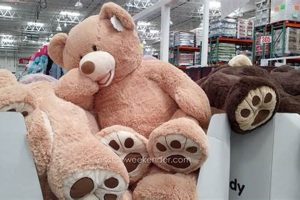
Animating stuffed toys, particularly those resembling bears, involves bringing these inanimate objects to life through various techniques. This can range from traditional stop-motion, where physical models are incrementally repositioned and photographed frame by frame, to modern computer-generated imagery (CGI) where digital models are manipulated and rendered. A classic example is a sequence where a plush bear appears to wave or interact with other objects in a scene.
This practice holds significant cultural value, often linked to childhood nostalgia and comfort. It allows storytellers to imbue familiar playthings with personality and emotion, fostering engagement with younger audiences and creating enduring characters. Historically, this form of animation has evolved alongside technological advancements, transitioning from simple mechanical methods to sophisticated digital processes, offering increasingly complex and realistic depictions. The enduring appeal lies in the ability to transform a familiar object into a relatable, emotive character.
This exploration will delve further into the technical and artistic aspects of bringing these beloved toys to life, considering both established methods and emerging trends. The subsequent sections will discuss character design, animation techniques, and the narrative roles these animated characters play within broader media landscapes.
Tips for Animating Plush Toys
Creating believable animated characters from inanimate objects requires careful consideration of various factors, from design choices to technical execution. The following tips provide guidance for effective animation of stuffed toys.
Tip 1: Understand the Fabric’s Properties. Fabric behaves differently from rigid materials. Consider weight, drape, and flexibility when designing movements. Loosely-stuffed toys, for example, will deform differently than tightly-packed ones.
Tip 2: Exaggerate Subtle Motions. Slight shifts in weight or the compression of stuffing can convey a sense of life. Exaggerating these subtle cues enhances the illusion of realism.
Tip 3: Focus on Facial Expressions. Even simple eye movements or adjustments to the mouth area can dramatically impact a character’s expressiveness. Consider how the stitching and material affect these features.
Tip 4: Consider the Character’s Personality. Movements should reflect the character’s intended personality. A playful character might exhibit quick, energetic movements, while a more melancholic character might move slowly and deliberately.
Tip 5: Utilize Secondary Action. Incorporating secondary actions, such as the jostling of a button or the sway of an attached ribbon, adds depth and believability to the primary animation.
Tip 6: Maintain Consistency. Ensure the character’s movements and appearance remain consistent throughout the animation to avoid jarring discrepancies. This includes paying attention to details like fur direction and limb proportions.
By considering these elements, animators can create compelling characters that resonate with audiences. Attention to detail and a deep understanding of the material’s properties are crucial for bringing stuffed toys to life in a convincing and engaging manner.
These tips lay the groundwork for creating successful animations. The next section will explore advanced techniques for enhancing realism and creating more complex character interactions.
1. Character Design

Character design forms the foundation of successful plush toy animation. It dictates not only the visual appearance but also informs the character’s personality, movements, and ultimately, its narrative role. A bear designed with large, expressive eyes and a soft, rounded body conveys a gentle nature, suggesting a different movement style than a bear designed with smaller eyes, a patched appearance, and a leaner physique, which might imply a more mischievous or adventurous character. Consider Winnie the Pooh, whose simple design reflects his kind and unassuming personality, compared to Paddington Bear, whose duffle coat and hat suggest a more independent and resourceful nature.
The design process involves considerations beyond aesthetics. Practical elements, such as the type of fabric, the placement of seams, and the overall structure of the toy, influence how it will move and deform during animation. A bear designed with long, floppy limbs requires a different animation approach than one with shorter, sturdier limbs. Understanding these physical limitations and leveraging them creatively enhances realism and contributes to the character’s unique performance. For example, a character designed with button eyes might offer limited eye movement, leading animators to explore alternative means of expression, perhaps through subtle head tilts or body language.
Effective character design streamlines the subsequent animation process. A well-defined character with clear visual and personality traits provides a solid framework for animators, influencing decisions regarding movement, timing, and emotional expression. This cohesive approach strengthens the connection between the character and the audience, facilitating engagement and enhancing the narrative’s impact. Challenges can arise when translating 2D design concepts into 3D animated characters. Careful consideration of how design choices translate into three-dimensional space is crucial for preserving the character’s intended appearance and personality throughout the animation process.
2. Movement Style

Movement style is a crucial element in imbuing animated teddy bears with personality and believability. Defining how a character moves informs the narrative and creates a deeper connection with the audience. From subtle twitches to exaggerated gestures, movement style dictates how a teddy bear interacts with its environment and expresses emotion, differentiating a gentle giant from a mischievous scamp.
- Weight and Physics
A teddy bear’s movement should reflect its inherent physical properties. Heavier bears might exhibit slower, more deliberate movements, while lighter bears could move with greater agility. Simulating the effects of gravity and inertia on the plush fabric and stuffing adds realism. A large bear leaning against a wall might compress its stuffing visibly, while a smaller bear might rebound lightly after a jump. Accurately portraying these physical interactions reinforces the illusion of life and weight.
- Personality Expression
Movement style effectively communicates a character’s personality. A shy bear might exhibit hesitant, timid motions, while a boisterous bear might bound with unrestrained energy. Subtle nuances, such as a slight tremor or a hesitant step, can convey a wide range of emotions and contribute to the character’s overall depth. Consider how a slow, deliberate walk might convey sadness or contemplation, while quick, jerky movements might signal excitement or anxiety.
- Material Considerations
The materials used in constructing the teddy bear influence its movement capabilities. A bear made of stiff felt will move differently than one made of soft plush. The placement of joints and the amount of stuffing affect flexibility and range of motion. Animators must consider these material limitations and leverage them creatively. A firmly stuffed bear might have restricted limb movement, emphasizing facial expressions and subtle body shifts for emotional conveyance. Conversely, a loosely stuffed bear could exhibit exaggerated, floppy movements, highlighting its malleable nature.
- Narrative Context
The narrative context shapes the character’s movement. A teddy bear participating in a chase scene requires a different movement style than one engaged in a quiet conversation. Matching movement to the narrative strengthens the storytelling and ensures the character’s actions feel appropriate and believable within the scene. For example, a teddy bear tiptoeing through a dark room creates suspense, while a bear dancing joyfully at a celebration conveys exuberance.
These facets of movement style contribute significantly to the believability and emotional resonance of animated teddy bears. By carefully considering these elements, animators can create compelling performances that capture the unique charm and personality of these beloved characters, enhancing their narrative impact and creating a truly immersive viewing experience.
3. Facial Expressions

Facial expressions play a crucial role in conveying emotions and personality in animated teddy bears. While limited by the inherent structure of plush toys, effective use of even subtle facial adjustments can significantly enhance a character’s performance, enabling animators to communicate complex emotions and intentions to the audience.
- Eye Movement and Focus
Even slight alterations in eye direction or pupil dilation can communicate a range of emotions. Averted gaze can convey shyness or fear, while direct eye contact establishes connection and engagement. Subtle shifts in focus, perhaps from one character to another within a scene, create a sense of awareness and reaction, enhancing the illusion of life. Consider how a teddy bear looking down might suggest sadness or contemplation, while a quick glance sideways could imply suspicion or surprise.
- Mouth Shape and Movement
Manipulating the shape of a teddy bear’s mouth, whether stitched or sculpted, allows for the expression of basic emotions. A slight upturn of the mouth can suggest happiness, while a downturn might indicate sadness or disappointment. More dynamic movements, such as opening and closing the mouth for dialogue or displaying a range of smiles, further expands the character’s expressive capabilities. Even a subtle parting of the lips can convey anticipation or surprise.
- Eyebrow Position and Shape
If the teddy bear’s design includes eyebrows, manipulating their position and shape provides additional opportunities for emotional expression. Raised eyebrows communicate surprise or questioning, while furrowed brows convey concern or anger. Combining eyebrow movements with eye and mouth adjustments allows for more nuanced expressions, enhancing the overall depth and complexity of the character’s performance.
- Head Tilt and Position
While not strictly facial features, head tilts and positioning significantly contribute to the overall expression. A tilted head can convey curiosity or confusion, while a lowered head might suggest sadness or shame. Combining head movements with facial expressions creates a more holistic and believable portrayal of emotion, adding depth to the character’s performance.
These subtle facial cues contribute significantly to an animated teddy bear’s believability and emotional depth. By strategically employing these techniques, animators can overcome the limitations of working with inanimate objects, creating characters that resonate with audiences and effectively communicate a wide range of emotions and intentions within the narrative.
4. Technical Execution

Technical execution encompasses the methods and processes employed to bring a teddy bear to life through animation. This crucial aspect dictates the final visual quality, the believability of the character’s movements, and the overall effectiveness of the animation. From traditional stop-motion techniques to advanced CGI, the chosen approach significantly impacts the character’s portrayal and the narrative’s impact. Selecting the appropriate technique depends on the specific project requirements, budget, and desired aesthetic.
- Stop-Motion Animation
This traditional technique involves physically manipulating a teddy bear model in small increments, capturing each pose with a single frame. When played back in sequence, these frames create the illusion of movement. This method, used in classics like “The Nightmare Before Christmas,” offers a tangible, tactile quality, often accentuating the imperfections and textures of the physical model. In the context of teddy bear animation, stop-motion can effectively highlight the plush material and stitching, enhancing the character’s inherent charm. However, stop-motion can be time-consuming and requires meticulous attention to detail.
- 2D Animation
2D animation involves creating movement through a series of drawn or digitally painted images. This technique allows for stylized depictions, offering flexibility in character design and movement. Classic animated films often utilize 2D animation to create expressive characters with exaggerated features. For teddy bear animation, this method allows artists to emphasize specific characteristics, like the texture of fur or the softness of the stuffing, through visual techniques like line weight and color variation. However, achieving realistic three-dimensional movement within a 2D space can present challenges.
- 3D CGI Animation
3D computer-generated imagery creates animated characters within a digital environment. This offers extensive control over movement, lighting, and textures, allowing for highly realistic or stylized depictions. Modern animated films extensively utilize CGI for its versatility and ability to create complex visual effects. In teddy bear animation, CGI allows for detailed portrayal of fur, fabric drape, and intricate facial expressions. However, achieving the subtle nuances of a plush toy’s movement requires sophisticated rigging and animation skills, and can be computationally intensive.
- Motion Capture
Motion capture involves recording the movements of a real-world performer and translating those movements onto a digital character model. This technique adds a layer of realism to character animation, capturing the subtle nuances of human or animal motion. While less frequently used for teddy bear animation, motion capture can be employed to create a foundation for realistic movement, which can then be stylized or exaggerated to suit the character’s personality. This can be particularly effective in portraying realistic weight and momentum in larger teddy bear characters.
The chosen technical execution significantly impacts the final presentation of animated teddy bears, influencing not only the visual aesthetic but also the character’s perceived personality and emotional depth. Each technique presents unique advantages and limitations, and selecting the appropriate method requires careful consideration of the narrative’s specific requirements and the desired artistic style. Understanding these technical aspects allows for more informed decision-making and enhances the overall quality and effectiveness of the animation.
5. Story Integration

Story integration is paramount in effective teddy bear animation. A compelling narrative provides the context and purpose for the character’s existence, driving its actions and emotional arc. The narrative dictates the teddy bear’s role, whether it’s a comforting companion, a mischievous adventurer, or a wise mentor. This integration ensures the animation serves a larger purpose than mere visual spectacle, resonating with audiences on a deeper level. Consider the classic tale of Winnie the Pooh, where the animated bear’s personality and actions are inextricably linked to the narrative’s themes of friendship, simplicity, and childhood wonder. Without a strong narrative framework, even technically brilliant animation can lack depth and emotional resonance.
Effective story integration manifests in how the teddy bear interacts with its environment and other characters. The narrative shapes the character’s motivations, influencing its movements, expressions, and overall performance. In “Paddington 2,” Paddington’s inherent kindness and optimism drive his actions throughout the narrative, even amidst challenging circumstances. The narrative provides opportunities for the character to express its unique personality traits, reinforcing the connection between character and story. Furthermore, a well-integrated narrative allows the teddy bear to evolve and grow, undergoing transformations that resonate with the overarching themes. Challenges arise when the animation prioritizes visual spectacle over narrative coherence. A visually stunning animation lacking a compelling narrative can feel hollow and ultimately fail to engage audiences on an emotional level.
Successful story integration enhances the emotional impact of teddy bear animation. By grounding the character’s actions and emotions within a meaningful narrative, the animation transcends mere entertainment and becomes a vehicle for exploring complex themes and human experiences. The enduring appeal of animated classics often stems from their ability to seamlessly blend compelling narratives with engaging characters. A well-crafted story provides a framework for the character’s emotional journey, allowing audiences to connect with the teddy bear on a deeper, more meaningful level. Understanding this interconnectedness is crucial for creating animation that resonates with audiences and leaves a lasting impression.
6. Emotional Impact

Emotional impact represents a critical aspect of teddy bear animation, significantly influencing audience engagement and the overall effectiveness of the narrative. Animated teddy bears, often associated with childhood comfort and innocence, possess a unique ability to evoke strong emotional responses in viewers. This connection stems from the inherent familiarity and nostalgic associations many individuals hold for these plush companions. Understanding how these characters elicit emotional responses is crucial for creating resonant and memorable animations.
- Nostalgia and Comfort
Teddy bears frequently symbolize childhood comfort and security. Animating these characters can evoke powerful nostalgic feelings in viewers, recalling memories of cherished childhood toys and experiences. This nostalgic connection establishes a foundation for emotional engagement, making audiences more receptive to the narrative and the character’s emotional journey. A tattered teddy bear enduring hardship on screen might resonate deeply with viewers, mirroring their own experiences of loss or resilience.
- Anthropomorphism and Empathy
The act of animating a teddy bear inherently imbues it with human-like qualities. This anthropomorphism allows viewers to project emotions and intentions onto the character, fostering empathy and emotional connection. When an animated teddy bear experiences joy, sadness, or fear, audiences are more likely to experience those emotions vicariously, strengthening their bond with the character. A teddy bear expressing loneliness or vulnerability can evoke a strong empathetic response, prompting viewers to invest emotionally in the character’s well-being.
- Storytelling and Emotional Resonance
The narrative context significantly influences the emotional impact of teddy bear animation. Stories exploring themes of friendship, loss, or overcoming adversity can resonate deeply with audiences when conveyed through the lens of a relatable and emotionally expressive teddy bear character. The character’s emotional journey becomes a conduit for exploring complex human experiences, amplifying the narrative’s emotional impact. A teddy bear bravely facing its fears can inspire courage in young viewers, while a teddy bear comforting a grieving friend can offer solace and understanding.
- Visual Cues and Emotional Expression
The technical execution of the animation, particularly the character’s facial expressions, body language, and movement, plays a critical role in conveying emotions effectively. Subtle nuances in animation can communicate a wide range of emotions, enhancing the audience’s emotional connection with the character. A teddy bear’s trembling lip or a hesitant step can convey vulnerability, while a wide-eyed expression of wonder can evoke joy and excitement. These visual cues, combined with the narrative context, create a powerful emotional experience for the viewer.
These interconnected elements contribute to the profound emotional impact achievable through teddy bear animation. By leveraging the inherent emotional associations audiences hold for these beloved characters, animators can create narratives that resonate deeply, fostering empathy, understanding, and a lasting connection with viewers. This emotional resonance elevates animated storytelling beyond mere entertainment, transforming it into a powerful medium for exploring complex emotions and shared human experiences.
7. Cultural Significance

Teddy bears occupy a unique position within popular culture, representing comfort, childhood innocence, and enduring companionship. This cultural significance profoundly influences their portrayal in animation, shaping character design, narrative choices, and the overall emotional impact. The enduring appeal of characters like Winnie the Pooh and Paddington Bear stems from their ability to tap into these deeply ingrained cultural associations, resonating with audiences across generations. This cultural resonance provides a foundation upon which animators can build compelling narratives, imbuing these familiar figures with new life and meaning.
The cultural context surrounding teddy bears influences how they are perceived and interpreted in animated media. For example, a teddy bear depicted as worn and patched might evoke feelings of nostalgia and sentimentality, reflecting the value placed on cherished childhood possessions. Conversely, a pristine, modern teddy bear might represent contemporary values of consumerism or technological advancement. These cultural nuances inform character design choices, contributing to the character’s overall personality and narrative role. Furthermore, cultural variations in the perception of teddy bears influence how these characters are adapted for different audiences. A teddy bear depicted in a traditional Japanese animated style might embody different cultural values and aesthetic sensibilities than a teddy bear featured in a Western animation, reflecting the diverse cultural landscapes in which these characters exist.
Understanding the cultural significance of teddy bears is crucial for creating animation that resonates with target audiences. Ignoring these cultural nuances can lead to misinterpretations or a lack of emotional connection. By acknowledging and respectfully engaging with the cultural context surrounding these beloved toys, animators can create narratives that are not only entertaining but also meaningful and culturally relevant. This understanding strengthens the connection between character and audience, enhancing the overall impact and longevity of the animation. The enduring popularity of animated teddy bears underscores the importance of acknowledging their cultural significance. These characters serve as powerful cultural symbols, embodying universal themes of comfort, companionship, and the enduring power of childhood imagination.
Frequently Asked Questions
This section addresses common inquiries regarding the creation and utilization of animated teddy bears within various media.
Question 1: What animation techniques are commonly employed for bringing teddy bears to life?
Several techniques are prevalent, including traditional stop-motion animation, 2D animation, and 3D CGI animation. The choice depends on project requirements, budget, and desired aesthetic. Stop-motion offers a tangible quality, while 2D animation allows for stylistic flexibility. 3D CGI provides extensive control over realism and detail.
Question 2: How does character design influence the animation process?
Character design informs not only the visual appearance but also the bear’s personality and movement style. Considerations such as fabric type, seam placement, and overall structure influence animation techniques. A well-defined design provides a framework for animators, influencing decisions regarding movement, timing, and emotional expression.
Question 3: What are the key considerations for creating believable teddy bear movement?
Movement should reflect the bear’s physical properties, including weight and material. Exaggerating subtle motions, like the compression of stuffing or the sway of a ribbon, enhances realism. Movement style should also align with the character’s personality and the narrative context.
Question 4: How can facial expressions be effectively conveyed in teddy bear animation, given the limitations of the medium?
Even subtle adjustments to eye direction, mouth shape, and eyebrow position can effectively communicate a range of emotions. Combining these facial cues with head tilts and body language enhances expressiveness. The use of specific animation techniques, like strategically placed joints or carefully sculpted features, can also enhance the range of facial expressions.
Question 5: What is the importance of story integration in teddy bear animation?
A compelling narrative provides context and purpose for the character’s actions and emotional arc. Story integration ensures the animation serves a larger purpose, resonating with audiences on a deeper level. The narrative shapes the character’s motivations, influencing movements, expressions, and overall performance.
Question 6: How does the cultural significance of teddy bears influence their portrayal in animation?
Teddy bears hold cultural significance as symbols of comfort and childhood innocence. This influences character design and narrative choices. Depictions can evoke nostalgia and sentimentality, reflecting cultural values. Animators must consider these cultural nuances to create resonant and meaningful portrayals.
Careful consideration of these frequently asked questions allows for a deeper understanding of the complexities and nuances involved in effectively bringing teddy bears to life through animation. Attention to both technical execution and narrative integration enhances the overall impact and ensures a compelling viewing experience.
The following section will explore case studies of successful teddy bear animation in various media, highlighting best practices and innovative techniques.
Conclusion
Animating inanimate objects, particularly those with strong emotional resonance like teddy bears, presents unique challenges and opportunities. This exploration has delved into the multifaceted aspects of bringing these cherished companions to life, from the foundational elements of character design and movement style to the complexities of facial expression and technical execution. The importance of story integration and cultural significance has been highlighted, underscoring the need for narratives that resonate with audiences on an emotional and cultural level. Effective animation considers not only the technical aspects of movement and expression but also the deeper emotional and cultural connections audiences have with these iconic figures.
The continued evolution of animation technology presents exciting prospects for the future of teddy bear animation. As techniques become more sophisticated, the potential for creating increasingly nuanced and emotionally resonant portrayals of these beloved characters expands. Further exploration of the interplay between technical advancements, narrative depth, and cultural understanding will pave the way for new and innovative approaches to teddy bear animation, ensuring these cherished figures continue to captivate and inspire audiences for generations to come. The enduring appeal of the teddy bear lies not just in its physical form, but in its symbolic representation of comfort, companionship, and the enduring power of imagination. Successfully capturing these qualities in animation requires a thoughtful and nuanced approach, recognizing the profound emotional and cultural connections audiences hold for these timeless companions.