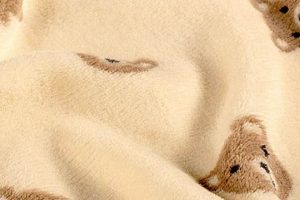
Decorative needlework featuring the beloved stuffed animal motif can range from simple outlines suitable for beginners to intricate, photorealistic depictions requiring advanced stitching techniques. These stitched artwork patterns are often used to personalize clothing, blankets, nursery decor, and other textile items. Examples include classic teddy bear faces, full-body teddy bears in various poses, and teddy bears integrated into scenes such as picnics or bedtime stories. Digital files for computerized embroidery machines and printed patterns for hand embroidery are readily available.
Adding a touch of whimsy and childhood nostalgia, these charming motifs offer a way to create personalized gifts and treasured keepsakes. The enduring popularity of the teddy bear, coupled with the resurgence of interest in handcrafted items, contributes to the widespread appeal. Historically, embroidered depictions of toys and animals have appeared in various cultures, demonstrating needlework’s enduring capacity to capture sentimental imagery. The evolution of embroidery technology, from traditional hand stitching to modern machine embroidery, has further expanded the possibilities for creative expression within this motif.
This article will further explore the various aspects of creating and utilizing these charming designs, covering topics such as digitizing techniques, fabric selection, stitch types, and finishing methods.
Tips for Embroidered Teddy Bear Designs
Successful execution of embroidered teddy bear motifs requires attention to several key factors. The following tips offer guidance for achieving high-quality results, regardless of skill level.
Tip 1: Stabilizer Selection: Appropriate stabilizer choice prevents fabric puckering and ensures design integrity. Lightweight tear-away stabilizers are recommended for woven fabrics, while cutaway stabilizers provide better support for knits and stretchy materials.
Tip 2: Design Placement: Careful consideration of design placement ensures optimal visual appeal. Prior to stitching, use templates or temporary markings to position the design accurately on the fabric.
Tip 3: Thread Choice: Thread quality impacts the final appearance and durability. Embroidery threads designed specifically for machine or hand embroidery are recommended for optimal results. Consider color variations to add depth and dimension.
Tip 4: Needle Selection and Care: Sharp, appropriately sized needles are crucial for clean stitching and preventing fabric damage. Regular needle changes maintain stitch quality, especially when working with dense designs.
Tip 5: Digitizing Best Practices (for machine embroidery): High-quality digitization ensures smooth, even stitching. Proper density settings and underlay stitching prevent fabric show-through and enhance design clarity.
Tip 6: Hooping Techniques: Proper hooping techniques maintain fabric tension and prevent design distortion. Ensure the fabric is taut and wrinkle-free within the embroidery hoop.
Tip 7: Finishing Techniques: Neatly trimming jump stitches and loose threads enhances the professional appearance of the finished piece. Techniques such as adding a fabric backing or using a fray sealant can further improve durability.
By adhering to these guidelines, crafters can create beautifully embroidered teddy bear designs that stand the test of time.
This information provides a solid foundation for creating personalized items featuring these charming motifs. The next section will explore advanced techniques for adding intricate details and embellishments.
1. Design Choice

Design choice significantly impacts the final aesthetic and technical execution of embroidered teddy bear motifs. A simplified, cartoonish teddy bear outline requires less intricate stitching and digitizing compared to a realistic depiction featuring detailed fur texture and facial expressions. This choice influences thread color selection, stitch type, and overall project complexity. A design intended for a baby blanket might prioritize soft, rounded features and pastel hues, while a design for a decorative throw pillow might incorporate bolder lines, brighter colors, and additional embellishments. Consider the intended use of the finished piece when selecting a design. For instance, a highly detailed design might be less suitable for frequently laundered items, while a simpler design might not provide the desired visual impact for a framed artwork.
Available design choices encompass a wide range of styles, from vintage teddy bears inspired by antique toys to modern interpretations featuring whimsical expressions and accessories. Digitized designs specifically formatted for machine embroidery offer convenience and precision, while hand-drawn patterns provide flexibility for customization. Examining existing embroidered teddy bear designs offers inspiration and illustrates the diverse possibilities. The scale of the design also plays a role; a small, single-color teddy bear face can be a charming accent on a pocket, while a large, multi-colored design can serve as the centerpiece of a quilt. A clear understanding of design elements allows crafters to make informed choices that align with their skill level and project goals.
Effective design choice hinges on a thorough understanding of the interplay between design complexity, technical execution, and the desired final appearance. Careful consideration of these factors ensures a successful outcome, whether the goal is a simple, charming motif or an intricate, heirloom-quality creation. Challenges can arise when the chosen design exceeds the crafter’s technical capabilities or is incompatible with the chosen fabric and thread. Therefore, realistic assessment of one’s skill level and careful planning are crucial for successful execution of embroidered teddy bear projects. This understanding of design choice forms the foundation for subsequent decisions regarding materials and techniques, ultimately contributing to the creation of well-executed and visually appealing embroidered teddy bear artwork.
2. Fabric Selection

Fabric selection significantly influences the aesthetic and structural integrity of embroidered teddy bear designs. The fabric’s weave, fiber content, and weight impact stitch clarity, design drape, and overall project durability. Choosing an appropriate fabric ensures the embroidered design complements the base material and enhances the finished piece’s visual appeal and longevity.
- Weave and Fiber Content
Fabric weave affects design stability and stitch definition. Loosely woven fabrics like linen require stabilization to prevent puckering, while tightly woven fabrics like cotton provide a stable base for intricate designs. Natural fibers like cotton and linen offer breathability and a soft hand, suitable for items like baby blankets and clothing. Synthetic fabrics like polyester provide durability and wrinkle resistance, ideal for decorative items like pillows or wall hangings. Fiber content also influences the fabric’s drape and how the finished embroidery conforms to the item’s shape.
- Fabric Weight
Fabric weight impacts the design’s visibility and the overall feel of the finished piece. Lightweight fabrics like batiste are suitable for delicate, small-scale designs, while heavier fabrics like denim or canvas can support larger, bolder designs. Choosing a fabric weight appropriate for the intended use of the finished item is crucial. A lightweight fabric might be suitable for a handkerchief, while a heavier weight fabric is more appropriate for a tote bag.
- Color and Pattern
Fabric color and pattern provide a backdrop for the embroidered design. Solid-colored fabrics allow the embroidery to stand out, while patterned fabrics can complement or contrast with the design, adding visual interest. Consider the interplay between fabric color/pattern and thread color to achieve the desired aesthetic effect. A busy pattern might detract from a detailed design, while a subtle pattern might enhance a simpler design.
- Fabric Stability
Fabric stability dictates the need for stabilizers. Stretchy fabrics, like jersey knit, require stabilizers to prevent design distortion during embroidery. Stable fabrics, like woven cotton, may require minimal or no stabilization. Understanding fabric stability helps ensure clean stitch formation and prevents puckering or design misalignment. Choosing the appropriate stabilizer based on fabric stability is critical for a professional-looking result.
Careful fabric selection is essential for successful teddy bear embroidery projects. Harmonizing fabric properties with design choices ensures a visually appealing and structurally sound finished piece. Whether embroidering a delicate teddy bear onto a baby’s bib or a bold design onto a sturdy tote bag, fabric selection remains a critical factor influencing project success. Failing to consider fabric properties can lead to design distortion, puckering, and a less-than-satisfactory final product.
3. Thread Type

Thread type significantly influences the final appearance, texture, and durability of embroidered teddy bear designs. Different thread types possess unique characteristics affecting stitch definition, color vibrancy, and overall design impact. Understanding these characteristics enables informed thread selection tailored to specific project requirements.
Common thread types used for teddy bear embroidery include:
- Rayon: Offers a lustrous sheen and vibrant color range, well-suited for creating visually striking designs. However, rayon can be less colorfast than other options, requiring careful washing considerations. Its smooth texture lends itself to intricate details and delicate features on teddy bear designs.
- Polyester: Known for durability and colorfastness, polyester thread withstands frequent washing and exposure to sunlight, making it ideal for projects requiring longevity, such as children’s clothing or frequently used items featuring teddy bear motifs.
- Cotton: Provides a matte finish and a softer texture, suitable for designs emphasizing a vintage or handcrafted aesthetic. Cotton thread’s subtle sheen complements natural fiber fabrics and lends a classic touch to embroidered teddy bear designs.
- Metallic: Adds a touch of sparkle and glamour, often used for accents or highlighting specific design elements, such as the teddy bear’s eyes or bow. Metallic thread can enhance festive designs or create a more luxurious appearance. However, its delicate nature requires careful handling during stitching and may not be suitable for high-wear items.
- Specialty Threads: Variegated, glow-in-the-dark, or textured threads offer unique visual effects, adding depth and dimension to teddy bear designs. These specialty threads can create interesting fur textures or add whimsical details. Understanding their specific properties and limitations is crucial for successful application.
Thread weight also plays a role in design execution. Finer threads (e.g., 60wt) are suitable for detailed work and creating subtle shading effects within the teddy bear design. Thicker threads (e.g., 40wt) provide bolder lines and a more pronounced texture, often used for outlining or creating prominent design features. Choosing an appropriate thread weight depends on the design’s intricacy and the desired visual impact.
Effective thread selection depends on a variety of factors, including fabric type, design complexity, and desired aesthetic. A delicate rayon thread might complement a silk teddy bear design on a satin pillowcase, while a durable polyester thread is better suited for a frequently laundered child’s blanket featuring a simpler teddy bear motif. Careful consideration of these factors ensures successful project execution and a visually appealing finished piece. Ignoring thread properties can lead to issues such as color bleeding, thread breakage, or a final result that doesn’t meet expectations.
4. Stabilizer Use

Stabilizer use is crucial for successful teddy bear embroidery designs. Stabilizers provide a foundation that supports the fabric during the embroidery process, preventing design distortion and ensuring clean stitch formation. Choosing the correct stabilizer is paramount, as it directly impacts the finished project’s quality. Different fabrics and design complexities require specific stabilizer types, highlighting the interconnectedness between stabilizer selection and embroidery outcomes. Without proper stabilization, fabrics can stretch or pucker during embroidery, leading to misaligned designs, uneven stitch density, and an overall unprofessional appearance. For example, a lightweight tear-away stabilizer might suffice for a simple teddy bear outline on a stable woven fabric like cotton. However, a dense, highly detailed teddy bear design on a knit fabric requires a cutaway or wash-away stabilizer to provide adequate support and prevent the design from sinking into the fabric’s texture. This careful selection process ensures design integrity and prevents permanent fabric damage.
Different stabilizer types offer specific benefits for various embroidery applications. Tear-away stabilizers are easily removed after stitching, ideal for designs that don’t require long-term support. Cutaway stabilizers remain permanently attached to the fabric, providing ongoing support for dense designs or stretchy fabrics. Wash-away stabilizers dissolve in water, suitable for freestanding lace embroidery or designs where no visible stabilizer remnants are desired, such as intricate teddy bear embroidery on delicate fabrics like organza. Choosing the wrong stabilizer can have detrimental effects. For instance, using a tear-away stabilizer on a stretchy fabric with a dense teddy bear design will likely result in design distortion, while using a cutaway stabilizer on a lightweight fabric might create a stiff, uncomfortable finished product. Matching the stabilizer to the fabric and design complexity is essential for achieving professional-looking results.
Proper stabilizer use ensures design integrity, stitch clarity, and overall project success in teddy bear embroidery. Understanding the various stabilizer types and their applications allows embroiderers to make informed choices based on project needs. Failing to consider stabilizer selection can compromise the final product, leading to puckering, design misalignment, and a less-than-satisfactory result. This underscores the practical significance of stabilizer use in creating high-quality, visually appealing embroidered teddy bear designs. It forms the foundation for achieving desired outcomes and creating embroidered teddy bear designs that withstand the test of time. Further exploration into specific stabilizer properties and application techniques can enhance an embroiderer’s skill set and ensure consistent, professional results.
5. Digitizing Techniques

Digitizing techniques are fundamental to achieving high-quality machine-embroidered teddy bear designs. Digitizing translates artwork into a stitch file readable by embroidery machines. This process dictates stitch type, density, and sequencing, directly impacting the final embroidery’s appearance, texture, and durability. Effective digitizing balances design aesthetics with technical feasibility, ensuring the embroidered teddy bear renders accurately and attractively on the chosen fabric. A poorly digitized design might exhibit uneven stitch density, jump stitches in conspicuous areas, or details that fail to translate effectively from the original artwork. Conversely, skillful digitizing ensures smooth transitions between colors, minimizes jump stitches, and optimizes stitch density for clean edges and detailed features within the teddy bear design. Consider a teddy bear’s fur; effective digitizing might employ varying stitch directions and densities to mimic the texture of fur, while a simplistic approach might result in a flat, unconvincing representation.
Several factors influence digitizing choices for teddy bear designs. Design complexity, fabric type, and thread choice all inform digitizing decisions. Intricate designs require meticulous digitizing to capture fine details, while simpler designs allow for more streamlined approaches. Fabric stability dictates underlay requirements; unstable fabrics necessitate robust underlay stitching to prevent design distortion, whereas stable fabrics require less. Thread type also influences digitizing choices. Thicker threads require wider spacing between stitches, while finer threads allow for denser stitching and greater detail. For instance, digitizing a detailed teddy bear portrait on a delicate fabric like silk requires careful attention to underlay, stitch density, and pull compensation to prevent puckering or design misalignment. A simpler teddy bear outline on a sturdy canvas tote bag allows for a more straightforward digitizing approach. Understanding these relationships ensures the digitized design translates effectively to the chosen materials and achieves the desired aesthetic.
Mastery of digitizing techniques is crucial for creating professional-grade embroidered teddy bear designs. It bridges the gap between artistic vision and machine execution, enabling precise control over the final embroidery’s appearance and quality. Challenges in digitizing often relate to inadequate understanding of fabric properties, incorrect stitch type selection, or improper density settings. Overly dense stitching can lead to fabric damage, while insufficient density can result in a flimsy, poorly defined design. Addressing these challenges requires ongoing practice and a commitment to refining one’s digitizing skills. This ultimately elevates embroidered teddy bear designs from simple craft projects to sophisticated works of art.
6. Stitching Methods

Stitching methods employed in teddy bear embroidery designs directly influence the final product’s texture, dimension, and overall aesthetic. Different stitch types create varied visual effects, impacting how the embroidered teddy bear is perceived. Selecting appropriate stitching methods is crucial for achieving design objectives, whether aiming for a flat, smooth surface or a textured, three-dimensional appearance. An understanding of various stitching methods empowers informed decisions regarding design execution and contributes to a successfully realized embroidered piece.
- Running Stitch:
One of the most basic embroidery stitches, the running stitch creates a dashed line effect. While simple, its application in teddy bear designs can be effective for outlining features, creating subtle details like fur texture, or adding a hand-stitched aesthetic. A series of closely spaced running stitches can create a subtle shading effect, adding depth to the teddy bear’s form.
- Satin Stitch:
The satin stitch creates solid blocks of color, ideal for filling in larger areas of the teddy bear design, such as the body or facial features. Careful attention to stitch direction and density is crucial for achieving a smooth, polished finish. Improper satin stitching can lead to an uneven, puckered appearance. Its versatility allows for creating smooth, flat surfaces for the teddy bear’s body, or creating textured effects by varying stitch direction to suggest fur.
- French Knots:
French knots provide small, textured dots, often used for details like the teddy bear’s eyes, nose, or buttons. Their three-dimensional quality adds a touch of realism and subtle embellishment. Varying the size and placement of French knots can create different textures or suggest highlights and shadows.
- Backstitch:
Backstitch creates a solid, continuous line, suitable for outlining the teddy bear’s shape or creating details like facial features or paw pads. Its firm, defined line provides a clean, professional finish. Backstitch can be used to create strong outlines or intricate details within the teddy bear design. Its durability makes it suitable for high-wear areas.
Strategic application of various stitching methods elevates teddy bear embroidery designs. Combining different stitch types enhances texture and creates visual interest. For example, using satin stitch for the body, backstitch for outlining, and French knots for the eyes creates a more complex and visually appealing teddy bear than relying solely on one stitch type. The interplay of stitching methods contributes significantly to the overall design aesthetic and perceived craftsmanship. Selecting appropriate stitching methods, therefore, requires careful consideration of the desired visual effects and the design’s overall complexity. Understanding the unique qualities of each stitch type empowers informed decision-making and allows for greater creative expression within the realm of teddy bear embroidery design.
7. Finishing Processes

Finishing processes are essential for elevating embroidered teddy bear designs from mere craft projects to polished, professional-looking pieces. These final steps, often overlooked, significantly impact the design’s presentation, durability, and overall perceived quality. A meticulously embroidered teddy bear can be undermined by careless finishing, while proper finishing techniques enhance even simple designs, adding a touch of refinement and professionalism. Finishing processes encompass several key steps, each contributing to the final product’s overall appeal and longevity. For instance, a beautifully embroidered teddy bear on a baby blanket requires careful trimming of jump stitches and loose threads to ensure safety and prevent unraveling. A framed embroidered teddy bear artwork benefits from a clean backing and appropriate mounting techniques to enhance its presentation and protect it from dust and damage. These seemingly minor details significantly impact the finished product’s overall impression.
Key finishing processes for embroidered teddy bear designs include trimming jump stitches and loose threads, which prevents unraveling and ensures a clean appearance. Properly secured threads contribute to the design’s longevity, especially for items subject to frequent handling or washing. A teddy bear embroidered on a child’s garment, for example, requires meticulous thread trimming to prevent snags and ensure the design withstands regular wear and tear. Backing the embroidery, particularly for freestanding designs or those on sheer fabrics, provides stability and enhances the design’s visual impact. A freestanding lace teddy bear, for instance, requires a backing to maintain its shape and prevent fraying. Blocking, a technique used to reshape embroidered pieces after washing, is especially important for items prone to distortion, such as embroidered teddy bear motifs on knitted garments. Blocking restores the design’s intended dimensions and ensures a crisp, professional finish. These finishing touches, while often subtle, contribute significantly to the final product’s overall quality and perceived value.
Careful attention to finishing processes demonstrates a commitment to quality and elevates embroidered teddy bear designs. These final steps, while seemingly minor, contribute significantly to the design’s durability, presentation, and overall aesthetic appeal. Challenges in finishing often arise from neglecting these seemingly small details, leading to unraveling threads, distorted designs, or a less-than-professional appearance. Addressing these challenges through meticulous execution of finishing processes ensures the embroidered teddy bear design achieves its full potential, transforming it from a simple craft project into a cherished keepsake or a professionally finished artwork. This understanding of finishing processes underscores their importance within the broader context of teddy bear embroidery design, highlighting their essential role in achieving a polished and enduring final product.
Frequently Asked Questions
This section addresses common inquiries regarding the creation and utilization of embroidered teddy bear designs.
Question 1: What fabric types are best suited for teddy bear embroidery?
While various fabrics can be used, tightly woven fabrics like cotton and linen offer excellent stability for detailed designs. Knits and stretchy fabrics require careful stabilization to prevent design distortion. Fabric choice depends on the project’s intended use; durable fabrics are recommended for frequently laundered items.
Question 2: What stabilizers are recommended for teddy bear embroidery?
Stabilizer choice depends on the fabric and design complexity. Tear-away stabilizers are suitable for stable woven fabrics, while cutaway or wash-away stabilizers are necessary for knits or intricate designs. Using the appropriate stabilizer prevents puckering and ensures design integrity.
Question 3: What are the essential supplies for hand-embroidered teddy bear designs?
Essential supplies include embroidery floss, needles, an embroidery hoop, fabric, scissors, and a pattern or design template. Transfer tools, such as water-soluble pens or transfer paper, facilitate design placement onto the fabric.
Question 4: What file formats are typically used for machine embroidery designs?
Common file formats include .PES, .DST, .EXP, .JEF, and .XXX. Compatibility depends on the specific embroidery machine model. Converting between formats is possible using embroidery software.
Question 5: How can puckering be prevented during embroidery?
Puckering is often caused by insufficient stabilization or incorrect hooping techniques. Using the appropriate stabilizer for the fabric type and ensuring proper fabric tension during hooping are crucial for preventing puckering.
Question 6: What are the best practices for digitizing teddy bear designs for machine embroidery?
Effective digitizing requires understanding stitch types, density, and underlay. Proper digitizing techniques ensure clean stitch formation, accurate design rendering, and prevent fabric damage. Testing the digitized design on a sample fabric before embroidering on the final project is recommended.
Addressing these common inquiries provides a solid foundation for approaching teddy bear embroidery projects. Careful consideration of materials, techniques, and potential challenges contributes to successful project execution.
The following section provides further resources and guidance for creating personalized teddy bear embroidery designs.
Teddy Bear Embroidery Designs
Teddy bear embroidery designs represent a versatile and enduring form of artistic expression. From fabric selection and thread type to digitizing techniques and finishing processes, each component plays a crucial role in the final product’s quality and aesthetic appeal. Careful consideration of design choices, coupled with an understanding of appropriate materials and techniques, empowers creators to produce personalized items imbued with sentimental value. The exploration of various stitching methods and stabilizer types further highlights the nuanced nature of this craft, emphasizing the importance of informed decision-making at each stage of the embroidery process. Successful execution hinges on a thorough understanding of these interconnected elements, transforming simple motifs into cherished keepsakes or sophisticated works of art.
The enduring appeal of teddy bear imagery, combined with the versatility of embroidery techniques, ensures the continued relevance of this craft in various contexts. As technology evolves and creative possibilities expand, exploration of innovative approaches within teddy bear embroidery designs promises to further enrich this timeless art form. Continued exploration and refinement of techniques within this field offer opportunities for personal expression and the creation of enduring, handcrafted treasures.