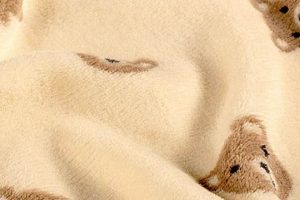
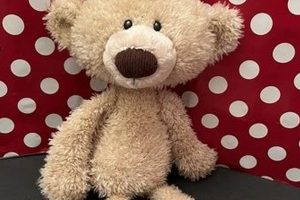
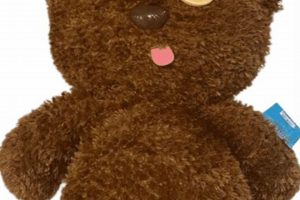
The distinctive physiognomy of these toys often features a short snout, large, round eyes, and stitched or painted features that evoke a sense of innocence and comfort. Classic examples frequently utilize soft, textured materials like plush or mohair, enhancing their tactile appeal and contributing to their overall gentle aesthetic.
This specific design evokes feelings of warmth, security, and nostalgia, making these toys popular companions for children and collectors alike. The enduring appeal of this comforting aesthetic can be traced back to the early 20th century, coinciding with the emergence of the teddy bear as a cultural icon. Their presence in popular culture further reinforces their comforting symbolism, contributing to a sense of familiarity and emotional connection across generations.
Further exploration of the design principles, manufacturing processes, and cultural significance of these comforting visages will provide a richer understanding of their enduring popularity and psychological impact.
Tips for Designing Expressive Toy Countenances
Careful consideration of specific design elements can significantly enhance the emotional impact and overall appeal of a toy’s face.
Tip 1: Eye Placement and Size: Widely spaced, large eyes tend to evoke a sense of innocence and vulnerability, while closer-set, smaller eyes can convey a more mature or mischievous expression. Subtle adjustments to eye size and positioning can dramatically alter the perceived personality.
Tip 2: Snout Shape and Length: A short, rounded snout contributes to a youthful and friendly appearance. Conversely, a longer, more defined snout can suggest sophistication or even a touch of mischievousness.
Tip 3: Material Choice for Facial Features: Embroidered features offer a classic, textured look, while painted details allow for greater precision and intricacy. The chosen material impacts both the aesthetic and the tactile experience.
Tip 4: Expression through Stitching or Painting: Subtle variations in stitching or brushstrokes can create a wide range of expressions, from gentle smiles to quizzical looks. Precise execution of these details is crucial for conveying the desired emotion.
Tip 5: Balancing Realism and Stylization: While a degree of realism can enhance emotional connection, excessive detail can detract from the comforting simplicity often associated with these toys. Striking a balance between these two approaches is key.
Tip 6: Considering the Target Audience: Design choices should align with the intended audience. Features appealing to younger children may differ from those preferred by adult collectors.
By carefully considering these elements, designers can create expressive and engaging visages that resonate deeply with their audience. These details contribute significantly to the overall appeal and enduring popularity of these cherished companions.
A deeper understanding of these design principles allows for a more nuanced appreciation of the artistry and emotional power embodied in these seemingly simple creations.
1. Expressiveness

The expressiveness of a toy’s face plays a crucial role in its perceived personality and emotional impact. Subtle variations in design elements can convey a wide range of emotions, from joy and innocence to sadness or even mischief. Understanding how specific features contribute to expressiveness provides insight into the enduring appeal of these comforting companions.
- Eye Shape and Position
The shape and position of the eyes are central to conveying emotion. Large, round, and widely spaced eyes often suggest innocence and vulnerability. Conversely, smaller, closer-set eyes can project a more knowing or mischievous expression. Slightly downturned eyes might hint at sadness, while upward-tilting eyes contribute to a cheerful demeanor. The subtle nuances in eye design significantly impact the overall perceived personality.
- Mouth and Snout Configuration
The shape and curve of the mouth, combined with the length and structure of the snout, further contribute to expressiveness. A gently upturned mouth creates a smiling appearance, radiating warmth and friendliness. A slightly downturned or neutral mouth can project a more contemplative or even melancholic expression. The interplay between these features adds depth and complexity to the face.
- Eyebrow and Forehead Details
Even subtle additions like eyebrows, forehead wrinkles, or stitching details can enhance expressiveness. Raised eyebrows can suggest surprise or curiosity, while slightly furrowed brows might convey concern or concentration. These details, often overlooked, add nuance and depth to the overall facial expression.
- Material and Tactile Considerations
The materials used for facial features also play a role in expressiveness. Embroidered features offer a classic, textured look, allowing for subtle variations in stitch density and direction to convey different emotions. Painted features offer greater precision, enabling the creation of intricate details and more complex expressions.
The interplay of these elements contributes to the overall expressiveness and perceived personality of the toy. By carefully manipulating these design aspects, creators can imbue these seemingly simple objects with a surprising depth of emotion, fostering deeper connections with their audience and solidifying their enduring appeal.
2. Comforting Features

Comforting features are integral to the enduring appeal of these familiar toys. These features elicit feelings of security, warmth, and nostalgia, contributing significantly to their role as cherished companions for both children and adults. Several key elements contribute to this comforting effect.
Soft textures, often achieved through the use of plush fabrics like mohair or synthetic furs, provide a tactile experience that evokes feelings of warmth and security. This tactile comfort encourages physical interaction, promoting a sense of closeness and emotional bonding. The rounded, smooth forms typical of these toys further enhance this sense of comfort, creating a visually and physically soothing presence. Large, expressive eyes contribute to the perception of innocence and vulnerability, fostering feelings of empathy and caregiving. The classic “teddy bear” design, with its short snout and friendly expression, further reinforces this comforting aesthetic. Real-life examples abound, from well-loved childhood companions to collector’s items meticulously preserved for their nostalgic value.
Understanding the specific features that contribute to this comforting effect has practical significance for both designers and consumers. Designers can leverage this knowledge to create toys that resonate deeply with their target audience, fostering stronger emotional connections. Consumers, by understanding these elements, can make more informed choices when selecting toys that provide comfort and emotional support. The enduring popularity of these toys underscores the fundamental human need for comfort and connection, highlighting the powerful role these seemingly simple objects play in providing solace and emotional security.
3. Nostalgia

Nostalgia, a sentimental longing or wistful affection for a period in the past, often finds a potent trigger in the familiar visage of a teddy bear. These toys frequently serve as tangible links to childhood, evoking memories of comfort, security, and simpler times. This connection imbues them with an emotional significance that transcends their mere physical presence.
- Childhood Companionship
For many, teddy bears represent some of the earliest and most consistent companions. These toys often provide comfort during periods of stress or change, becoming imbued with sentimental value that deepens over time. This strong association between teddy bears and formative experiences solidifies their role as powerful nostalgic symbols.
- Intergenerational Connections
The classic design of these toys often transcends generations, passing down familiar aesthetic elements from parents to children. This continuity reinforces the nostalgic connection, linking current experiences to cherished family memories and traditions. Antique or inherited teddy bears can serve as particularly potent reminders of family history and emotional bonds.
- Cultural Significance in Media
The prevalent depiction of teddy bears in children’s literature, film, and television further strengthens their nostalgic association. These media portrayals reinforce the comforting and familiar aspects of these toys, contributing to their enduring cultural significance and nostalgic power.
- Sensory Triggers of Memory
The tactile qualities of a teddy bear the soft fur, the embroidered features, the weight and feel can serve as powerful sensory triggers for nostalgic memories. These tactile sensations evoke visceral connections to the past, transporting individuals back to specific moments and emotions associated with their cherished childhood companions.
The potent combination of these factors solidifies the teddy bear’s position as a powerful symbol of nostalgia. The familiar features of these toys evoke a sense of comfort and security, connecting individuals to cherished memories and reinforcing their enduring emotional significance across generations. This nostalgic power contributes significantly to the continued popularity and cultural relevance of these seemingly simple toys.
4. Anthropomorphism

Anthropomorphism, the attribution of human traits, emotions, or intentions to non-human entities, plays a significant role in the design and appeal of teddy bear faces. By imbuing these toys with human-like features, designers create opportunities for deeper emotional connection and engagement. This humanization contributes significantly to the enduring popularity and perceived companionship offered by these toys.
- Facial Expression
The strategic design of facial features mimics human expressions, conveying emotions like joy, sadness, or curiosity. A slightly upturned mouth suggests a smile, while large, round eyes evoke a sense of innocence or vulnerability. These anthropomorphic expressions facilitate emotional mirroring, allowing individuals to project their own feelings onto the toy and strengthening the perceived bond.
- Body Posture and Proportions
The overall body shape and proportions often resemble those of a young child or infant, further enhancing the anthropomorphic connection. Short limbs, a rounded torso, and a relatively large head contribute to this effect, evoking caregiving instincts and fostering a sense of protectiveness. These design choices facilitate emotional projection and enhance the perceived companionship.
- Clothing and Accessories
Dressing teddy bears in human clothing or providing them with miniature accessories reinforces the anthropomorphic projection. These additions further blur the lines between object and companion, encouraging imaginative play and strengthening the perceived social bond. Examples include miniature hats, scarves, or even eyeglasses, each adding another layer of human-like personality.
- Role-Playing and Storytelling
The inherent anthropomorphic qualities of teddy bears encourage role-playing and storytelling, often involving the toy as an active participant in imagined social scenarios. This imaginative engagement further strengthens the perceived human-like qualities, transforming the toy into a friend, confidant, or even a surrogate family member. This imaginative interaction contributes significantly to the emotional value and enduring appeal of these toys.
The integration of these anthropomorphic elements transforms the teddy bear from a simple plaything into a comforting companion, capable of eliciting genuine emotional responses. This humanization deepens the connection between owner and toy, contributing to the enduring popularity and nostalgic significance of these cherished objects.
5. Material Texture

Material texture plays a crucial role in the overall perception and appeal of a teddy bear’s face. The tactile quality of the materials used significantly influences the emotional response evoked by the toy, impacting its perceived comfort, realism, and overall aesthetic. This connection between material and emotional response is central to understanding the enduring appeal of these cherished companions.
Soft, plush materials like mohair, alpaca, or synthetic furs contribute significantly to the comforting and cuddly feel associated with teddy bears. These textures invite touch and interaction, fostering a sense of security and emotional connection. Conversely, coarser materials or tightly woven fabrics can create a different tactile experience, potentially impacting the perceived comfort and appeal. The texture of the fabric used for the face itself also plays a role. A smooth, velvety texture around the eyes and snout can enhance the impression of softness and vulnerability, while a more textured or nubby material might create a different aesthetic. Manufacturers often employ a variety of materials to achieve specific effects, carefully considering the interplay between texture and emotional impact. Examples include the use of short-pile plush for a classic, smooth look, or longer, shaggier furs for a more rustic and textured appearance. The specific material choices made during the design process directly influence the tactile experience and the resulting emotional response.
Understanding the impact of material texture provides valuable insights for both designers and consumers. Designers can leverage this knowledge to create toys that elicit specific emotional responses, enhancing their appeal and market success. Consumers benefit from understanding how texture influences their own emotional connection to a toy, facilitating informed purchasing decisions. The interplay between material texture and emotional response highlights the complex relationship between design choices and user experience in the realm of toy manufacturing and underscores the importance of considering tactile qualities in design.
6. Stitching and embroidery
Stitching and embroidery are fundamental to the creation and expression of teddy bear faces. These techniques significantly influence the toy’s perceived personality, aesthetic appeal, and overall quality. They serve not only a structural function, holding the facial features together, but also a decorative and expressive one, conveying emotion and imbuing the toy with character. Understanding the nuances of these techniques is essential for appreciating the artistry and craftsmanship involved in creating these cherished companions.
- Defining Facial Features
Stitching defines the core facial features eyes, nose, mouth, and eyebrows shaping the toy’s expression and overall appearance. Different stitching techniques, such as back stitch, satin stitch, or French knots, create varied textures and visual effects. For instance, a simple running stitch might outline the eyes, while a denser satin stitch could create a fuller, more expressive mouth. The choice of thread color and thickness further enhances these details, contributing to the overall aesthetic.
- Conveying Emotion
Subtle variations in stitching can dramatically alter a teddy bear’s expression. The curve of a stitched mouth, the angle of the eyebrows, or even the placement of a few strategically placed stitches can convey a wide range of emotions, from happiness and contentment to sadness or surprise. Skilled artisans manipulate these techniques to imbue the toy with personality and emotional depth.
- Enhancing Tactile Experience
Embroidery adds textural depth to the face, enhancing the tactile experience. Raised stitches create a three-dimensional effect that invites touch and interaction. Different embroidery techniques, such as chain stitch or couching, offer varied textures and visual interest, further enriching the tactile engagement. This tactile dimension contributes significantly to the comforting and engaging qualities of the toy.
- Reflecting Craftsmanship and Quality
The quality of stitching and embroidery often reflects the overall craftsmanship and quality of the teddy bear. Neat, precise stitching suggests attention to detail and skilled workmanship. Conversely, uneven or loose stitching can detract from the toy’s appearance and perceived value. These details are often key indicators for collectors and enthusiasts, influencing their appreciation and valuation of individual pieces.
These intertwined aspects of stitching and embroidery contribute significantly to the overall aesthetic, emotional impact, and perceived value of a teddy bear. From defining facial features to conveying emotion and reflecting craftsmanship, these techniques play a critical role in shaping the unique character and enduring appeal of these cherished companions.
7. Varied Designs

The diversity in teddy bear facial designs contributes significantly to their enduring appeal across a broad audience. Variations encompass a wide spectrum of stylistic choices, influencing the perceived age, personality, and emotional impact of the toy. These design choices cater to diverse preferences, ensuring continued relevance in a constantly evolving market. Factors driving this variation include intended audience (children versus collectors), cultural influences, and evolving manufacturing techniques.
A classic, traditional design might feature simple embroidered eyes and nose, a gently smiling mouth, and a rounded snout, evoking a sense of timeless comfort and nostalgia. Conversely, a more contemporary design might incorporate detailed airbrushing, intricately sculpted features, or even articulated joints for greater expressiveness. Specific examples include the Steiff bears, known for their high-quality materials and classic designs, versus more modern, artist-designed bears that push the boundaries of traditional aesthetics. The availability of diverse designs allows individuals to select toys that resonate with their personal preferences and emotional needs. This variety also supports a thriving collector’s market, where rare or unique designs hold significant value.
Understanding the breadth of design variations provides insight into the ongoing evolution and cultural relevance of teddy bears. The ability to adapt to changing tastes and preferences ensures their continued popularity across generations. This adaptability also presents opportunities for innovation and creativity within the toy industry, driving the development of new materials, manufacturing techniques, and artistic expressions. The diversity in design underscores the enduring power of these comforting companions to evoke emotional connections and inspire imaginative play.
Frequently Asked Questions
This section addresses common inquiries regarding the design, significance, and care of teddy bear faces. Understanding these aspects contributes to a deeper appreciation of these cherished companions.
Question 1: What design elements contribute most significantly to a comforting facial expression?
Large, round eyes positioned relatively wide apart, combined with a short, rounded snout and a gently upturned mouth, typically evoke feelings of comfort and security.
Question 2: How does the choice of material affect the overall impression?
Soft, plush materials such as mohair or high-quality synthetic furs enhance the tactile appeal and contribute to a sense of warmth and comfort. The material’s texture also influences the perceived realism and overall aesthetic.
Question 3: What is the significance of stitching and embroidery in facial design?
Stitching and embroidery define the facial features, conveying emotion and adding textural depth. The quality of these techniques often reflects the overall craftsmanship of the piece.
Question 4: Why are there so many variations in teddy bear facial designs?
Variations cater to diverse preferences and reflect evolving aesthetic trends. Design choices also consider the target audience, ranging from young children to adult collectors.
Question 5: How does anthropomorphism influence the appeal of these toys?
Anthropomorphic features, such as expressive eyes and a recognizable snout, encourage emotional projection and enhance the perceived companionship offered by the toy.
Question 6: How can one preserve the appearance of a vintage teddy bear’s face?
Gentle cleaning with a soft brush, avoiding harsh chemicals, and storing the bear in a cool, dry environment helps preserve its delicate features. Consulting a professional conservator is recommended for valuable or antique pieces.
Careful consideration of these frequently asked questions provides a comprehensive understanding of the design, significance, and care practices relevant to teddy bear faces. This knowledge enhances appreciation for the artistry and emotional impact of these cherished companions.
Further exploration of related topics, including the history of teddy bear manufacturing and the psychological impact of these toys, can deepen understanding and appreciation.
Conclusion
The exploration of design reveals a complex interplay of artistic principles, manufacturing techniques, and psychological impact. From the careful placement of eyes and stitching to the selection of materials and the incorporation of anthropomorphic features, each element contributes to the overall emotional effect. The enduring popularity of these toys stems from their ability to evoke feelings of comfort, security, and nostalgia, solidifying their role as cherished companions across generations.
Continued appreciation for the artistry and emotional significance inherent in these seemingly simple designs ensures their continued relevance in a world increasingly dominated by digital interactions. Further investigation into the cultural impact and evolving design trends promises a richer understanding of the enduring power of these comforting visages.