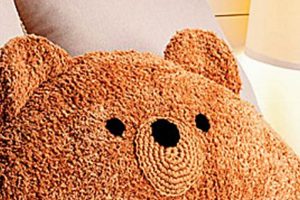
A well-loved, vintage plush toy evokes a sense of nostalgia and comfort. This can refer to bears of a certain age, antique bears, or those that simply possess a classic, timeless design. An example would be a Steiff bear from the early 20th century or a simple, brown bear with worn fur and button eyes.
These toys often hold significant sentimental value, representing childhood memories and emotional connections. They can serve as cherished heirlooms, passed down through generations, carrying family history and tradition. The enduring appeal of these classic toys lies in their ability to evoke a sense of comfort and security, connecting individuals to the past. Historically, these toys have played a crucial role in childhood development, offering companionship and fostering imaginative play.
This exploration of vintage plush toys provides a foundation for delving into specific topics such as identifying antique bears, caring for aged plush, and the cultural significance of these beloved companions.
Caring for Vintage Plush Toys
Preserving vintage plush toys requires careful attention to their delicate nature. These tips offer guidance on maintaining their condition and extending their lifespan.
Tip 1: Surface Cleaning: Avoid immersing vintage plush in water. Instead, use a soft brush or lint roller to remove dust and debris. For stubborn stains, spot-clean with a damp cloth and mild detergent, testing an inconspicuous area first.
Tip 2: Handling and Storage: Handle vintage plush gently, supporting their bodies. Avoid pulling on limbs or seams. Store in a cool, dry environment away from direct sunlight, which can fade fabrics.
Tip 3: Repairing Minor Damage: Small tears can often be mended with a needle and thread matching the original material. For significant repairs, consult a professional specializing in textile conservation.
Tip 4: Identifying Antique Bears: Antique bears often possess unique characteristics such as button eyes, straw stuffing, and specific manufacturers’ marks. Researching these features can aid in authentication and valuation.
Tip 5: Displaying Vintage Plush: When displaying these cherished items, consider using protective cases or stands to minimize dust accumulation and prevent accidental damage.
Tip 6: Documentation: Photographing and documenting the condition of vintage plush toys creates a valuable record for insurance purposes and helps track any changes over time.
Tip 7: Pest Prevention: Regularly inspect stored plush toys for signs of pests. Cedar chips or lavender sachets can deter insects naturally.
Proper care ensures these treasured items remain in good condition for generations to come, preserving their historical and sentimental value. These practices safeguard not only the toys themselves but also the memories and stories they embody.
By understanding these care guidelines, one can appreciate the artistry and historical significance of vintage plush toys, ensuring their continued enjoyment and preservation.
1. Antique

The term “antique” holds significant weight within the realm of “teddy bear old,” signifying not just age but also historical relevance, craftsmanship, and potential monetary value. Understanding what qualifies a teddy bear as antique is crucial for collectors and enthusiasts alike.
- Age and Era:
Generally, an item must be at least 100 years old to be considered antique. In the context of teddy bears, this places antique bears firmly within the early 20th century or earlier. Bears from this period often exhibit specific characteristics indicative of their age, such as button eyes, straw or wood wool stuffing, and simpler designs. Examples include early Steiff bears, Ideal Novelty and Toy Co. bears, and other manufacturers from the pre-WWI era. The age of a bear significantly impacts its value and historical importance.
- Materials and Construction:
Antique teddy bears were often crafted using materials common to their time, such as mohair plush, felt, and early synthetic fabrics. Hand-stitching and simpler construction methods were prevalent. Examining the materials and construction techniques can provide clues about a bear’s age and authenticity. For example, early Steiff bears utilized excelsior stuffing, a distinctive characteristic of the era. These material choices contribute to the unique aesthetic and feel of antique bears.
- Manufacturers and Marks:
Identifying the manufacturer of an antique bear is essential for authentication and valuation. Early manufacturers like Steiff, Bing, and Schuco often used specific markings, tags, or buttons to identify their products. These marks can serve as valuable clues in determining a bear’s provenance and historical significance. A Steiff button-in-ear, for instance, is a hallmark of the company’s early production.
- Condition and Rarity:
The condition of an antique bear greatly affects its value. Bears in excellent original condition, with minimal wear and tear, are highly sought after. Rarity also plays a significant role; bears produced in limited numbers or featuring unusual characteristics command higher prices. A well-preserved, rare antique bear represents a significant find for collectors. Factors such as repairs, replaced parts, and overall wear contribute to the assessment of condition and rarity.
These facets contribute to the allure and value of antique teddy bears. Understanding these aspects provides a framework for appreciating these historical artifacts, not merely as toys, but as tangible links to the past, reflecting the craftsmanship and design aesthetics of their respective eras. This knowledge enhances the appreciation of “teddy bear old” within a historical and collecting context.
2. Vintage

“Vintage” in the context of “teddy bear old” designates a specific period and carries distinct connotations of nostalgia, quality, and evolving design trends. Unlike “antique,” “vintage” encompasses a broader timeframe, generally referring to items between 20 and 100 years old. This distinction is crucial for understanding the nuances of “teddy bear old,” as “vintage” bears represent a different era and collecting category.
- Mid-Century Modern Influence (1940s-1960s):
The mid-20th century saw a shift in teddy bear design, reflecting the broader aesthetic trends of the era. Streamlined forms, synthetic fabrics like plush and nylon, and bolder colors became more prevalent. Manufacturers like Knickerbocker and Gund produced iconic bears during this period. These bears showcase the evolution of teddy bear aesthetics, reflecting the design sensibilities of their time.
- Character Bears and Licensed Properties (1970s-1990s):
The latter half of the 20th century witnessed the rise of character bears and licensed properties in the teddy bear market. Bears based on popular television shows, movies, and books became increasingly common, exemplified by Care Bears, Paddington Bear, and various Disney characters. This trend reflects the growing influence of popular culture on toy design. These bears often appeal to collectors due to their nostalgic connection to specific childhood memories.
- Materials and Manufacturing Techniques:
While vintage bears might utilize some traditional materials like mohair, they also showcase the adoption of newer materials like synthetic plush and different stuffing methods. Mass production techniques became more widespread, impacting the overall construction and affordability of teddy bears. This evolution in manufacturing processes contributed to the wider availability of teddy bears across different price points.
- Collecting and Value:
Vintage teddy bears hold a unique position in the collecting world, bridging the gap between antique and modern. Their value is often determined by factors like condition, rarity, manufacturer, and cultural significance. Certain vintage bears, particularly those associated with specific brands or characters, can be highly sought after by collectors. Understanding the specific attributes of a vintage bear is crucial for assessing its potential value and collecting appeal.
Exploring these facets of “vintage” provides valuable context for understanding the broader concept of “teddy bear old.” Vintage bears represent a distinct chapter in the history of teddy bears, reflecting changing design trends, manufacturing processes, and cultural influences. Recognizing these nuances deepens the appreciation for the evolution of these cherished toys and their enduring appeal.
3. Well-loved

The concept of “well-loved” adds a crucial dimension to understanding “teddy bear old.” It transcends mere physical age and delves into the realm of emotional connection and personal history. A well-loved teddy bear exhibits tangible signs of its cherished statusworn fur, loose stitching, perhaps a missing eye or button. These imperfections, rather than detracting from the bear’s value, enhance its significance. They serve as a testament to the countless hours of hugs, bedtime stories, and childhood adventures shared. A pristine, untouched antique bear might be historically significant, but a well-loved bear, regardless of its age or monetary value, holds the weight of personal memories and emotional resonance.
Consider a child’s teddy bear, passed down through generations. Its fur might be matted, its limbs loose, and its stitching frayed. Yet, these imperfections tell a story. They speak of the love and comfort it provided to multiple children across decades. Each worn patch, each loose thread, represents a moment of connection, a shared experience, a whispered secret. This bear embodies “teddy bear old” not through its age alone but through the accumulation of love and memories it embodies. Another example might be a bear discovered in an attic, its appearance faded and worn. While its origins might be unknown, its condition suggests a cherished past, a silent testament to a forgotten childhood. The wear and tear become markers of a life well-lived, adding to its mystique and emotional appeal.
Recognizing the significance of “well-loved” adds depth to the appreciation of “teddy bear old.” It underscores the emotional connection between humans and their cherished objects. This understanding shifts the focus from objective measures of age to the subjective experience of connection and memory. While preservation and historical context remain important, the concept of “well-loved” adds a vital layer of human experience to the narrative of these treasured companions. It reminds us that the true value of a teddy bear often lies not in its monetary worth or pristine condition, but in the intangible memories and emotions it evokes.
4. Timeworn
Timeworn, as a facet of “teddy bear old,” signifies the tangible effects of time and use upon a plush toy. It encompasses the natural wear and tear accumulated through years of handling, play, and storage. This wear manifests in various forms, including faded fabric, thinning fur, loose stitching, and surface soiling. These characteristics, while often viewed as imperfections, contribute significantly to a teddy bear’s perceived age and historical context. The presence of timeworn features can elevate a bear from a simple plaything to a treasured object imbued with history and sentimental value. A faded patch on a bear’s fur might indicate a favorite spot for a child’s touch, while loose stitching could mark a hastily mended tear, each imperfection adding a layer to the bear’s narrative. Consider a teddy bear retrieved from an attic, its fur thinned and matted, its button eyes loose. These timeworn features speak of a life lived, a history of companionship, and the inevitable passage of time.
The importance of “timeworn” as a component of “teddy bear old” lies in its ability to evoke a sense of nostalgia and authenticity. Unlike a pristine, unused bear, a timeworn toy carries the weight of its experiences. These imperfections add character and depth, making each bear unique and imbuing it with a story. A timeworn teddy bear offers a tangible connection to the past, whether it be a personal past filled with childhood memories or a broader historical past reflected in the bear’s design and materials. The presence of wear and tear provides evidence of a life lived and loved, adding to the bear’s emotional resonance. For example, a vintage teddy bear with worn fur and loose stitching might evoke a sense of nostalgia for simpler times, while an antique bear with faded fabric and missing button eyes might spark curiosity about its history and previous owners.
Understanding the connection between “timeworn” and “teddy bear old” provides a deeper appreciation for the value of these objects beyond their physical condition. It encourages a shift in perspective, viewing these imperfections not as flaws but as markers of time, use, and emotional connection. This understanding fosters an appreciation for the stories these bears tell, the history they embody, and the emotional significance they hold for their owners. While preservation efforts are important, acknowledging the inherent value of timeworn features adds a crucial dimension to the appreciation of “teddy bear old.” It underscores the importance of recognizing the passage of time and the impact it has on these cherished companions, transforming them from simple playthings into tangible links to the past.
5. Classic design

Classic design in teddy bears contributes significantly to the perception of “teddy bear old,” even in contemporary creations. Certain design elements evoke a sense of nostalgia and timelessness, linking modern bears to their historical predecessors. These elements include traditional shapes, materials, and construction techniques. A simple, humpbacked form with jointed limbs, crafted from mohair or plush in a classic brown hue, immediately conjures images of early teddy bears, regardless of its actual production date. The use of button eyes, embroidered noses, and stitched mouths further reinforces this connection to traditional designs. Manufacturers often intentionally incorporate these classic elements to create bears that resonate with collectors and enthusiasts seeking a timeless aesthetic. For example, Steiff continues to produce replicas of their early bears, appealing to those drawn to the classic designs of the past. Similarly, smaller artisan bear makers often embrace traditional techniques and materials, creating new bears with a vintage feel.
The enduring appeal of classic teddy bear design stems from its ability to evoke a sense of comfort, familiarity, and emotional connection. These designs often represent a simpler time, free from the complexities of modern life. Their timeless aesthetic transcends fleeting trends, offering a sense of stability and continuity. This connection to the past explains the enduring popularity of classic teddy bear designs, which continue to resonate with collectors and enthusiasts of all ages. The continued demand for these designs also influences the market, encouraging manufacturers to produce bears that embody these classic aesthetics. For instance, the enduring popularity of Winnie-the-Pooh, with his simple, classic design, demonstrates the sustained appeal of traditional teddy bear aesthetics.
Understanding the role of classic design in “teddy bear old” provides valuable insight into the enduring appeal of these toys. It demonstrates how design elements can transcend time, connecting contemporary creations to a rich history and tradition. This understanding benefits both collectors seeking specific aesthetics and manufacturers aiming to create bears that resonate with a broad audience. The continued appreciation for classic design ensures that the legacy of “teddy bear old” continues to thrive, influencing both contemporary creations and the collecting market. This appreciation preserves the timeless appeal of these cherished companions, ensuring their continued relevance for generations to come.
6. Heirloom

The “heirloom” designation elevates “teddy bear old” beyond mere age or condition, transforming it into a tangible embodiment of family history and emotional legacy. An heirloom teddy bear acts as a vessel of memory, carrying stories and sentiments across generations. This intergenerational transfer imbues the object with profound significance, connecting past, present, and future. The act of passing down a cherished teddy bear signifies more than just the transfer of an object; it represents the passing down of love, tradition, and shared family history. This connection to previous generations deepens the emotional resonance of the bear, enriching its perceived value far beyond any monetary worth. For example, a simple, worn teddy bear passed down from a grandmother to a grandchild can represent a tangible link to family history, carrying with it unspoken stories and a sense of connection to the past.
Several factors contribute to a teddy bear achieving heirloom status. Age and provenance play a role, as older bears with documented family history are more likely to be considered heirlooms. Condition, while less critical than for collectors, still contributes to the narrative. A well-loved, timeworn appearance often enhances the heirloom quality, adding a layer of tangible history to the object. Most importantly, the emotional significance attached to the bear by family members solidifies its heirloom status. A bear associated with a particular ancestor, a significant childhood event, or a cherished family tradition becomes imbued with a unique and irreplaceable value. For instance, a teddy bear given to a child during a difficult period might become an heirloom representing resilience and familial love, its physical presence a comforting reminder of support and connection.
Understanding the “heirloom” aspect of “teddy bear old” provides crucial insight into the complex relationship between objects and human emotion. It highlights the power of tangible items to embody intangible values like love, memory, and family connection. This understanding encourages a more nuanced approach to valuing objects, shifting the focus from market worth to emotional significance. Recognizing the potential for any well-loved teddy bear to become an heirloom encourages thoughtful preservation and mindful passing down of these cherished objects, ensuring the continuation of family narratives and emotional legacies for generations to come. This perspective transforms the concept of “teddy bear old” from a simple descriptor of age to a recognition of the profound role these objects play in shaping personal and familial identities.
7. Sentimental Value

Sentimental value represents a crucial aspect of “teddy bear old,” often surpassing objective measures like age or monetary worth. It transforms a simple plaything into a treasured keepsake, imbued with personal meaning and emotional significance. This connection to personal history elevates the bear beyond its physical form, making it a tangible representation of cherished memories, emotional milestones, and enduring relationships. Exploring the facets of sentimental value provides deeper insight into the complex relationship between humans and their cherished objects.
- Emotional Attachment:
The emotional attachment formed between an individual and a teddy bear often begins in childhood. The bear serves as a source of comfort, security, and companionship during formative years. This early bond can endure throughout life, transforming the bear into a tangible representation of childhood innocence and emotional security. A worn, faded teddy bear clutched during times of stress or sadness can provide a powerful sense of comfort and continuity, linking the present to cherished memories of the past. This emotional connection imbues the bear with immense personal value, irrespective of its physical condition or monetary worth.
- Symbol of Relationships:
Teddy bears can serve as powerful symbols of interpersonal connections. A bear gifted from a loved one becomes a tangible reminder of that relationship, embodying the emotions and memories associated with the giver. This association can transform the bear into a cherished keepsake, representing the enduring bond between individuals. A bear received as a childhood gift from a grandparent, for instance, might become a treasured heirloom, representing not only the grandparent’s love but also a connection to family history and tradition. The sentimental value of the bear lies in its ability to evoke memories of the relationship and the emotions associated with it.
- Markers of Life Events:
Teddy bears often become associated with significant life events, serving as tangible markers of milestones and transitions. A bear given to commemorate a birth, a graduation, or a special occasion becomes imbued with the memories and emotions of that event. This association elevates the bear beyond a simple plaything, transforming it into a personal memento representing a specific chapter in an individual’s life. A bear received upon entering a new school, for example, might become a symbol of that transition, embodying both the anxieties and the excitement of a new beginning. The sentimental value of the bear lies in its ability to evoke the memories and emotions associated with that particular life event.
- Legacy and Inheritance:
The passing down of a cherished teddy bear through generations transforms it into a powerful symbol of family legacy and continuity. The bear becomes a tangible link to previous generations, carrying with it stories, traditions, and emotional connections. This act of inheritance imbues the bear with profound sentimental value, extending its significance beyond the individual to encompass the broader family narrative. A child receiving their parent’s well-loved teddy bear inherits not only a toy but also a piece of family history, a tangible connection to their heritage. The sentimental value of the bear lies in its ability to bridge generations, fostering a sense of belonging and shared identity.
These facets of sentimental value demonstrate the profound impact “teddy bear old” can have on an individual’s emotional landscape. These cherished objects become more than just playthings; they transform into tangible representations of personal history, relationships, and emotional milestones. This understanding enriches the appreciation of “teddy bear old,” shifting the focus from objective characteristics to the subjective experiences and emotional connections that imbue these treasured companions with enduring significance.
Frequently Asked Questions
This section addresses common inquiries regarding aged and cherished teddy bears, focusing on preservation, identification, and the complexities of value.
Question 1: How can one determine the age of a teddy bear?
Determining a bear’s age requires careful examination of its features, materials, and any manufacturer’s markings. Button eyes, straw stuffing, and simpler designs often indicate older bears. Consulting reputable resources specializing in antique and vintage toys can provide further guidance. Professional appraisers can offer expert opinions on age and authenticity.
Question 2: What is the difference between antique and vintage in the context of teddy bears?
Generally, “antique” refers to items over 100 years old, while “vintage” encompasses items between 20 and 100 years old. This distinction is crucial for collectors and enthusiasts. Antique bears often represent significant historical value, while vintage bears reflect specific design trends and cultural influences of their respective eras.
Question 3: How should one clean a vintage or antique teddy bear?
Cleaning delicate older bears requires caution. Avoid immersing them in water. Surface cleaning with a soft brush or lint roller is generally recommended. Spot-cleaning with a damp cloth and mild detergent can address specific stains, but always test an inconspicuous area first. Consulting a textile conservator is advisable for significant cleaning or repairs.
Question 4: What factors influence a teddy bear’s value?
Several factors contribute to a teddy bear’s value, including age, rarity, condition, manufacturer, and historical significance. Bears in excellent original condition from renowned manufacturers like Steiff often command higher prices. Provenance and documented history also play a significant role in determining value. Sentimental value, while subjective, adds an immeasurable dimension to a bear’s significance for its owner.
Question 5: How should one store a vintage or antique teddy bear to prevent further deterioration?
Proper storage is crucial for preserving these delicate items. Store bears in a cool, dry environment away from direct sunlight, which can fade fabrics. Avoid storing them in plastic bags, which can trap moisture. Acid-free tissue paper or cotton muslin can provide protective wrapping. Utilizing archival-quality storage containers or display cases can further safeguard bears from dust, pests, and environmental factors.
Question 6: Where can one find reputable information about identifying and valuing teddy bears?
Reputable resources for teddy bear identification and valuation include specialized books, online forums dedicated to antique and vintage toys, and professional appraisal services. Auction houses often feature antique and vintage teddy bears, offering insights into current market values. Consulting with experienced collectors and reputable dealers can also provide valuable information.
Understanding the nuances of age, condition, and historical context provides a foundation for appreciating the unique characteristics of each cherished teddy bear. Whether antique, vintage, or simply well-loved, these companions hold a special place in personal and cultural history.
This FAQ section serves as a starting point for further exploration into the world of “teddy bear old,” encouraging deeper understanding and appreciation for these treasured companions.
Conclusion
The exploration of “teddy bear old” reveals a multifaceted concept encompassing age, condition, historical significance, and sentimental value. From antique Steiff bears representing craftsmanship and historical context to well-loved, timeworn companions embodying personal memories, the concept extends beyond mere chronological age. Classic design elements bridge the gap between past and present, linking contemporary creations to a rich tradition. The designation of “heirloom” elevates these objects to symbols of family legacy, while sentimental value underscores the profound emotional connections forged between individuals and their cherished teddy bears.
Ultimately, understanding “teddy bear old” requires appreciating the interplay of tangible and intangible qualities. Whether a century-old antique or a recently acquired companion, the value of these objects lies in their ability to evoke emotions, connect generations, and embody personal narratives. Preserving these treasured companions, both physically and through shared stories, ensures the continuation of their unique legacy within personal and cultural history.