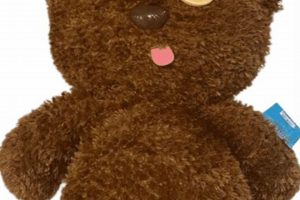
The process of repairing and revitalizing well-loved plush toys involves a range of techniques, from cleaning and patching to replacing missing parts like eyes, noses, or paw pads. A skilled practitioner might rebuild limbs, re-stuff bodies, or even recreate lost fur using matching materials. For example, a threadbare ear might be carefully restitched and reinforced, or a missing eye replaced with a vintage glass button to maintain the toy’s original character.
This specialized craft preserves treasured childhood companions and family heirlooms, extending their lifespan for generations to come. The sentimental value attached to these objects often transcends their monetary worth, representing a tangible link to the past. Historically, such repairs were often undertaken out of necessity, but the practice has evolved into a recognized field of expertise, driven by a desire to conserve both the physical toy and the associated memories.
The following sections will delve into the specific techniques, materials, and ethical considerations involved in this delicate process, offering a detailed guide for both enthusiasts and professionals.
Tips for Plush Toy Revitalization
Maintaining the integrity of aged plush toys requires careful consideration and specialized techniques. The following tips offer guidance for handling, cleaning, and repairing these delicate items.
Tip 1: Surface Cleaning: Prior to any major repairs, surface dirt should be addressed. A gentle brushing with a soft-bristled brush can remove loose dust and debris. For more stubborn stains, a damp (not wet) cloth with mild soap may be used sparingly. Avoid excessive moisture, as it can damage the stuffing and fabric.
Tip 2: Assessing Damage: A thorough examination should be conducted to identify areas requiring attention. Note tears, loose seams, missing parts, and areas of wear. Documenting the existing condition with photographs is recommended.
Tip 3: Matching Materials: When replacing missing or damaged components, strive to use materials that closely match the original. This includes considering fabric type, color, and texture. Vintage buttons, fabrics, and mohair can often be sourced for older toys.
Tip 4: Repairing Tears and Seams: Small tears can be mended using a ladder stitch, which is discreet and effective. Larger tears might require patching with matching fabric. Loose seams should be reinforced with careful stitching using a thread that matches the original.
Tip 5: Replacing Stuffing: If the stuffing is compressed or deteriorated, it can be replaced. Use appropriate materials, such as polyester fiberfill or wool, depending on the original stuffing. Take care to maintain the toy’s original shape and firmness.
Tip 6: Addressing Missing Features: Missing eyes, noses, or paw pads can often be replaced with vintage or reproduction parts. Ensure secure attachment to prevent choking hazards, especially for toys intended for children.
Tip 7: Seeking Professional Assistance: For complex repairs or extremely fragile toys, consulting a professional specializing in antique toy repair is advisable. Their expertise ensures appropriate techniques and materials are utilized, preserving the toy’s historical integrity.
By following these guidelines, one can ensure the longevity and continued enjoyment of cherished plush companions, preserving not only the physical object but also the memories they represent.
The following conclusion summarizes the importance of preserving these tangible links to the past and encourages mindful stewardship of these treasured objects.
1. Cleaning

Cleaning forms the foundational stage of effective plush toy revitalization. It removes accumulated dirt, dust, and allergens, revealing the true condition of the fabric and identifying areas requiring further attention. This initial assessment is crucial for determining appropriate subsequent treatments, whether simple repairs or more complex interventions. For instance, surface grime might obscure a small tear, which, if left unaddressed, could worsen over time. Effective cleaning also safeguards against further deterioration by removing potentially damaging substances, such as mold or insect debris. Different cleaning methods are employed depending on the toy’s material composition and age; delicate antique mohair requires specialized dry cleaning techniques, while sturdier modern plush may tolerate gentle hand washing.
The impact of cleaning extends beyond the immediately visible improvements. It contributes to preserving the toys long-term integrity by mitigating the damaging effects of accumulated soiling. Dirt particles can act as abrasives, gradually wearing down fibers and weakening the fabric. Moreover, cleaning can revitalize the appearance of faded or discolored plush, restoring vibrancy and enhancing the overall aesthetic. A well-cleaned toy reveals the richness of its original colors and textures, reigniting sentimental connections and enhancing its value, both tangible and emotional. The process, however, requires careful consideration of material sensitivities and appropriate cleaning agents to avoid causing unintended damage or discoloration.
In conclusion, cleaning represents a critical first step in plush toy restoration. Its importance lies not only in improving immediate appearance but also in laying the groundwork for successful subsequent repairs and long-term preservation. A thorough and appropriate cleaning process ensures that the toy’s original character and charm are preserved, allowing cherished companions to continue providing comfort and joy for generations to come. This crucial initial phase sets the stage for successful restoration efforts, ensuring the longevity and continued enjoyment of these treasured objects.
2. Repairing

Repairing represents a crucial stage in teddy bear restoration, addressing structural damage and wear to ensure the toy’s continued integrity and longevity. This process encompasses a range of techniques, from simple seam reinforcement to complex limb reconstruction. The extent of repair required depends on the individual toy’s condition and the desired outcome. A small tear in the fabric, for example, might necessitate a discreet patch, while a detached limb requires careful reattachment and internal reinforcement. The aim is to restore both structural soundness and aesthetic coherence.
The significance of repairing within the broader context of teddy bear restoration lies in its capacity to preserve the toy’s physical form and historical character. A missing ear, a detached limb, or a gaping seam detracts from the toy’s original design and diminishes its historical value. Skilled repair work addresses these issues, returning the toy to a state closer to its original appearance. For instance, replacing missing glass eyes with period-appropriate replicas not only restores the toy’s aesthetic appeal but also maintains its historical accuracy. These interventions contribute to preserving the toy’s authenticity and overall value, both sentimental and monetary.
Effective repair techniques require careful material selection and meticulous execution. Matching thread color and fabric texture is essential for maintaining the toy’s visual coherence. Using appropriate stitching methods ensures the repairs are both durable and discreet. Addressing underlying structural issues, such as weakened seams or worn fabric, prevents further damage and extends the toy’s lifespan. The successful integration of these elements contributes to a seamless and enduring restoration, preserving the cherished object for future generations. This meticulous approach underscores the importance of repairing as a fundamental component of effective and ethical teddy bear restoration.
3. Replacing

Replacing components forms an integral aspect of teddy bear restoration, addressing situations where repair alone proves insufficient to preserve the toy’s integrity or historical accuracy. This process necessitates careful consideration of material authenticity, aesthetic coherence, and ethical implications. Lost or severely damaged features, such as eyes, noses, paw pads, or even entire limbs, often require replacement to restore the toy’s original appearance and character. The choice between utilizing vintage or reproduction parts depends on factors such as availability, cost, and the collector’s preferences. For example, replacing a missing glass eye on a vintage teddy bear with a period-appropriate replica maintains historical accuracy, whereas opting for a modern replacement might compromise its value and authenticity.
The importance of replacing within the broader context of teddy bear restoration lies in its capacity to revitalize cherished objects, preserving their sentimental and historical significance. A missing eye or a worn-out paw pad not only detracts from the toy’s aesthetic appeal but also diminishes its emotional resonance. Replacing these elements restores the toy’s completeness, reviving its original charm and rekindling the associated memories. Furthermore, careful replacement can enhance the toy’s structural integrity, ensuring its longevity and continued enjoyment for future generations. Consider a vintage teddy bear with severely damaged limbs; replacing these damaged components with carefully crafted replicas allows the toy to be handled and appreciated without fear of further deterioration.
Effective replacement requires a deep understanding of the toy’s historical context, material composition, and construction techniques. Matching the original materials as closely as possible, whether using vintage components or meticulously crafted reproductions, ensures the replacement integrates seamlessly with the existing structure. Careful attention to detail, such as thread color, stitching patterns, and material texture, preserves the toy’s overall aesthetic coherence. The ethical considerations surrounding replacement necessitate transparency and careful documentation, ensuring the restored toy’s provenance and the extent of the interventions performed remain clear. This meticulous approach maintains the integrity of the restoration process while respecting the toy’s historical and sentimental value.
4. Matching Materials

Material selection plays a crucial role in effective teddy bear restoration, directly impacting the final result’s authenticity, aesthetic appeal, and overall value. Matching original materials as closely as possible is paramount for preserving the toy’s historical integrity and ensuring the repairs blend seamlessly with the existing structure. This involves careful consideration of fabric type, color, texture, and weight, as well as sourcing appropriate replacement components like eyes, noses, and paw pads.
- Fabric Type and Texture:
The fabric forms the foundation of the teddy bear’s appearance and tactile experience. Whether mohair, plush, or synthetic, matching the original fabric type is essential. Replicating the original pile, weave, and nap direction ensures the repaired areas blend seamlessly. For example, using a modern plush fabric on a vintage mohair bear would create a jarring visual inconsistency, compromising its historical accuracy.
- Color Matching:
Color consistency is crucial for maintaining the toy’s aesthetic coherence. Fading and discoloration due to age and exposure require careful assessment to determine the original hue. Utilizing dyes or sourcing vintage fabrics that closely match the original color prevents repaired areas from standing out. Using a mismatched color, even if subtly different, can disrupt the overall visual harmony and diminish the restoration’s effectiveness.
- Component Selection:
Replacing missing or damaged components, such as eyes, noses, and paw pads, necessitates careful selection of appropriate replacements. Opting for period-appropriate materials, like vintage glass eyes or antique shoe button eyes, preserves the toy’s historical accuracy. Using modern plastic substitutes on a vintage bear would be anachronistic and detract from its authenticity. Careful research and sourcing are essential for obtaining suitable replacements.
- Thread Choice:
Even seemingly minor details like thread choice contribute significantly to the restoration’s success. Matching thread color and weight to the original stitching ensures the repairs are discreet and blend seamlessly with the existing seams. Using a contrasting or overly thick thread can create a visually distracting repair, detracting from the toy’s overall appearance and compromising the restoration’s effectiveness. Careful attention to these details underscores a commitment to preserving the toy’s original character.
The meticulous selection and matching of materials serve as a testament to the dedication and expertise involved in teddy bear restoration. These seemingly minor details collectively contribute to the preservation of cherished objects, ensuring they retain their historical integrity, sentimental value, and aesthetic appeal for generations to come. A thoughtfully executed restoration, using appropriate materials, not only repairs physical damage but also honors the toy’s history and the memories it embodies.
5. Preserving History

Teddy bear restoration represents more than simply repairing physical damage; it embodies a commitment to preserving history, both tangible and intangible. These cherished objects often serve as tangible links to the past, embodying family narratives, childhood memories, and historical trends. The act of restoring a teddy bear acknowledges the object’s historical significance and its role within a broader cultural context. Consider a well-loved teddy bear passed down through generations; its worn fur, repaired seams, and replaced button eyes each tell a story, reflecting the passage of time and the love it has received. Restoring such a bear preserves not only the physical artifact but also the family history it represents.
The importance of preserving history as a component of teddy bear restoration manifests in several key ways. Material selection, for instance, prioritizes using period-appropriate fabrics, threads, and components to maintain the toy’s historical accuracy. Researching the bear’s manufacturer, age, and original design informs restoration decisions, ensuring the final result aligns with the toy’s historical context. Employing historically accurate stitching techniques further reinforces the commitment to preserving the bear’s original character. For example, restoring a Steiff bear from the early 1900s requires utilizing specific stitching techniques and materials consistent with Steiff’s manufacturing practices of that era. This meticulous approach underscores the significance of historical accuracy within the restoration process.
Understanding the historical context of a teddy bear enhances its value, both sentimental and monetary. A meticulously restored antique bear, retaining its original character and historical integrity, becomes more than just a toy; it transforms into a valuable historical artifact. Furthermore, the process of restoration itself contributes to historical preservation, ensuring these tangible links to the past endure for future generations. The challenges lie in balancing the desire for preservation with the inevitable impact of time and wear. Ethical restoration practices prioritize minimal intervention, respecting the toy’s existing condition while addressing damage and deterioration. This delicate balance ensures the preservation of both the physical object and the historical narrative it embodies, safeguarding these treasured objects and the stories they tell for years to come.
6. Professional Expertise

Professional expertise plays a crucial role in teddy bear restoration, particularly when dealing with antique, fragile, or complex cases. A skilled professional possesses in-depth knowledge of historical construction techniques, material identification, and appropriate restoration methods. This expertise ensures the chosen interventions align with the toy’s historical context and preserve its authenticity. For instance, a professional can identify the specific type of mohair used on a vintage Steiff bear and source appropriate replacement fabric, ensuring the restoration maintains historical accuracy. Similarly, they understand the nuances of different stitching techniques employed throughout history, allowing them to repair damaged seams using methods consistent with the toy’s original construction.
The significance of professional expertise extends beyond technical proficiency. Professionals adhere to ethical restoration principles, prioritizing minimal intervention and respecting the toy’s existing condition. They understand the importance of preserving original materials whenever possible and document any interventions meticulously. This commitment to ethical practices ensures the restored toy retains its historical integrity and value. For example, a professional might choose to stabilize a fragile seam rather than replacing it entirely, preserving as much of the original material as possible. This approach maintains the toy’s historical authenticity and prevents unnecessary alterations.
Engaging professional expertise offers several practical advantages. It mitigates the risk of accidental damage that can occur during amateur attempts at restoration. Professionals possess the necessary tools, materials, and experience to execute complex repairs effectively, ensuring a high-quality and lasting result. Their knowledge of historical context and market values also provides valuable insights for collectors and enthusiasts. Consulting a professional can significantly enhance the long-term preservation and value of a cherished teddy bear, safeguarding its historical and sentimental significance for generations to come. While cost considerations might deter some individuals from seeking professional assistance, the potential benefits, particularly for historically significant or valuable toys, often outweigh the financial investment.
Frequently Asked Questions
This section addresses common inquiries regarding the specialized field of plush toy restoration, offering concise and informative responses to clarify potential uncertainties and misconceptions.
Question 1: What is the typical cost associated with professional restoration services?
Costs vary significantly depending on the extent of the damage, the toy’s age and rarity, and the specific services required. Simple repairs might range from tens to hundreds of dollars, while complex restorations involving extensive material replacement or reconstruction can reach into the thousands.
Question 2: How can one distinguish between a qualified professional and an amateur restorer?
Qualified professionals typically demonstrate extensive experience, in-depth knowledge of historical construction techniques, and a commitment to ethical restoration practices. Membership in professional organizations, client testimonials, and a portfolio showcasing prior work can indicate a higher level of expertise.
Question 3: Are there specific types of damage considered irreparable?
While significant material loss or severe structural damage can pose substantial challenges, most issues can be addressed with appropriate techniques and expertise. The feasibility of a restoration depends on factors such as the availability of matching materials and the extent of the existing damage.
Question 4: What is the importance of using historically accurate materials in the restoration process?
Utilizing period-appropriate materials preserves the toy’s historical integrity and ensures the repairs blend seamlessly with the original construction. This attention to detail maintains the toy’s authenticity and enhances its value, both sentimental and monetary.
Question 5: How can one prevent further damage to a restored plush toy?
Protecting restored toys from direct sunlight, extreme temperatures, and excessive handling helps maintain their condition. Regular dusting with a soft brush and storing them in a clean, dry environment minimizes the risk of further damage.
Question 6: What are the ethical considerations surrounding teddy bear restoration?
Ethical restoration practices prioritize minimal intervention, respecting the toy’s existing condition and preserving as much original material as possible. Transparency and thorough documentation of all interventions are crucial for maintaining the toy’s historical integrity and provenance.
Understanding these fundamental aspects of plush toy restoration enables informed decisions and facilitates effective communication with professionals, ensuring the preservation of these cherished objects for generations to come.
The following section delves into case studies showcasing successful restoration projects, illustrating the transformative potential of this specialized craft.
Teddy Bear Restoration
This exploration has highlighted the multifaceted nature of teddy bear restoration, encompassing cleaning, repairing, replacing components, and the crucial role of matching materials. The importance of preserving the historical integrity of these cherished objects has been emphasized, alongside the benefits of engaging professional expertise for complex cases. Ethical considerations, including minimal intervention and thorough documentation, underscore the responsible approach required for effective and respectful restoration practices. From simple cleaning to intricate repairs, each stage contributes to the preservation of these tangible links to the past.
The enduring appeal of teddy bears transcends generations, representing comfort, companionship, and cherished memories. Teddy bear restoration serves as a vital bridge, connecting past and future by ensuring these treasured objects continue to provide joy and solace for years to come. The meticulous work involved reflects not only a dedication to preserving physical artifacts but also a commitment to safeguarding the intangible stories and emotions they embody. The future of teddy bear restoration relies on continued education, ethical practices, and a deep appreciation for the historical and sentimental value these beloved companions hold.